


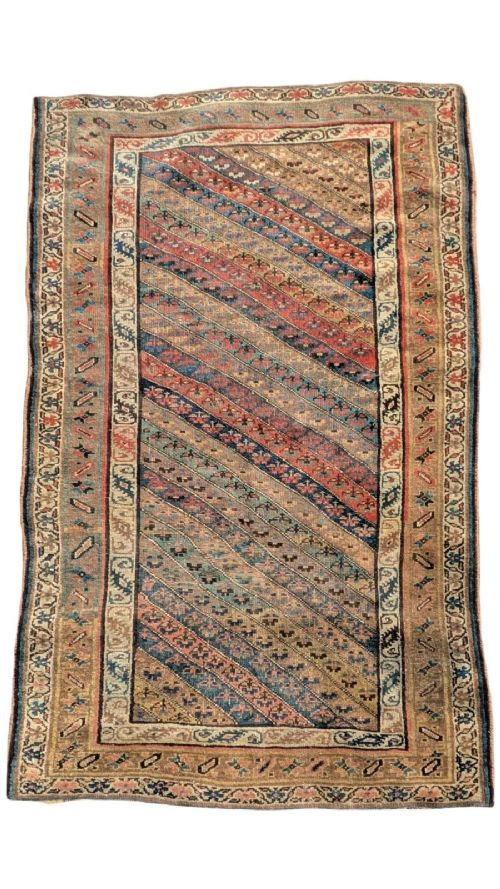
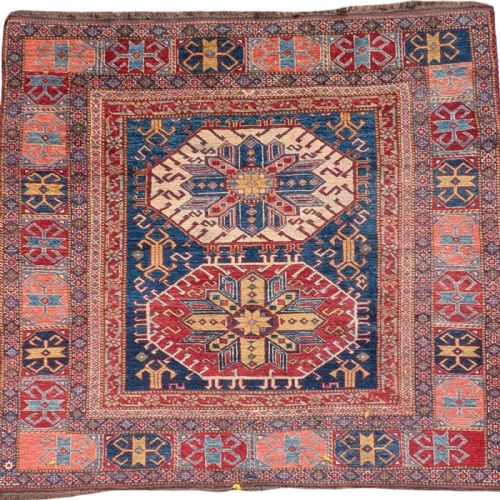
Woven Tribal Area Rug
When you handle a woven tribal area rug, you hold centuries of nomadic craft in wool and natural dyes.
Woven Tribal Area Rug
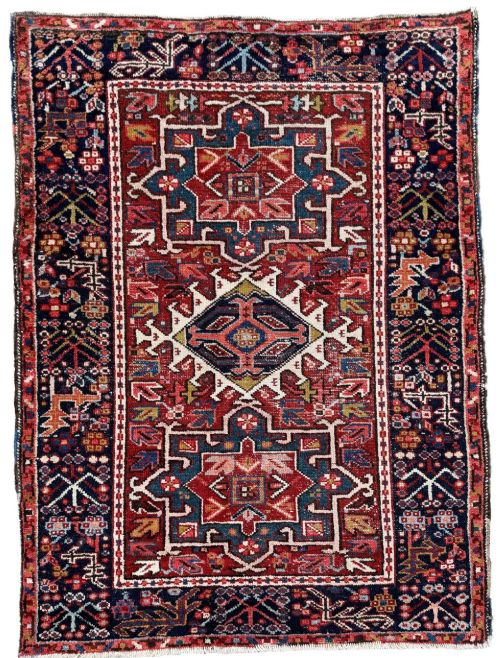
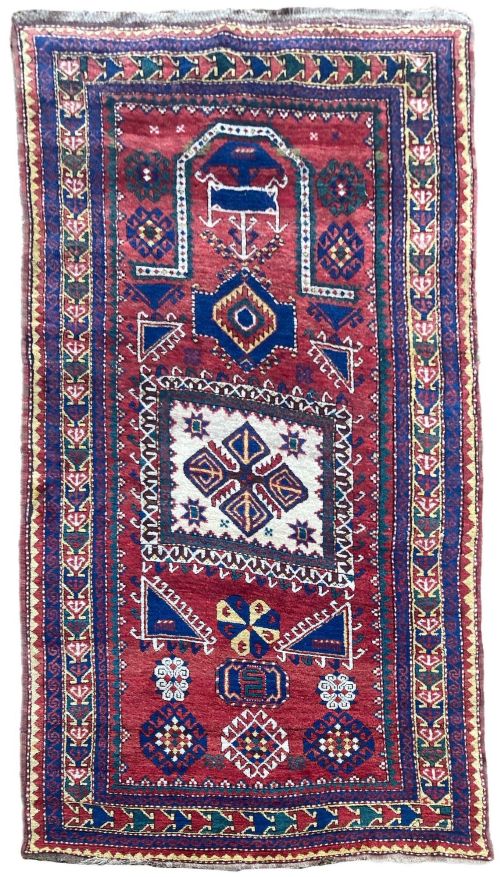
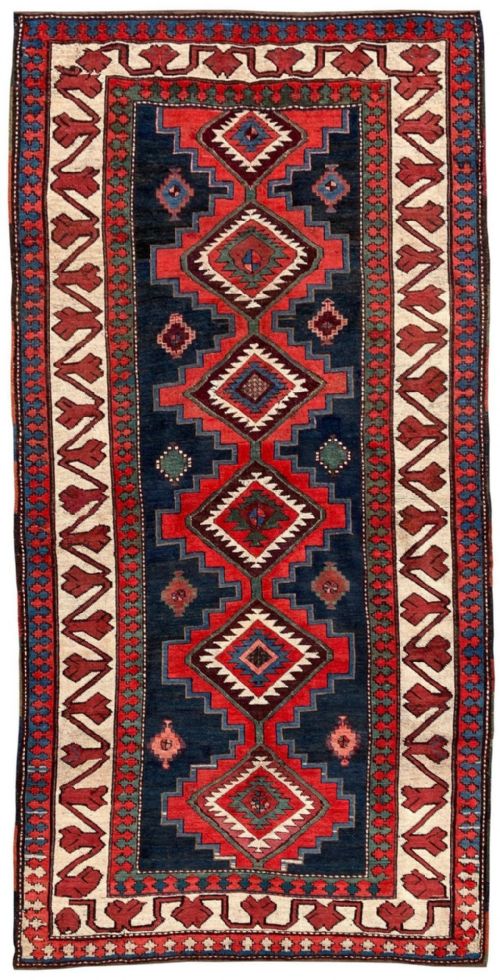
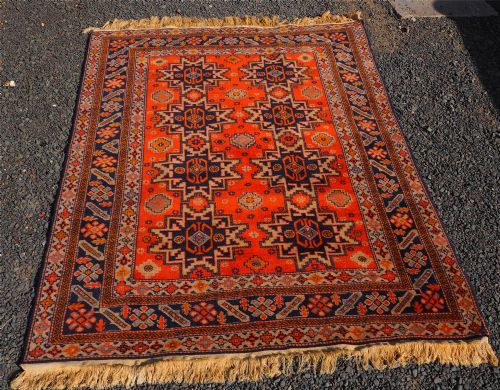
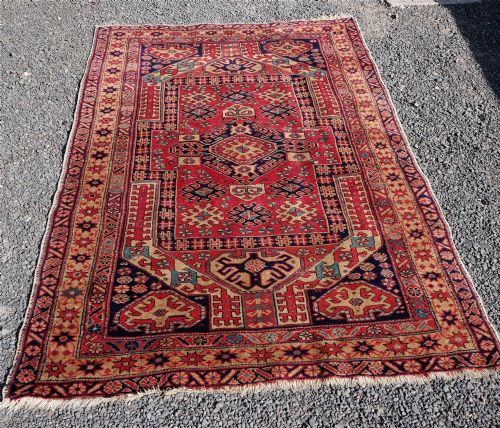
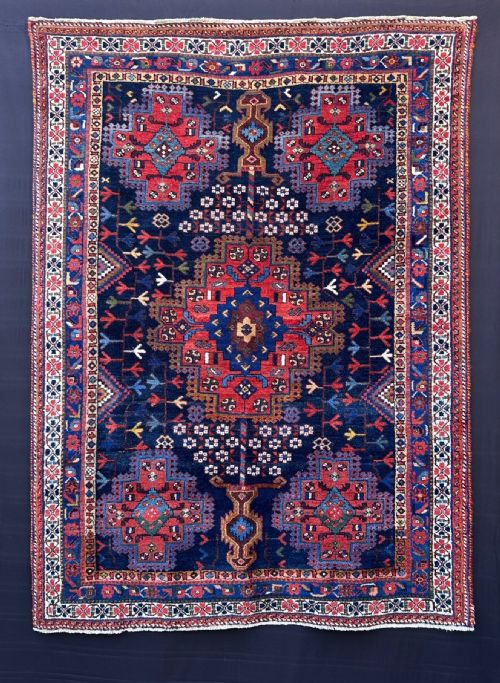
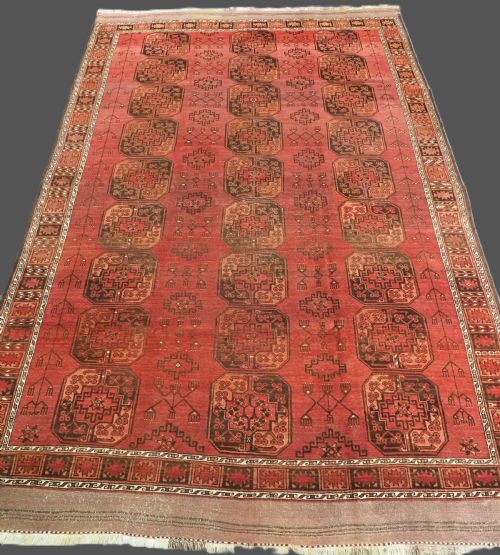
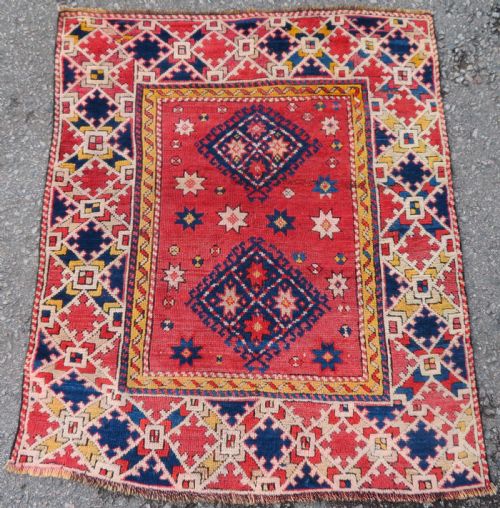
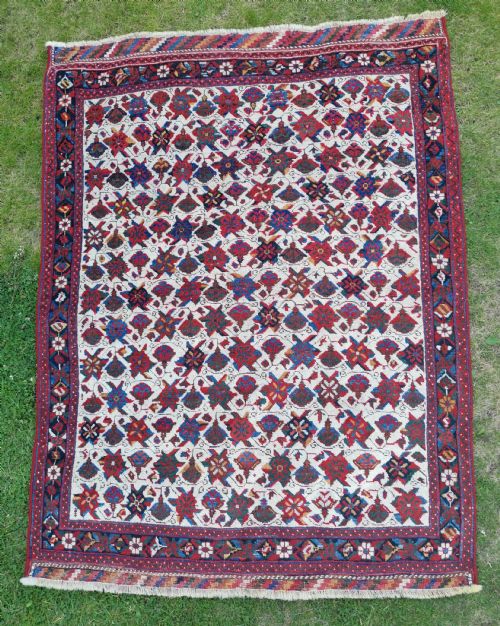
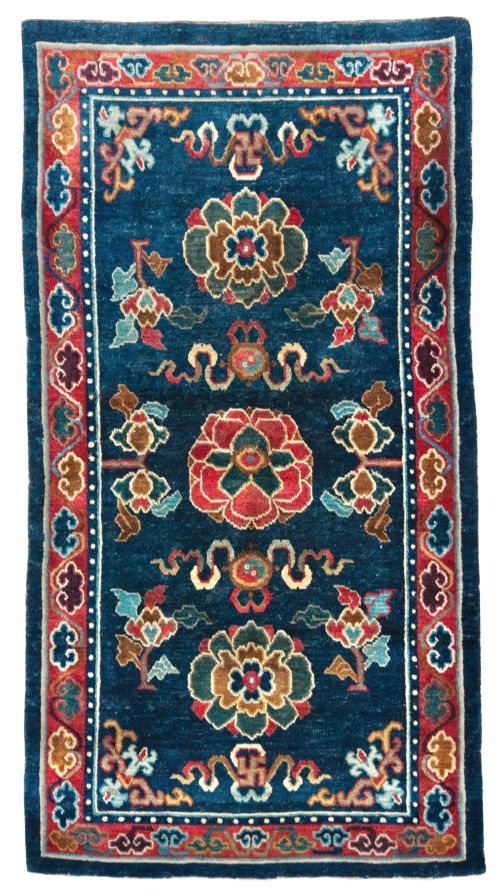
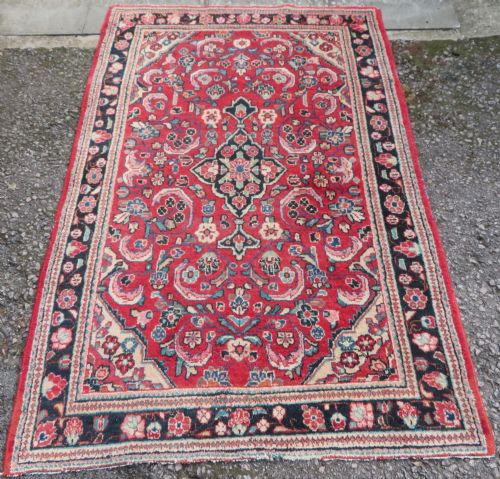
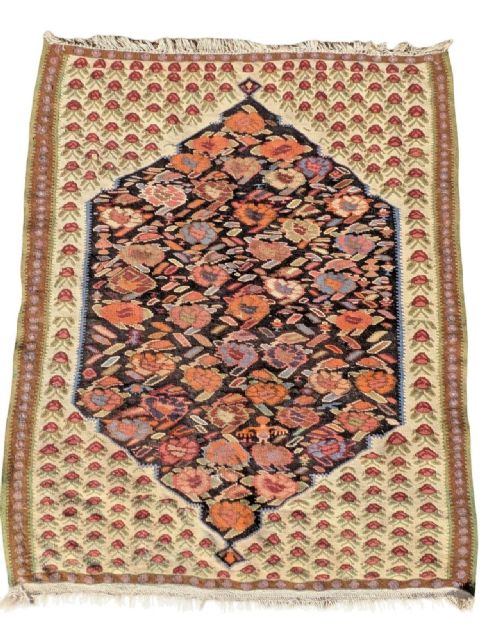
A woven tribal area rug embodies the domestic weaving traditions of nomadic and village communities across Persia, the Caucasus, Anatolia, and Turkmenistan. These floor coverings bridge utility and cultural expression, functioning historically as floor spreads, tent furnishings, and sleeping rugs. Collectors encounter pieces originating from the nineteenth century up through the mid twentieth century, reflecting distinct regional motifs.
The materials on this page primarily showcase hand-spun wool and cotton foundation structures dyed with natural substances. Forms range from compact scatter rugs and prayer rugs to expansive runner rugs and main carpets. Geometric medallions, repeating field patterns, and tribal symbols dominate the visual vocabulary of these village workshops.
Materials and Construction
Makers utilised hand-spun wool for the pile, yielding a resilient texture that responds well to traditional washing and decades of foot traffic. Cotton frequently forms the warp and weft foundation threads, providing structural stability for denser pile weaves, while flatweave kilims rely entirely on interlocked warp and weft threads without pile.
Natural dyes provide the foundational palette, drawing hues from roots, insects, and plants to create varied tonal depth across the wool. Weavers knotted the pile by hand onto vertical or horizontal looms, applying knotting densities dictated by local tribal customs rather than uniform factory standards.
Listings span from the nineteenth century through the nineteen-sixties, highlighting wool, cotton, and natural dye traditions.
Evaluating Quality and Execution
The clarity of the natural dye palette and the consistency of the wool spinning dictate visual distinction among pieces. Subtle shifts in colour within a single abrash field reveal the organic dye process, separating dynamic hand-dyed surfaces from uniform synthetic appearances.
Structural integrity depends on the tightness of the knotting and the preservation of original selvedges and ends. Pieces retaining their initial dimensions and untrimmed borders demonstrate superior craftsmanship and careful historical stewardship.
Ersari Turkmen·Yomut Main
The Woven Tribal Area Rug Glossary
- Abrash
- Variation in colour shading across a rug, caused by distinct dye batches or changes in wool supplies over the weaving period.
- Warp
- The vertical foundation threads stretched lengthwise on the loom, supporting the entire knot structure.
- Weft
- The horizontal threads passed alternately over and under the warp threads to bind the knots in place.
- Kilim
- A flatweave textile produced without pile, featuring interlocking weft threads that create geometric patterns.
- Selvedge
- The reinforced outer edge of a rug, finished to prevent the side cords from unravelling.
Woven Tribal Area Rug: Frequently Asked Questions
How do I clean a tribal rug?
Gentle surface vacuuming without the beater bar removes embedded dust from the wool pile. Professional immersion washing remains necessary for deep cleaning to protect natural dyes.
Harsh chemical detergents and high heat will damage the lanolin in hand-spun wool. Periodic rotation ensures even wear across rooms with high foot traffic.
Where were these rugs made?
Nomadic tribes and village workshops produced these pieces across Persia, the Caucasus, Anatolia, and Central Asia. Each region developed distinct geometric patterns and colour palettes.
Weavers utilised locally sourced materials, connecting the finished textile directly to its geographic and cultural origin.
What is an abrash?
Abrash describes the subtle tonal variation in colour across the field of a rug. This visual shift occurs naturally when a weaver changes to a new batch of dyed wool.
Collectors prize this characteristic as evidence of traditional hand-dyeing methods using natural colour sources.
How do I date a woven rug?
Analysis of the wool quality, dye composition, and structural symmetry helps determine the period of origin. Nineteenth-century pieces often display organic colour variations and softer handle characteristics.
Comparative study of regional motifs and border designs refines the estimated decade of manufacture.