






Traditional Turkish Flatweave
Traditional turkish flatweave textiles bring centuries of Anatolian and Balkan heritage into modern interiors through vibrant wool and cotton floor coverings and furnishings.
Traditional Turkish Flatweave
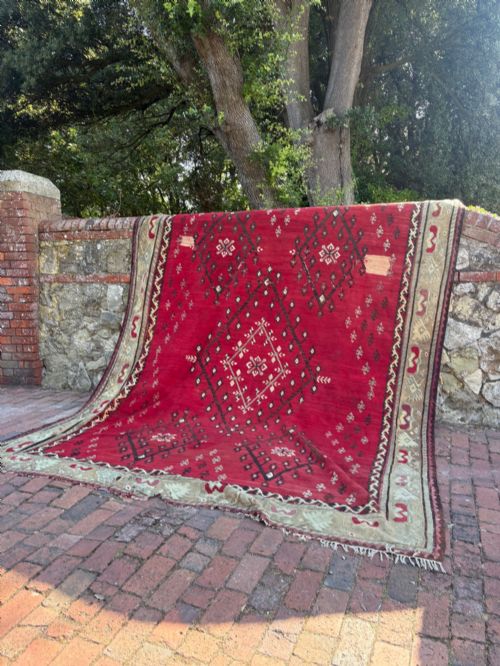
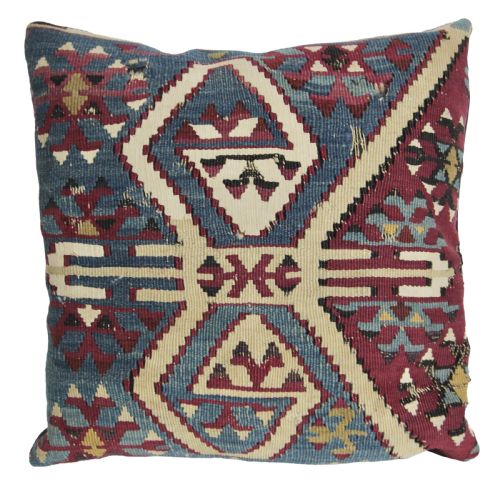
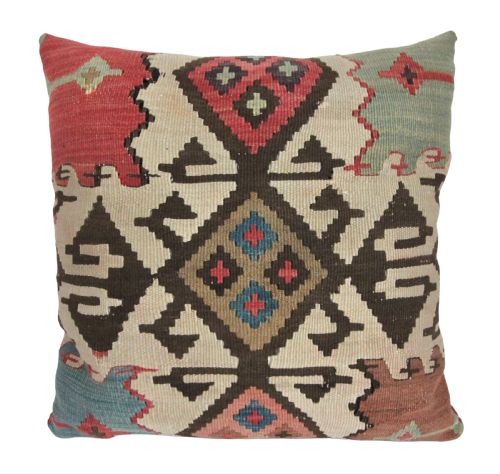
Traditional turkish flatweave textiles comprise a diverse range of pileless rugs, runners, prayer mats, cushions, and wall hangings originating from Anatolia and the Balkans. These floor coverings and decorative items include distinct regional types such as Malatya, Konya, Ushak, Bergama, and Sarkoy weaves created for domestic utility and daily life. Rugs and carpets dominate the selection, alongside smaller format cushions repurposed from larger carpets.
The objects span from the mid-nineteenth century through the early twentieth century, capturing decades of domestic textile production across rural and regional centres. Buyers encounter large room-sized carpets alongside narrow runner rugs and embroidered panels, reflecting the varied architectural spaces these textiles originally inhabited. Regional designations provide geographic context for the specific design vocabulary and colour palettes present in each textile.
Variations in quality and execution
The visual strength of the design layout and the balance of the colour palette determine the aesthetic standing of each flatweave textile. Finer examples display precise geometric execution and harmonious transitions between soft background tones and bolder motifs. The integrity of the foundational weave and the skill demonstrated in multi-part panel joins indicate the proficiency of the original weaver.
Surface preservation and the degree of structural wear influence the character of antique pieces, with timeworn repairs reflecting long histories of domestic use. The clarity of regional characteristics, such as the distinctive prayer mihrabs or repeat medallion structures, distinguishes standard regional output from exceptional examples of traditional craftsmanship.
Several textiles preserve the evidence of nimble fingers and cooperative village labour through panels woven in two halves before being stitched together.
Malatya·Konya·Ushak·Bergama·Sarkoy
The Traditional Turkish Flatweave Glossary
- Kilim
- An unknotted, flatwoven textile produced on a vertical or horizontal loom using a slit-tapestry technique. This method creates characteristic vertical gaps where different colour blocks meet.
- Cicim
- A supplementary weft-float embroidery technique applied to a woven ground to create raised decorative patterns across the surface of the textile.
- Prayer Kilim
- A directional rug featuring a mihrab or arch motif designed to indicate the direction of Mecca during daily Islamic prayer.
- Warp
- The vertical foundation threads stretched tightly on the loom before the weaving process begins, typically composed of wool or cotton.
- Weft
- The horizontal threads passed back and forth through the warp to create the visible pattern and colour design of the flatweave.
Traditional Turkish Flatweave: Frequently Asked Questions
What is a flatweave rug?
A flatweave rug is constructed by interlocking horizontal weft threads through vertical warp threads without creating a raised pile. This technique produces a thin, durable textile that lies flat on the floor and is fully reversible.
Traditional examples rely on tapestry weaving methods where colour changes create sharp geometric patterns across the surface.
How are antique kilims cleaned?
Antique kilims require gentle maintenance, typically limited to careful surface vacuuming without the rotating brush bar engaged. Professional textile cleaning is recommended for deep maintenance to protect natural wool fibres and historic dyes.
Avoiding direct, prolonged sunlight helps preserve the soft red and pastel colourways found in nineteenth century pieces.
Where were these textiles made?
These textiles originate primarily from villages and nomadic encampments across Anatolia and the Balkan regions. Specific weaving centres such as Konya, Malatya, and Sarkoy developed distinct design traditions and colour palettes.
Local sheep breeds provided the wool, which was hand-spun and dyed locally before being woven on domestic looms.
Can antique kilims be used as floor coverings?
Antique kilims serve effectively as floor coverings in low-traffic areas of the home when paired with an appropriate non-slip underlay. The flat construction makes them suitable for placement beneath furniture or along hallways as runners.
Placing a quality pad underneath reduces friction and extends the functional lifespan of the woven foundation.