


Woven Tapestry Border
A woven tapestry border brings historic textile artistry into modern rooms, offering tactile depth and rich narrative scenes that anchor an interior scheme.
Woven Tapestry Border
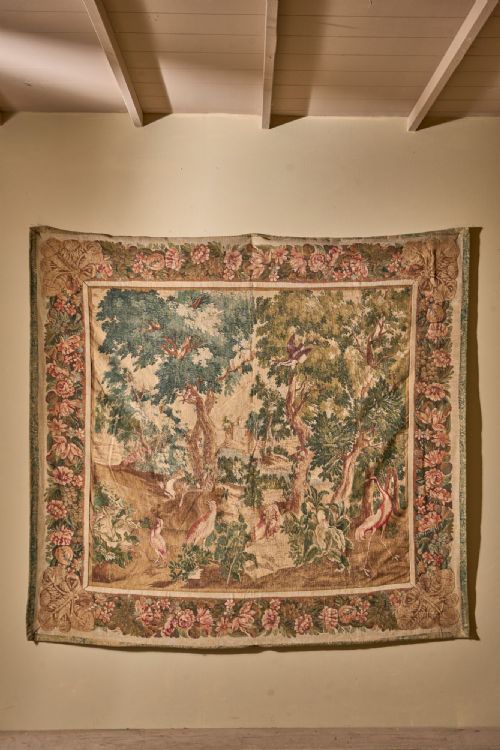
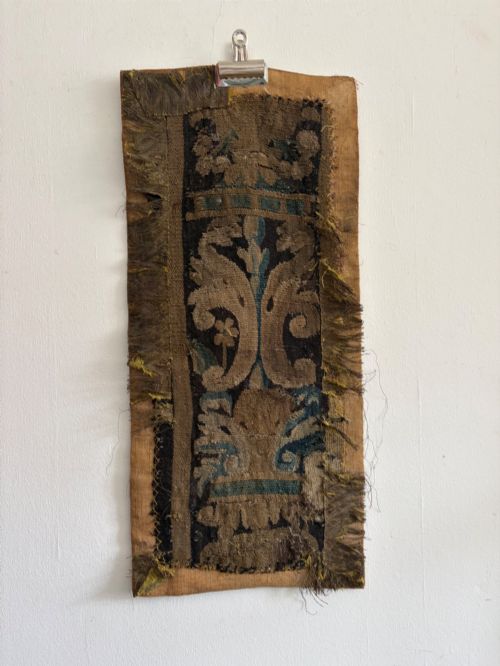
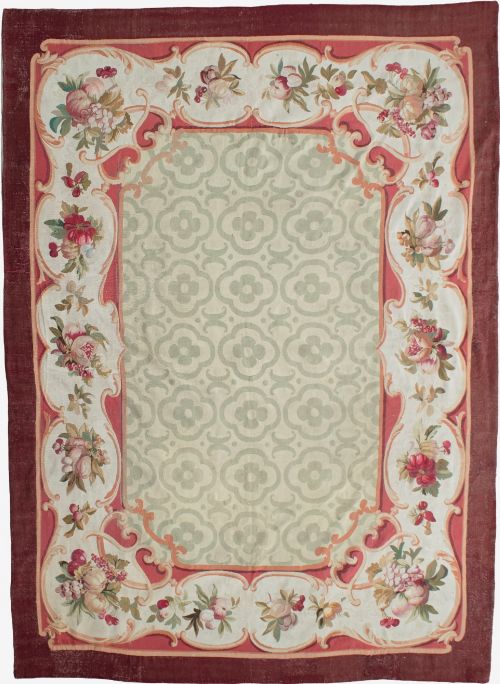
When you search for a woven tapestry border, you encounter historical textile fragments, full wall panels, and floor coverings originating from various European and tribal traditions. These pieces encompass everything from verdure fragments mounted to linen and long French panels to large European needlework compositions and Bessarabian kilims.
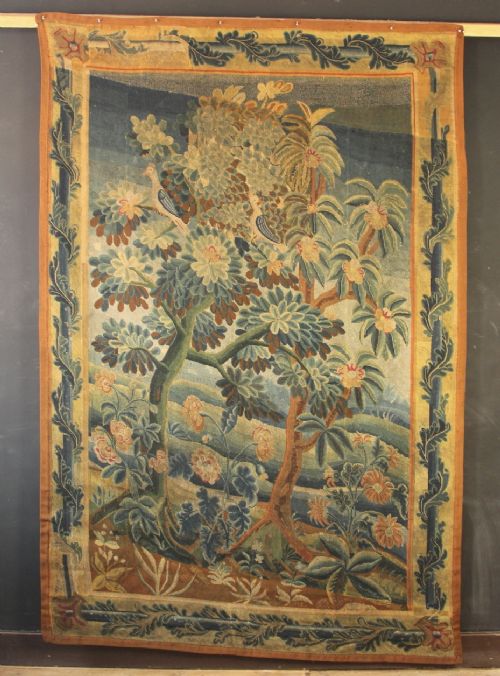
The selections available range across multiple centuries, featuring works from the sixteenth century up through the nineteen-twenties. You will frequently find verdure compositions depicting foliage and landscape elements alongside grander European wall hangings and tribal tent bands.
How they were made
These textiles rely on fundamental natural fibres such as wool, cotton, silk, and linen, woven or worked by hand to create durable and decorative surfaces. Certain elaborate panels incorporate metallic thread to introduce shimmering detail into the complex pictorial designs.
The construction techniques span traditional loom weaving and intricate needlework, resulting in varying textures from flat-woven kilims to densely worked tapestry panels and mounted border fragments.
Materials recorded across current items include wool, cotton, silk, linen, and metallic thread.
What varies in quality
Quality in these textiles rests upon the fineness of the fibre preparation and the complexity of the weave or needlework execution. Superior examples display tightly packed threads and sophisticated chromatic depth that maintain their visual coherence across the entire surface.
The condition of the textile and the integrity of any later mounting, such as linen backing, heavily influence the overall standard of the piece. Well-preserved panels retain crisp botanical or figural details that lesser or heavily worn examples lose over time.
The Woven Tapestry Border Glossary
- Verdure tapestry
- A type of textile featuring landscape, foliage, and tree motifs as the primary subject matter. These pieces often showcase muted greens and earth tones derived from natural dyes.
- Kilim
- A flat-woven carpet or rug produced without a pile, common in tribal and Eastern European traditions. They utilise interlocking weave techniques to create geometric patterns.
- Needlepoint
- A form of canvas work where yarn is stitched through a mesh ground to create dense pictorial designs. This technique appears frequently in European tapestry panels of large proportions.
- Metallic thread
- Metal wire, often gilt or silvered, incorporated into high-status textiles to add reflective highlights. It signals a more costly production intended for wealthy patrons.
Woven Tapestry Border: Frequently Asked Questions
What is a verdure tapestry?
A verdure tapestry depicts stylised foliage, trees, and landscape scenes, often populated by birds or small animals. These pieces were immensely popular in European workshops as a way to bring the outside world into interior chambers.
They typically rely on a rich palette of greens, blues, and browns that have mellowed over the centuries. Border fragments from these larger compositions are frequently found mounted independently as decorative wall art.
How are kilims different from wall tapestries?
Kilims are flat-woven textiles traditionally produced as rugs or floor coverings, utilising slit-weave techniques that create sharp geometric patterns. Wall tapestries are woven or needleworked pictorial panels designed primarily for vertical display.
While both share a lack of pile, their structural construction and intended uses diverge significantly. Kilims offer robust utility for floors, whereas antique tapestry panels require careful wall mounting.
Can I place these textiles on the floor?
Sturdy flat-weaves like Bessarabian kilims and tribal tent bands are structurally suited for floor placement under moderate foot traffic. Their durable wool construction handles everyday domestic use effectively.
Delicate needlework panels, silk-inclusive wall hangings, and fragile border fragments must remain on walls or be mounted behind protective frames. Using appropriate rug underlays beneath floor textiles prevents slipping and reduces fibre wear.