
Vintage Wool Textile Panel
A vintage wool textile panel brings tactile depth and rich pattern into a room through centuries of diverse weaving and embroidery traditions.
Vintage Wool Textile Panel
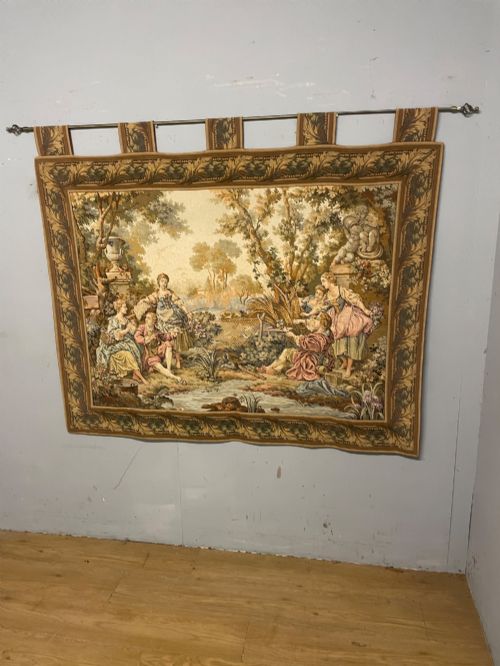
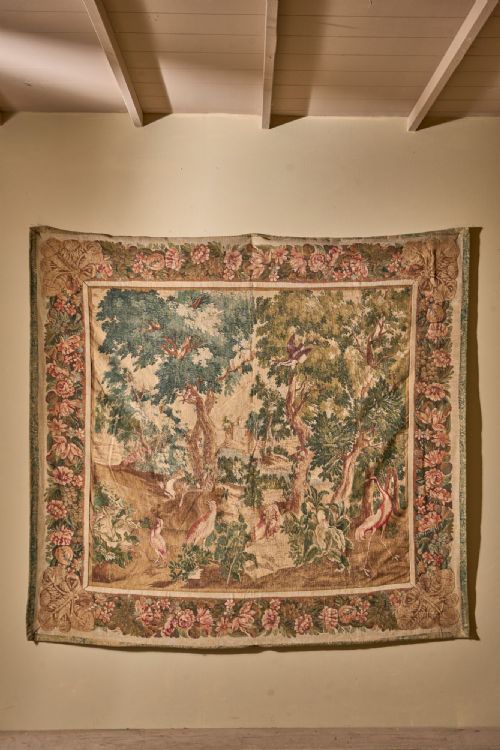
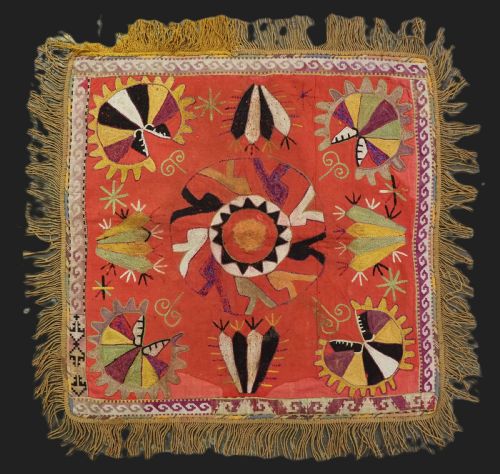
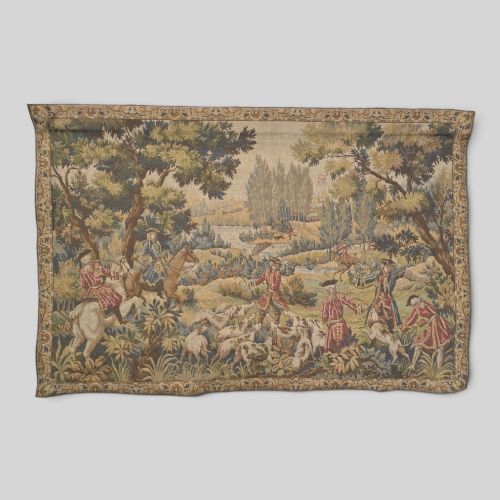
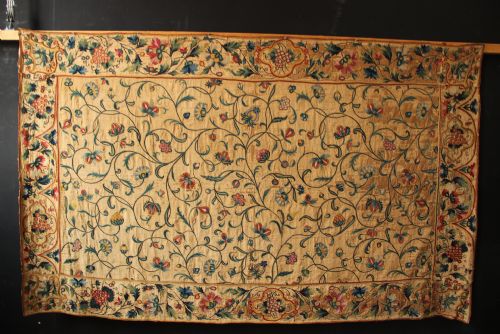
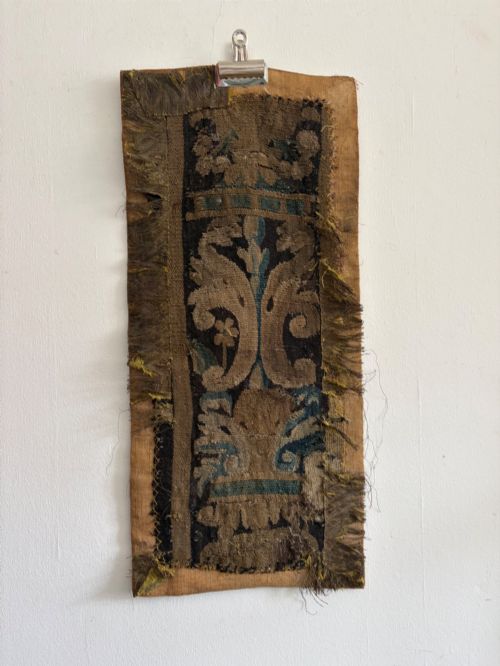
When you search for a vintage wool textile panel, you encounter a broad spectrum of historical wall hangings, tribal bag faces, and decorative fragments. The selection spans centuries of craftsmanship, ranging from seventeenth-century European verdure fragments and English crewelwork to Central Asian tribal embroideries and nineteenth-century tapestries.
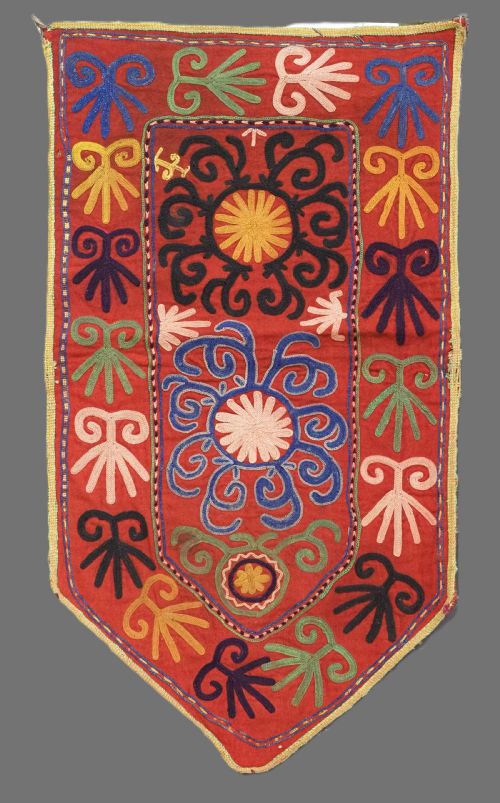
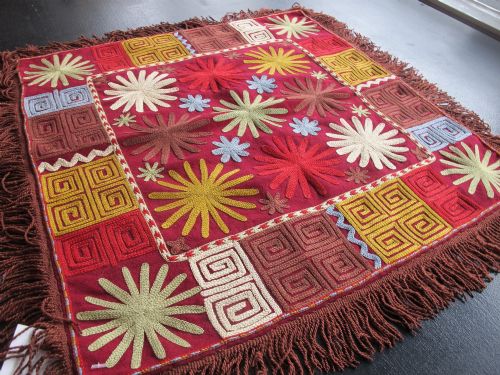
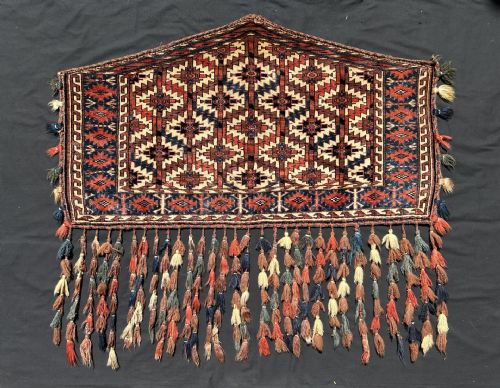
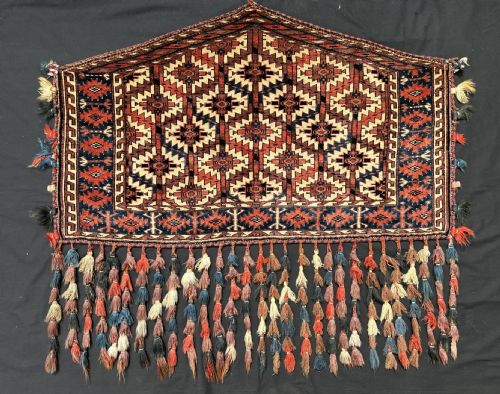
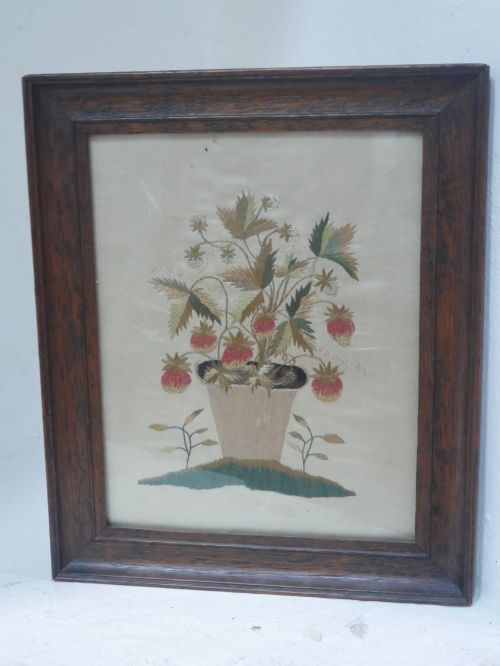
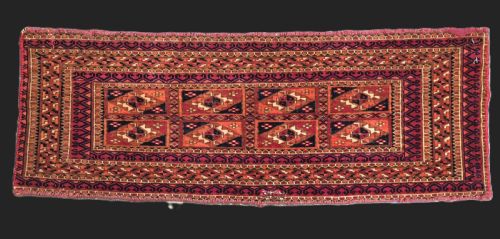
The pieces on this page heavily feature Central Asian tribal pieces alongside European tapestries and needlework pictures. You will find specific tribal formats such as Yomut asmalyks, Tekke torbas, and Uzbek Lakai ilgiches sitting alongside French verdure panels and framed wool pictures.
How they were made
Makers utilised wool as a primary medium, often combining it with silk, cotton, and linen grounds depending on the regional tradition. Felt and canvas also appear as supportive foundations for intricate embroidery and appliqué work.
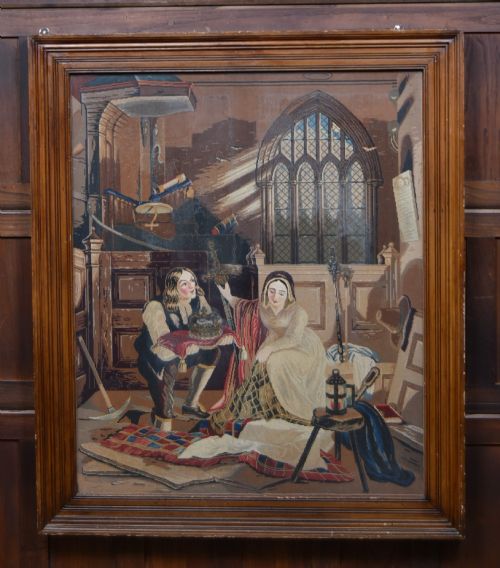
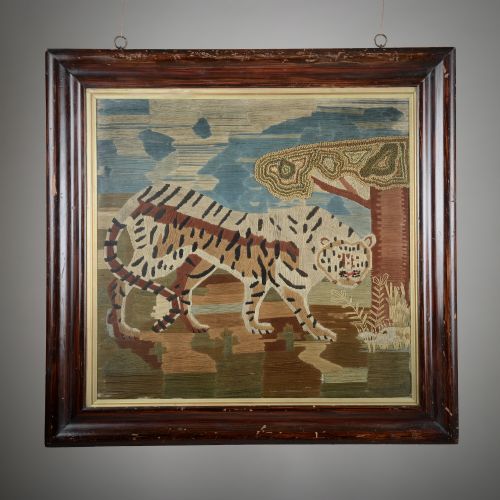
Techniques range from gros-point needlework and crewelwork embroidery to flatweave structures and silk-on-wool stitching. Artisans built dense textures by layering threads over sturdy linen or wool backings, creating robust pictorial and geometric surfaces.
Among the wool work on show is a spirited depiction of Little Red Riding Hood sharing space with a tiger and a pot of strawberries.
What varies in quality
The distinction between ordinary and exceptional panels lies in the tightness of the stitch, the complexity of the design, and the vibrancy of the remaining dyes. Dense, precise needlework and well-balanced compositions elevate a textile's visual impact.
Condition and integrity also determine quality, particularly how well fragments have been mounted to linen and whether the wool pile or embroidery ground remains intact. Pieces that retain their original scale and sharp chromatic contrast stand firmly at the top of the range.
The Vintage Wool Textile Panel Glossary
- Crewelwork
- Embroidery executed with fine wool yarn on a linen or cotton ground. This technique creates textured floral and pictorial designs.
- Verdure tapestry
- A European textile featuring a stylized landscape or foliage design. These pieces frequently incorporate trees, leaves, and occasional animals.
- Torba
- A small Central Asian storage bag or wall hanging produced by tribal weavers. They display characteristic geometric guls and banded motifs.
- Gros-point
- A needlepoint stitch worked on canvas using a coarse yarn. It yields a durable, firm surface suitable for pictorial wall hangings.
- Asmalyk
- A ceremonial camel trapping produced by Yomut tribes in Turkmenistan. These pentagonal hangings display intricate stepped guls.
Vintage Wool Textile Panel: Frequently Asked Questions
How were these panels originally used?
Many of these textiles served practical functions within nomadic or domestic spaces before becoming decorative objects. Tribal pieces functioned as storage bags, saddle-bags, or dowry items, while European panels decorated interior walls.
Over time, surviving fragments and complete panels transitioned exclusively into decorative wall art. Their shift from utility to display preserves historical needlework and weaving traditions for modern interiors.
How do I hang a textile panel safely?
Mounting a wool textile requires distributing the weight evenly across the entire upper edge to prevent stretching. Professionals often stitch a linen sleeve or Velcro strip to the reverse.
Avoid hanging antique textiles in direct sunlight, as wool fibres and natural dyes fade under prolonged exposure. A stable indoor environment protects the integrity of the fabric.
How do I identify a tribal panel?
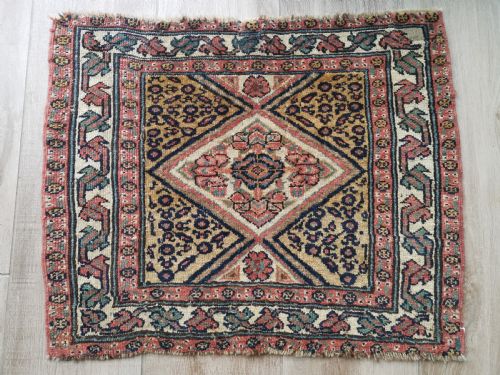
Tribal panels typically display repeating geometric motifs, specific tribal guls, and saturated natural colour palettes unique to regions like Central Asia or Persia. Pieces such as Uzbek ilgiches and Turkmen torbas carry distinct cultural geometry.
In contrast, European panels lean towards pictorial narratives, floral verdure scenes, or classical motifs. Examining the back of the textile often reveals the specific stitch structure and ground fabric.
What is the difference between embroidery and tapestry?
Tapestries are woven textiles where the design is built directly into the warp and weft on a loom during the creation of the fabric itself. The imagery forms part of the actual structure of the piece.
Embroidery, including crewelwork and needlepoint, involves stitching threads onto an already woven foundation fabric like linen or wool. This adds a raised, surface-level layer of texture and detail to the ground.