






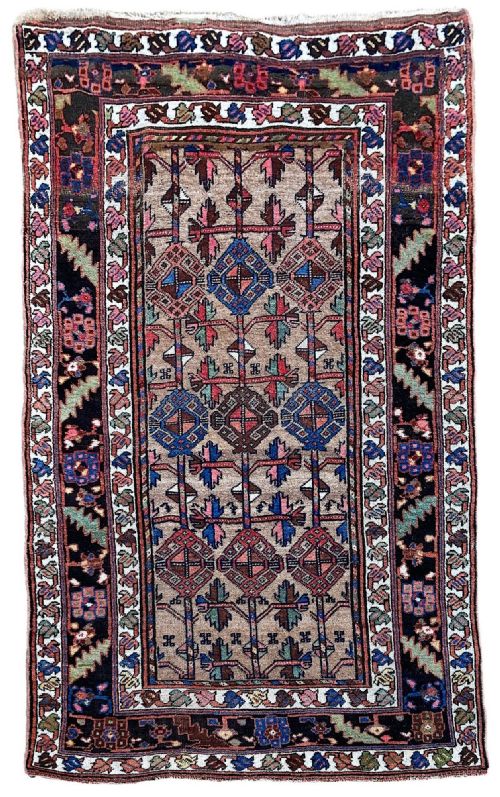
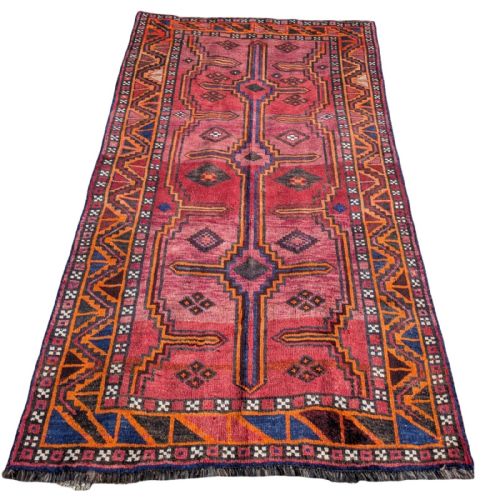
Woven Persian Runner
A woven persian runner brings warmth and distinct pattern to narrow corridors and long hallways.
Woven Persian Runner
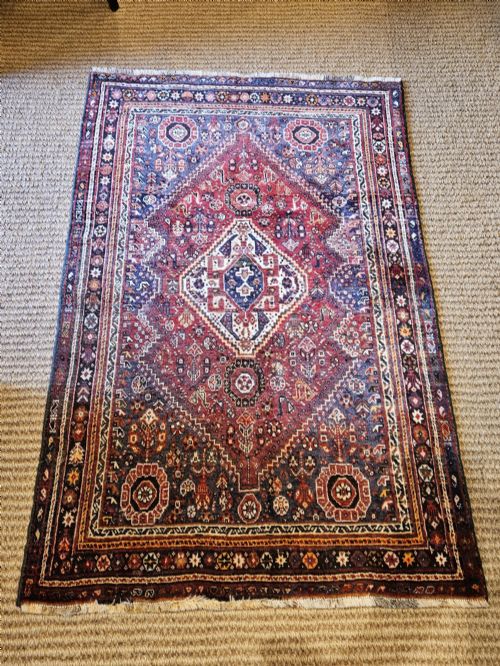
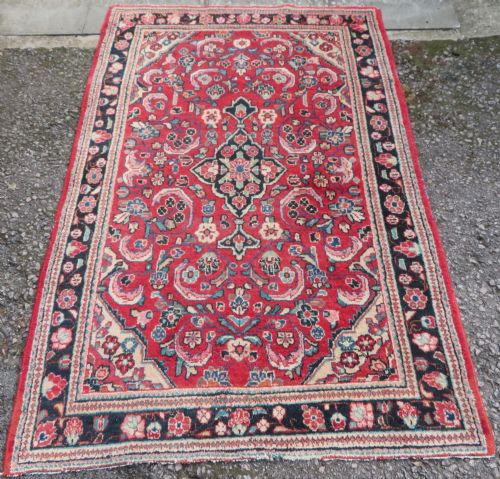
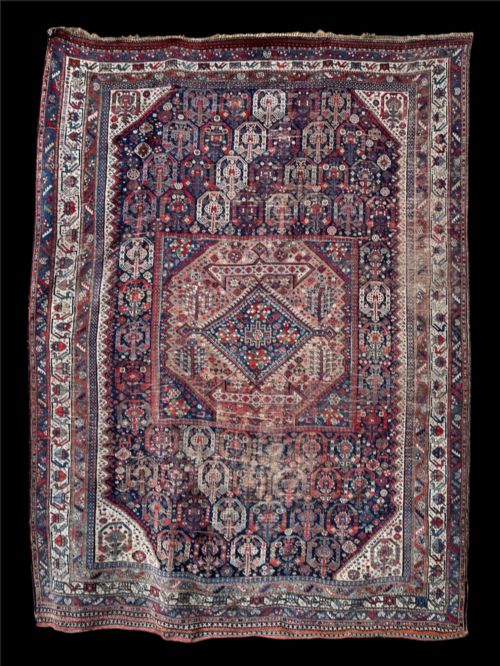
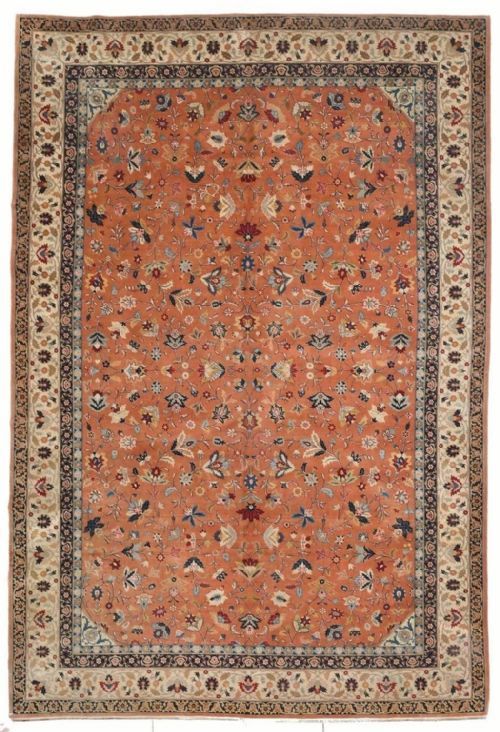
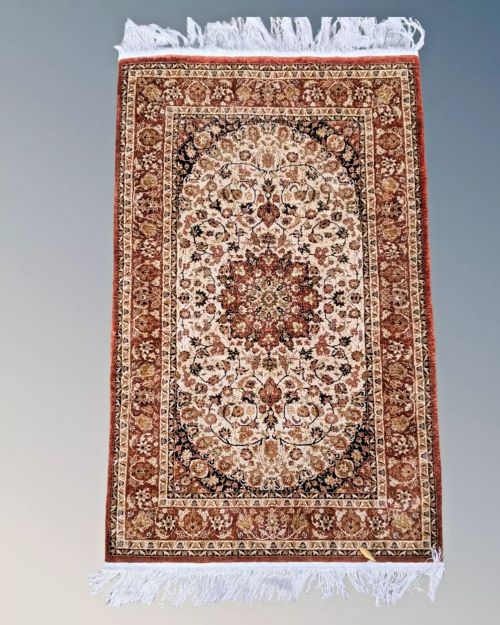
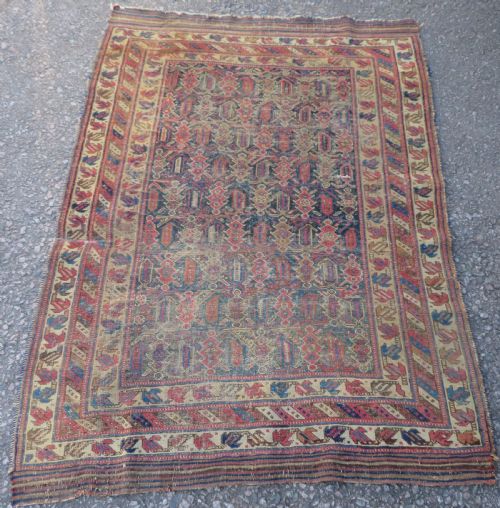
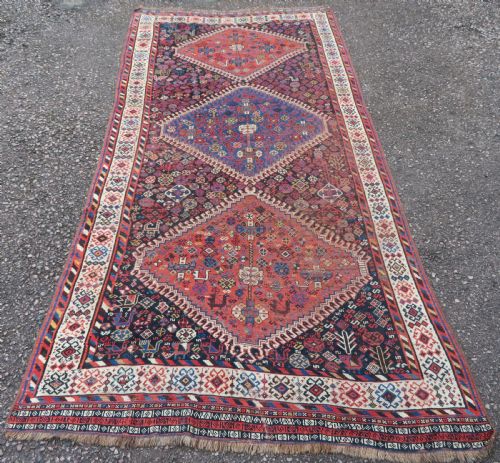
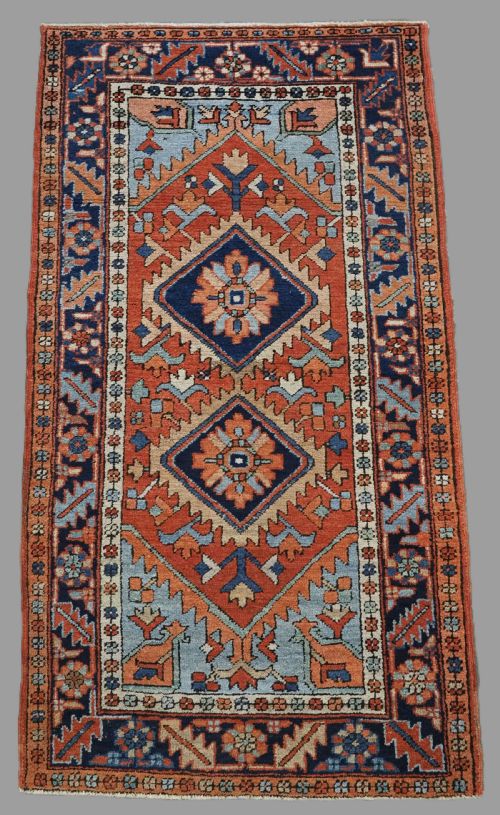
A woven persian runner is a narrow floor covering designed for corridors, hallways and long spaces. The pieces gathered under this term span tribal and village traditions from across Persia, dating from the nineteenth century into the early decades of the twentieth century.
Most examples found on this page display the characteristic elongated format intended for circulation spaces. They range from village pieces woven by specific regional confederacies to finer city workshops, using traditional formats handed down through generations.
How they were made
These textiles rely on foundations of cotton or wool onto which pile is hand-knotted. Artisans utilised hand-spun wool for the pile, dyed using natural colorants derived from plants and minerals.
Weavers worked on upright looms, tying symmetrical or asymmetrical knots to build up dense patterns. The structural integrity depends on sturdy selvedges and tightly packed warps and wefts.
Bread sofrehs were originally dusted with flour, meaning some surviving tribal cloths carry centuries of domestic history in their weave.
What varies in quality
Quality rests on the density of the knotting and the crispness of the drawing. Finer pieces demonstrate precise control over complex geometric or floral motifs, while simpler village works display charming irregularities.
The choice and stability of the dye materials also divide examples. Well-preserved natural dyes retain depth and variation, showing subtle shifts in tone known as abrash.
Saroukh Mahal·Baluch Salar Khani
The Woven Persian Runner Glossary
- Abrash
- Natural tonal variation within a single field of colour caused by batches of hand-spun yarn taking dye differently. This characteristic is prized by collectors for adding visual depth.
- Boteh
- A traditional almond-shaped motif with a curved upper tip, often interpreted as a stylized floral spray or cypress tree. It appears frequently in Persian weaving.
- Warp
- The vertical threads stretched lengthwise on the loom that form the structural foundation of the textile. The knots are tied around these stationary threads.
- Weft
- The horizontal threads passed back and forth across the warps after each row of knots to secure the pile in place. They determine the flexibility of the body.
- Sofreh
- A flat-woven or piled cloth traditionally used for sitting upon while eating or for handling dough and bread making. These utilitarian textiles carry distinct tribal designs.
Woven Persian Runner: Frequently Asked Questions
Where should I place a runner?
Runners suit high-traffic circulation spaces such as hallways, corridors and entryways where length is needed. They soften wooden floorboards and protect high-wear areas.
Ensure you measure the available floor space carefully, leaving a uniform border of exposed wood or tile around the perimeter of the textile.
How do I care for wool pile?
Regular gentle vacuuming without a rotating brush roll keeps dust from settling deep into the foundation threads. Rotate the textile periodically to ensure even wear from foot traffic.
Address spills immediately by blotting with a clean, dry cloth rather than rubbing. Professional cleaning suited to antique textiles should be used when necessary.
What is the difference between village and city rugs?
Village and tribal pieces often feature geometric designs, memory-driven patterns and varied wool textures reflecting local materials. They possess a direct, expressive character.
City workshops typically produce more formal, symmetrical floral layouts with finer knot counts and carefully plotted cartoons. Both traditions offer distinct aesthetic qualities.
How do natural dyes age?
Natural dyes mellow gracefully over decades, developing a rich patina that synthetic dyes rarely match. Colours soften harmoniously without losing their underlying vibrancy.
Exposure to direct sunlight accelerates this softening process, so placement away from harsh southern windows helps preserve the original balance of tones.