


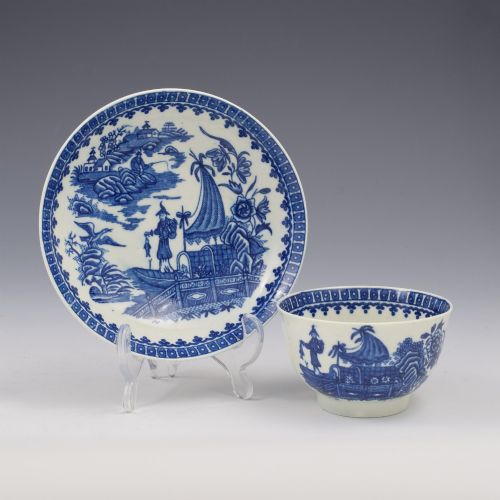


Worcester Cup and Saucer
A Worcester cup and saucer brings tactile elegance to the table, pairing historic British ceramic artistry with refined domestic utility.
Worcester Cup and Saucer
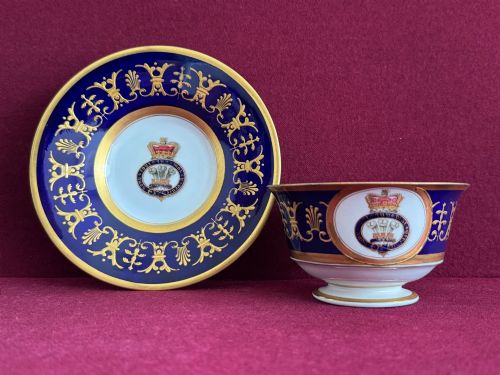
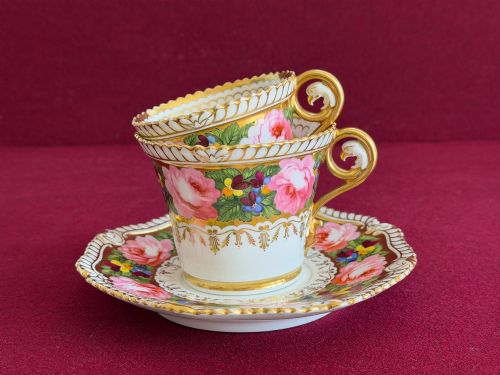
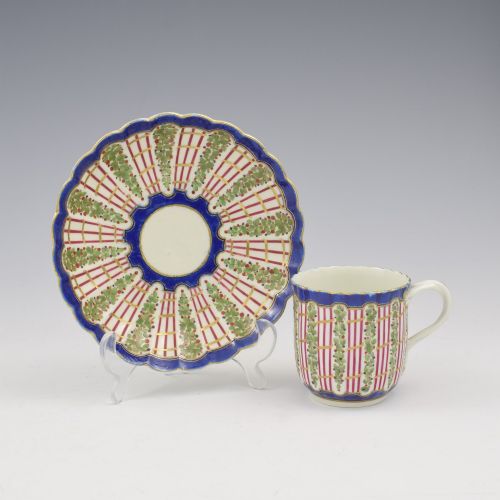
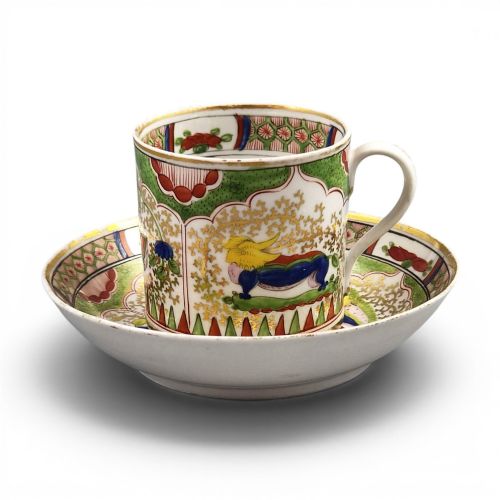
A worcester cup and saucer represents centuries of distinguished English ceramic production, spanning delicate eighteenth-century tea bowls to later Victorian and twentieth-century porcelain tableware. Collectors encounter numerous forms within this phrase, ranging from early First Period tea bowls and coffee cups to Regency cabinet pieces and blush ivory demi-tasse sets.
The objects serve as tangible links to changing social rituals, shifting from early tea and coffee consumption to decorative cabinet displays. Pieces frequently feature specific historical patterns, armorial motifs, or hand-painted botanical and avian scenes executed across different stylistic periods.
How They Were Made
Potters utilised materials such as porcelain, soft-paste porcelain, and bone china, often incorporating soapstone to stabilise early bodies during firing. Artisans applied intricate hand-painted enamels, gilding, and gold leaf alongside blue and white underglaze printing to achieve rich surface decoration.
Specialised techniques varied from delicate moulding and reticulation to meticulous hand-painting by notable factory artists. Gilding was frequently burnished by hand to contrast with painted reserves and coloured grounds.
Materials range from early soft-paste porcelain and soapstone mixtures to later bone china and gold leaf.
What Varies in Quality
Quality rests upon the precision of the potting, the crispness of the moulded or printed detail, and the artistic merit of the hand-painted decoration. Early wares exhibit distinct body translucency and careful glaze control, whereas later productions rely on the finesse of artist-signed botanical or avian panels.
The sophistication of the gilding and the complexity of palette application distinguish standard utilitarian wares from ambitious cabinet pieces and armorial services. Well-preserved enamel colours and intact gold leaf elevate the standing of any individual set.
Flight Barr And Barr·Chamberlain Worcester·Royal Worcester
The Worcester Cup and Saucer Glossary
- Soft-Paste Porcelain
- An artificial ceramic body fired at lower temperatures than true hard-paste porcelain, common in eighteenth-century English factories. It yields a warm, creamy translucency that catches the light uniquely.
- Tea Bowl
- A handleless drinking vessel designed for hot infusions during the Georgian period. It predates the widespread adoption of standard handled teacups.
- Coffee Can
- A straight-sided cylindrical cup utilised for serving coffee in the eighteenth and nineteenth centuries. These vessels often sit upon a matching saucer.
- Blush Ivory
- A specialised creamy-peach ceramic ground introduced by Royal Worcester in the late nineteenth century. It mimics the gentle tone of aged ivory and provides a soft base for floral painting.
- Reticulation
- An openwork pierced pattern carved into the ceramic body before firing. This technique demonstrates high technical skill in later Victorian cabinet pieces.
Worcester Cup and Saucer: Frequently Asked Questions
How do I date a Worcester piece?
Dating relies upon identifying factory marks, paste compositions, and stylistic periods such as the Georgian or Victorian eras. Shape profiles and pattern numbers also help narrow down the decade of manufacture.
Changes in factory partnerships, from early ventures to later royal appointments, provide key chronological markers. Comparing pieces to documented archive examples confirms their approximate age.
Were these cups meant for display?
While early tea bowls and saucers saw active daily use in Georgian households, many later cabinet cups served purely decorative functions. Finer painted items were often kept in glazed cupboards to showcase wealth and taste.
Specialist cabinet pieces and artist-signed fruit sets were frequently treated as works of art rather than functional tableware. Their survival in pristine condition often reflects this careful preservation.
What is the difference between a tea bowl and a teacup?
Tea bowls are traditional handleless vessels derived from Chinese prototypes, common in eighteenth-century British porcelain. Teacups feature applied handles for easier gripping as social dining habits evolved.
Both forms were paired with matching saucers to catch drips and cool the beverage. The transition from bowl to cup marks a distinct shift in Regency domestic etiquette.
How should I care for antique porcelain?
Antique porcelain requires gentle hand washing in lukewarm water with mild detergent, avoiding dishwashers entirely. Delicate gilding and enamels can degrade if subjected to harsh scrubbing or prolonged soaking.
Store pieces securely on stable surfaces away from direct sunlight to protect coloured enamels. Proper physical support prevents accidental chipping of fragile rims and handles.