



Gold Gilded Porcelain Saucer
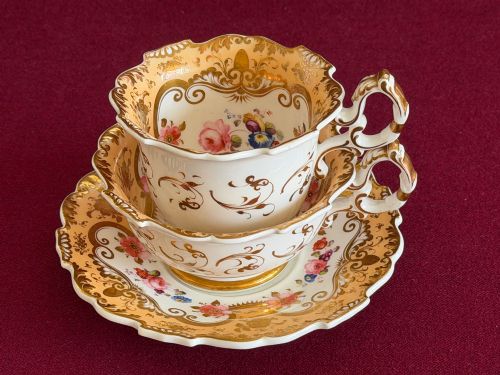
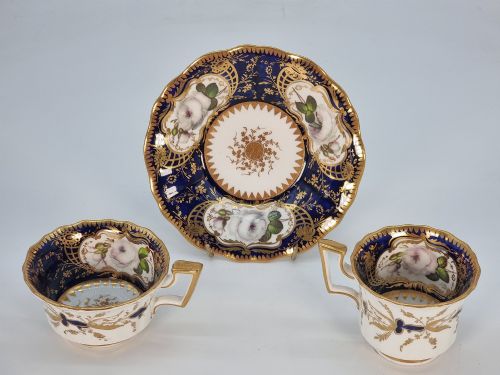
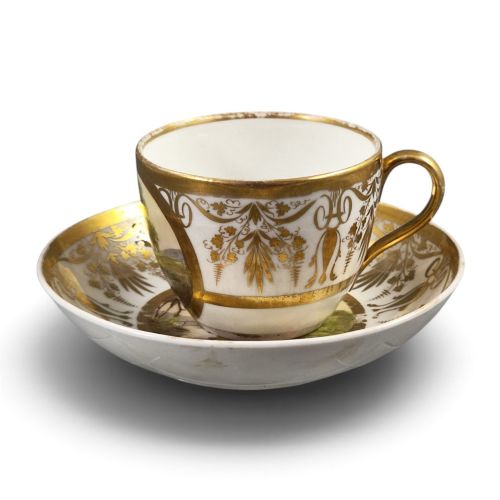
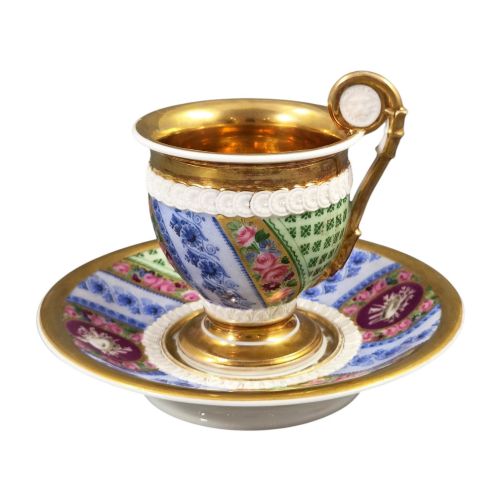
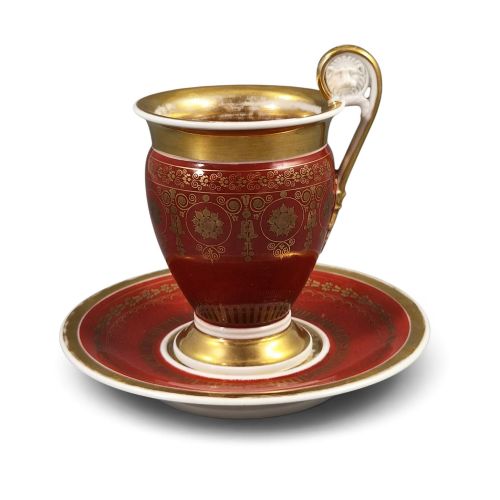
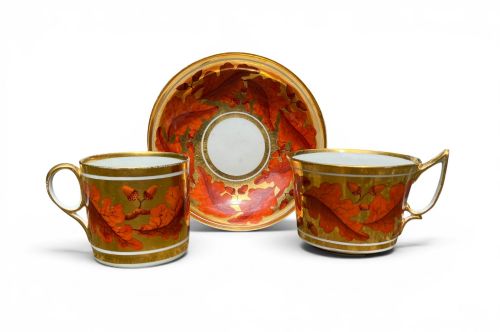
These gold gilded porcelain saucer pieces bring tactile warmth to the table, combining historic ceramic forms with metallic lustre.
Gold Gilded Porcelain Saucer
A gold gilded porcelain saucer forms part of a wider tradition of fine ceramic tableware designed for tea and coffee service, spanning the Georgian, Regency, and Edwardian eras. When searching for this form, buyers encounter standalone saucers alongside complete trios, cabinet cups, and full tea sets created by European and Japanese makers.
The pieces represented in these listings range from early nineteenth-century English manufactories like Worcester and Coalport to continental porcelain houses such as KPM Berlin and Old Paris. They serve both as functional table vessels and decorative cabinet displays reflecting the changing design priorities of the nineteenth and early twentieth centuries.
Materials and Manufacture
Makers utilised porcelain, bone china, and hard-paste porcelain as the primary ceramic bodies, shaping them into saucers, tea bowls, and pedestal cups. These surfaces often received hand-painted enamel decoration before the application of gold leaf and gilding to rims, handles, and borders.
The application of gold required careful firing to bond the metallic leaf to the ceramic glaze. Potters combined gilding with hand-painted landscapes, floral motifs, and armorial details to achieve the decorative standards expected of nineteenth-century cabinet pieces.
Listings feature porcelain, bone china, and hard-paste porcelain saucers decorated with gold leaf, enamel, and hand-painted motifs across the Regency, Georgian, and Edwardian periods.
Judging Quality and Execution
The distinction between standard tableware and high-end cabinet pieces rests upon the precision of the hand-painting and the weight of the gold application. Finely executed saucers display crisp enamel work, detailed miniature scenes, and thick, burnished gilding that retains its lustre.
Makers known for exceptional output, such as Flight and Barr or KPM Berlin, invested greater labour in the finishing of the paste and the alignment of gilt borders. Quality shows in the translucency of the porcelain body and the clean integration of the gold leaf with the underlying glaze.
A H & R Daniel·Coalport John Rose·KPM Berlin·Flight & Barr Worcester·Grainger's Worcester·Davenport·Royal Worcester·Minton·Spode·Hutschenreuther
The Gold Gilded Porcelain Saucer Glossary
- Gilding
- The application of gold leaf or gold powder to the surface of porcelain. This technique creates metallic highlights along the rims and borders of a saucer.
- Hard-paste porcelain
- A durable ceramic composition fired at high temperatures, composed of kaolin and petuntse. European factories frequently utilised this material for cabinet cups and saucers.
- Cabinet piece
- An ornate ceramic object intended for display in a cabinet rather than daily use. These items typically feature elaborate hand-painted decoration and extensive gold leaf.
- Trio
- A matching set comprising a teacup, a coffee cup, and a saucer. Collectors find these grouped together from various nineteenth-century English and continental makers.
- Coffee can
- A straight-sided cylindrical porcelain cup designed for serving black coffee. They commonly accompany matching saucers in Regency and Georgian table services.
Gold Gilded Porcelain Saucer: Frequently Asked Questions
How do I date an antique saucer?
Dating relies on identifying factory marks stamped or painted on the underside, alongside stylistic cues such as Regency neoclassical shapes or Edwardian floral patterns. Shape profiles and paste composition also indicate the manufacturing decade.
Comparison with documented pieces from makers like Worcester or Coalport helps narrow the production window. Handle shapes and the style of the gilding provide further chronological markers.
Can I use these saucers for daily tea?
Most antique porcelain saucers are fragile and feature delicate hand-painted enamel and gold leaf that can wear away with frequent use and washing. Buyers generally reserve them for light occasional use or display.
Hand washing in lukewarm water with mild soap preserves the surface decoration. Dishwashers and abrasive sponges will damage the historic gilding permanently.
What is the difference between bone china and porcelain?
Bone china incorporates bone ash into the ceramic paste, producing a warmer tone and greater chip resistance. Hard-paste porcelain is whiter, denser, and fired at higher temperatures.
Both materials were decorated with gold leaf and enamels during the Georgian and Victorian periods. Holding a piece to the light reveals the distinct translucency of each ceramic body.
Why do some saucers have no cups?
Many antique tea bowls and cups did not survive centuries of handling, leaving saucers separated from their original partners. Additionally, some saucers served individual sweetmeat functions or formed part of larger cabinet sets.
Collectors often assemble mismatched trios or display the surviving saucers independently. Replacement cups can be found, though matching exact glaze and pattern tones requires patience.