



Worcester Blue White Bowl
A worcester blue white bowl brings eighteenth-century domestic porcelain into your home through painterly cobalt designs and soft-paste bodies.
Worcester Blue White Bowl
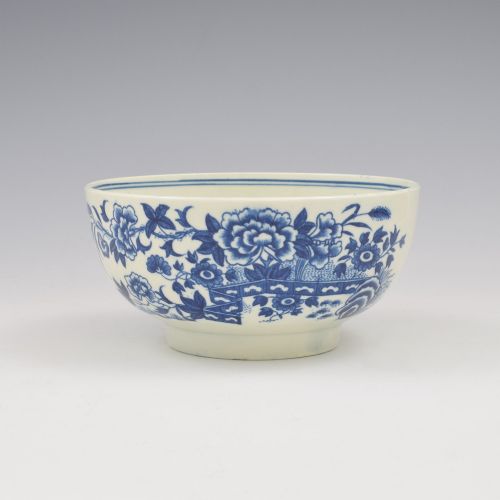
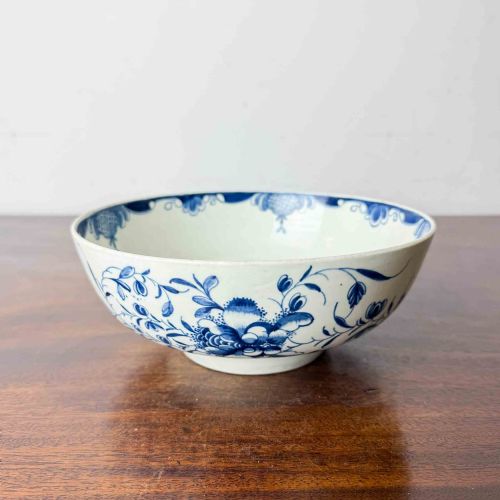
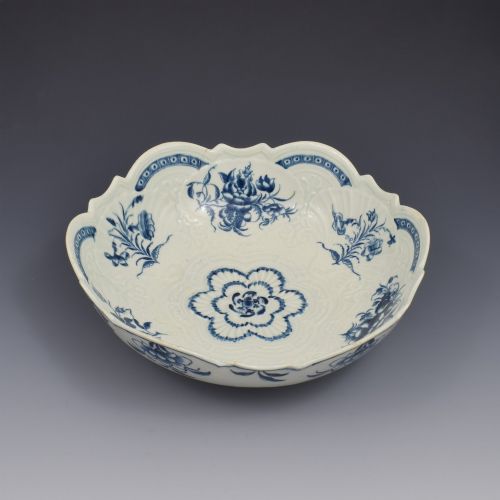
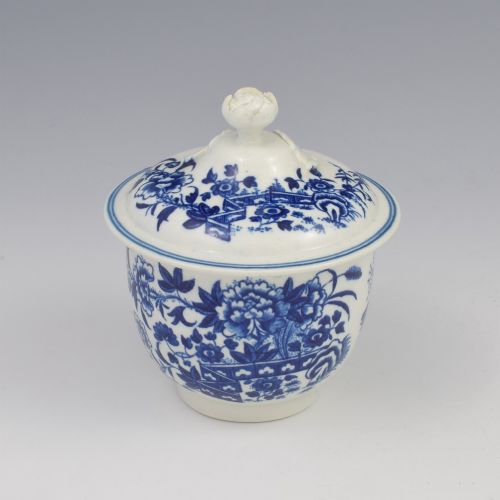
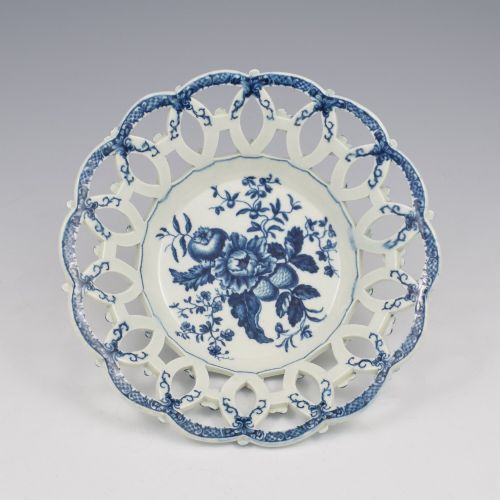
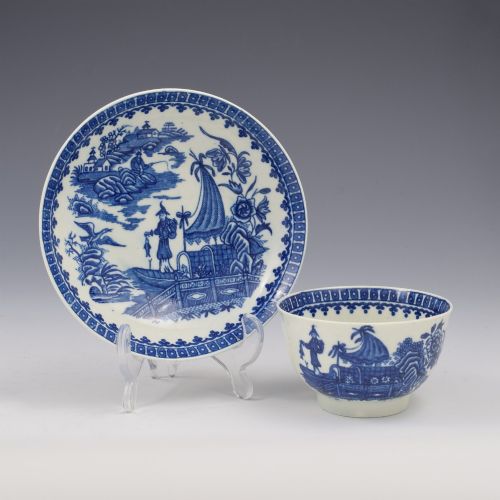
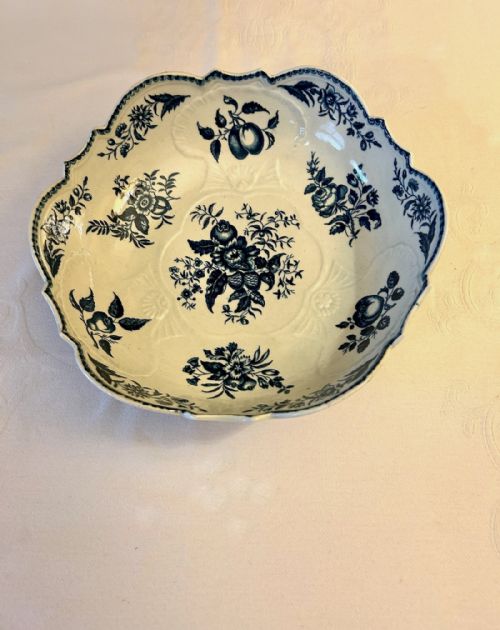
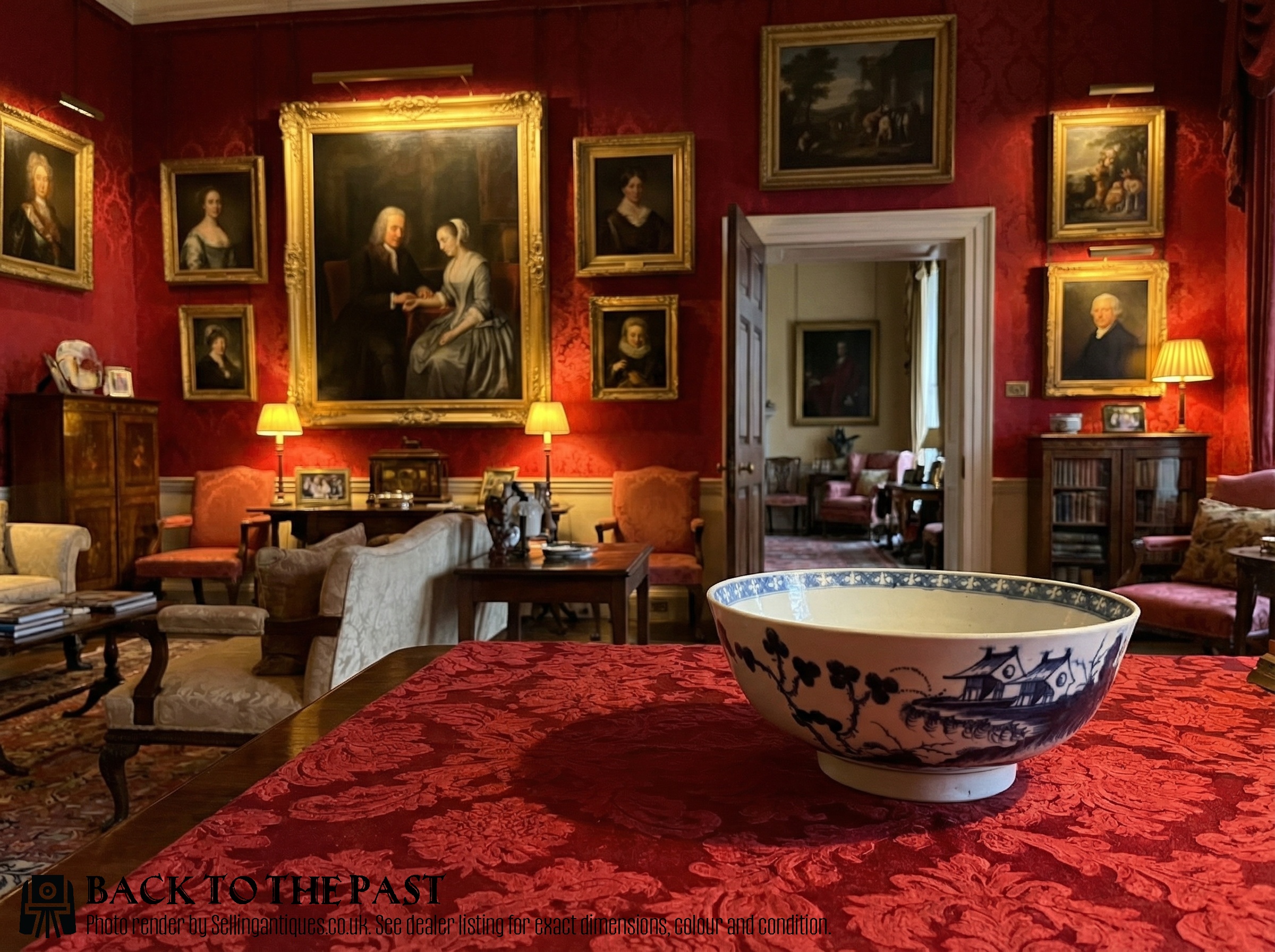
When you search for a worcester blue white bowl, you encounter tablewares spanning the eighteenth century and Edwardian periods, with eighteenth-century examples dominating the selection. These pieces include tea bowls and saucers, slop bowls, punch bowls, sucrose boxes, and decorative baskets.
The eighteenth-century forms largely belong to the First Period or Dr Wall era, decorated with blue underglaze patterns such as the pine cone, fence, fisherman, and Chinoiserie motifs. Later twentieth-century manufacturing appears through Edwardian pieces from makers like Grainger & Co Royal Worcester.
Forms vary from small individual tea bowls to large punch bowls and handled baskets, each demonstrating the factory's versatility in handling porcelain forms.
Judging quality
Quality rests primarily on the clarity and depth of the cobalt blue underglaze painting, where crisp lines separate superior artistic execution from hurried brushwork. The refinement of the porcelain body and the crispness of moulded details, such as basket weave or floral reliefs, further distinguish the pieces.
The sophistication of the specific pattern, from simple tea bowl designs to elaborate Chinese-inspired landscapes on punch bowls and junket dishes, dictates the upper tier of the range.
Worcester Blue White Bowl Retail Price Guide 2026
Typical asking prices for worcester blue white bowl among the pieces listed under this phrase on Sellingantiques today, from the lower quarter to the upper quarter. They describe what is for sale here now, not the wider market.
Early eighteenth-century tea drinkers shared slop bowls at the table to empty their lukewarm dregs before pouring fresh tea.
Dr Wall Worcester·Grainger & Co Royal Worcester
The Worcester Blue White Bowl Glossary
- Soft-paste porcelain
- A glassy porcelain composition fired at lower temperatures than hard-paste, common in eighteenth-century English factories. It gives these bowls a characteristic warm translucency.
- Cobalt glaze
- A metallic oxide pigment used to produce deep blue underglaze decoration on ceramic bodies. It fuses with the glaze during high-temperature firing.
- Tea bowl
- A handleless small cup designed for drinking tea in the eighteenth-century manner. These form the most frequent cup-form in early porcelain.
- Slop bowl
- A larger bowl used during tea service for dregs and spent tea leaves. They match the tea bowls and saucers of the set.
- Junket dish
- A shallow moulded dish traditionally used for serving curd and cream desserts. They often feature pierced or basket-work rims.
Worcester Blue White Bowl: Frequently Asked Questions
How do I date an 18th-century piece?
Eighteenth-century Worcester porcelain is typically dated by stylistic markers, paste characteristics, and underglaze blue crescent or workman marks rather than exact calendar years.
First Period pieces, particularly those associated with the Dr Wall proprietorship, show specific soft-paste bodies and cobalt painting styles standard to the 1760s through the 1780s.
What is a First Period bowl?
The First Period refers to the earliest era of porcelain production at the Worcester factory, lasting from its foundation in 1751 until roughly 1783.
Bowls from this era are prized for their soft-paste porcelain bodies and hand-painted blue and white oriental or botanical patterns.
Can I use these bowls daily?
While eighteenth-century soft-paste porcelain remains structurally sound, the age and historical value of these antique vessels make careful handling essential.
Most collectors prefer to display tea bowls, slop bowls, and baskets as decorative objects rather than subjecting them to daily kitchen use.
What is Chinoiserie decoration?
Chinoiserie describes European artistic interpretations of Chinese and East Asian decorative motifs, popular during the Georgian period.
On these blue and white bowls, you frequently see imagined figures, fenced gardens, and pavilion landscapes rendered in cobalt blue.