
Wool Tribal Trappings
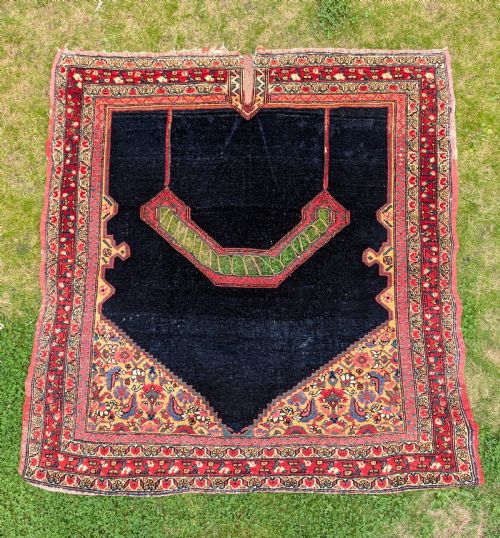
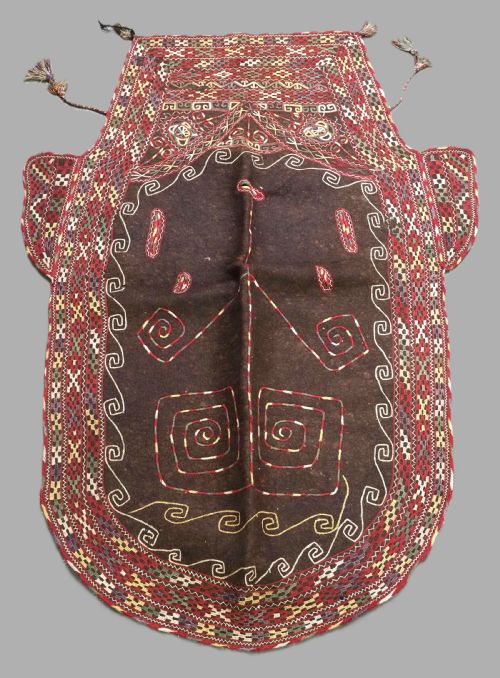
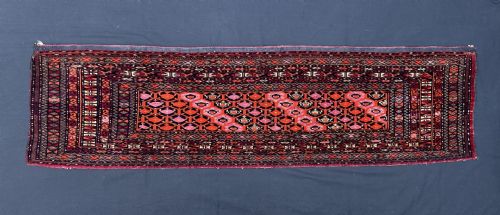
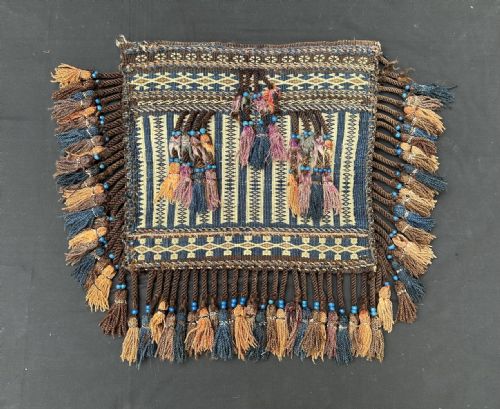
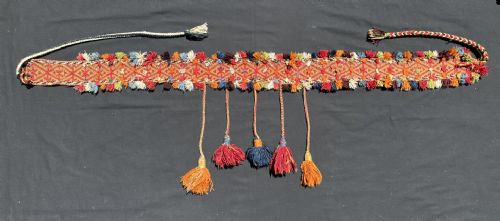
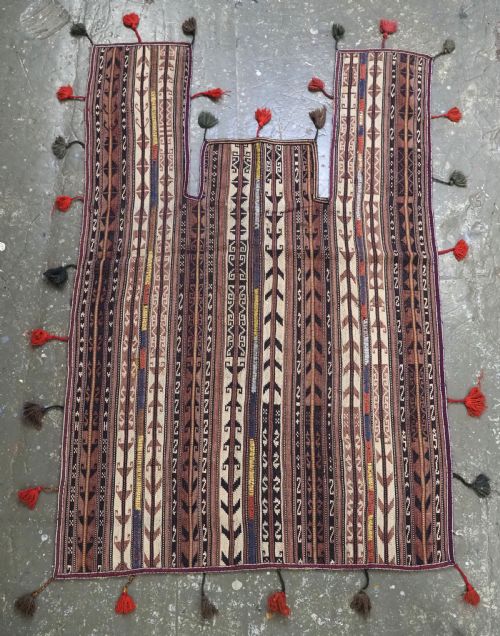
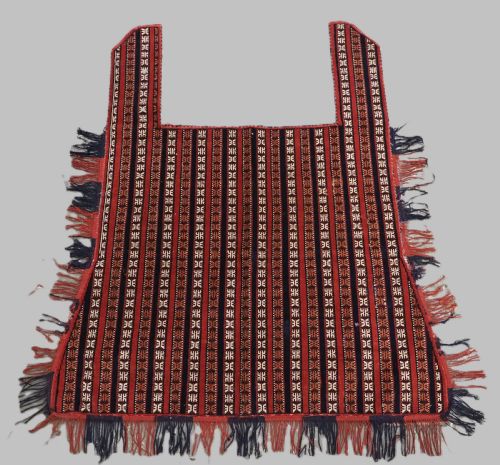
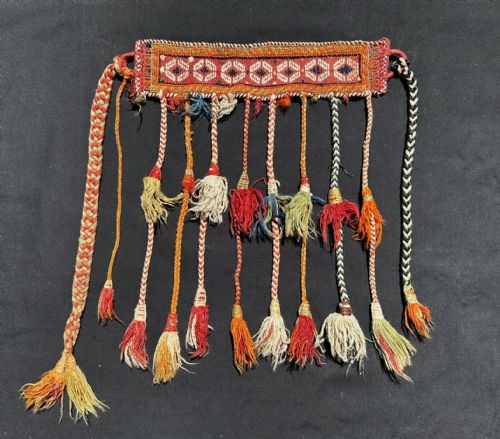
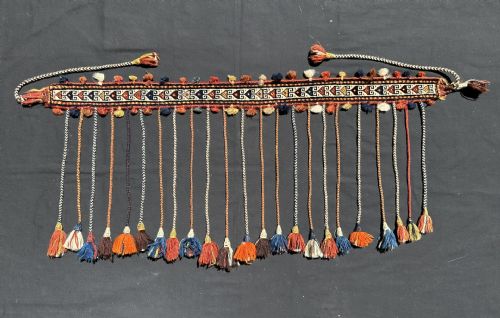
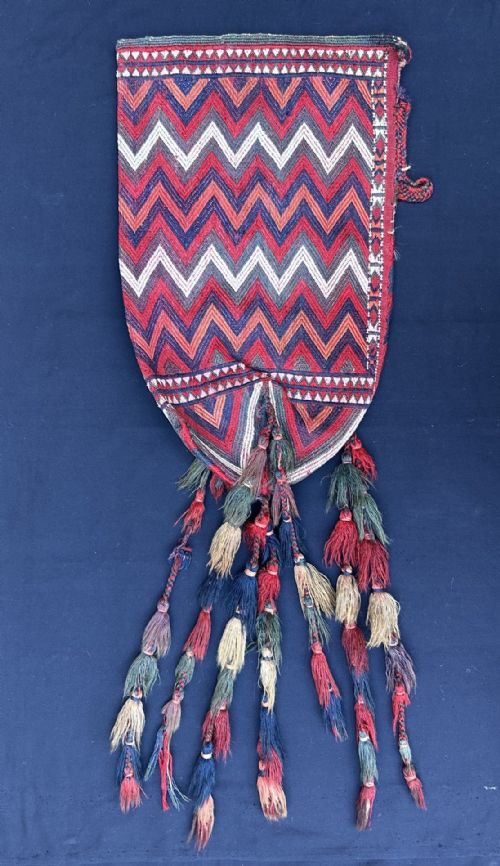
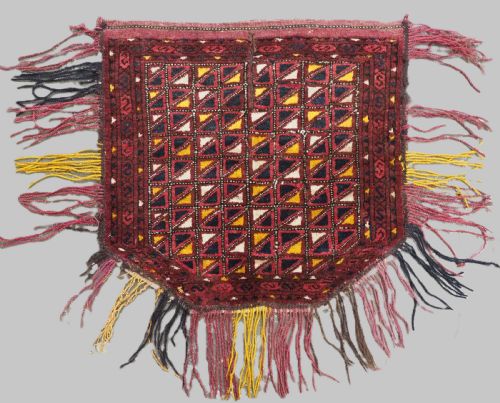
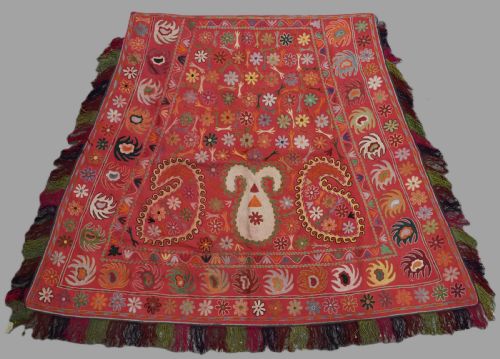
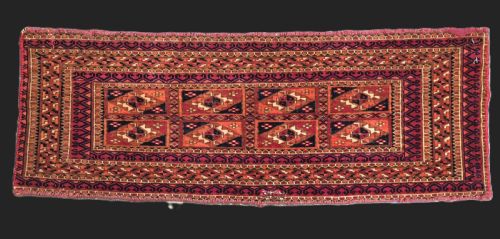
When you search for wool tribal trappings, you uncover nomadic textiles fashioned for horses, camels, and household storage.
Wool Tribal Trappings
Wool tribal trappings encompass utilitarian and ceremonial objects created by nomadic groups across Central Asia, Persia, and Afghanistan during the nineteenth and early twentieth centuries.
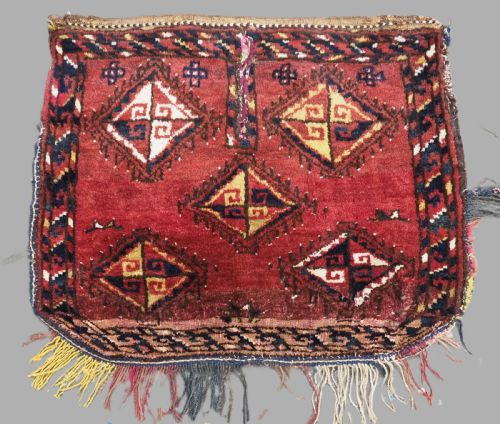
Buyers frequently encounter horse blankets, saddle covers, storage bags, and tent trappings originating from tribes such as the Yomut, Tekke, Ersari, and Qashqa'i.
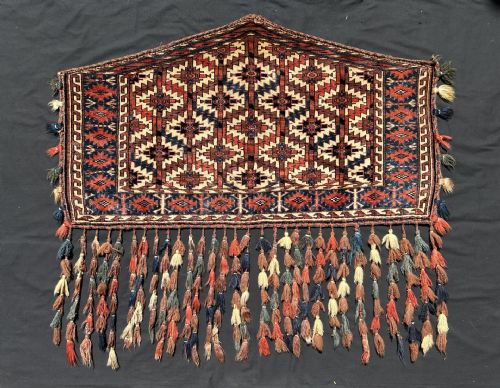
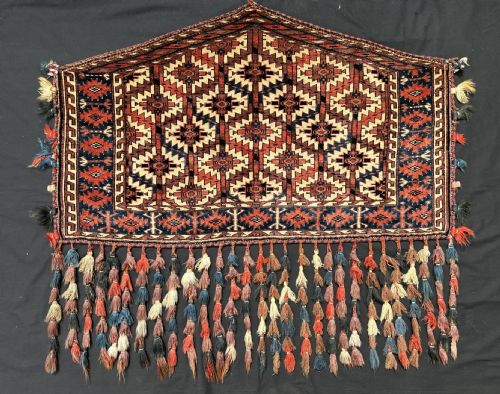
These pieces served practical roles in nomadic migration and daily camp life, while specific formats like asmalyks and torbas fulfilled important ceremonial and dowry functions.
Materials and Construction
Makers utilised resilient wool foundations dyed with natural colourants, often integrating cotton and felted wool structures to withstand heavy use.
Many items incorporate delicate details using silk thread, cotton thread, and glass beads to embellish the primary woven surface.
Weaving techniques range from fine pile knots to intricate embroidery, depending on whether the item was intended for daily transit or ceremonial display.
Listings feature nineteenth and early twentieth-century pieces produced by tribes including the Yomut, Tekke, Ersari, and Qashqa'i.
Factors That Set Examples Apart
The density and fineness of the weave dictate the structural integrity of the textile, with tighter knotting or precise needlework marking superior execution.
Survival of original components such as tassels, hanging loops, and complete backing fabrics greatly influences the integrity of an antique piece.
Visual distinction stems from the clarity of natural dye palettes and the scarcity of specific tribal motifs or tribal group attributions.
The Wool Tribal Trappings Glossary
- Asmalyk
- A ceremonial pentagonal trapping produced by Turkmen groups, traditionally hung on the flanks of a bride's camel during wedding processions.
- Torba
- A small storage bag utilised inside the nomadic tent for possessions, usually featuring a decorated face and a plain back.
- Jollar
- A long tent bag used for household storage, often displaying distinctive tribal gul patterns along its face.
- Gul
- A repeating medallion motif characteristic of Turkmen weaving, serving as an emblem for specific tribes and clans.
- Uk Bash
- A decorative trapping placed over the junction of the wooden yurt frame ribs inside nomadic dwellings.
- Mafrash
- A large rectangular storage bale face used during migration to transport bedding and household goods.
Wool Tribal Trappings: Frequently Asked Questions
What are wool tribal trappings?
These are hand-woven textiles created by nomadic and tribal weavers for animal adornment, transport, and tent storage.
They reflect the traditional aesthetics and practical migration needs of groups across Persia, Central Asia, and Afghanistan.
How were these trappings used?
Nomads utilised them as saddle covers, horse blankets, animal decorations, and household storage containers during daily life and migration.
Specialised formats were also reserved for ceremonial occasions, including weddings and tribal celebrations.
How do I live with them?
Many collectors display these textiles on walls as decorative art or place them on low-traffic surfaces like chests and tables.
They require gentle care, avoiding direct sunlight and heavy foot traffic to preserve the natural wool and delicate thread work.
How can I tell tribes apart?
Different tribal groups utilised distinct structural formats, colour combinations, and specific medallion motifs known as guls.
Examining the weaving technique and regional wool characteristics helps attribute pieces to groups such as the Yomut, Tekke, or Qashqa'i.