


1900s Tribal Weaving
These 1900s tribal weaving examples are handmade rugs, carpets and bags shaped by nomadic traditions, offering genuine character and historic craft for everyday interiors.
1900s Tribal Weaving
When you search for 1900s tribal weaving, you encounter hand-knotted rugs, flatwoven kilims, prayer rugs and utilitarian bags originating from regional nomadic and village groups.
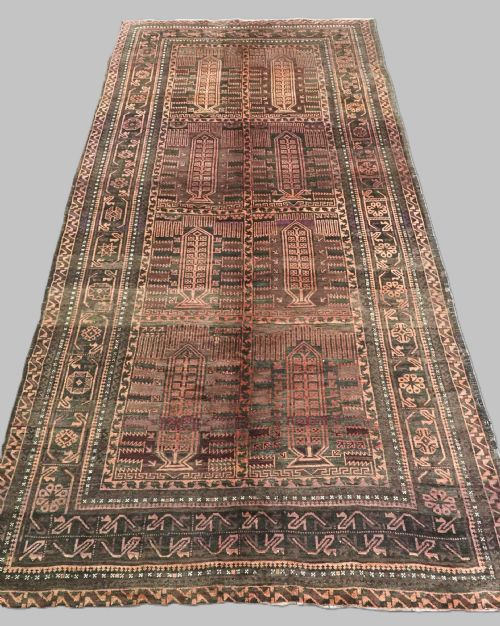
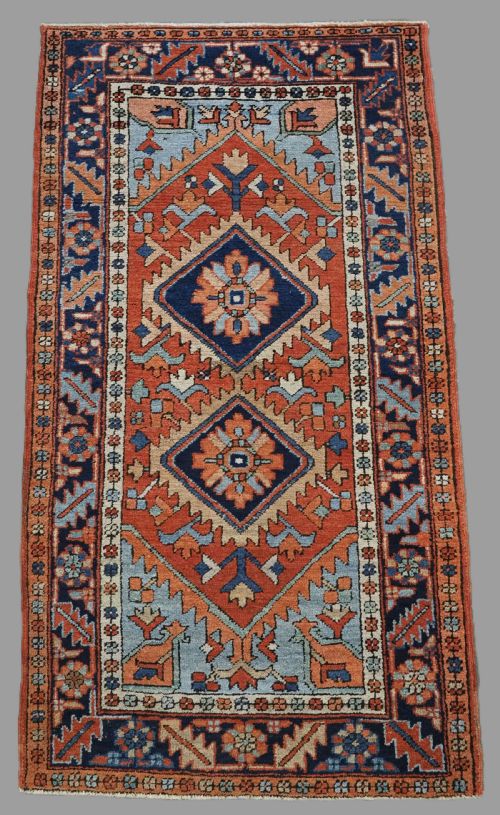
The selection here draws primarily upon Persian tribal, Central Asian, Turkmen, Caucasian and Afghan Baluch traditions dating around 1900 and the late nineteenth century.
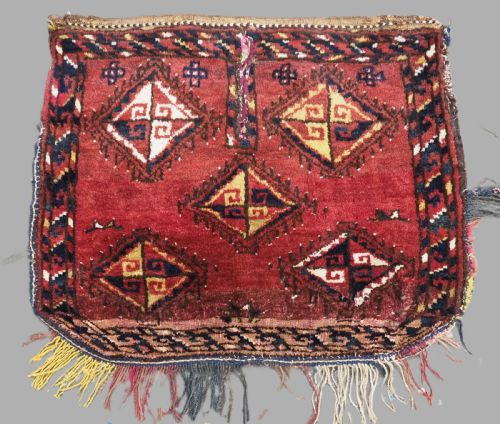
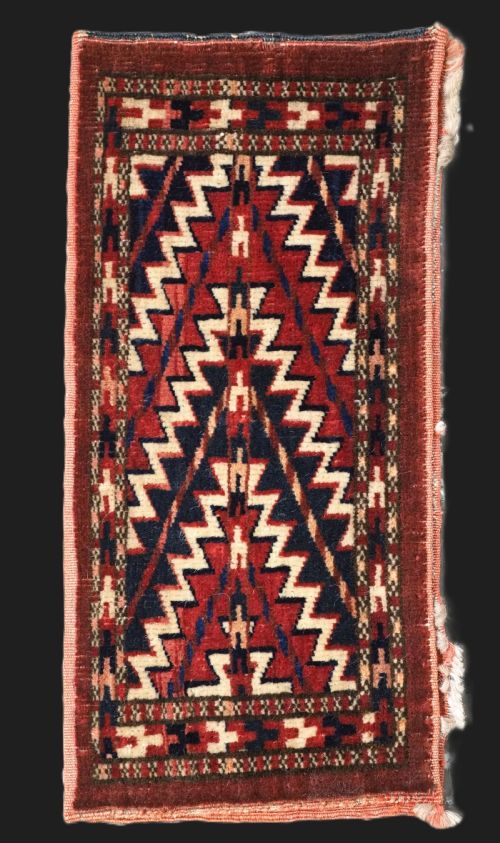
These items range from large room-size carpets and long runners down to small saddle bag faces, spindle bags and complete double saddle bags utilised by pastoralists.
How these pieces were made
Weavers relied principally on wool and hand-spun wool for the pile and foundation structures, occasionally integrating cotton alongside natural dyes to achieve rich regional palettes.
The construction methods combine pile knotting and flatweave techniques, including banded weft work and slit-tapestry weaving seen on kilims and utilitarian bags.
Several pieces on this page began life strapped to the side of a camel or horse before finding a quiet retirement on a wooden floor.
What varies in quality
Quality rests upon the fineness of the weave, the handling of natural dyes, and the clarity of regional design motifs such as guls, boteh patterns and medallion layouts.
Examples also vary by structural completeness, with some pieces surviving as complete saddle bags retaining their original plain weave backs while others remain as fragments or individual faces.
The 1900s Tribal Weaving Glossary
- Gul
- An octagonal medallion or primary tribal motif frequently repeated across Turkmen and Baluch carpets.
- Kilim
- A flatwoven textile produced without a pile, utilised for rugs, covers and storage bags.
- Torba
- A small tribal storage bag traditionally hung inside a yurt or tent, featuring an ornamented face.
- Boteh
- A stylised almond or paisley shaped floral motif commonly found in Caucasian and Persian regional weaving.
- Chuval
- A large tent bag used by nomadic groups for household storage, often displaying multiple guls.
1900s Tribal Weaving: Frequently Asked Questions
What is a tribal saddle bag face?
A saddle bag face is the front decorative panel of a utilitarian double pouch used by nomadic tribes for transport on animals. These panels showcase distinct regional patterns and were often separated from their plain weave backs over time.
Today these pieces function well as small wall hangings or compact floor mats, preserving the primary artistry of the original container without the bulk of the full bag structure.
How do I identify Turkmen tribal rugs?
Turkmen weaving is generally characterised by deep red or madder ground colours and the repeated use of octagonal motifs known as guls. Specific sub-tribes like the Yomut, Tekke and Ersari introduced subtle variations in border designs and secondary ornaments.
These carpets often employ fine wool and dense knotting, reflecting the structured visual language passed down through generations of Central Asian makers.
Where were Baluch rugs made?
Baluch rugs and prayer rugs originated from nomadic and semi-nomadic groups inhabiting the borderlands between modern-day Afghanistan, Iran and Pakistan. They frequently feature darker indigo and deep brown palettes paired with box medallions or lattice designs.
Pieces associated with specific regional groups such as the Timuri or Mahdad Khani often incorporate camel hair accents and crisp geometric drawing.
How should I care for antique wool rugs?
Antique wool rugs benefit from gentle regular vacuuming without rotating brush heads, alongside occasional professional cleaning suited to natural dyes. Keeping them out of direct, prolonged sunlight helps preserve the tones of the natural wool and dyes.
Using a breathable underlay helps secure the textile on hard floors and reduces friction between the foundation threads during everyday use.