



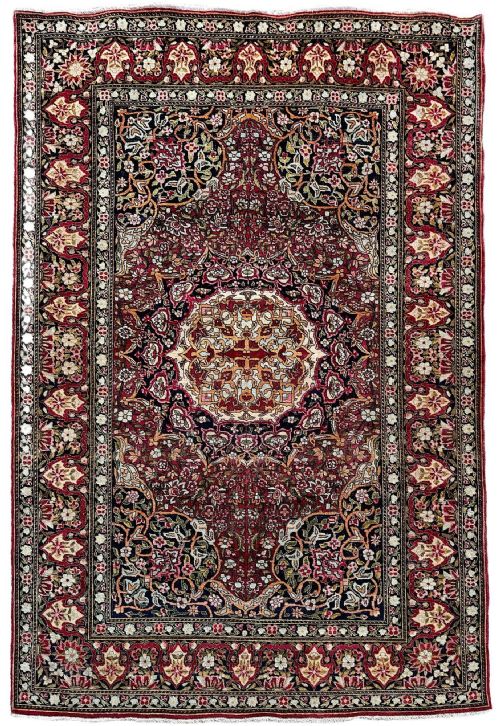
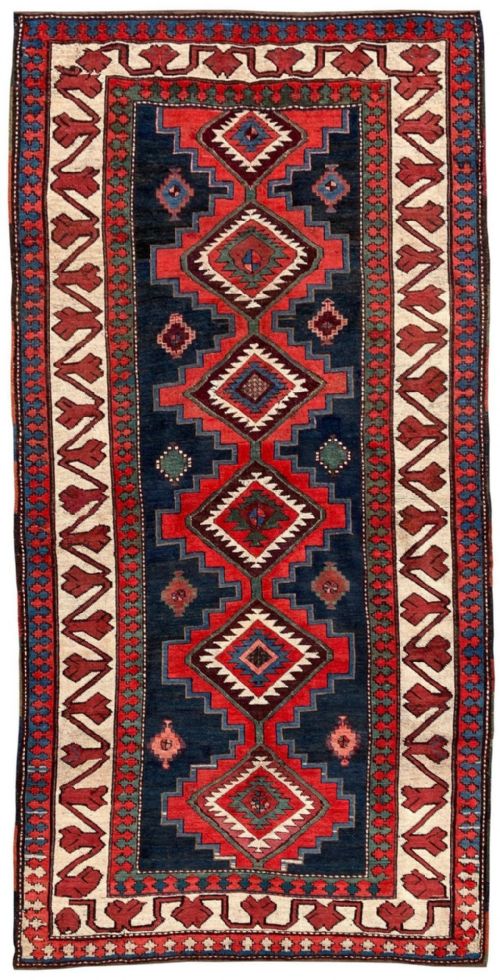
Wool Area Carpet
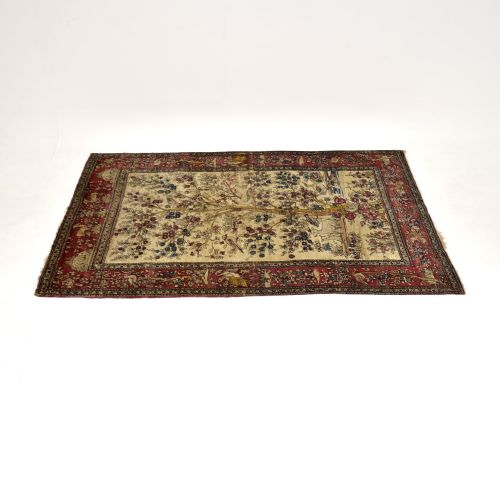
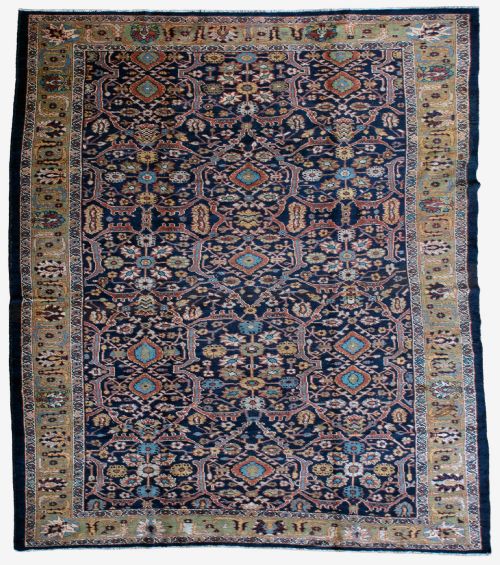
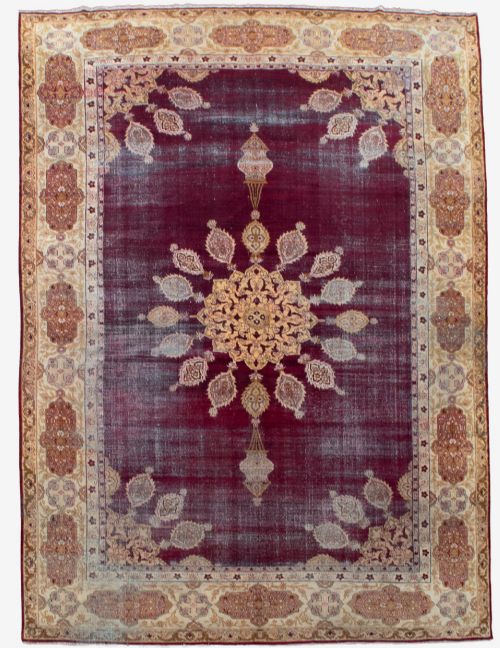
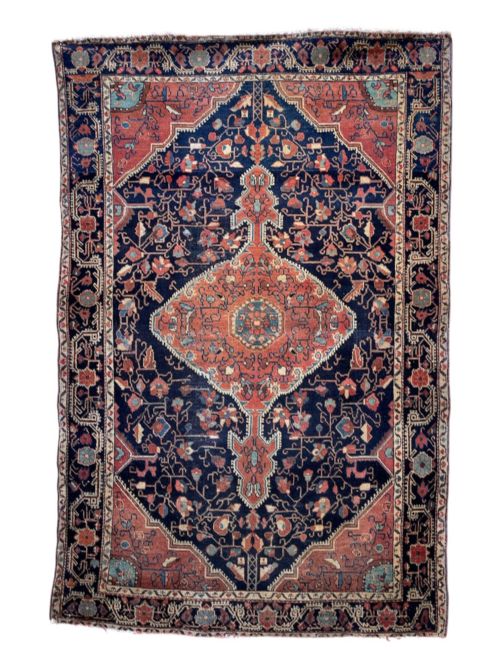
A wool area carpet grounds a room with texture and history, spanning Persian, Caucasian, and Turkmen traditions from the nineteenth and twentieth centuries.
Wool Area Carpet
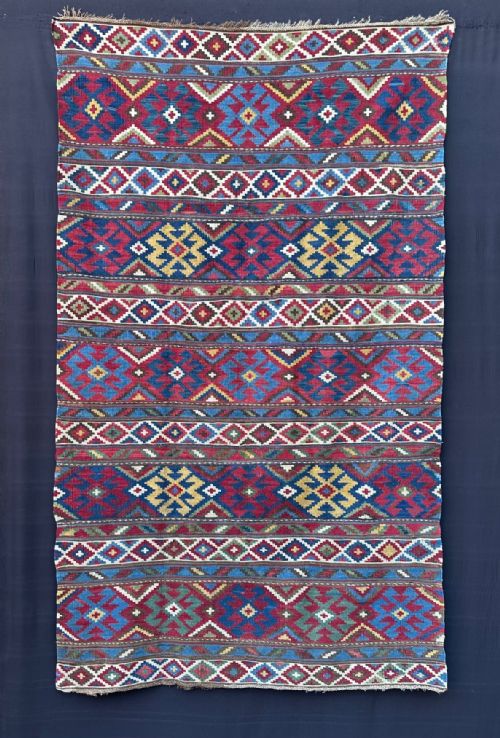
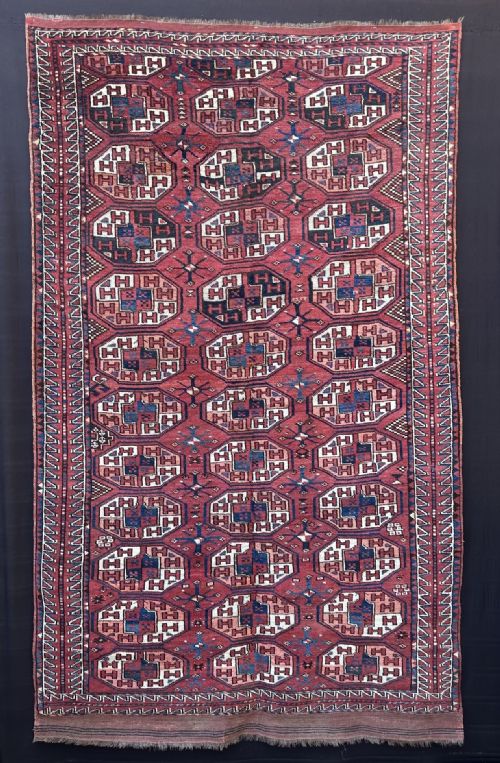
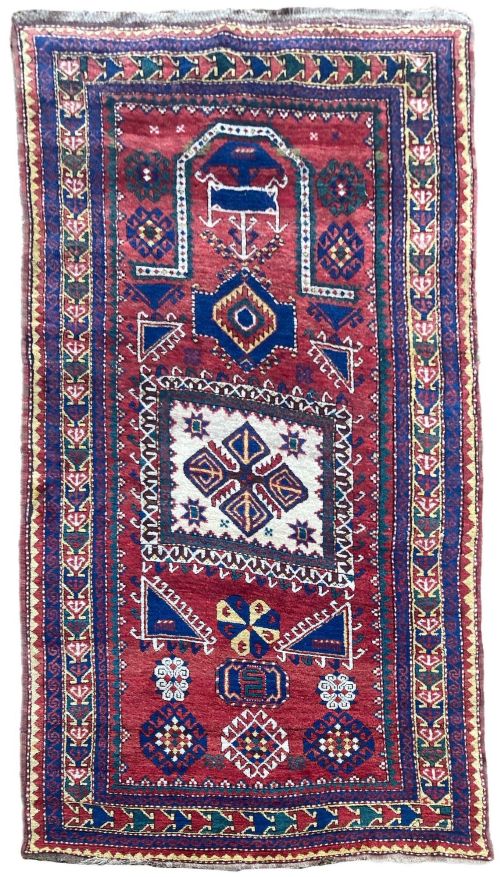
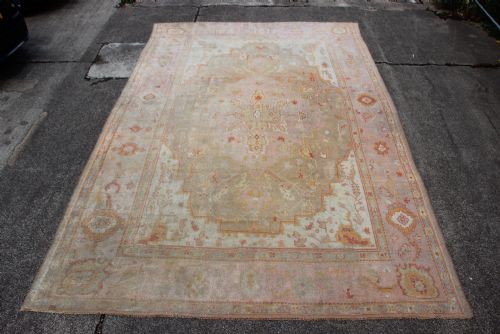
When you search for a wool area carpet, you encounter woven floor coverings originating from Persia, the Caucasus, Turkmenistan, Turkey, Afghanistan, and Tibet. These textiles arrive in various formats, including main carpets, runners, prayer rugs, and kilims.
The selections span from the nineteenth century into the twentieth century, encompassing tribal works like Baluch and Kazak pieces alongside city-woven Persian carpets such as Isfahan and Saroukh. Most examples rely on traditional regional motifs passed down through generations of weavers.
You are most likely to meet room-sized carpets and smaller hearth rugs utilising durable wool pile. Each piece reflects the specific cultural geometry and palette of its origin, from Caucasian tribal panels to grand country house carpets.
What varies in quality
The distinction between tiers rests upon knot density, precision of the weave, and the integrity of the materials. Finely spun wool and sophisticated natural dye schemes elevate certain regional carpets above standard village productions.
Design execution and structural balance also separate standard examples from masterworks. The clarity of tribal geometry or the finesse of city workshop floral patterns dictates the standing of each carpet.
Wool Area Carpet Retail Price Guide 2026
Typical asking prices for wool area carpet among the pieces listed under this phrase on Sellingantiques today, from the lower quarter to the upper quarter. They describe what is for sale here now, not the wider market.
Current listings feature pieces spanning the 1870s to the 1930s, utilising wool, cotton, and silk.
The Wool Area Carpet Glossary
- Kilim
- A flat-woven carpet or rug produced without a pile. These pieces rely on interlocking weft techniques to create sharp geometric patterns.
- Prayer rug
- A small carpet featuring a mihrab or niche design. Historically, worshippers used these textiles to designate a clean space for daily prayers.
- Mihrab
- The arched design element found on prayer rugs that mimics the prayer niche in a mosque. This motif points toward Mecca during devotional use.
- Natural dye
- Colourants derived from plants, insects, and minerals rather than synthetic chemicals. These dyes produce harmonious colour variations that develop a rich patina over time.
- Warp
- The stationary vertical threads stretched across a loom that form the structural foundation of the carpet. Wefts and knots are secured around these parallel strands.
Wool Area Carpet: Frequently Asked Questions
Where were these carpets made?
These carpets originate from traditional weaving centres across Persia, the Caucasus, Turkey, Turkmenistan, Afghanistan, and Tibet. Each region developed distinct structural methods and symbolic visual vocabularies.
Tribal groups and village workshops produced smaller utility rugs and prayer carpets, while major cities supported larger commercial ateliers crafting intricate room-sized floor coverings.
How do I care for a wool carpet?
Vacuum your wool area carpet regularly with a suction-only attachment to prevent dirt accumulation within the pile. Avoid using rotary brush heads that can pull at the hand-spun fibres.
Professional cleaning tailored for antique textiles is essential every few years. Keep the carpet out of direct, prolonged sunlight to protect the natural dyes from fading.
How do I identify a tribal rug?
Tribal rugs display geometric motifs, bold primary colours, and asymmetrical designs reflecting nomadic heritage. These pieces often feature symbols inspired by local flora, fauna, and tribal history.
Unlike city-woven carpets with precise floral curves, tribal examples exhibit charming irregularities in their weave and spontaneous shifts in colour palettes.
Can I use these carpets in high traffic areas?
Wool possesses natural lanolin that resists stains and provides durable resilience under foot traffic. Many of these historical carpets were built for daily domestic use and withstand regular walking.
Placing a quality rug underlay beneath the carpet prevents slipping and reduces friction against the floorboards, extending the lifespan of the antique fibres.