


Wool Accent Carpet
A wool accent carpet anchors a room with texture and history, bringing the woven traditions of Persian, Anatolian, and Caucasian workshops to your floor.
Wool Accent Carpet
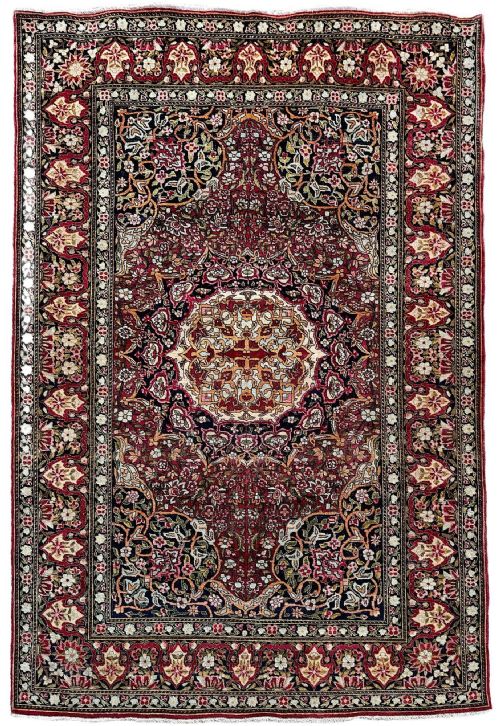
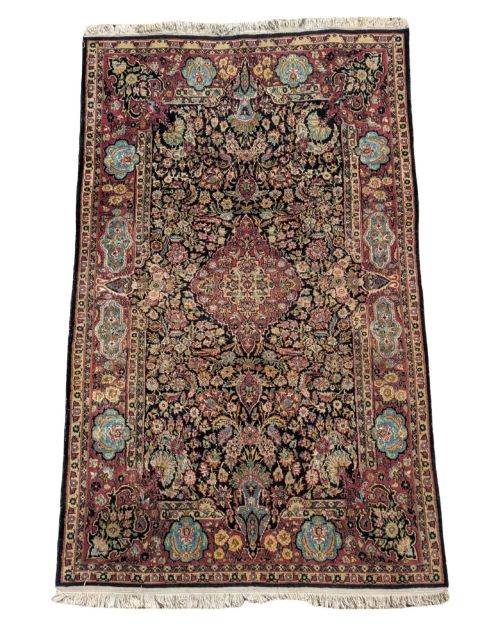
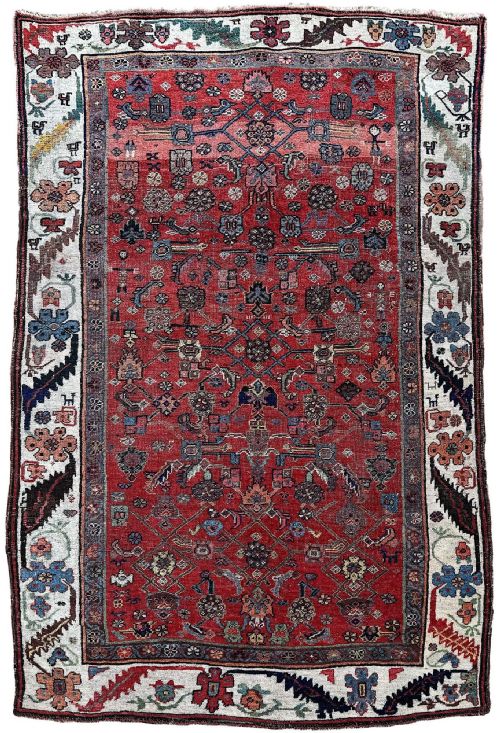
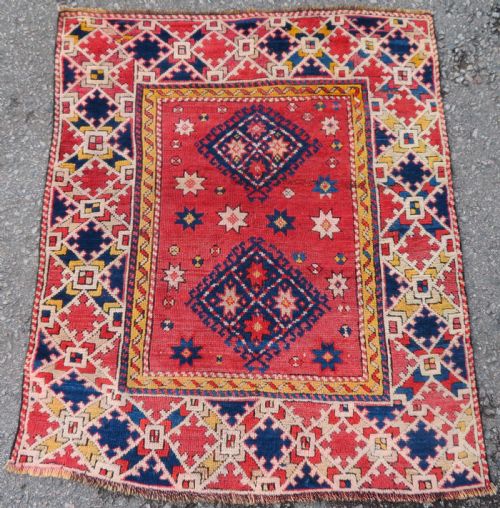
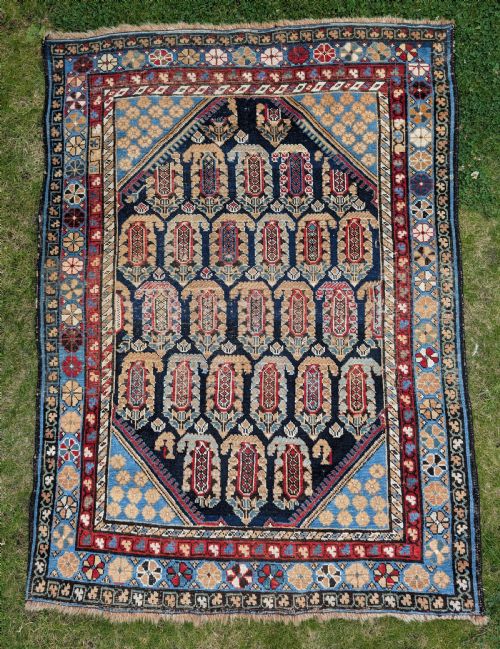
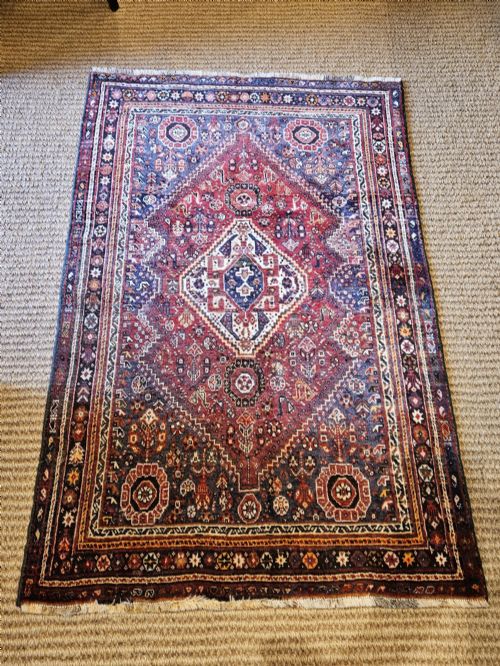
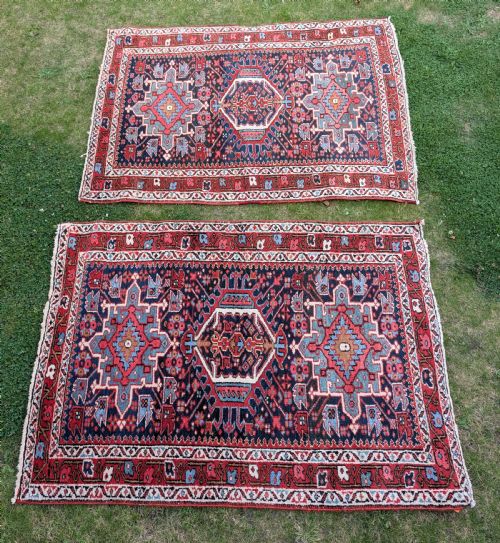
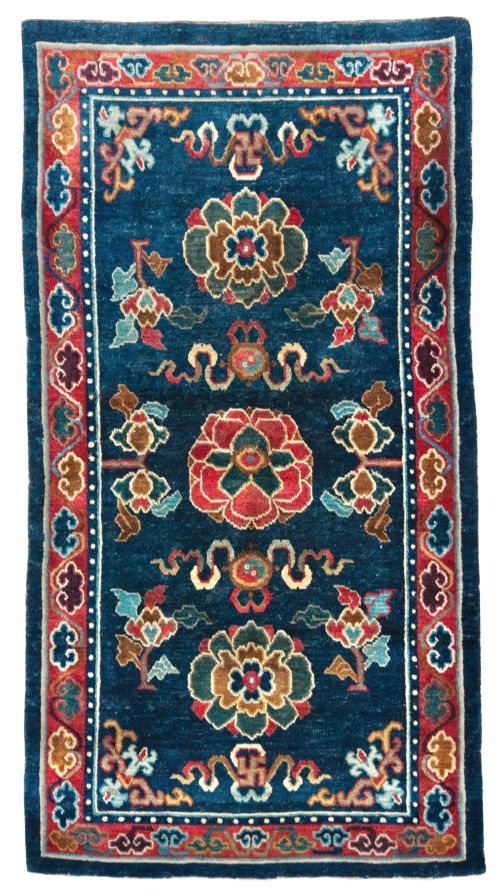
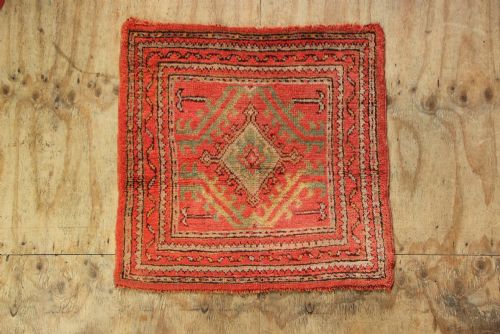
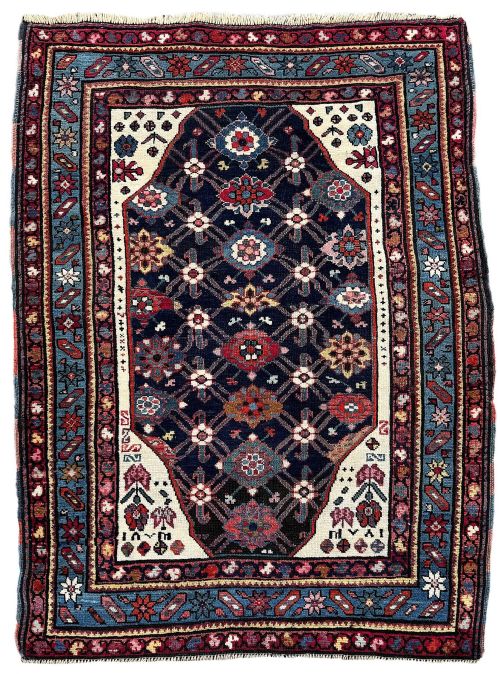
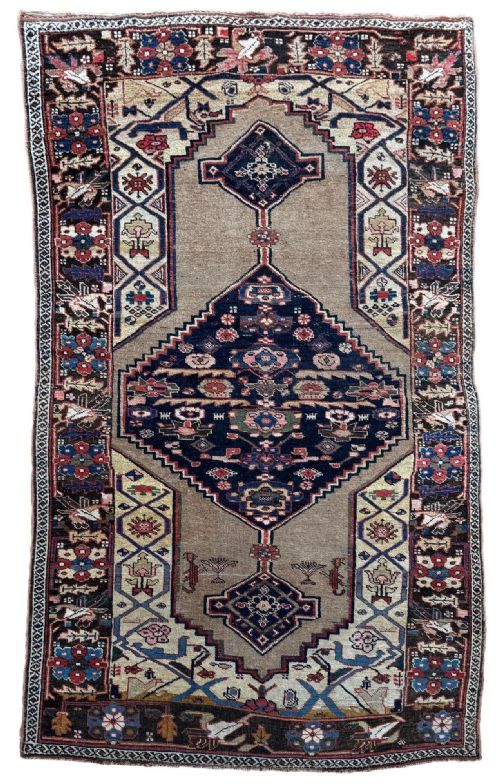
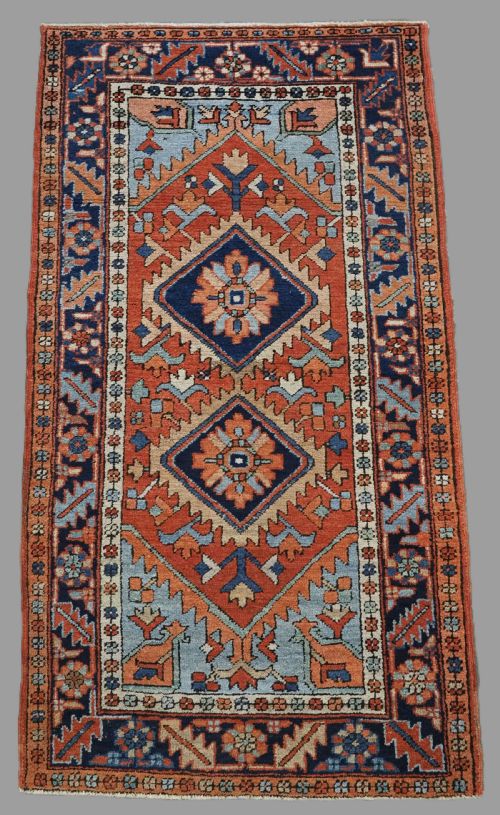
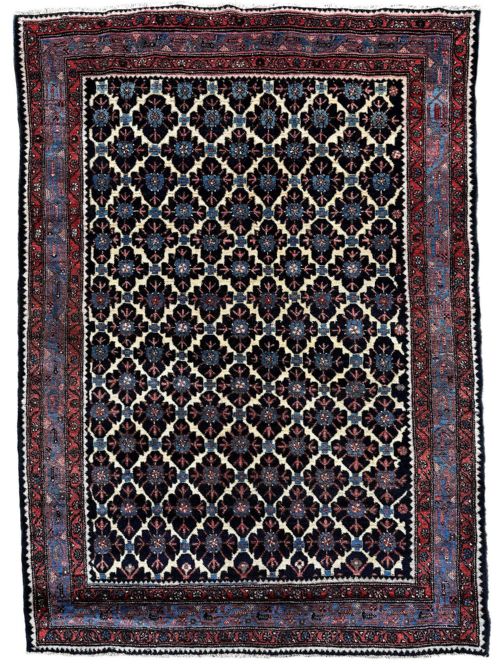
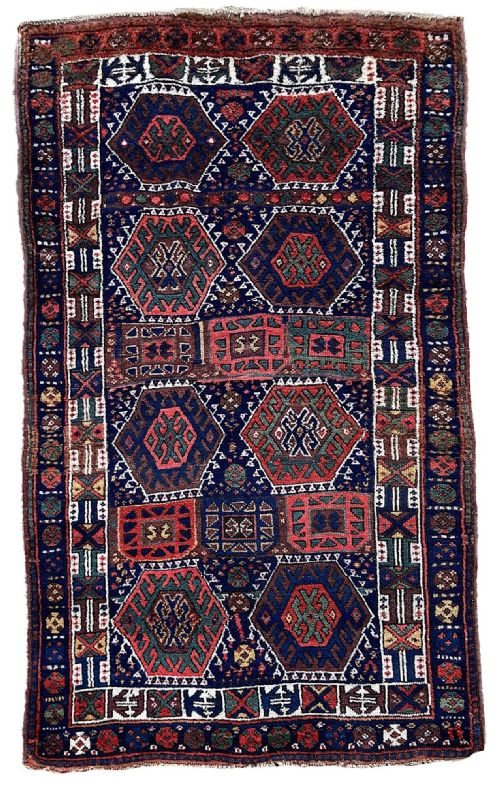
A wool accent carpet is a smaller floor covering or rug selected to define a specific zone within a room. When you examine a wool accent carpet, you find formats ranging from compact squares and prayer rugs to modest rectangular runners.
The selections span tribal and village origins across Persia, the Caucasus, and Turkey. Pieces date from the nineteenth century into the early decades of the twentieth century, reflecting traditional regional motifs.
How they were made
Makers constructed these pieces using natural materials including wool, cotton warps, and occasionally silk highlights. Many examples incorporate hand-spun wool dyed with natural substances.
Some nineteenth-century prayer carpets preserve the distinct ram's horn motif worked into the mihrab arch.
What varies in quality
Knot density and structural tightness determine the crispness of the geometric or floral pattern. Finer density allows intricate motifs to remain sharp and legible across the surface.
The depth and variation of natural dyes influence visual longevity. Subtle shifts in colour over time contribute to a softer patina.
The Wool Accent Carpet Glossary
- Cotton Warp
- The longitudinal foundation threads of cotton that provide structural stability to the woven field. These threads carry the tension on the loom.
- Natural Dyes
- Colourants derived from plants, insects, and minerals rather than synthetic compounds. They yield rich, organic hues that age with subtle tonal variation.
- Prayer Rug
- A format featuring a mihrab or niche design historically used for personal devotion. The pointed arch motif directs the visual focus toward one end.
- Silk Highlights
- Accents woven in silk within a wool pile to catch the light and add luminosity to specific details. This technique emphasises key elements of the design.
Wool Accent Carpet: Frequently Asked Questions
Where should I place an accent rug?
These smaller formats suit spaces requiring concentrated texture, such as beside a bed, in front of a fireplace, or beneath a reading chair.
Their scale allows them to define functional zones within larger timber or stone flooring without overwhelming the room.
How do I care for antique wool carpets?
Regular gentle vacuuming without a beater bar removes surface grit from the wool pile. Professional cleaning maintains the natural lanolin in the fibres.
Keep woven pieces out of direct, prolonged sunlight to protect the natural dyes from fading unevenly.
What is a tribal rug?
Tribal rugs are woven by nomadic or village communities relying on generational patterns rather than urban workshop cartoons. These designs often feature geometric medallions and symbolic motifs.
Such pieces reflect the specific regional heritage and local materials available to the weavers.
How do I identify village rugs?
Village rugs display slightly irregular geometries and spontaneous colour choices compared to formal city workshop carpets. They use materials like hand-spun wool and cotton warps specific to their district.
Common origins include regions such as Heriz, Karaja, and Hamadan, each possessing distinct palette characteristics.