


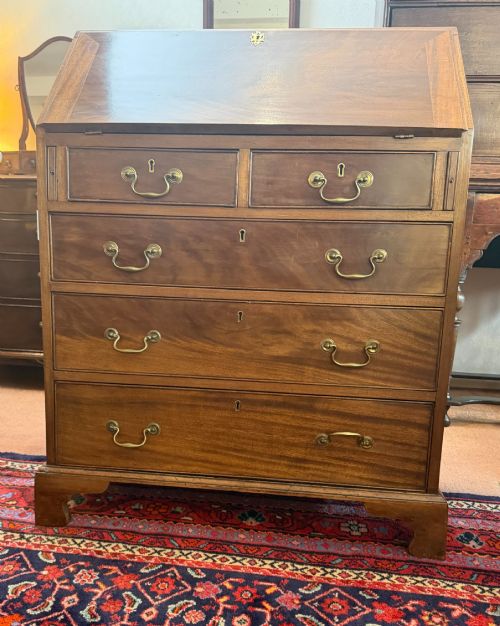
Wooden Writing Desk
A wooden writing desk brings traditional craftsmanship and practical workspace together, offering lasting utility for any study.
Identifying a wooden writing desk
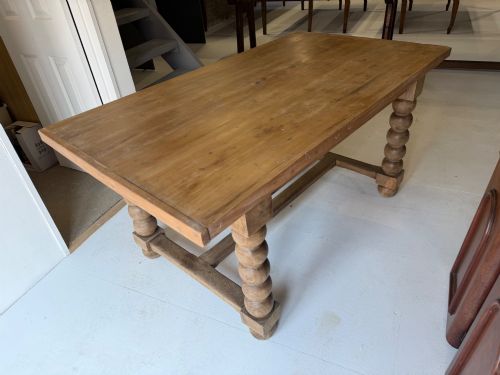
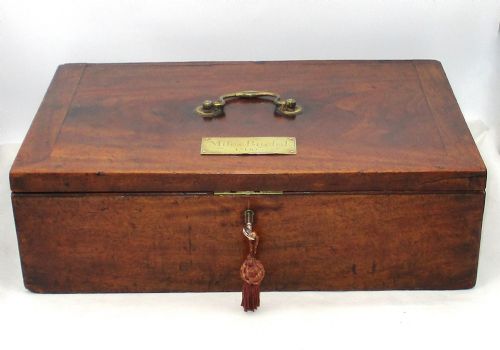
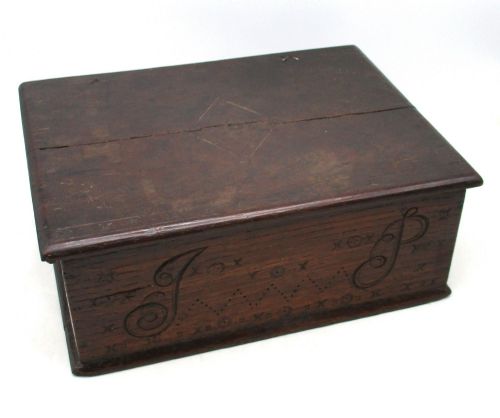
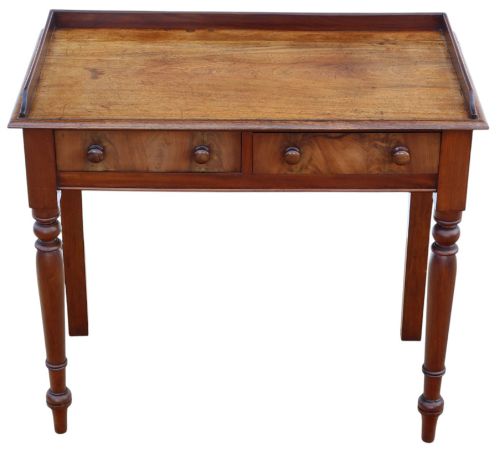
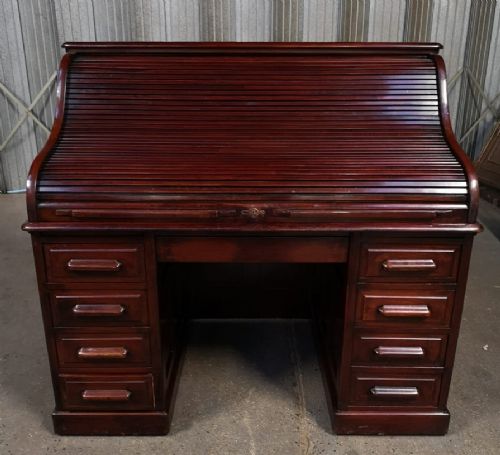
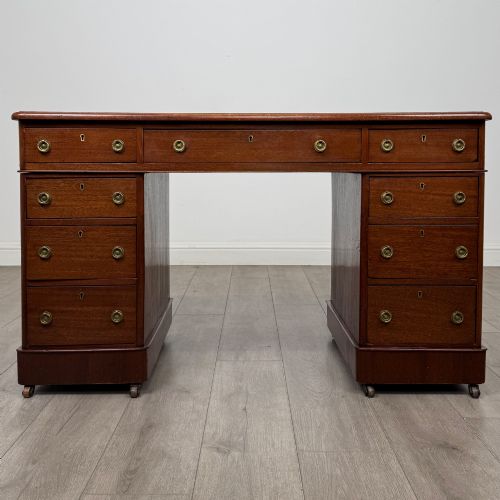
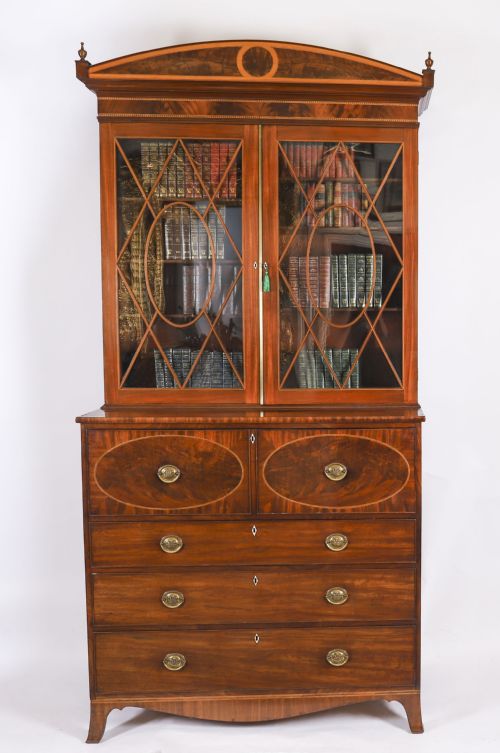
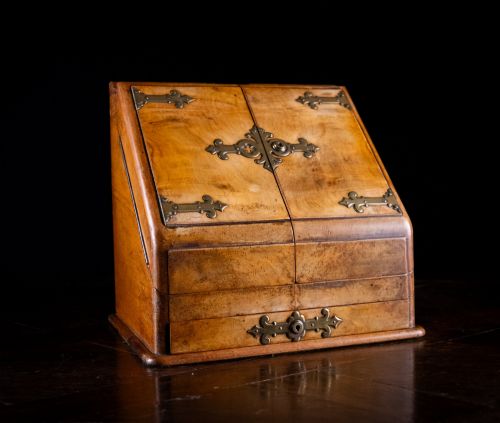
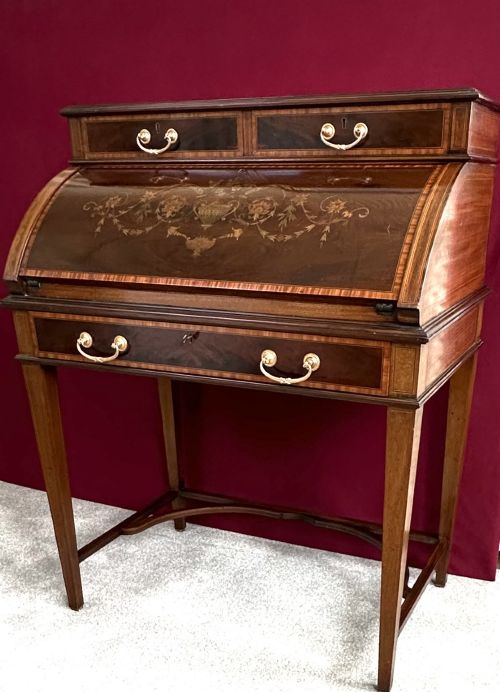
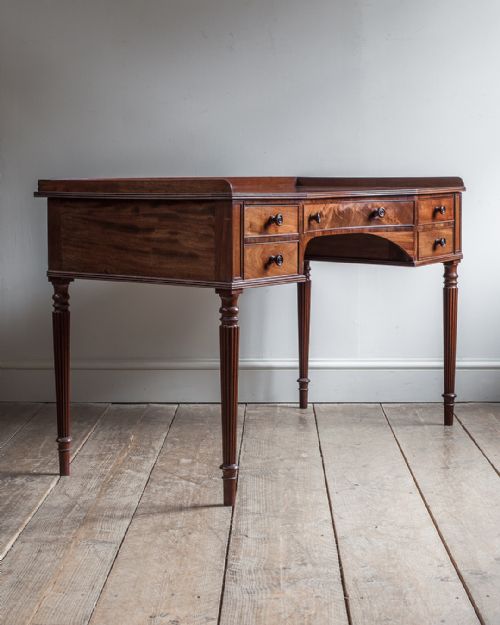
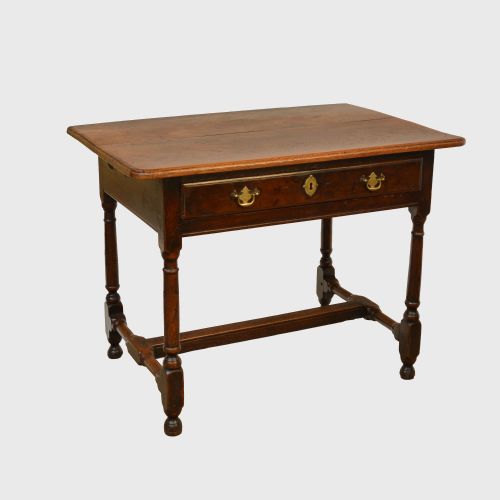
A wooden writing desk encompasses various forms designed for correspondence and study, appearing in multiple historic styles across this selection. Buyers find pieces ranging from compact children's versions to large pedestal formats, reflecting diverse domestic requirements.
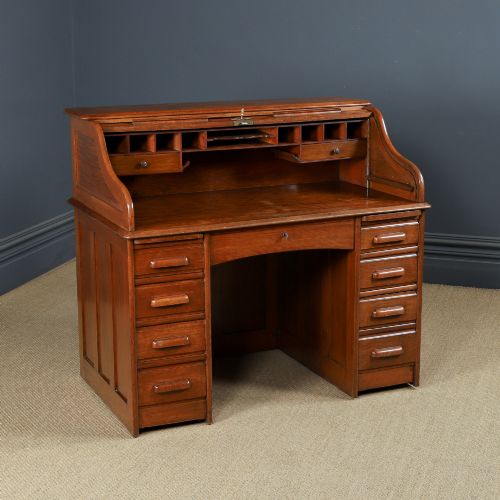
The Victorian period dominates the available examples, supplemented by early twentieth-century designs and revival pieces. Common configurations include writing tables, pedestal desks, bureaus, and Dickens desks.
Mahogany and oak serve as the primary timbers, frequently accompanied by fitted drawers and leather writing surfaces. These furnishings connect modern interiors with nineteenth and early twentieth-century manufacturing traditions.
Construction and materials
Cabinet makers utilised dense hardwoods such as mahogany and oak to build the primary structures of these writing furniture pieces. These timbers provided the necessary strength for daily use while accepting fine polished finishes.
Secondary details incorporated brass hardware and inset writing surfaces made from leather or leatherette. Drawers were integrated into the framework to provide storage for stationery and writing instruments.
Retail Price Guide 2026
Typical UK retail prices for wooden writing desk, calculated from the Sellingantiques database of over a million retail prices indexed since 2003. This retail price guide relies exclusively on Sellingantiques data; no external sources or auction records are used, so the figures do not describe the wider market.
The listings incorporate Victorian, early Victorian, and late Victorian periods, alongside early twentieth-century examples up to the nineteen-twenties.
Judging quality in a wooden writing desk
Quality differentiates through the selection of timber and the precision of the joinery within the drawer construction. Superior examples display carefully matched wood grain and robust internal framing that withstands decades of regular operation.
The refinement of brass fittings and the execution of turned or panelled details separate standard utility pieces from finer examples. Finer surfaces retain well-executed polish that highlights the natural figure of the mahogany or oak.
The Wooden Writing Desk Glossary
- Pedestal desk
- A heavy writing desk supported by two banks of drawers resting on the floor, providing substantial storage beneath the top surface. These large pieces typically feature central kneeholes for seating.
- Writing bureau
- A desk featuring a sloping fall-front flap that opens to reveal internal compartments and pigeonholes for correspondence. When closed, it conceals the writing materials from view.
- Dickens desk
- A large partner's or single-sided writing desk featuring a raised superstructure of small drawers and pigeonholes above the main writing surface. It is named after the traditional arrangement associated with nineteenth-century clerks and authors.
- Mahogany
- A durable tropical hardwood valued for its rich reddish-brown colour and stability in furniture construction. It became the dominant timber for high-quality nineteenth-century cabinet making.
- Kneehole
- The recessed central space beneath a desk top that accommodates the user's legs while seated. This architectural feature often includes a small cupboard or drawer set back beneath the writing surface.
Frequently Asked Questions
What defines a Victorian writing desk?
A Victorian writing desk is characterised by nineteenth-century construction methods using timbers like mahogany and oak, often featuring hand-dovetailed drawers and brass hardware. These pieces reflect the domestic and professional requirements of the era through various formats including pedestal desks and writing tables.
Buyers often encounter distinct regional variations and stylistic sub-periods within this broad category, ranging from early nineteenth-century tables to later revival designs. Their enduring construction allows them to function effectively in modern interiors.
How do I care for a mahogany desk?
Maintaining a mahogany desk requires avoiding excessive moisture and direct sunlight, which can fade the traditional polished finish over time. Regular dusting with a soft cloth preserves the timber's natural lustre without building up chemical residues.
Leather writing surfaces benefit from periodic cleaning with specialised conditioners to prevent drying and cracking. Gentle handling of brass handles and drawer runners ensures the longevity of the original mechanics.
What is the difference between a bureau and a table?
A writing table provides an open, flat surface supported by legs with integrated drawers beneath the top. This open format offers immediate access to workspace without supplementary enclosures.
In contrast, a bureau incorporates a sloping lid that folds down to create a writing surface while concealing interior compartments. This enclosed design keeps correspondence and stationery organised out of sight.
How can I date an antique desk?
Dating an antique desk involves examining the timber species, construction techniques, and hardware styles characteristic of specific periods. Nineteenth-century pieces typically display hand-cut joinery and traditional polishing methods that differ from later manufacturing processes.
Cabinet makers' marks, lock manufacturers' stamps, and overall design proportions also provide reliable indicators of age. Comparing these physical traits with documented examples helps establish an accurate timeline.