




Wooden Wine Cooler Bucket
A wooden wine cooler bucket is a historic vessel designed to chill bottles at table or hold peat and ash by the hearth.
Wooden Wine Cooler Bucket
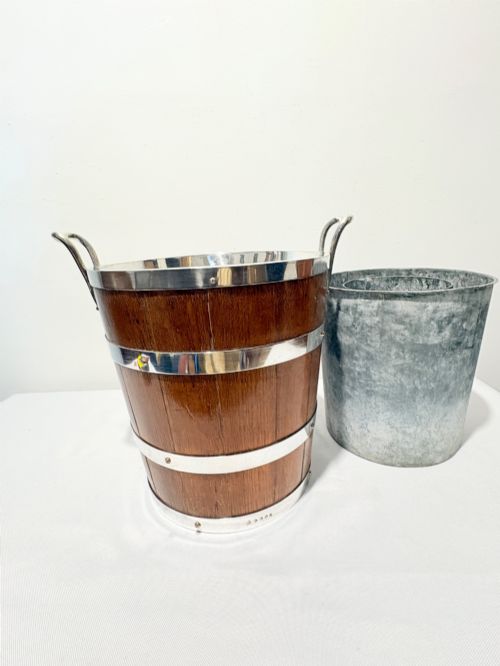
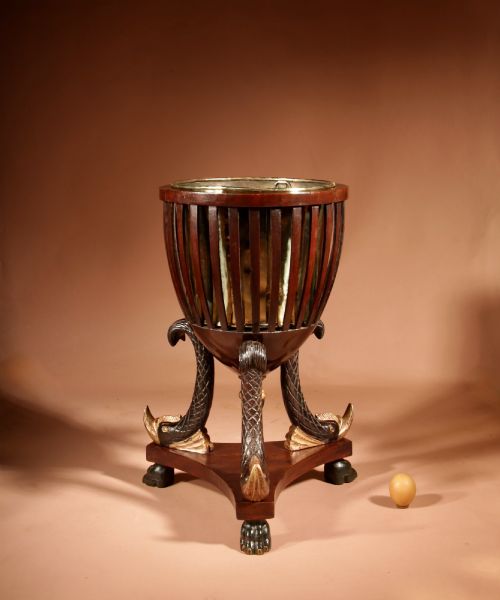
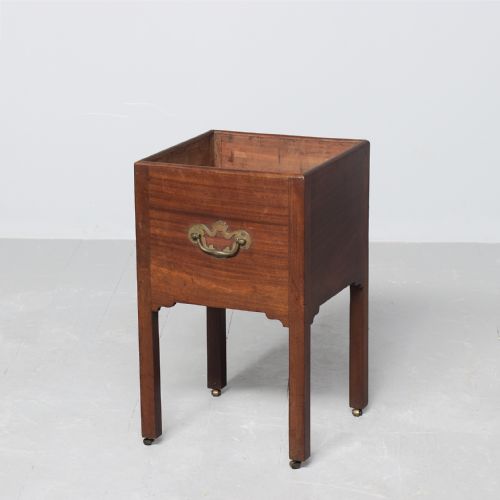
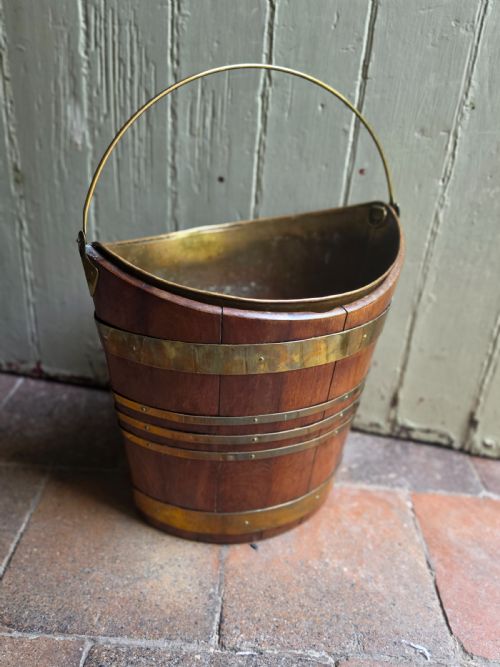
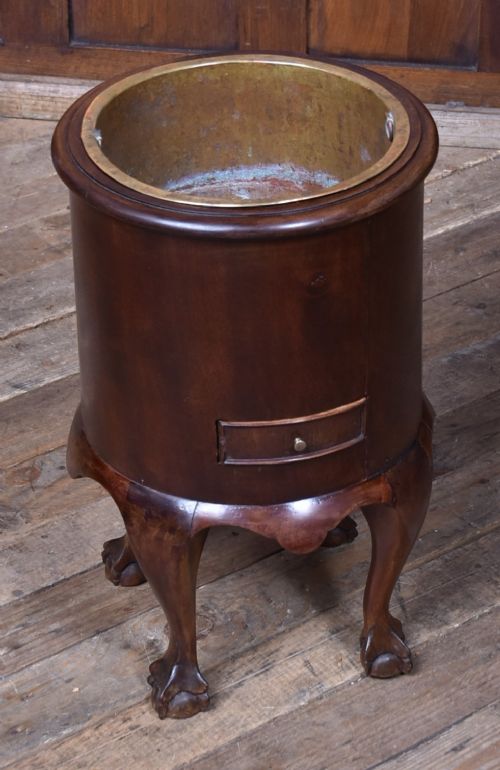
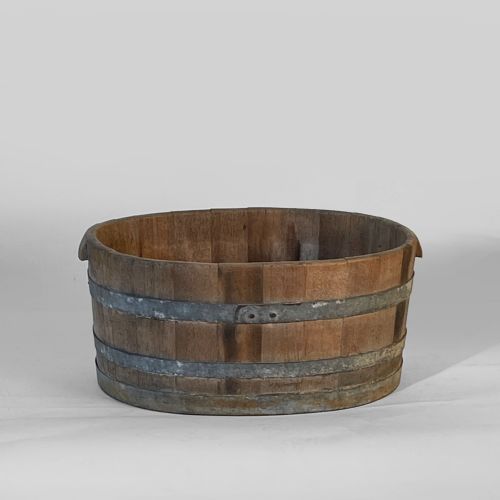
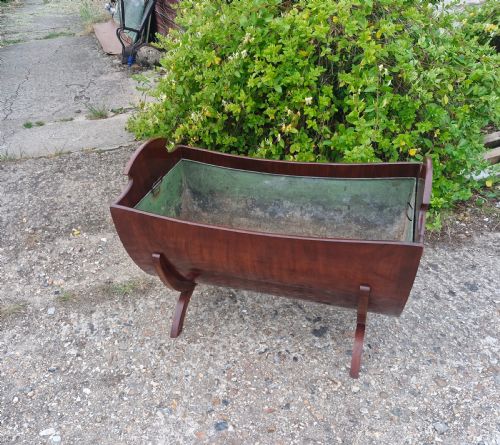
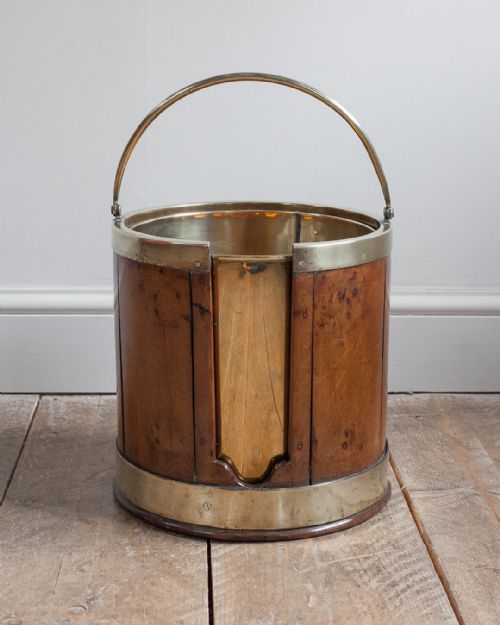
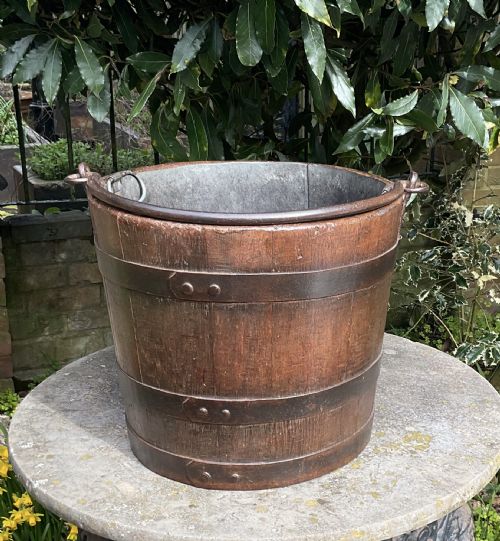
A wooden wine cooler bucket is a traditional vessel encountered across various historic periods, ranging from eighteenth-century George III examples to twentieth-century Edwardian pieces. These items appear in forms such as cellarettes, jardinières, peat buckets, and tea stoves, reflecting dual domestic uses for dining and hearthside warmth. The selection on this page centres heavily on mahogany, oak, and walnut bodies augmented by metal components.
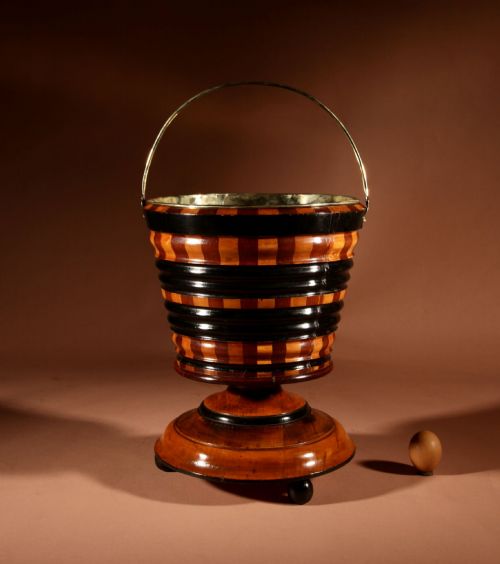
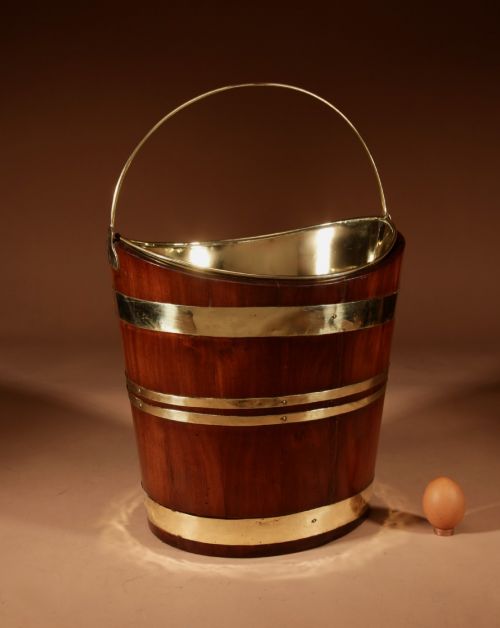
Makers produced these containers in distinct regional styles, including Dutch traditional coopered vessels alongside English Georgian and Victorian forms. Many pieces double as planters or log baskets due to their durable construction and waterproof linings. Buyers encounter round, oval, and boat-shaped profiles spanning the nineteenth century and earlier eras.
How they were made
Woodworking workshops relied on traditional cooperage techniques, shaping individual staves of mahogany, oak, walnut, or teak to form sturdy cylindrical and tapered bodies. Artisans locked these wooden staves together using tight joints and secured them with external bands of brass, copper, or iron. Metal liners in brass, zinc, or copper protected the wood from moisture when holding ice, wine bottles, or damp peat.
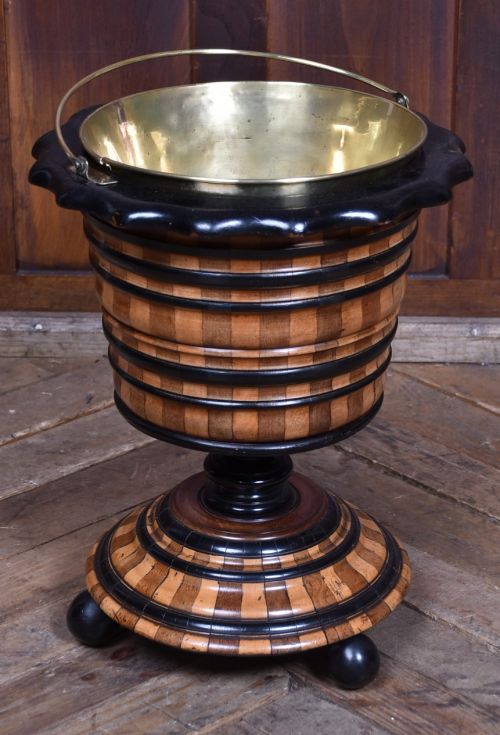
Craftsmen utilised turning and carving methods for handles, stands, and decorative mouldings on pieces from the Georgian, Victorian, and Edwardian eras. Ebonised wood and specific inlays appear on select Dutch and English examples to create contrasting surface details. Riveted or soldered metal fixtures completed the construction, ensuring the vessels remained watertight for daily use.
The selection includes forms originating from English workshops as well as Dutch traditional and colonial design traditions.
What varies in quality
The standard of timber selection and the precision of the cooperage define the upper tier of these vessels. Fine pieces display well-figured mahogany or walnut grain with tightly fitted staves that maintain their structural integrity over centuries. Inferior examples show less careful wood matching and simpler joinery.
The quality and weight of the metal hardware - such as heavy brass bands, drop handles, and original liners - distinguish superior items. Pieces retaining their fitted metal inserts and original stands demonstrate greater authenticity and better preservation than those altered or stripped of their internal components over time.
The Wooden Wine Cooler Bucket Glossary
- Coopered
- Made by a cooper using curved wooden staves joined together to form a hollow vessel. This method provides natural strength and expansion resistance for liquid-holding containers.
- Cellarette
- A lockable container used to store wine bottles near the dining table. These often take the form of large coopered buckets or standing cabinets from the Georgian period.
- Jardinière
- An ornamental pot or stand designed to hold growing plants or flowers. Many historic wine buckets and peat buckets were later adapted for this domestic purpose.
- Teestoof
- A traditional Dutch foot warmer or tea stove containing a metal ember container. These frequently share the coopered bucket form seen in wine coolers.
- Schuitje
- A boat-shaped vessel or peat bucket originating from the Netherlands. These feature distinctive curved profiles resembling small watercraft.
Wooden Wine Cooler Bucket: Frequently Asked Questions
What is a wooden wine cooler bucket used for?
These vessels were historically utilised at the dining table to hold ice and chill wine bottles during meals. Their watertight metal liners kept melting ice contained while protecting the exterior wood.
Over time, many of these containers found alternative purposes as planters, log baskets, or decorative umbrella stands in country houses. Their robust construction allowed them to transition easily from dining rooms to hearthside settings.
How do I identify a Georgian wine cooler?
Georgian examples typically feature rich mahogany timbers, precise dovetail or coopered joinery, and substantial brass binding. They often rest on dedicated stands or feature classic brass drop handles.
Examining the interior reveals period metal liners, such as zinc or brass inserts, designed to hold ice. The patination of the wood and the fastening methods help confirm eighteenth-century origins.
What is the difference between a wine cooler and a peat bucket?
Wine coolers were designed specifically for holding bottles and ice during formal dining, often featuring internal compartments or dedicated stands. Peat buckets, particularly Dutch tea stoves, were built to hold fuel for hearthside warming.
Despite their original functions, both types share similar coopered wooden construction and metal linings. This overlapping design often leads to them being utilised interchangeably as decorative jardinières today.
Are these buckets waterproof?
Most surviving examples retain their original metal liners made from brass, copper, or zinc. These internal linings were soldered or fitted to hold water, ice, or damp soil securely.
Buyers should inspect the interior liner condition, as historic dampness can affect both the metal and the surrounding wood staves. Many pieces remain entirely suitable for holding potted plants or ice when properly lined.