




Antique Champagne Cooler Tub
An antique champagne cooler tub brings gravitas to any gathering, combining historical craftsmanship with practical service.
Antique Champagne Cooler Tub
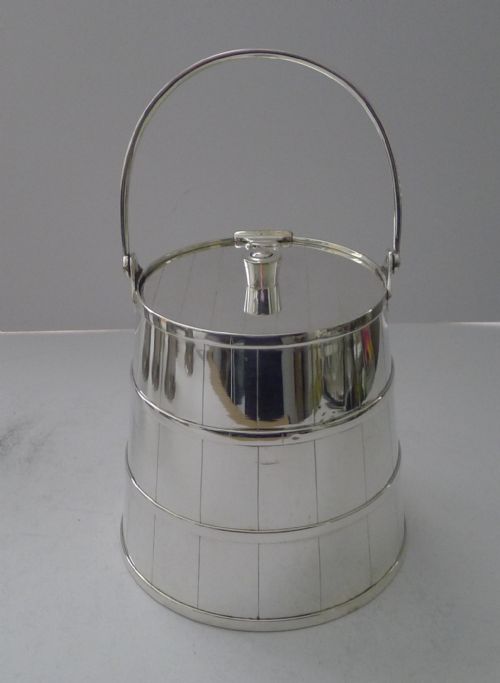
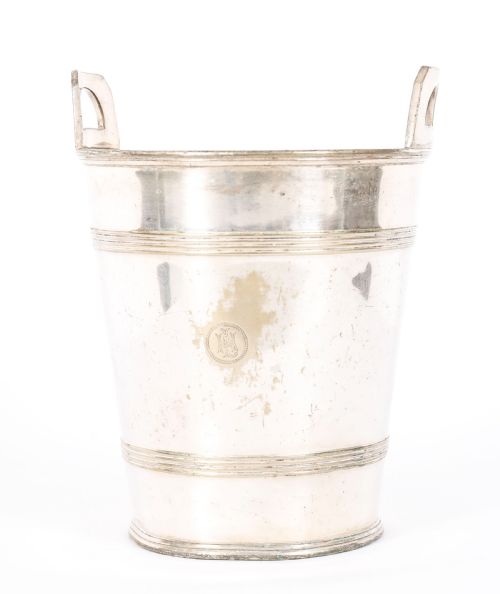
When you search for an antique champagne cooler tub, you encounter vessels designed to chill bottles for the table, drawing from Georgian, Victorian, and Art Deco periods. The selection spans robust coopered timber buckets, refined silver-plated vessels, and heavy metal planters adapted for modern entertaining.
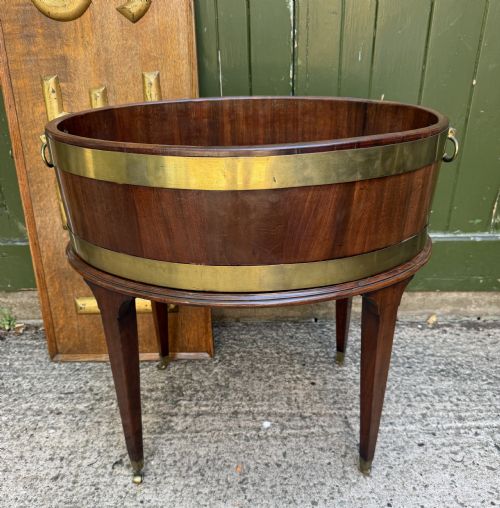
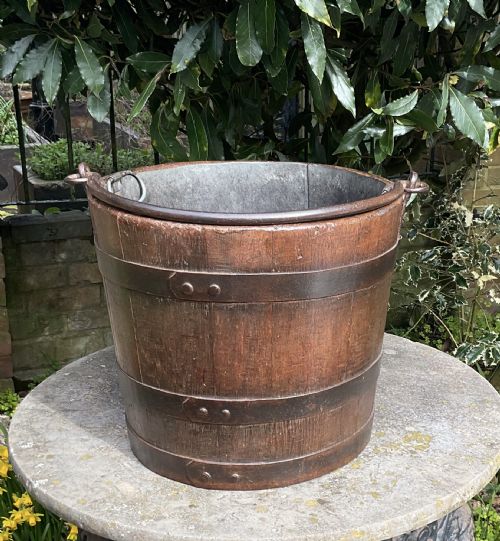
The most common forms on this page include mahogany oval wine coolers with brass banding, alongside silver-plated buckets from the nineteenth and early twentieth centuries. Coopered oak and pine items also appear frequently, reflecting traditional woodworking methods used for holding ice and liquid.
Materials and methods of construction
Coopers built timber vessels using staves of oak, mahogany, or pine held together by tight metal bands of brass or iron. This construction method ensured the wood could hold ice and water without leaking during extended use.
Silver-plated examples utilised base metals shaped by hammering, casting, or spinning, followed by a layer of applied silver. Brass and copper pieces relied on sheet metal manipulation, often featuring riveted seams and applied handles.
Several pieces on this page double as plant jardiniere stands, demonstrating the versatile domestic uses of large nineteenth-century vessels.
Distinctions in quality
Quality rests in the precision of the construction, such as the tightness of the timber staves and the weight of the metal bands. Superior examples maintain structural integrity and original linings, showing minimal distortion over decades of service.
Artisanal execution dictates the finer pieces, seen in crisp silver plating marks, hand-beaten copper textures, and well-proportioned stands. Poorer quality often shows mismatched repairs, thinning plate, or crude timber replacements that detract from the original form.
Hutton Sheffield·Elkington·Christofle
The Antique Champagne Cooler Tub Glossary
- Coopered
- Constructed from wooden staves fitted together with metal hoops, similar to barrel-making. This technique allowed wood to withstand liquid pressure.
- Jardiniere
- An ornamental pot or stand for holding plants or flowers. Many large coolers served this dual purpose in period homes.
- Silver Plate
- A thin layer of silver bonded to a base metal such as copper or Britannia metal. This process provided the appearance of solid silver at a lower cost.
- Stave
- One of the narrow vertical blocks of wood that form the sides of a bucket or tub. Tapered staves create the curved profile of the vessel.
Antique Champagne Cooler Tub: Frequently Asked Questions
Can I use an antique champagne cooler tub with real ice?
Most metal and lined wooden coolers tolerate ice well, provided you dry them thoroughly after use. Check whether the interior retains a watertight metal or zinc liner before filling.
Unlined timber vessels require care, as prolonged contact with melting ice can cause the wood to swell or warp. Using a modern insert inside historical timber buckets protects the antique material.
How do I clean silver plated champagne coolers?
Clean silver plate gently using a soft cloth and a specialised silver polish designed to preserve the thin metallic layer. Avoid abrasive pads that wear through the plating.
Frequent washing under harsh running water damages antique finishes and accelerates tarnish. A damp cloth followed by immediate drying maintains the lustre of the metal.
Are these tubs waterproof?
Many period coolers feature original metal, zinc, or copper linings intended to hold water and ice securely. Coopered wooden tubs without metal inserts often require a modern waterproof container placed inside.
Inspect the interior base for soldered joints or seams that might have weakened with age. Testing the vessel with a small amount of water reveals any leaks before use.
How do I date a brass bound mahogany cooler?
Dating relies on the shape of the brass bands, the style of the handles, and the method used to join the timber staves. Georgian examples typically feature distinct oval profiles and fine dovetail or coopered construction.
Victorian and later interpretations often incorporate heavier mounts and different interior fittings. Comparing the wood grain and patina to known period pieces confirms the approximate era.