

Wooden Vanity Stool
A wooden vanity stool brings period character and practical seating to a dressing area, drawing on styles from Georgian designs to Art Deco forms.
Wooden Vanity Stool
A wooden vanity stool is designed primarily for use at a dressing table or vanity, though many examples function equally well as piano stools, footstools, or window seats. When searching for a wooden vanity stool, buyers encounter diverse forms ranging from compact Victorian rosewood pieces to streamlined Art Deco designs.
The materials and aesthetic influences span multiple centuries, incorporating 18th-century cabinet-making traditions, 19th-century revival movements, and early 20th-century modernism. Pieces emerge from various regional workshops, including English mahogany constructions, Swedish Gustavian painted frames, and Anglo-Indian rosewood items.
Materials and Construction
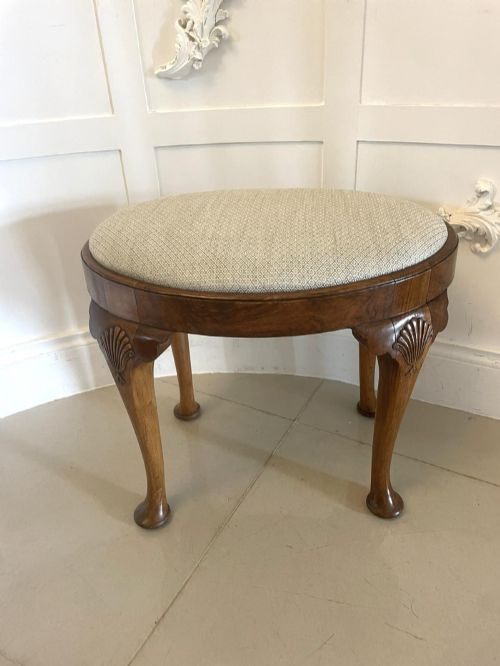
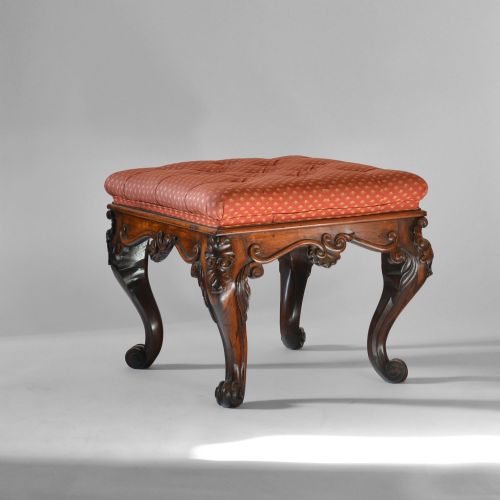
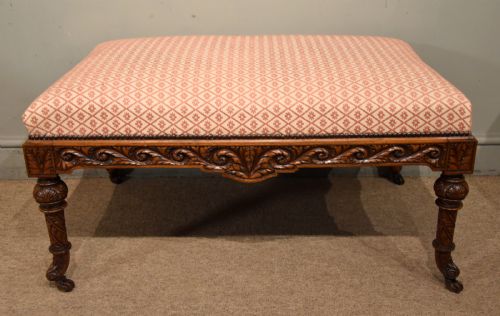
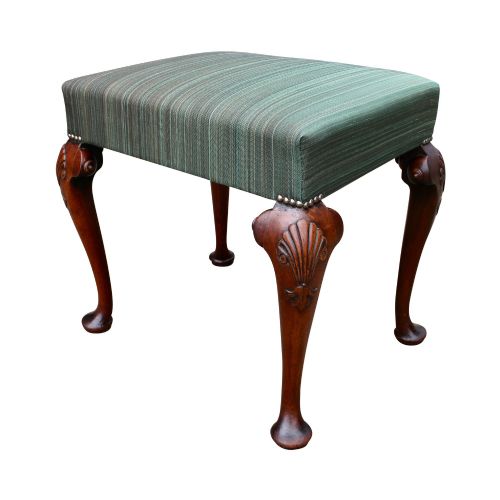
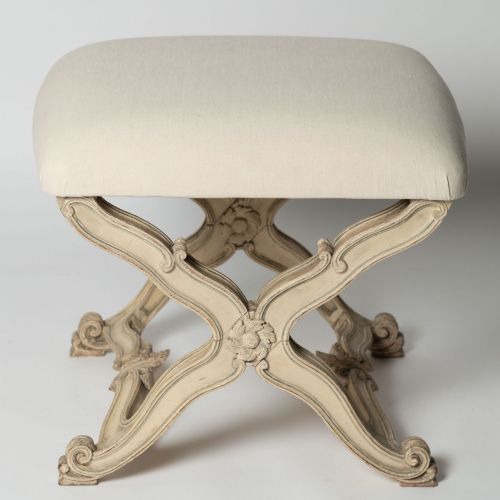
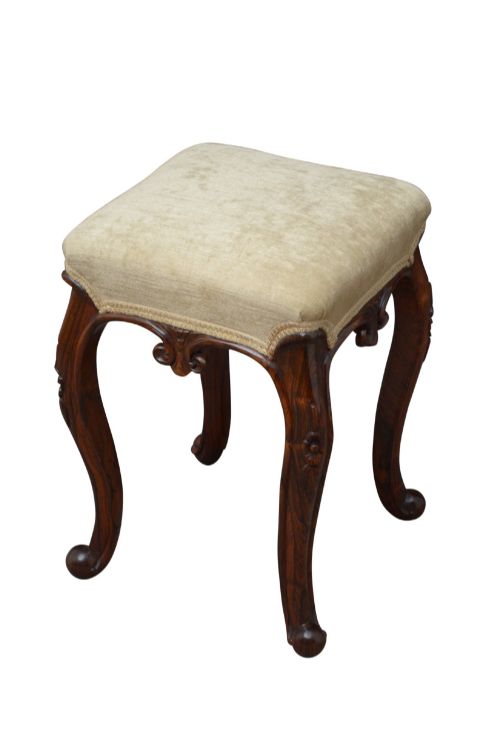
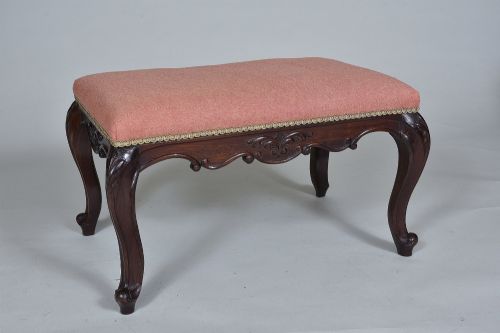
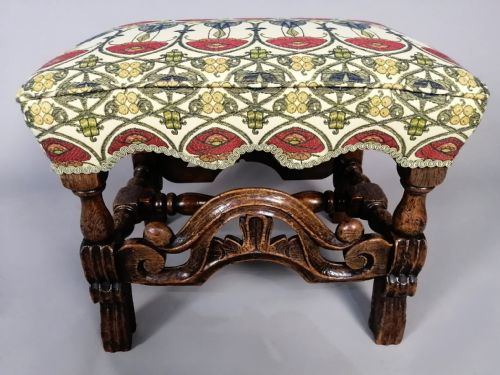
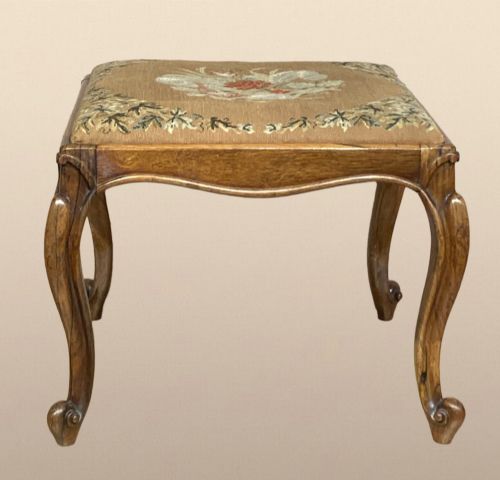
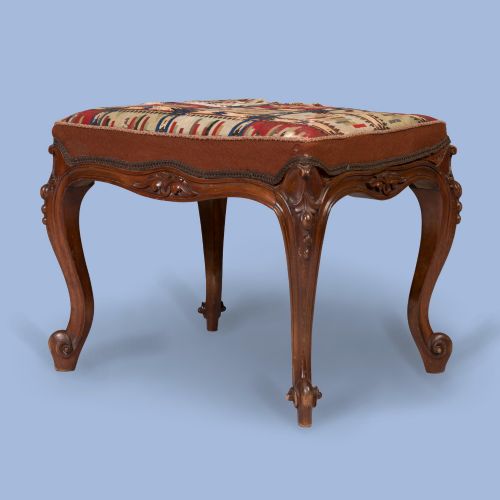
Makers utilised solid timbers such as mahogany, walnut, oak, rosewood, and exotic woods like goncalo alves or huali, often shaping frames with carved cabriole legs, shaped aprons, or inlaid details. Joinery techniques varied from traditional pegging and mortise joints to later sturdy framing methods suited to daily seating.
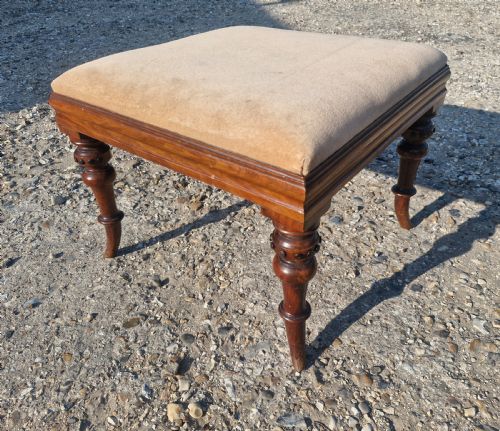
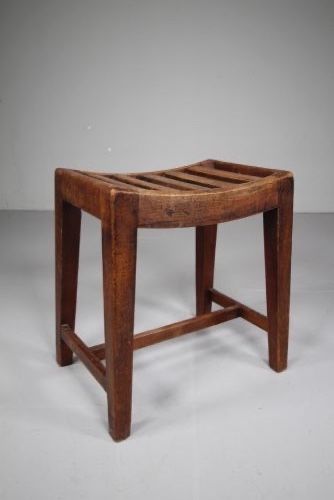
Seating surfaces required durable support beneath textile covers, employing woven rattan, rush, slatted wood, or padded upholstery finished in silk, linen, leather, or patterned fabric. Adjustable mechanisms appeared on music and dressing stools, allowing seat heights to rise and fall via screw actions.
Design periods span from 18th-century Georgian and Swedish Gustavian eras through Victorian, Edwardian, and Art Deco styles.
Craftsmanship and Proportion
The distinction between ordinary and superior pieces rests in the crispness of the wood carving, the selection of timber grain such as birds-eye maple or figured walnut, and the integrity of the original frame construction. Refined proportions and harmonious revival styling elevate certain pieces above standard utility furniture.
Upholstery finish and the preservation of original timber surfaces also dictate standard, where undisturbed patination and careful hand-finishing distinguish high workshop outputs from later alterations or heavy restorations.
Harry & Lou Epstein·Ipswich Oak
The Wooden Vanity Stool Glossary
- Cabriole leg
- A furniture leg that curves outward at the knee and tapers inward toward the foot, echoing animal limbs in design. This shape appears frequently on Queen Anne and Victorian period stools.
- Gustavian
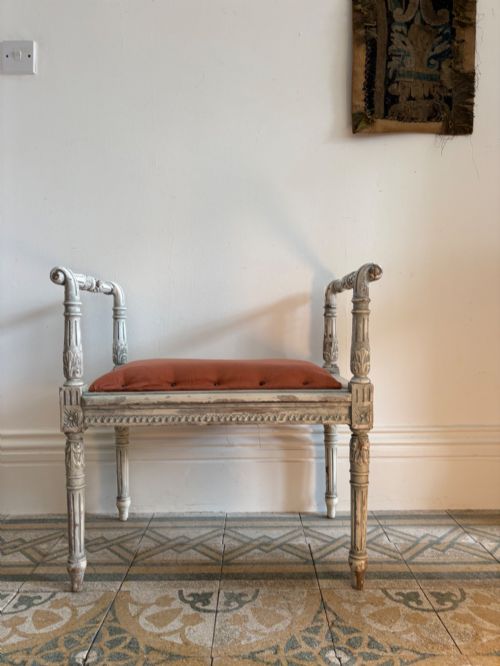
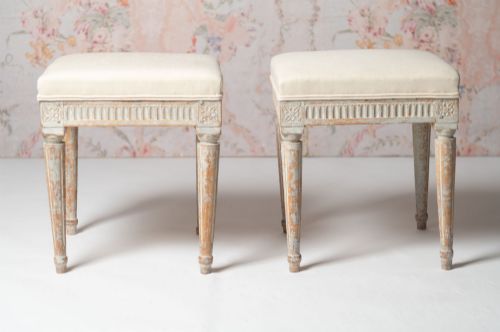
- The Swedish neoclassical style developed during the late 18th century, characterised by pale painted finishes and restrained classical carving. Pieces often feature muted tones and neat proportions.
- Rise and fall
- A mechanical function allowing the seat height to be adjusted by rotating the top surface. This mechanism is common on piano and dressing stools from the Victorian era.
- Goncalo alves
- A dense tropical American hardwood displaying distinct contrasting dark brown and golden-brown markings. It was selected by cabinet makers for decorative cabinetwork and seating frames.
- Rush
- Dried marsh grass twisted into cords and woven tightly to form a durable, textured seat. It provides a traditional, rustic surface on regional wooden stools.
Wooden Vanity Stool: Frequently Asked Questions
How do I identify a Victorian vanity stool?
Victorian examples often display dark hardwoods such as rosewood or walnut, frequently featuring carved cabriole legs and upholstered tops in textile, leather, or needlepoint. Many incorporate adjustable height mechanisms for use at music desks or dressing tables.
Look for traditional joinery methods and rich timber patination that develop through decades of use. Maker details or registration marks occasionally appear beneath the frame.
Can I use a piano stool as a vanity stool?
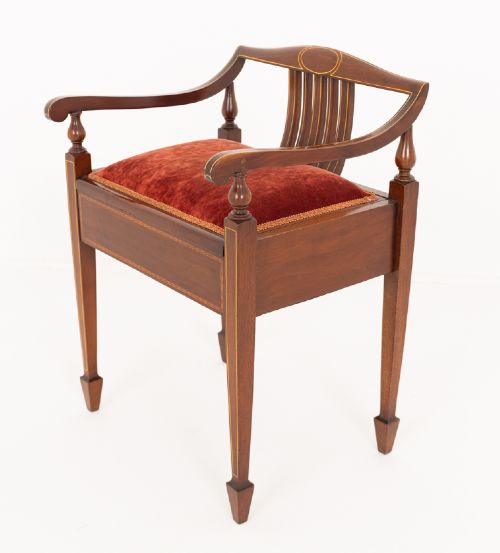
Piano stools share very similar dimensions and adjustable seating heights with dressing stools, making them highly practical for vanity areas. Many period music seats offer concealed storage beneath the top or rise-and-fall screws.
Their compact footprints and decorative timber frames suit bedroom spaces where floor area is limited. The sturdy construction handles daily sitting without difficulty.
What is the difference between Gustavian and Georgian styles?
Gustavian pieces originate from late 18th-century Sweden and typically showcase light painted woodwork with understated neoclassical motifs. They prioritize symmetry, pale finishes, and restrained decorative carving.
Georgian furniture relies on unpainted timber grains like mahogany and walnut, emphasising architectural proportion and curved cabriole or straight leg supports. Both styles offer refined seating options for period interiors.
How should I care for antique wooden frames?
Maintain antique timber by dusting regularly with a soft, dry cloth and avoiding placement near direct heat sources or strong sunlight. Wax finishes benefit from occasional gentle feeding with appropriate natural beeswax to preserve the sheen.
Protect fabric or leather upholstery from moisture and sharp objects. Inspect structural joints periodically to ensure the frame remains stable during use.