
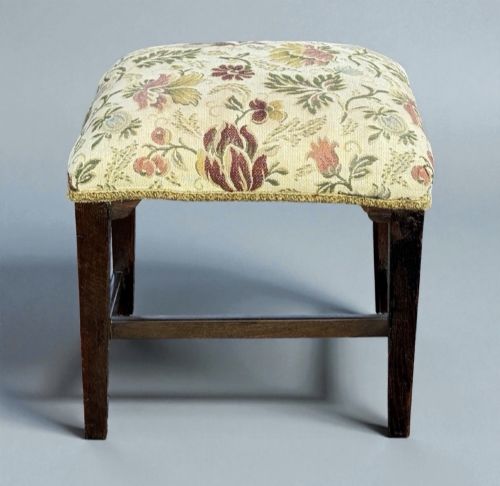


Georgian Low Stool
A georgian low stool brings compact, sturdy seating to a fireside or dressing table, offering timeless utility in solid timber.
Georgian Low Stool
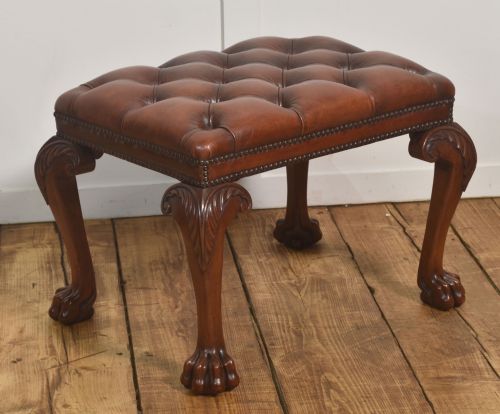
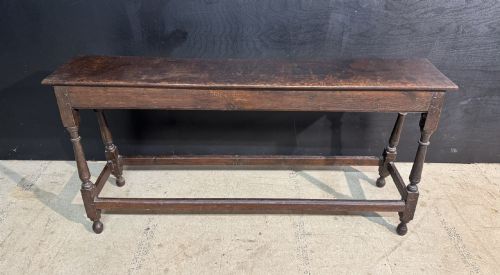
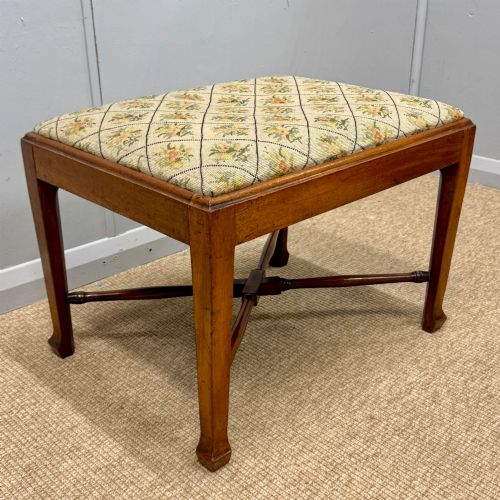
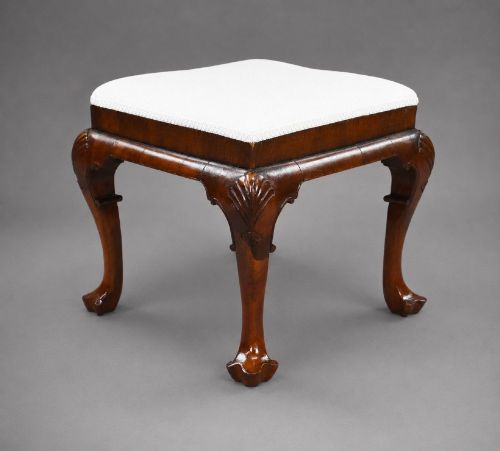
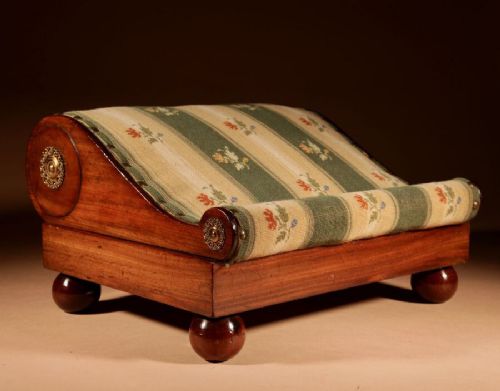
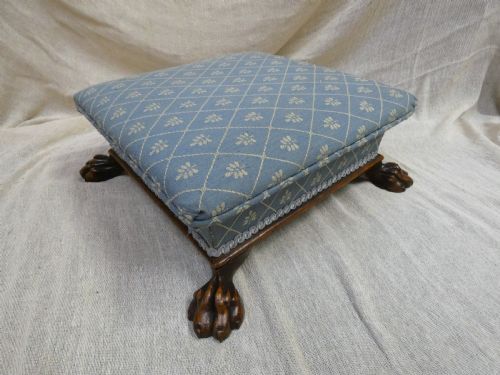
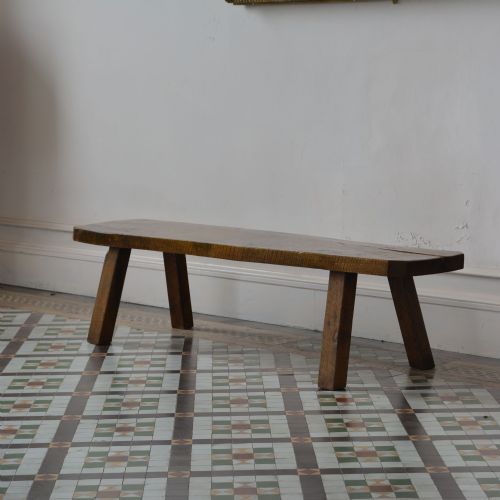
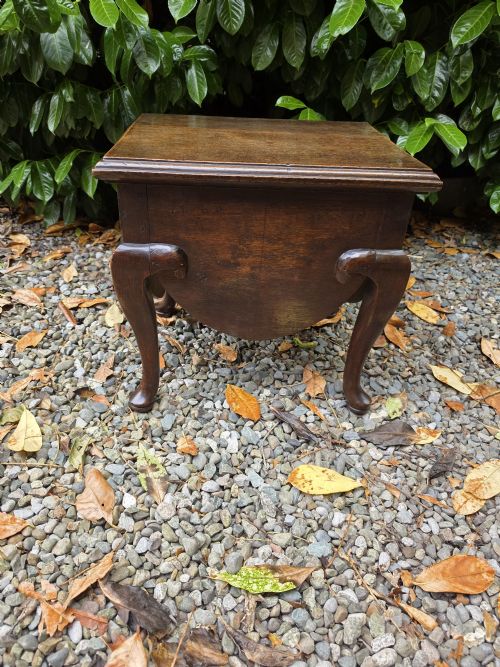
When you search for a georgian low stool, you encounter low timber seating designed for the foot, hearth, or dressing table, spanning several centuries of cabinetmaking. The pieces range from authentic 18th-century forms to later revival interpretations made in the Victorian era and the early 20th century. Forms include square footstools, long hearth benches, joint stools, and cabriole-legged seats in modest proportions.
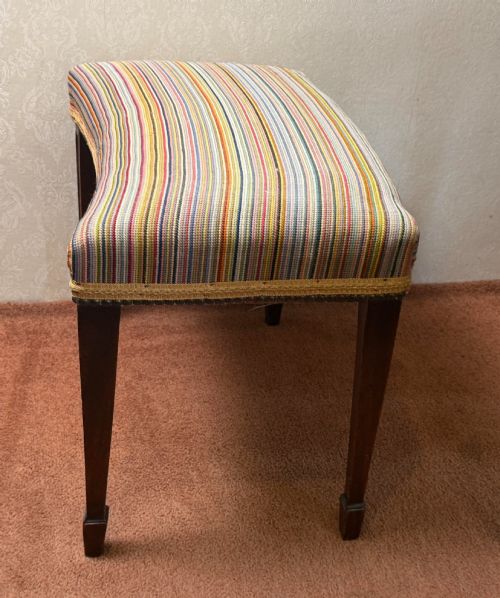
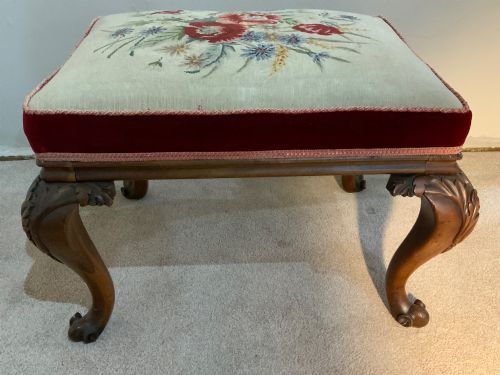
Mahogany and oak dominate the selection, often accompanied by walnut, ash, elm, yew, and rosewood frames. Upholstery materials vary from original needlework, tapestry, and wool to leather, chenille, tweed, and modern fabric. Revival pieces frequently adopt Queen Anne and Chippendale styles, featuring carved details and cabriole legs.
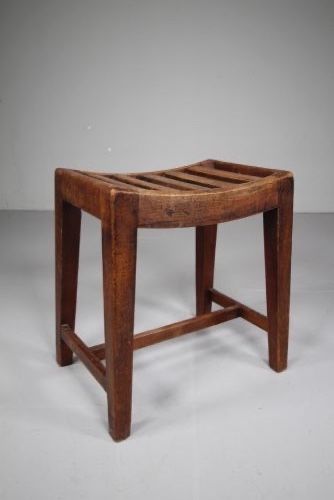
Most examples function as footstools, fireside rests, dressing table seats, or small benches. You will find both simple country vernacular pieces and more formal urban designs with shaped rails and cross stretchers.
Construction and Materials
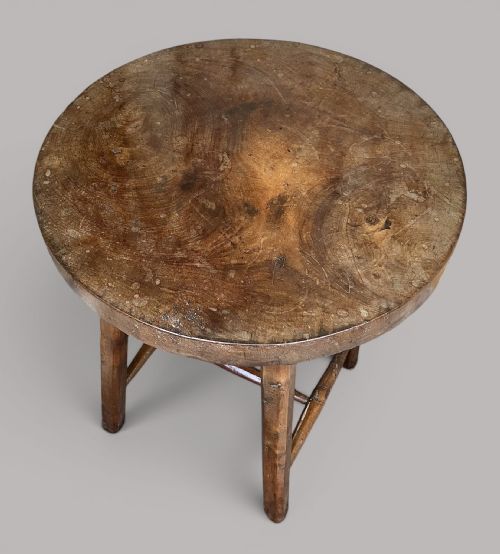
Makers built these stools using dense hardwoods such as mahogany, oak, and walnut for the structural frames, often joining them with traditional mortise and tenon joints. Country examples utilise native timbers like ash and elm, sometimes with three-legged turned construction fastened directly into the seat base.
Upholstered surfaces rely on webbing, stuffing, and textile coverings secured with tacks over wooden frames. Decorative touches include carved cabriole legs, square tapering legs, brass accents, and hand-stitched needlepoint or tapestry.
One cheerful item on record is a three-legged country stool made from ash and elm.
Judging Quality
Quality rests upon the integrity of the timber frame and the crispness of any carved detailing, such as cabriole legs or pierced rails. Dense, well-figured mahogany or walnut indicates superior material selection by the cabinetmaker.
The survival of original upholstery textiles, needlepoint, or traditional stuffing distinguishes untouched examples from later restorations. Solid joinery without excessive replacement timber maintains the structural honesty of the piece.
Whytock and Reid·Gillows
The Georgian Low Stool Glossary
- Cabriole leg
- A furniture leg that curves outward in a convex arc and tapers inward in a concave arc, mimicking an animal limb. This shape appears frequently on 18th-century seating.
- Joint stool
- A sturdy wooden stool constructed with pegged mortise and tenon joints rather than turned legs driven into a seat. They date back to the early periods of British joinery.
- Cross stretcher
- Wooden rails connecting the lower legs of a stool to provide stability and rigidity. They often intersect at the centre in an 'X' shape.
- Needlework
- Hand-stitched textile work utilising wool or silk yarn over canvas mesh. Many period stools retain their original needlepoint covers.
Georgian Low Stool: Frequently Asked Questions
What is a georgian low stool used for?
These low seats served practical purposes near the hearth, dressing table, or carriage, often functioning as footstools or fireside rests.
Their compact proportions allowed them to tuck easily beneath tables or remain close to chairs for resting feet.
How do I tell an original from a revival?
Examine the timber shrinkage, tool marks, and construction methods used in the frame's interior joinery. Revivals from later centuries often employ standardised machine cuts alongside period-style motifs.
Wear patterns on the feet and the patina of the wood surface also help separate 18th-century originals from 19th and 20th-century copies.
Are these stools comfortable to sit on?
Many were designed primarily as footrests or auxiliary seating rather than lounge chairs, resulting in firm, rigid surfaces.
Upholstered versions with traditional horsehair stuffing offer slightly more give, though modern use often depends on the condition of the internal webbing.
How should I care for the wood and fabric?
Keep wooden frames away from direct heat sources and sudden humidity changes to prevent the timber from splitting. Dust regularly with a dry cloth and protect antique textiles from prolonged direct sunlight.