

Wooden Umbrella Storage
Wooden umbrella storage organises wet weather gear in the hallway, bringing natural timber textures and practical design to an entrance.
Wooden Umbrella Storage
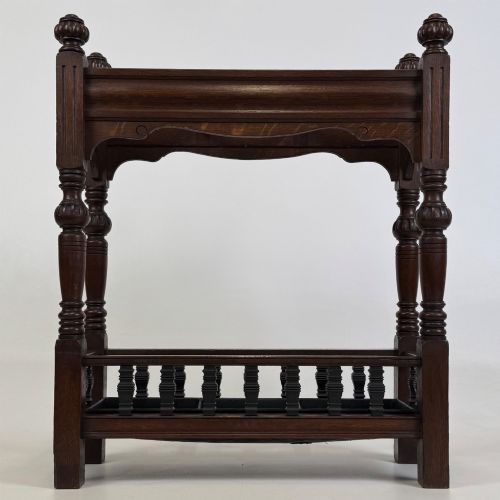
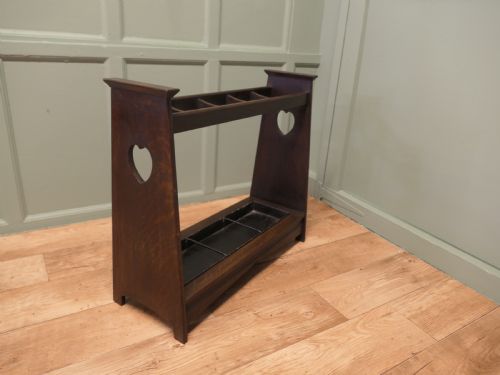
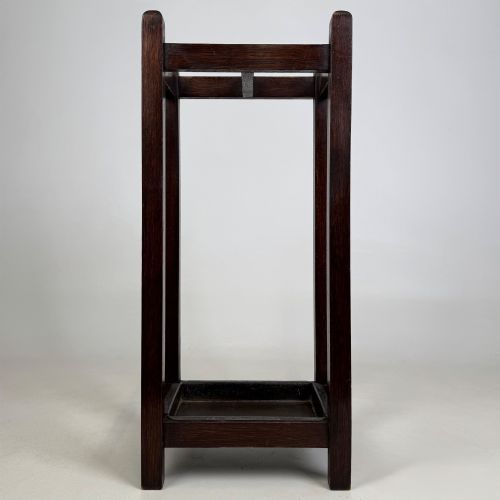
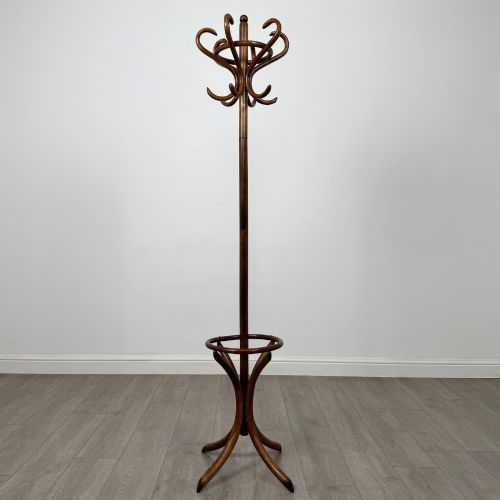
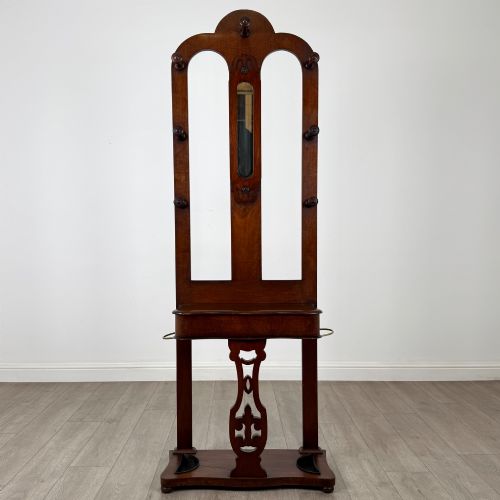
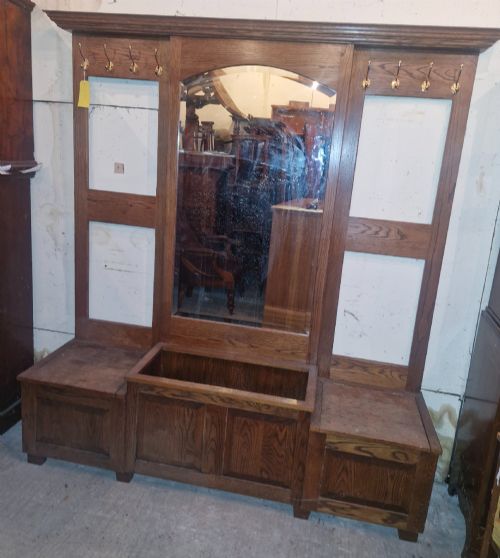
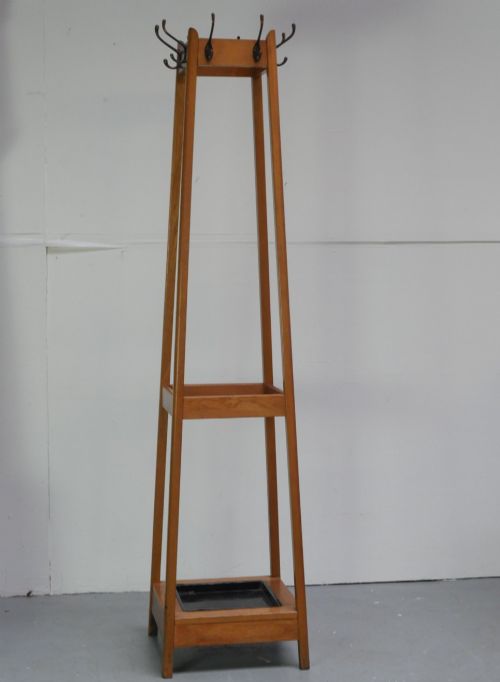
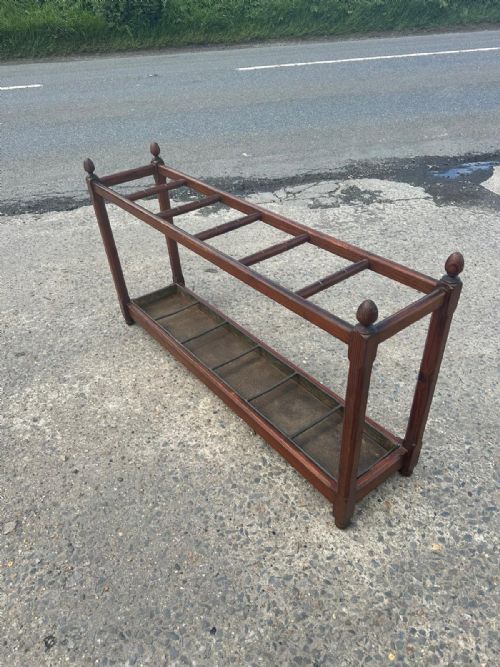
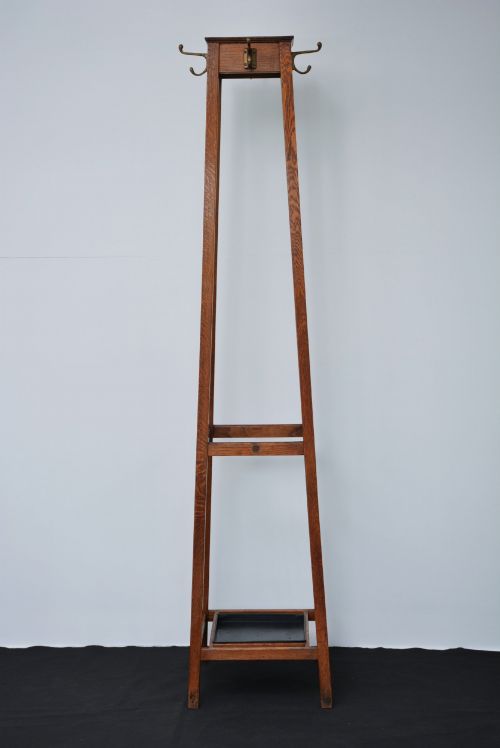
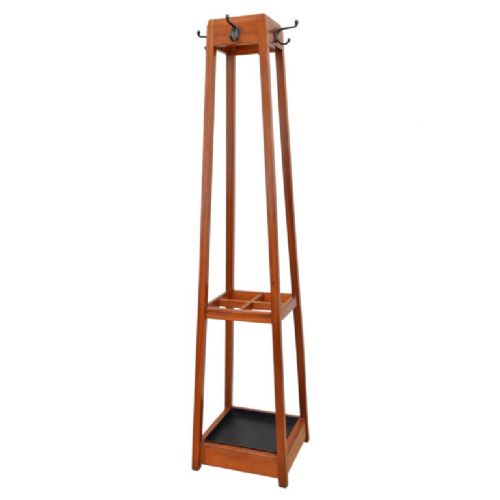
Wooden umbrella storage encompasses dedicated umbrella stands, stick stands, and multi-functional hall stands that combine coat hooks, mirrors, and umbrella wells. These pieces date from the nineteenth century through the early twentieth century, spanning Victorian, Edwardian, and Arts and Crafts periods.
Oak forms the majority of these pieces, alongside mahogany, pitch pine, walnut, and bentwood versions. Buyers frequently encounter sturdy oak barrels and upright rectangular stands designed to hold walking sticks and wet umbrellas near a front door.
Materials and Construction
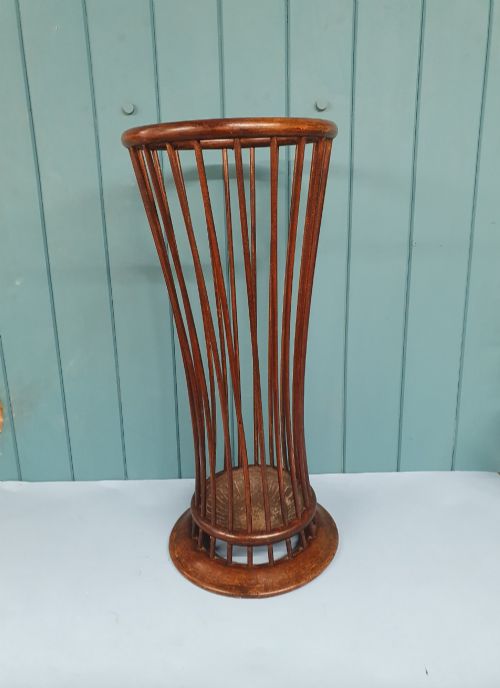
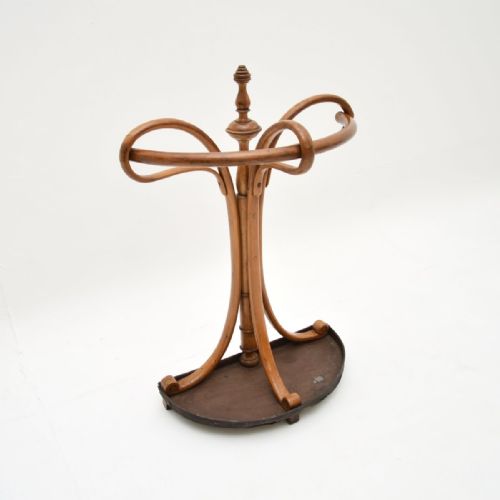
Solid timbers such as oak, mahogany, and pitch pine provide structural integrity, often shaped into coopered barrel designs using metal bands or traditional joinery. Bentwood techniques utilise pliable beech heated and curved into fluid forms.
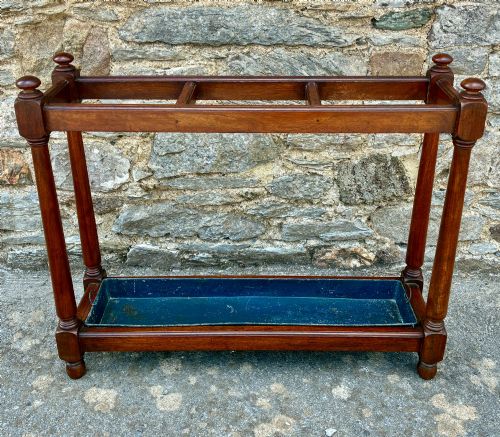
Functional additions include original metal or brass drip trays inserted at the base to catch water run-off, protecting the wooden floorboards from moisture damage.
Listings feature solid oak, mahogany, walnut, and pitch pine, alongside metal components like brass mounts and iron drip trays.
Indicators of Quality
Quality rests upon the integrity of the timber selection and the presence of original hardware, such as cast brass mounts and removable drip trays. Finely coopered staves and robust mortise and tenon joints distinguish superior examples from utilitarian items.
Design ambition separates basic vernacular pieces from sophisticated interpretations associated with known retailers and specific stylistic movements like Arts and Crafts or Austrian bentwood.
Thonet·GW Evans·Shoolbred·Astrola
The Wooden Umbrella Storage Glossary
- Coopered
- Construction method using parallel wooden staves bound by metal hoops, similar to barrel-making. This technique appears frequently in round oak umbrella buckets.
- Bentwood
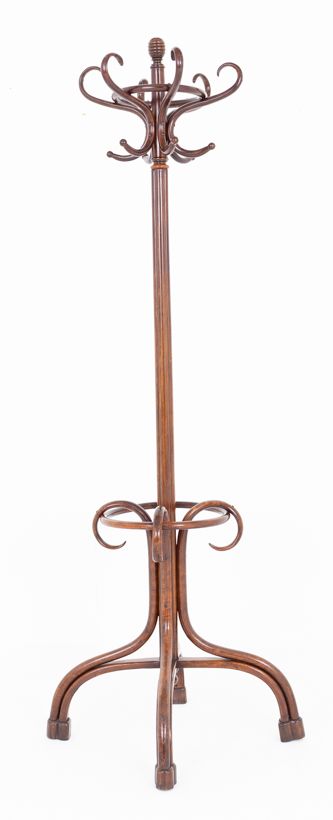
- Wood softened by steam and bent into curved structural shapes. This method defines lightweight coat and umbrella stands from Austrian workshops.
- Hall stand
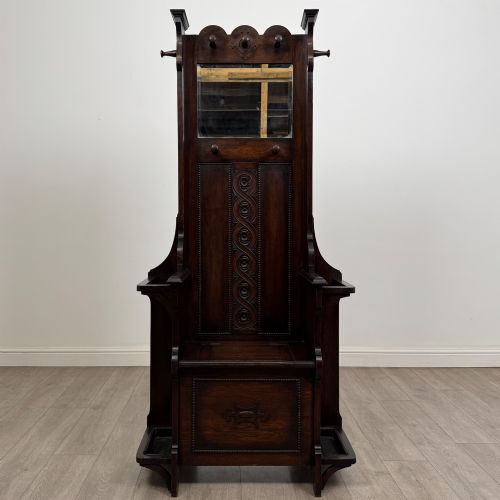
- A tall hallway item incorporating coat hooks, a mirror, glove boxes, and an umbrella base. These multifunctional pieces dominate Victorian and Edwardian entranceways.
- Drip tray
- A metal or brass pan placed at the base of a stand to catch water. Original trays indicate an intact, complete piece of equipment.
- Pitch pine
- A resinous softwood utilised in large country house stands. It offers distinct grain patterns and durability in damp environments.
Wooden Umbrella Storage: Frequently Asked Questions
How do I protect wooden floors from wet umbrellas?
Most period stands feature an integrated metal or brass drip tray at the base that catches moisture before it reaches the timber structure or the floor.
Ensure this tray is regularly emptied and dried to prevent rust transfer and water damage to the surrounding wood.
What is a coopered umbrella stand?
A coopered stand is constructed from vertical wooden staves fitted together and secured with metal bands, mimicking the traditional barrel-making craft.
This method creates a robust, watertight cylindrical vessel suited for holding heavy walking sticks and wet umbrellas.
How do I tell Victorian from Edwardian stands?
Victorian stands tend to feature heavier timbers, deep carvings, and dark finishes, often integrated into massive hall trees with mirrors and seat storage.
Edwardian examples frequently display lighter oak construction, cleaner lines influenced by the Arts and Crafts movement, and simpler geometries.
Where should I place a hall stand?
Position your stand in an entrance hall or porch near the main exterior door for immediate access upon entering the house.
Allow adequate clearance around the piece so that wet coats and umbrellas hang freely without dampening adjacent wallpaper or plaster.