
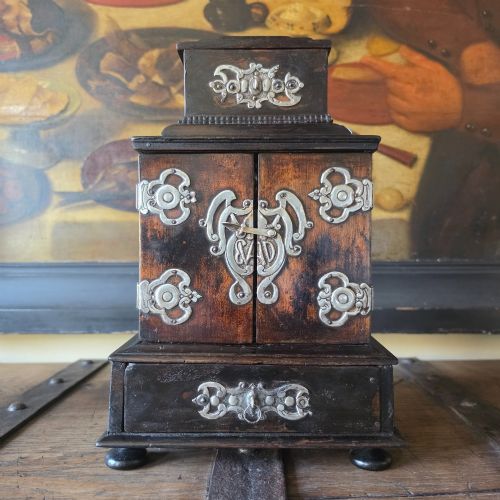
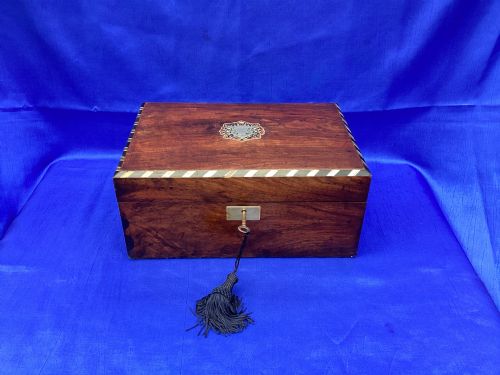
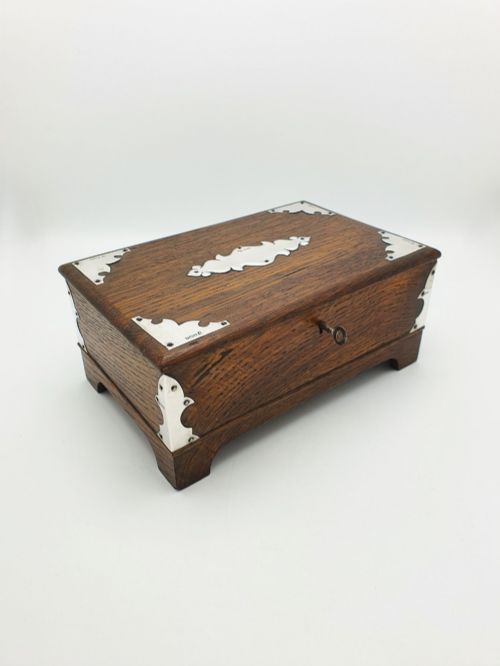
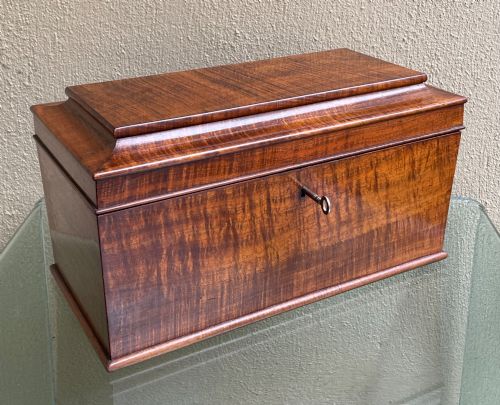
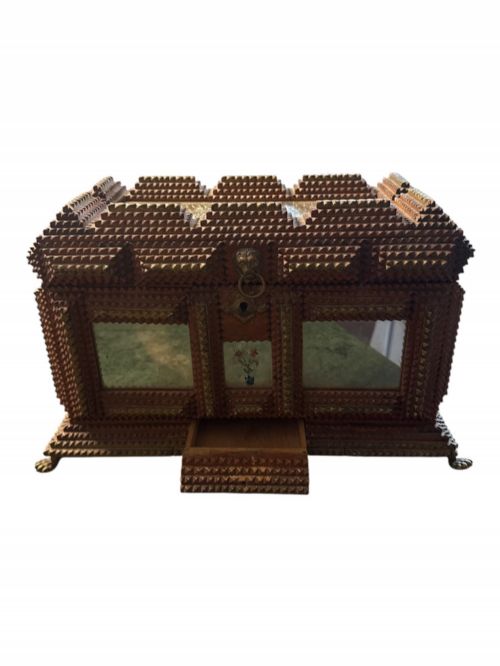
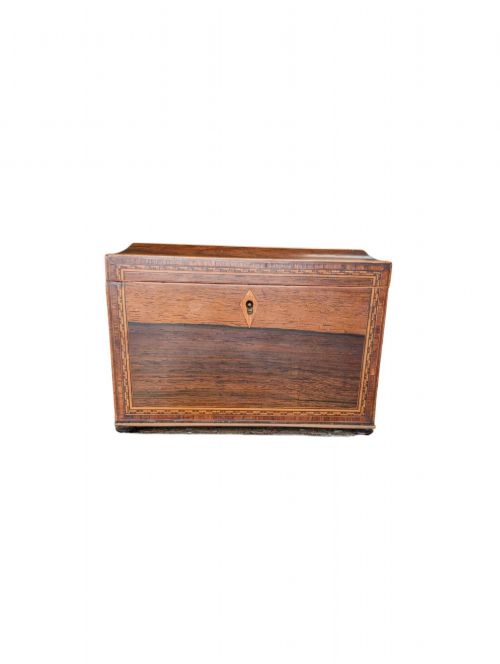

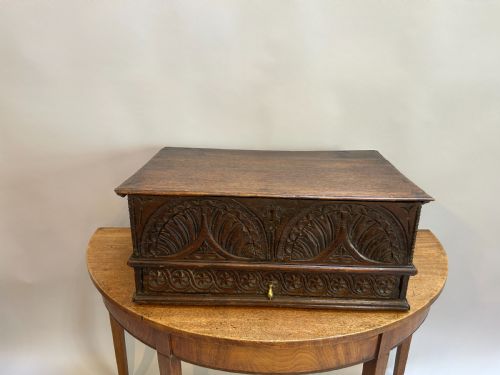
Wooden Trinket Chest Box
These wooden trinket chest box pieces range from Georgian tea caddies to Victorian miniature chests, prized for storing small valuables.
Wooden Trinket Chest Box
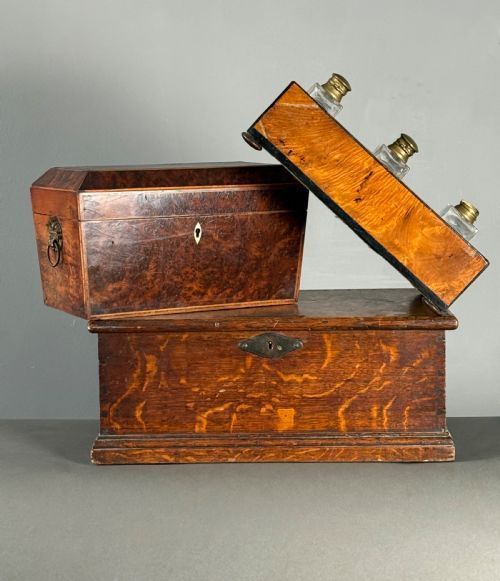
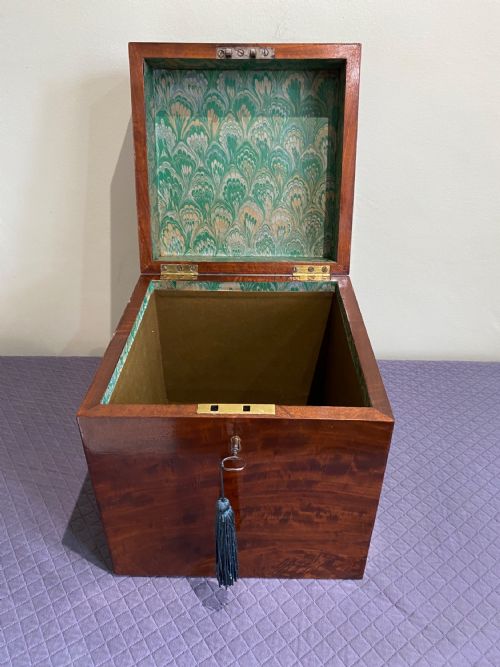
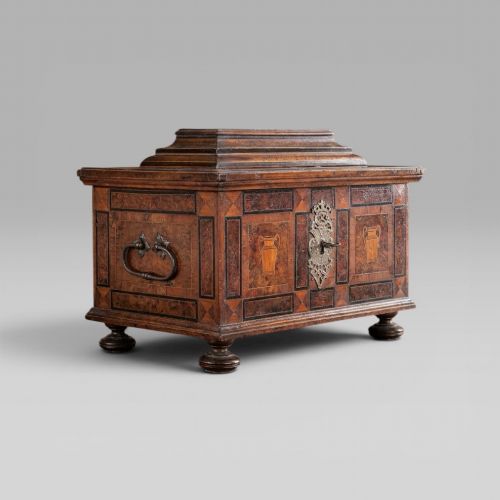
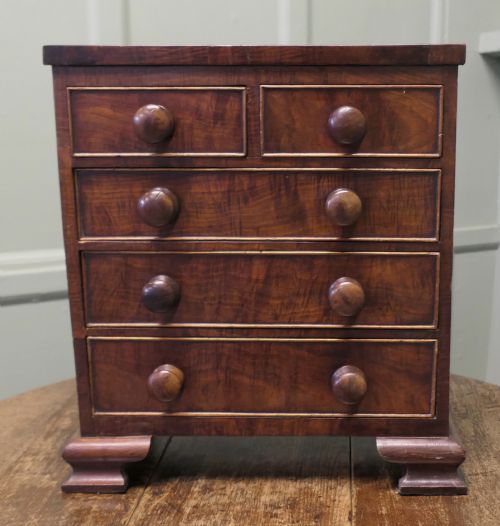
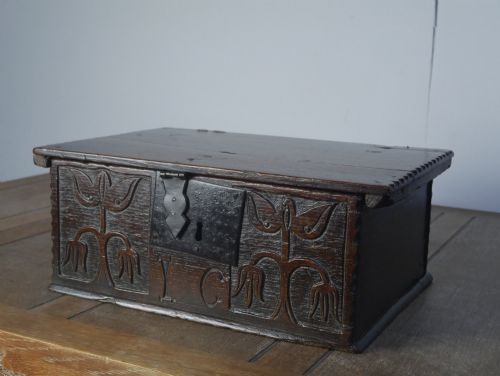
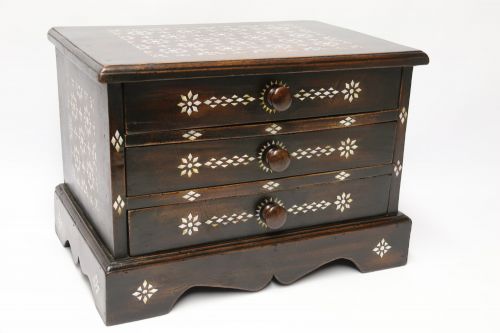
A wooden trinket chest box typically appears in forms such as tea caddies, miniature chests of drawers, apprentice pieces, and jewellery cabinets. These containers served specific domestic purposes, from holding dried tea leaves to safeguarding personal valuables and sewing equipment.
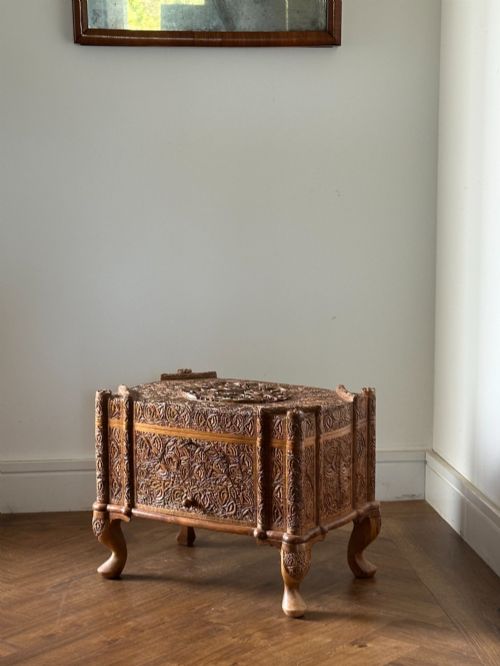
The selections span significant periods, including the seventeenth, eighteenth, and nineteenth centuries, along with later interpretations from nineteen twenty. Examples frequently surface in regional styles like Scandinavian folk art and Anglo-Indian carving.
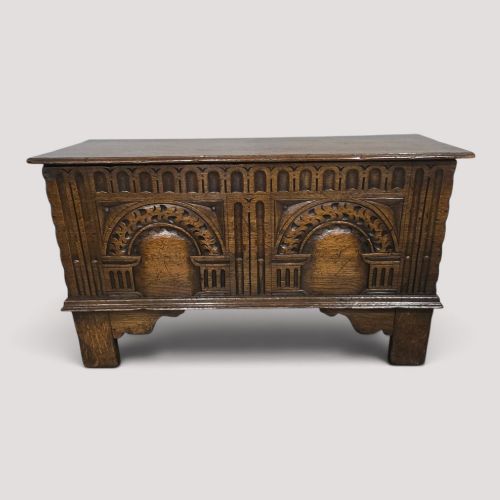
Buyers encounter a variety of functional shapes, ranging from sarcophagus caskets and bible boxes to simple rectangular coffers. Each object reflects the prevailing design idioms of its era, from Georgian symmetry to Victorian elaboration.
Materials and construction
Cabinetmakers utilised dense hardwoods like mahogany, rosewood, walnut, and oak to build the foundational carcasses of these pieces. Secondary woods such as pine and elm appear in vernacular items and regional folk art containers.
Surface ornamentation involved decorative techniques including brass inlay, mother-of-pearl detailing, bone embellishments, and Tunbridge Ware mosaic work. Wood veneers, particularly burr walnut and yew, provided complex grain patterns across exterior panels.
The inventory includes items fashioned from mahogany, oak, rosewood, walnut, and pine, spanning eras from the seventeenth century onward.
Judging construction and finish
Quality rests upon the precision of the joinery and the selection of timber used for the visible surfaces. Superior examples display tightly fitted dovetails, well-aligned lids or drawers, and stable timber that has not warped significantly over time.
The integrity of decorative elements, such as inlaid brass lines, intact mother-of-pearl plaques, and original metal mounts, elevates an object. The depth and warmth of the natural patina developed through handling and age also signal a higher grade of manufacture.
The Wooden Trinket Chest Box Glossary
- Apprentice piece
- A small-scale item created by a trainee craftsman to demonstrate mastery of joinery and furniture construction before entering a guild.
- Tea caddy
- A container designed specifically to store and preserve expensive tea leaves, often featuring internal compartments and a locking lid.
- Casket
- An ornamental box intended for keeping jewellery, documents, or valuables, frequently lined with silk, velvet, or paper.
- Coffer
- A sturdy chest or box used traditionally for the storage of precious goods, constructed with thick timber walls.
- Tunbridge Ware
- A form of decorative woodworking characterised by intricate mosaics made from thousands of tiny tinted wood blocks.
Wooden Trinket Chest Box: Frequently Asked Questions
What were wooden trinket chest boxes used for?
These containers served practical domestic functions tailored to the storage of valuable commodities. Owners kept tea leaves, jewellery, documents, and sewing implements inside them to protect them from damage and theft.
Locks and fitted interior compartments kept sensitive items secure and organised. Over time, their roles shifted as domestic habits changed, turning them into decorative receptacles for personal keepsakes.
How do I date a wooden box?
Dating relies on observing the construction methods, timber choices, and decorative styles characteristic of specific historical periods. Dovetail joints, hardware types, and secondary woods often reveal the era of manufacture.
Stylistic markers like Georgian proportions or Victorian Gothic revival details provide clear chronological anchors. Examining the natural wear and patina helps confirm the age of the timber.
Are apprentice pieces genuine antiques?
Apprentice pieces are authentic historical artefacts created by trainees to prove their woodworking skill to master craftsmen. They date primarily from the eighteenth and nineteenth centuries.
Because they mirror full-sized furniture on a reduced scale, such as miniature chests of drawers, they require the same joinery expertise. Their compact size made them practical items for display and storage.
How do I care for antique wood boxes?
Maintenance requires keeping these items away from direct sunlight and sudden temperature shifts that cause timber to split. Applying appropriate wax occasionally helps nourish the polished surface without building up residue.
Handling hinges and locks gently prevents strain on fragile historical brasswork. Maintaining stable indoor humidity protects delicate veneers and decorative inlays.