


Wooden Treen Bowl
A wooden treen bowl carries the grain of past domestic work into modern rooms, offering tactile warmth and honest utility.
Wooden Treen Bowl
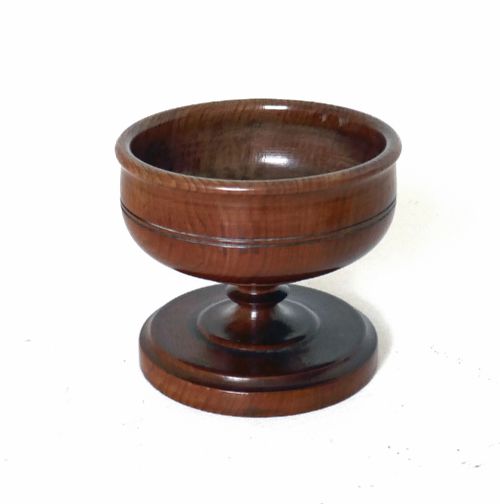
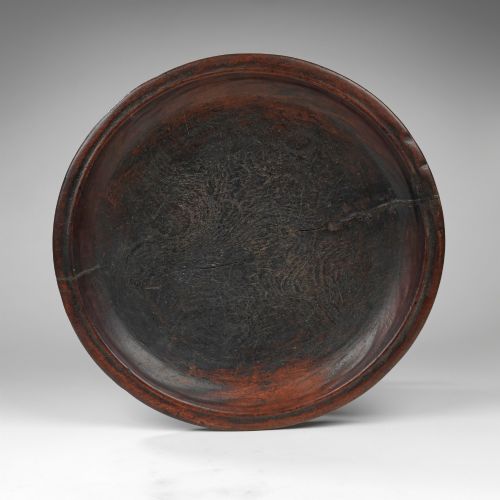
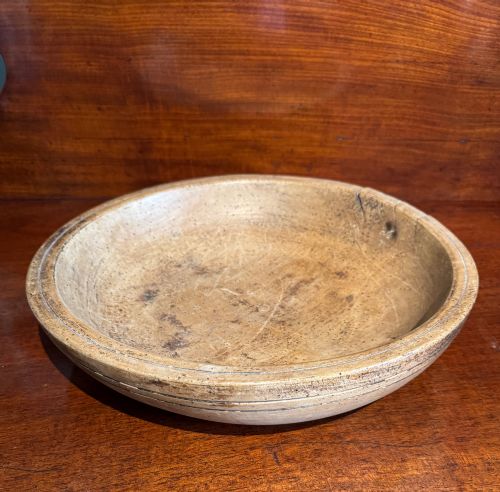
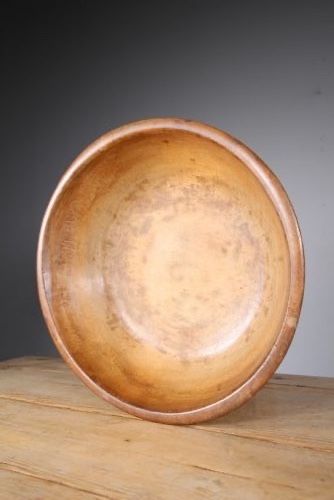
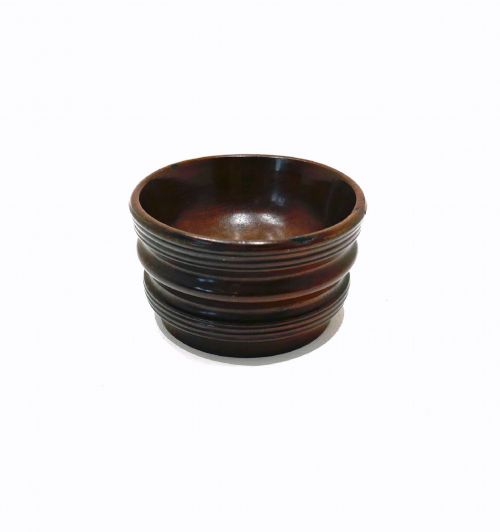
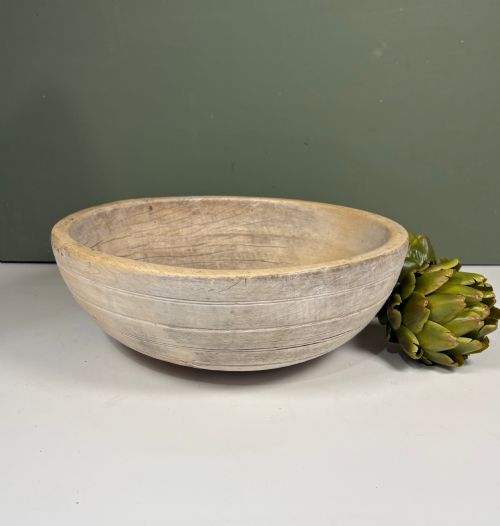
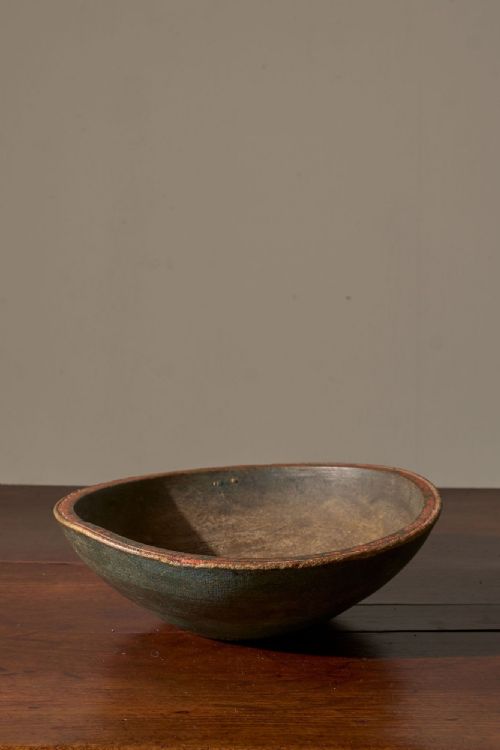
When you search for a wooden treen bowl, you encounter small turned salts alongside large dairy vessels shaped for rural life. The version you are most likely to meet on this page is a nineteenth-century sycamore dairy bowl, shaped for practical domestic use.
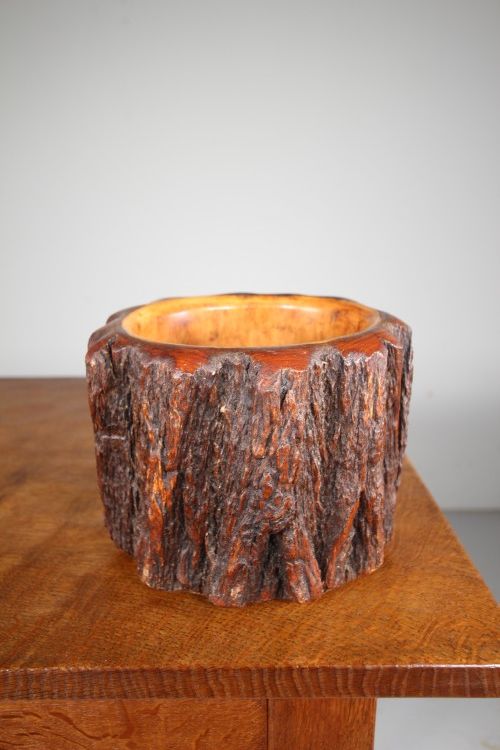
These items originate across English, Welsh, French, Swedish, and Continental workshops, spanning the eighteenth and nineteenth centuries. Alongside standard bowls, the selection includes mortars, platters, spice pots, and specific containers.
Regional styles range from rustic country and farmhouse forms to Welsh vernacular pieces. Each object reflects the utilitarian needs of its period, relying on simple turned or dug-out construction.
Materials and construction
Turners shaped these vessels primarily from dense domestic hardwoods such as sycamore, fruitwood, walnut, yew, laburnum, and ash. Sycamore remained the preferred choice for dairy items because the pale timber resists splitting when exposed to moisture.
Craftsmen utilised lathes for turning symmetrical vessels like salts and bowls, while others carved larger forms from single blocks of timber. Metal mounts or silver additions occasionally reinforce functional items like ladles.
Listings feature eighteenth and nineteenth-century periods alongside materials including sycamore, walnut, fruitwood, yew, and laburnum.
Distinctions in quality
Quality rests in the crispness of the turning and the preservation of the original tool marks left by the maker. A superior vessel retains balanced proportions and a wall thickness that feels appropriate to its scale.
The surface condition defines the visual appeal, where decades of handling develop a warm, soft patina across the grain. Clean lines and minimal timber shrinkage separate better-surviving examples from heavily worn pieces.
The Wooden Treen Bowl Glossary
- Treen
- Small handmade wooden objects for domestic use. The word derives from an old term meaning made of tree.
- Dairy bowl
- A large shallow vessel used in milk processing and cream separation. These pieces are typically turned from sycamore.
- Patina
- The surface sheen and colour developed through age and handling. This develops naturally over generations of use.
- Mortar
- A heavy bowl used with a pestle for crushing herbs and spices. Walnut and lignum-vitae frequently appear in these forms.
- Turned
- Shaped on a revolving lathe using cutting tools. This technique produces symmetrical round vessels and containers.
Wooden Treen Bowl: Frequently Asked Questions
What were wooden treen bowls used for?
These vessels served essential domestic roles in past centuries, ranging from dairy work and food preparation to holding salt or spices.
Larger bowls processed milk on farms, while smaller turned containers kept dry goods secure in the kitchen.
How do I care for a wooden bowl?
Keep wooden pieces away from direct heat sources and dramatic humidity changes to prevent the timber from splitting.
Apply a light coat of neutral food-safe oil occasionally to maintain the moisture in the wood.
How can I tell an eighteenth-century bowl from a nineteenth-century one?
Earlier pieces often display distinct tool marks from pole lathes and deeper patination acquired through longer handling.
Nineteenth-century examples frequently show more uniform mechanical turning as workshop technology evolved.
Why is sycamore so common for these bowls?
Sycamore timber remains pale, clean-tasting, and resistant to splitting when exposed to liquids and frequent washing.
This made the wood ideal for dairy vessels where hygiene and stability were essential for daily work.