
Wooden Tea Chest Box
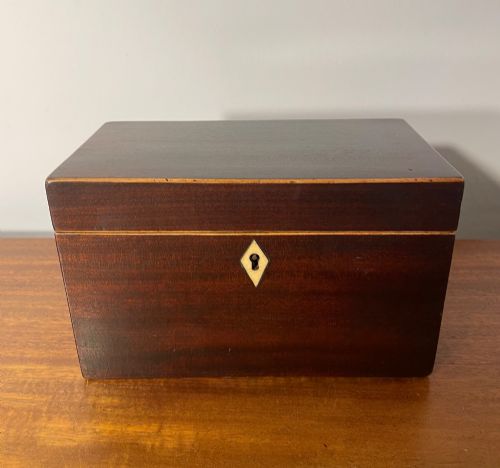
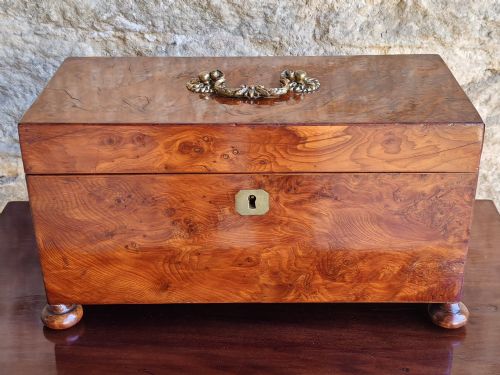
A wooden tea chest box is a domestic container designed to store and preserve dry tea leaves.
Wooden Tea Chest Box
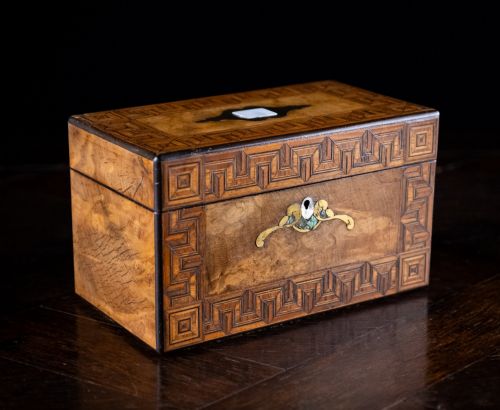
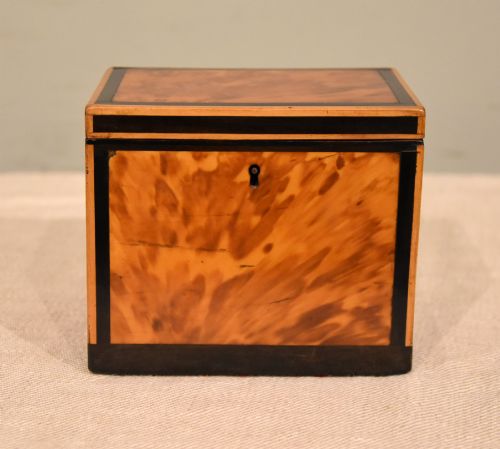
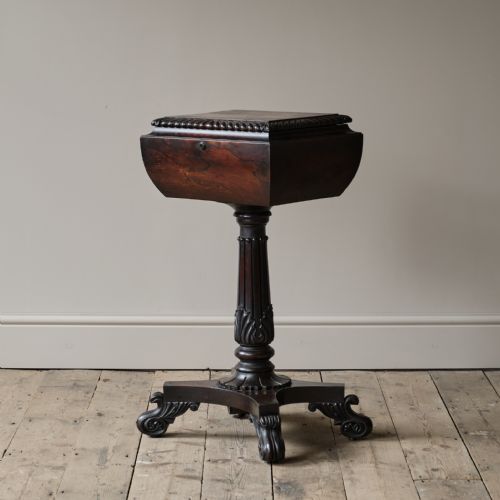
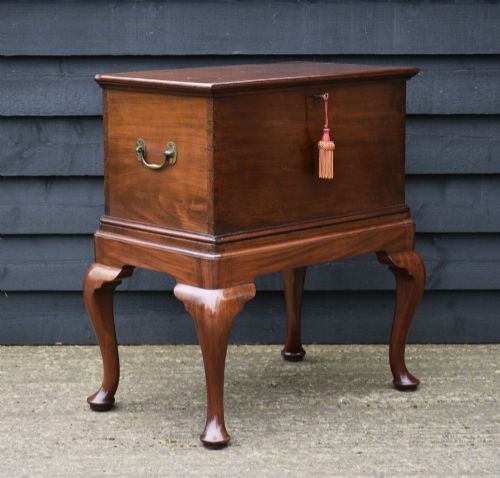
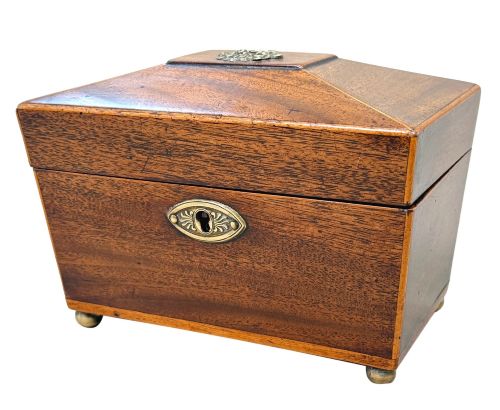
A wooden tea chest box appears in various historical forms, primarily as a tea caddy, teapoy, or decorative box originating from the eighteenth and nineteenth centuries. These pieces span periods including Georgian, Regency, and Victorian eras, reflecting the changing domestic habits surrounding tea consumption.
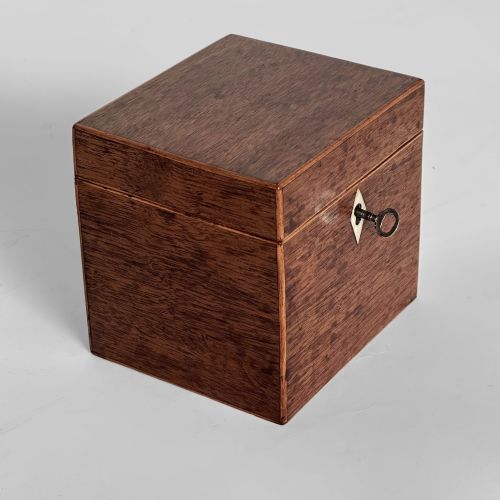
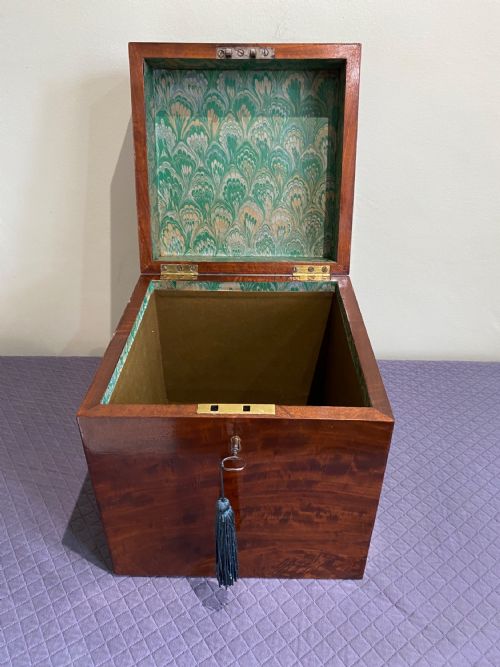
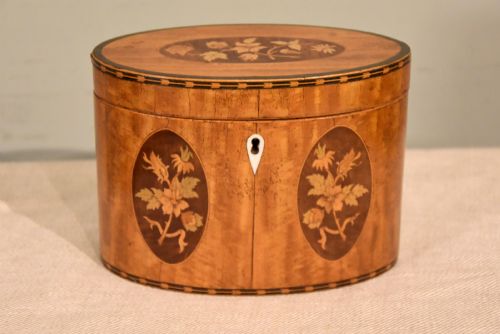
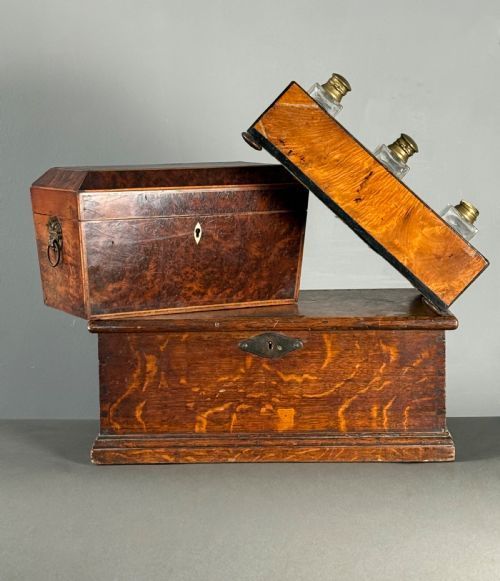
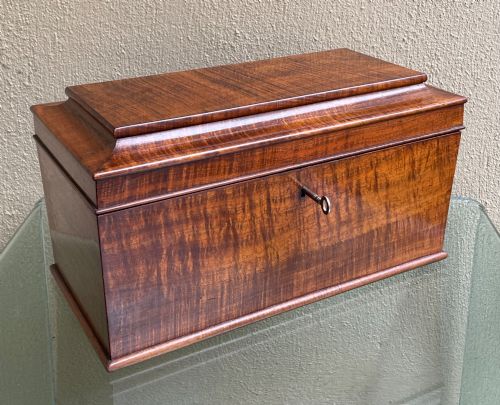
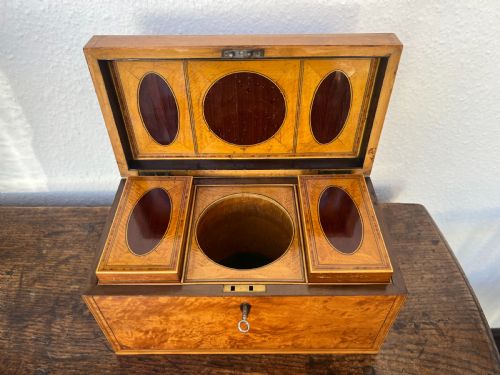
The buyer most frequently encounters mahogany, rosewood, and walnut constructions shaped into rectangular, sarcophagus, or oval boxes. Many examples retain fitted interiors designed originally to hold multiple tea canisters and a mixing bowl.
Materials and construction
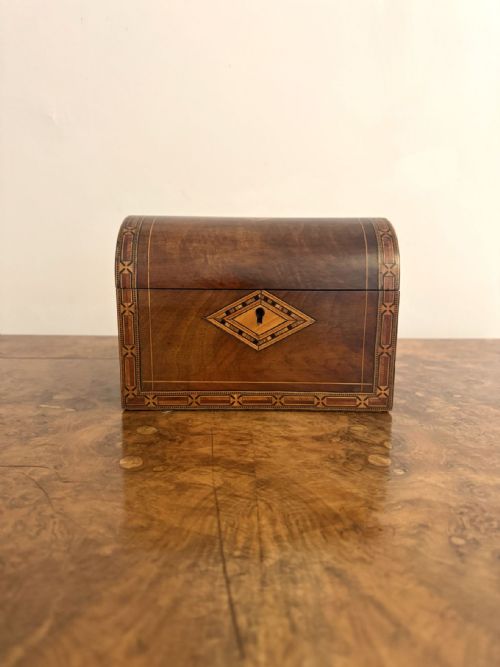
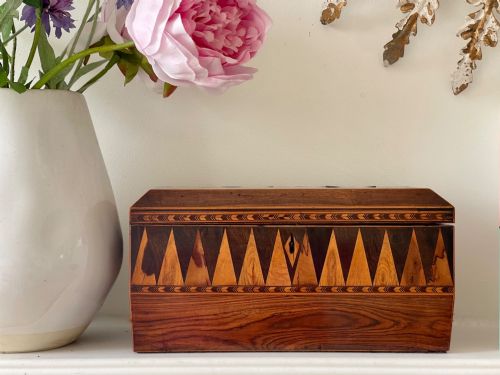
Cabinet makers utilised dense hardwoods such as mahogany, satinwood, and rosewood, often applying decorative veneers over secondary timbers. Surface ornamentation frequently incorporates brass inlay, mother of pearl, bone details, and intricate Tunbridge Ware wood mosaics.
Craftsmanship and preservation
Superior examples display precise parquetry, harmonious wood grain selection, and intricate inlay work executed without gaps or lifting veneers. The retention of original internal fittings, mixing bowls, and functioning locks significantly elevates the standing of an individual box.
Proportion and finish distinguish standard utility boxes from high-status cabinet work. Pieces that maintain their structural integrity, original polish, and crisp decorative carving demonstrate the highest standard of period joinery.
Henry Hollamby
The Wooden Tea Chest Box Glossary
- Tea caddy
- A small box or chest designed for the storage of loose tea leaves. The word derives from catty, a Chinese unit of weight.
- Teapoy
- A freestanding table fitted with a lidded box on top for storing tea, typically supported by a central pillar or legs.
- Tunbridge Ware
- A type of decorative woodwork produced in Kent, characterised by small mosaic tiles forming pictorial or geometric designs.
- Sarcophagus
- A box shape featuring a domed or steep-sided profile resembling an ancient stone coffin, popular for Regency and Victorian caddies.
- Parquetry
- A geometric mosaic of wood pieces used for decorative surface inlay on boxes and furniture.
Wooden Tea Chest Box: Frequently Asked Questions
What is a wooden tea chest box used for?
These boxes served to store expensive loose tea leaves securely under lock and key in period households. Tea was a valuable commodity, requiring protection from dampness and pilfering.
Today, collectors utilise them as decorative objects, jewellery boxes, or desktop storage containers for small items.
How do I identify a Georgian tea caddy?
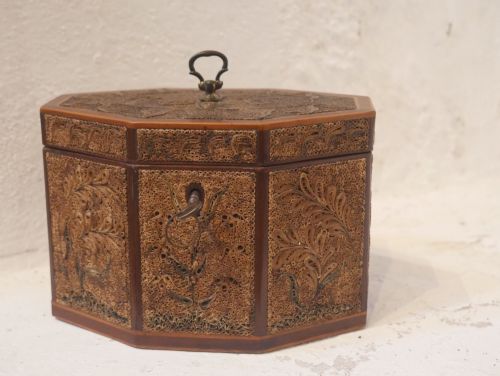
Georgian examples often feature straight sides, oval or octagonal footprints, and delicate veneer work such as satinwood, mahogany, or paper filigree. They frequently date from the eighteenth to early nineteenth century.
Look for hand-cut dovetail joints, brass key escutcheons, and period internal compartments intended for multiple varieties of tea.
What is Tunbridge Ware?
Tunbridge Ware is a specialised form of British decorative woodworking featuring tiny mosaic tesserae assembled from different coloured woods. These tiles create elaborate geometric patterns or pictorial scenes on the exterior of the box.
This technique was particularly prominent during the nineteenth century in workshops associated with makers such as Henry Hollamby.
Why do some boxes have glass bowls inside?
The central glass vessel served as a mixing bowl where different grades or types of loose tea leaves could be blended together before brewing. Servants or hosts prepared the blend directly in the caddy.
Surviving original glass bowls and mixing sticks add considerable completeness to a period tea chest.