
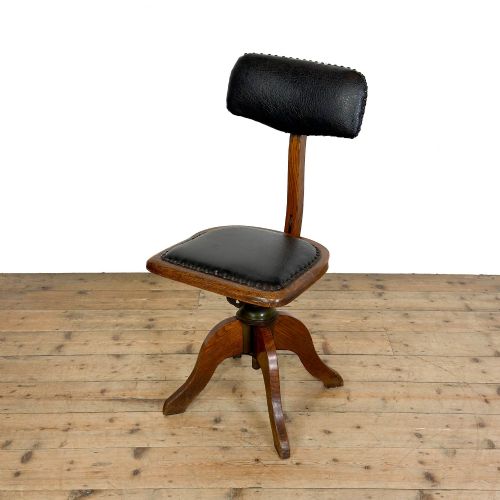
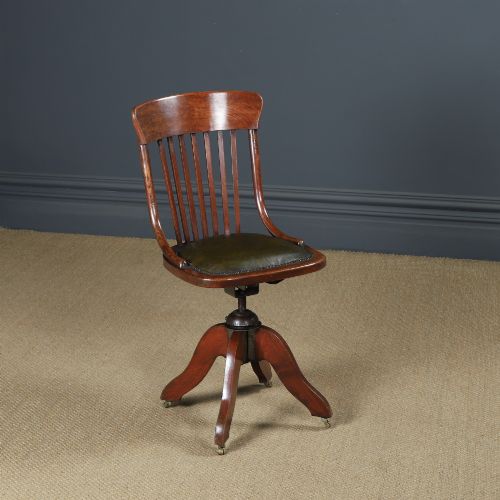
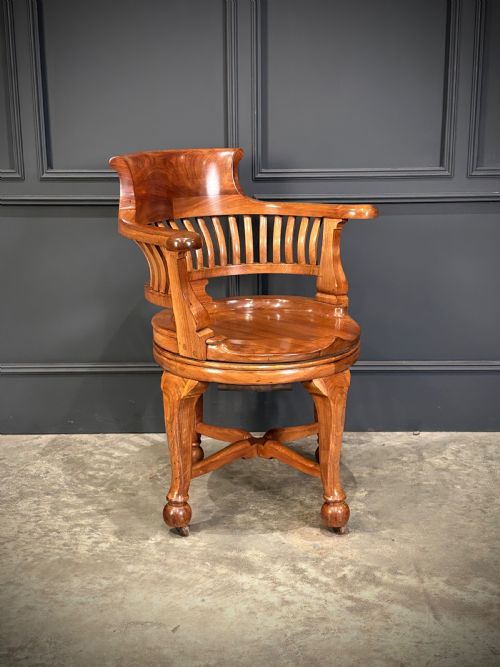
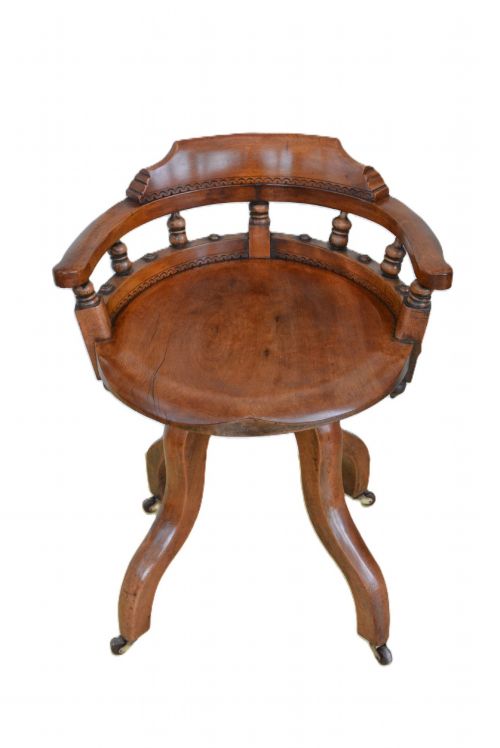
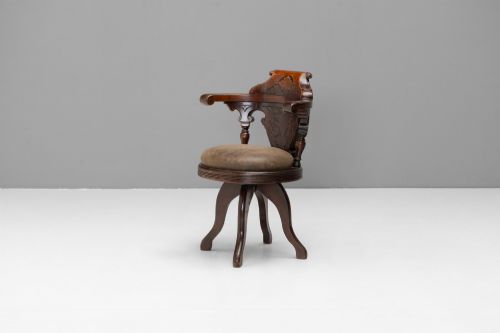


Wooden Swivel Office Chair
A wooden swivel office chair brings period character and practical rotation to a working space, drawing on Victorian and Edwardian ingenuity.
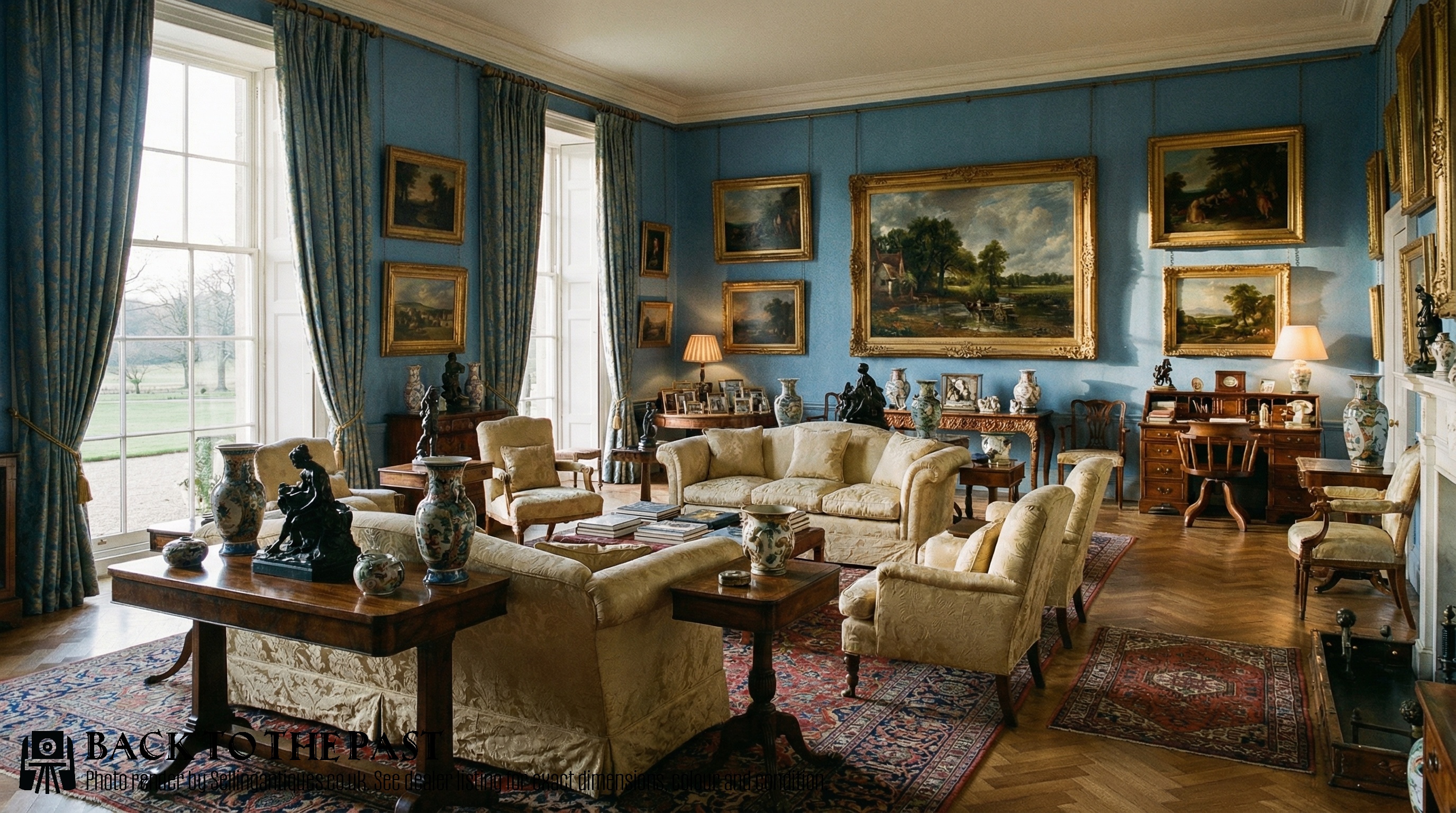
Wooden Swivel Office Chair
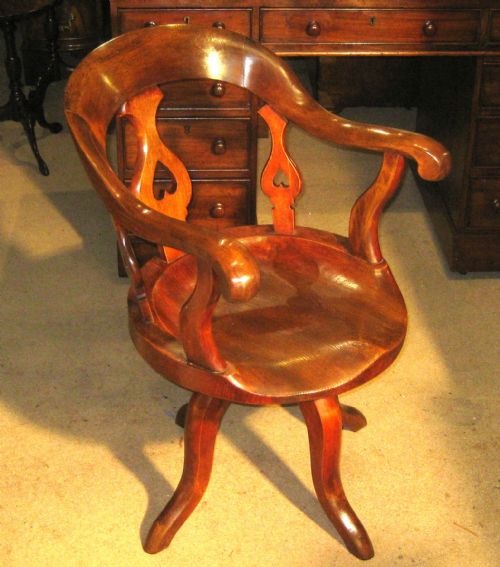
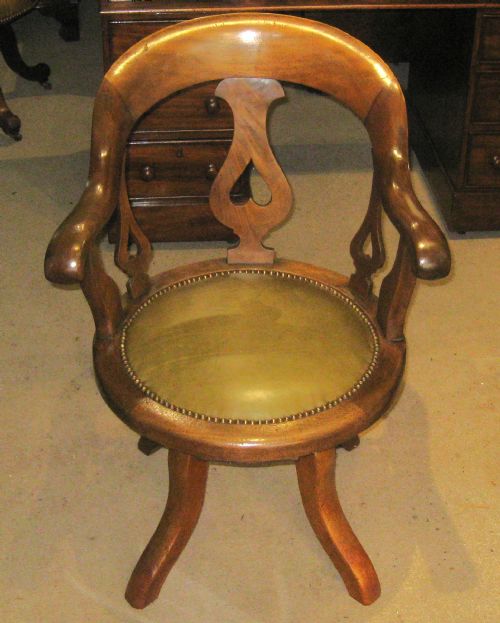
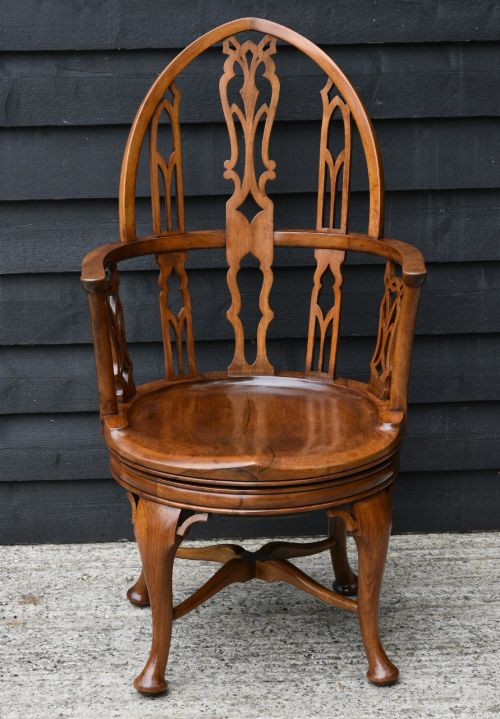
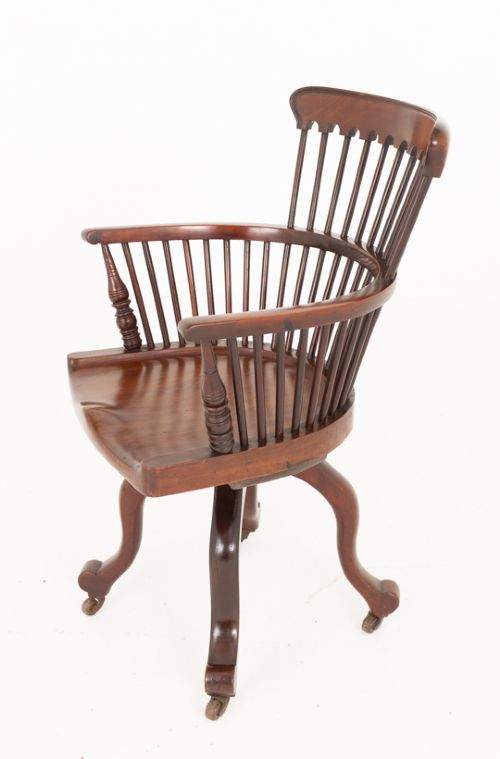
A wooden swivel office chair serves as a functional seating option designed for desks, combining historical timber frames with mechanical rotation. Buyers searching this phrase encounter desk chairs and office chairs originating from the Victorian, Edwardian, and early twentieth-century periods.
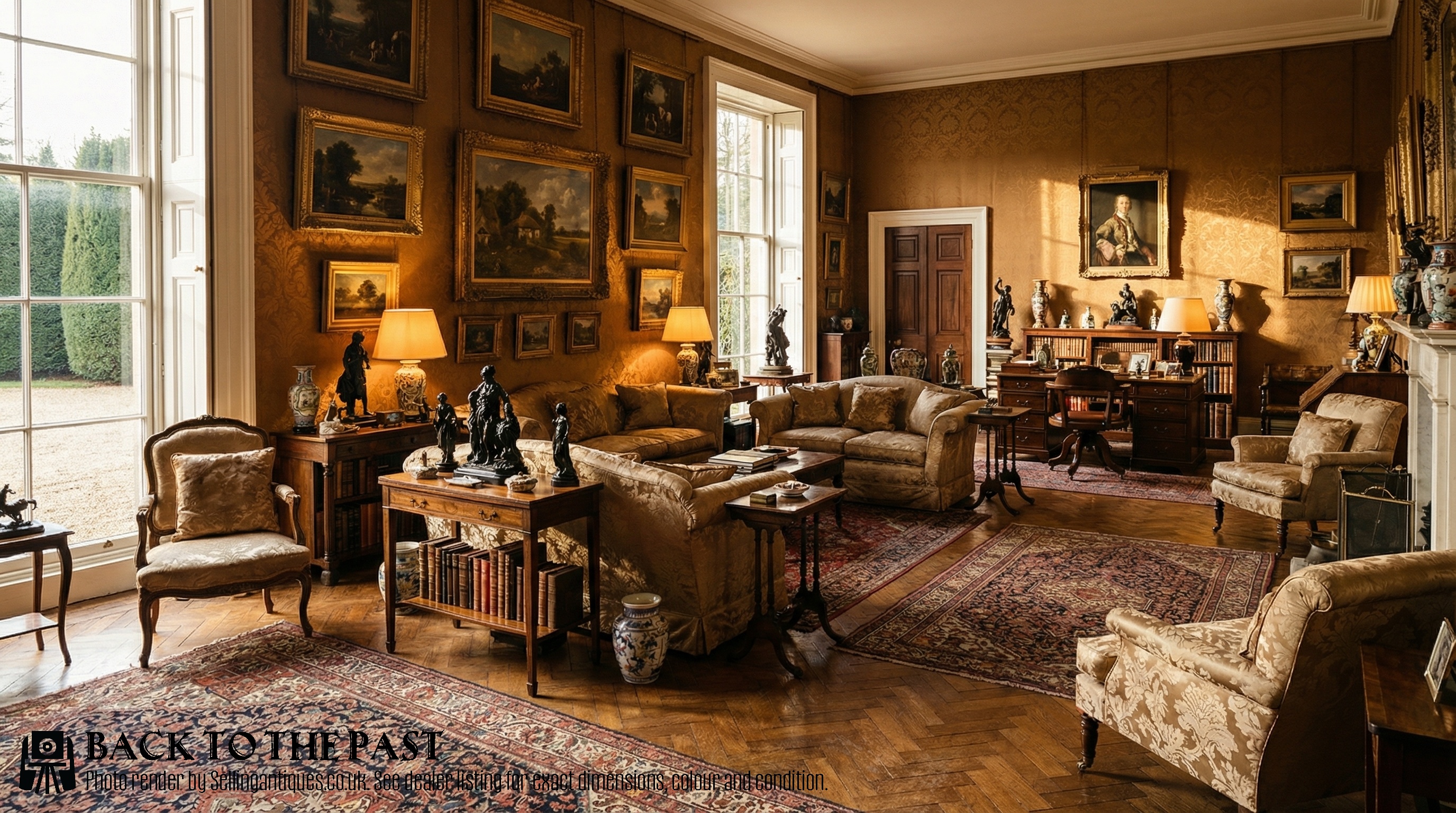
How they were made
Maker construction relies heavily on hardwoods such as oak, mahogany, walnut, beech, and ash to build durable frames. Timber components are frequently paired with metal, cast iron, and brass mechanisms that enable the revolving and tilting action.
Upholstered variations incorporate leather and hide seats, while bentwood techniques shape specific components. Artisans utilised carving and turning to ornament the wooden structures of these office seats.
Wooden Swivel Office Chair Retail Price Guide 2026
Typical asking prices for wooden swivel office chair among the pieces listed under this phrase on Sellingantiques today, from the lower quarter to the upper quarter. They describe what is for sale here now, not the wider market.
Listings span from the 1870s Victorian era through the Edwardian period to George V and the 1930s, using oak, mahogany, and walnut.
What varies in quality
Quality differences stem from the grade of timber selected and the complexity of the frame's carving or joinery. Solid mahogany or heavily carved oak examples demonstrate finer craftsmanship than simpler utilitarian pieces.
The sophistication of the swivel and tilt mechanism also dictates the tier of the piece. Robust iron and brass underframes provide smoother movement and longevity compared to basic hardware.
Edward William Godwin·Kendrick & Jefferson·Shoolbred
The Wooden Swivel Office Chair Glossary
- Swivel
- A mechanism allowing the chair seat to rotate fully on its base. This function permitted office workers to reach different parts of a desk without standing.
- Revolving desk chair
- An alternative term for a swivel chair designed specifically for office or library use. These items frequently feature adjustable height mechanisms.
- Bentwood
- Wood steamed and bent into curved shapes. This technique created rounded components for chair backs and frames.
- Bergere
- A type of chair featuring panelled cane work on the back or sides. Examples incorporate this woven detail into swivel desk designs.
- Captain's chair
- A sturdy timber armchair with a low, curved back rail supported by spindles. These forms were adapted into revolving office seating.
Wooden Swivel Office Chair: Frequently Asked Questions
How do I identify a Victorian swivel chair?
Victorian examples typically feature dense timbers such as mahogany or walnut, often accompanied by deep hand-carving or buttoned leather upholstery.
Look for nineteenth-century construction methods in the underside joinery and heavier cast iron swivel mechanisms characteristic of the period.
Are these chairs comfortable for daily use?
Many of these pieces were engineered for long hours at administrative desks, incorporating ergonomic curved backs and supportive armrests.
Variants with upholstered leather seats or tilt actions offer additional comfort suited to contemporary workspace requirements.
What is the difference between Edwardian and Victorian styles?
Victorian office seating tends to employ dark mahogany and walnut with heavier proportions and ornate carved details. Edwardian pieces frequently utilise lighter oak and beech timbers with simpler, more restrained aesthetic lines.
Edwardian designs also introduced rise and fall mechanisms alongside lighter Arts and Crafts influences.
How do tilt mechanisms work on antique chairs?
The tilt action relies on an under-seat spring and iron pivot assembly that allows the upper chair body to lean backward.
Adjustment screws permit the user to alter the tension of the tilt according to preference.