
Wooden Storage Shelves
These wooden storage shelves bring practical organisation and period character to a room, spanning bookcases, chiffoniers, and cupboards from the nineteenth century onward.
Wooden Storage Shelves
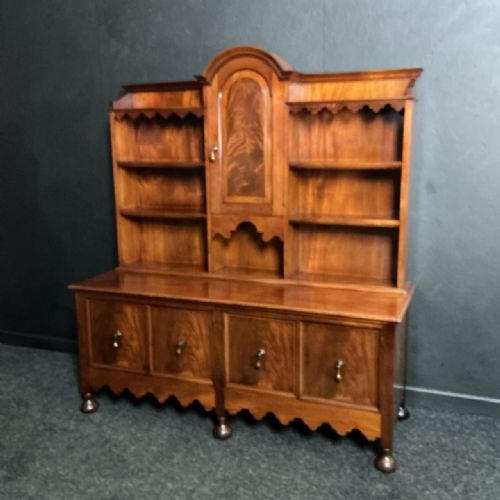
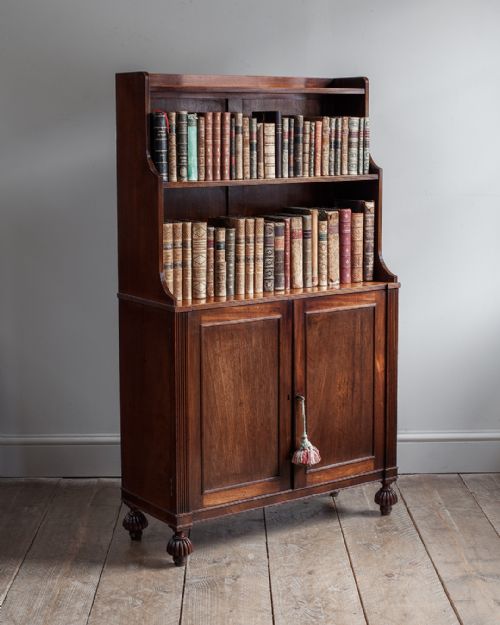
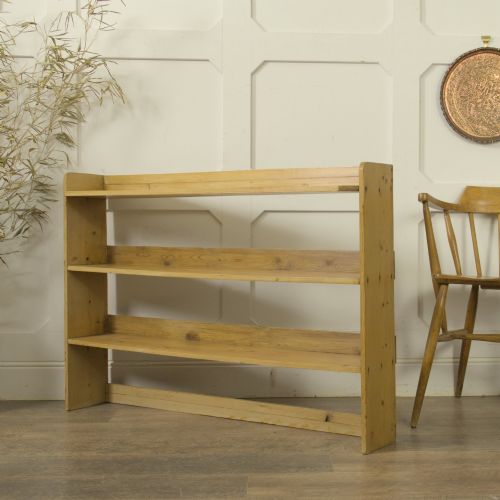
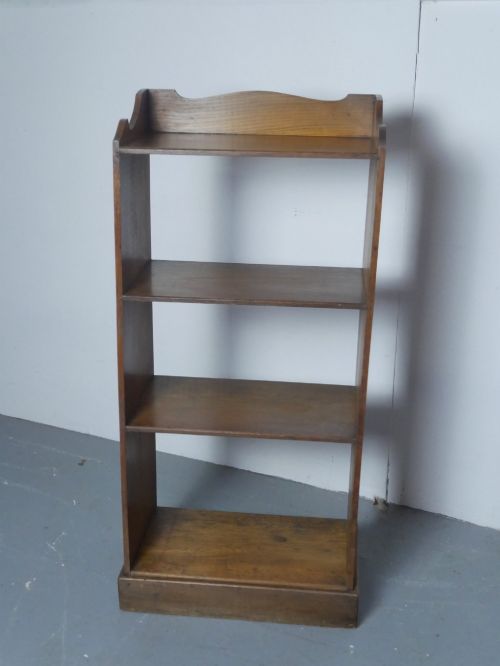
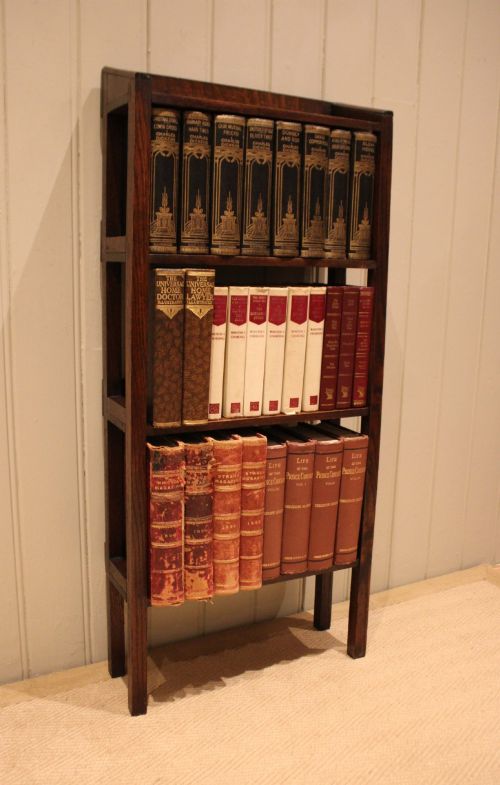
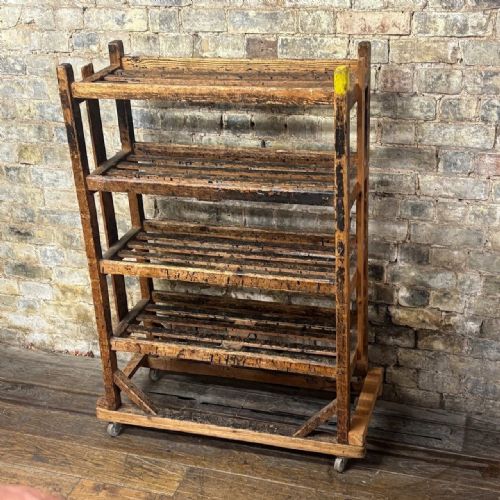
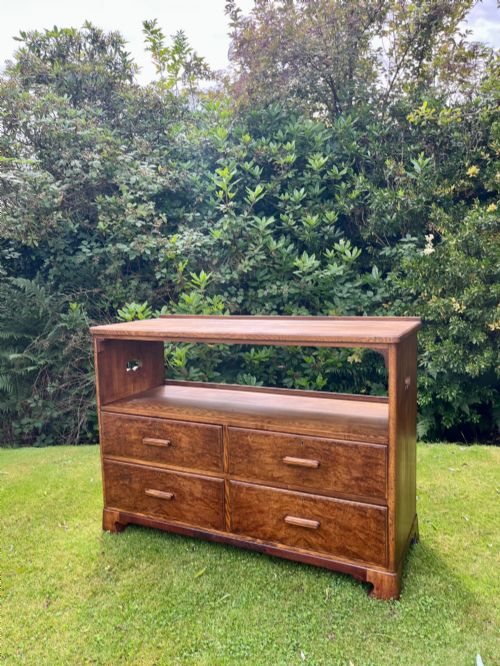
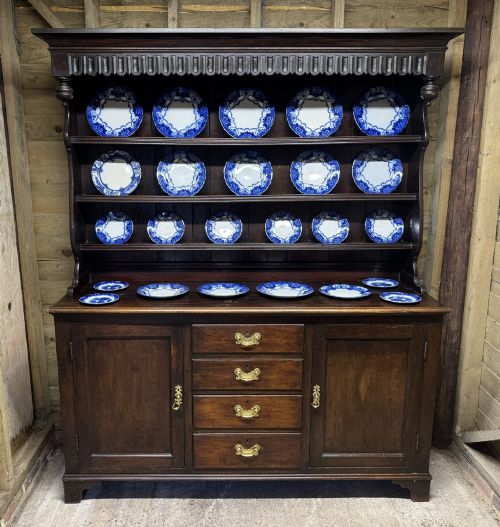
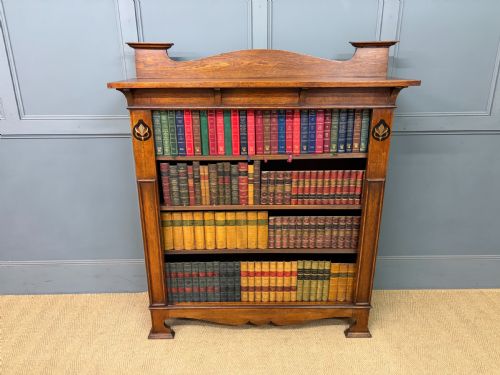
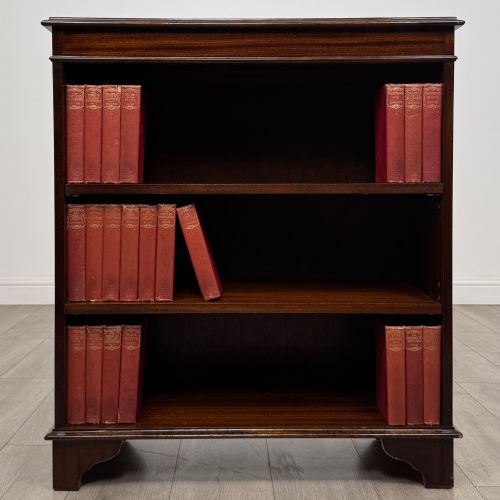
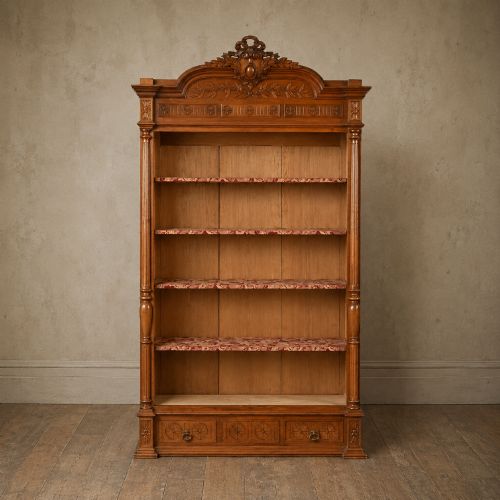
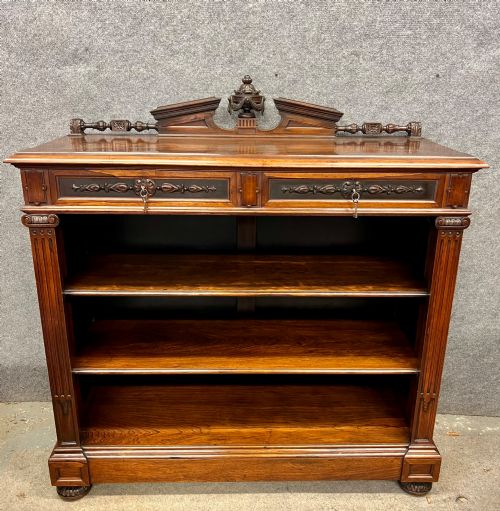
When you search for wooden storage shelves, you encounter a diverse group of domestic furnishings designed to hold books, display objects, or store household items. The selection ranges from towering library bookcases and gentleman's chiffoniers to provincial pine cupboards and utilitarian industrial shoe trolleys.
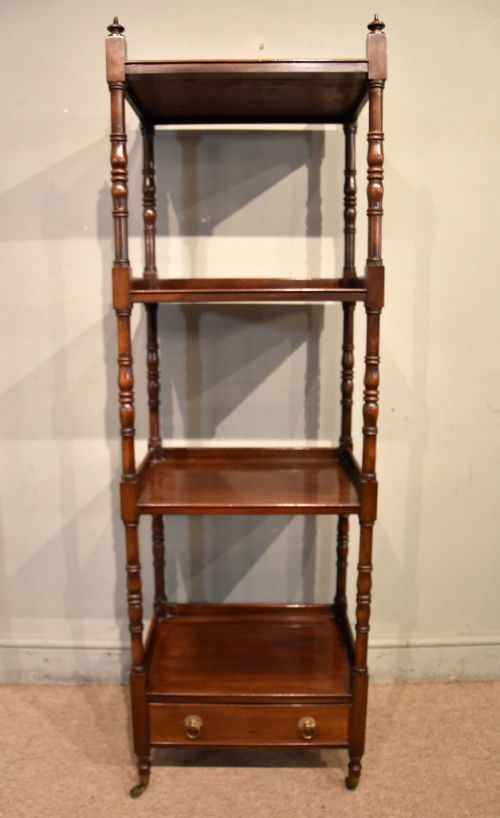
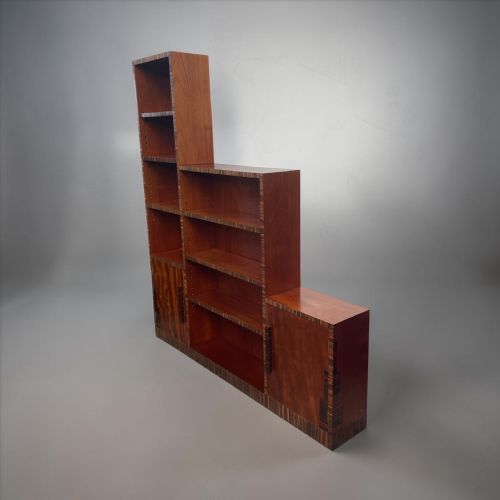
Mahogany and oak predominate across the pieces, supplemented by walnut, pine, elm, and teak. Forms include open front bookcases, tiered whatnots, wall cabinets, and revolving bookcases originating from periods such as the Regency, Victorian, Edwardian, and the 1930s.
Materials and Construction
Cabinet makers utilised solid timbers alongside figured veneers like mahogany, burr walnut, and amboyna, often incorporating adjustable shelving mechanisms and brass hardware. Secondary timbers such as pine appear in carcass construction and drawer linings, reflecting traditional joinery methods appropriate to each era.
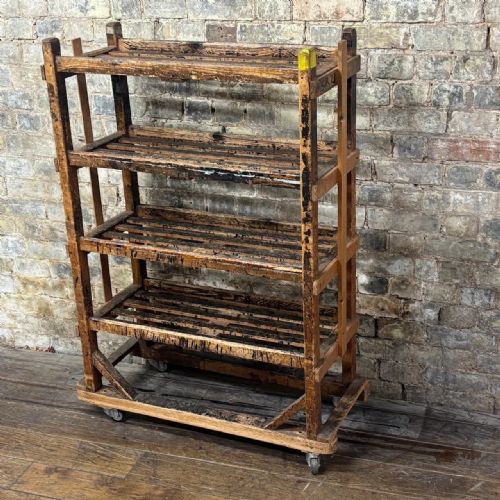
Industrial and utilitarian pieces introduce alternative construction techniques, employing robust iron fittings and salvaged elements like teak and cedar. Surface treatments range from waxed and polished finishes to original painted surfaces on regional pine and imported cupboards.
Storage forms include shoe trolleys, filing shelves, revolving bookcases, and breakfront cabinets alongside traditional open library bookcases.
Judging Quality and Execution
Quality reveals itself in the selection of timber, the crispness of carved detail, and the integrity of the original construction. Superior examples display carefully matched grain patterns, tight dovetail joints, and well-proportioned cornices that denote skilled workshop production.
The degree of original retention matters significantly, from untouched patinated surfaces to functioning internal mechanisms like adjustable shelf racks. Alterations, replacements of secondary timber, or unsympathetic refinishing diminish the integrity of an antique piece.
Whytock and Reid
The Wooden Storage Shelves Glossary
- Chiffonier
- A low sideboard cabinet featuring doors enclosing shelves, often surmounted by a shelf with a scroll back. This form developed during the Regency and Victorian periods for dining room storage.
- Whatnot
- A piece of furniture consisting of open shelves supported by slender pillars, used for displaying ornaments or books. Tiered examples frequently date from the nineteenth century.
- Barristers Stacking Bookcase
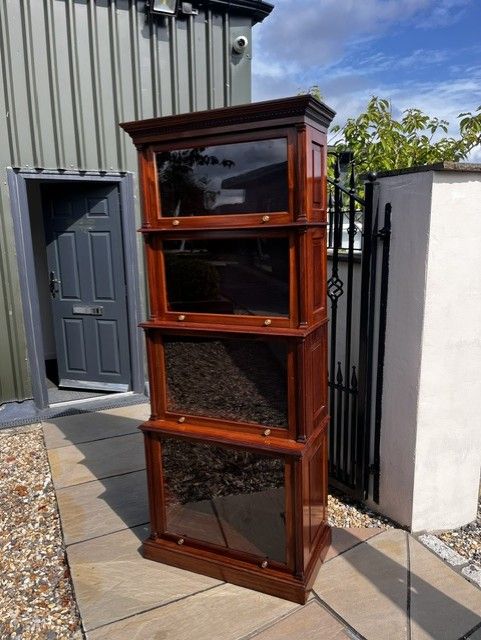
- A modular bookcase featuring glass-fronted sections that lift and slide inward. These units allowed lawyers to expand their libraries vertically.
- Breakfront
- A piece of furniture whose central section projects forward from the flanking wings. This architectural arrangement creates depth and shadow on large bookcases and sideboards.
- Revolving Bookcase
- A small, table-height bookcase mounted on a pivot mechanism allowing access to books from all sides. These typically date from the Edwardian era.
Wooden Storage Shelves: Frequently Asked Questions
How do I date a wooden bookcase?
Dating relies on examining the timber species, construction joints, and stylistic motifs present in the piece. Secondary woods and backboards often provide reliable clues regarding the period of manufacture.
Cabinet makers of different eras employed distinct techniques, such as hand-cut dovetails in earlier pieces versus machine-sawn components in twentieth-century examples.
Are shelves adjustable on antique bookcases?
Many nineteenth and twentieth-century bookcases feature adjustable shelving systems utilising wooden ratchets, brass studs, or metal track supports. This allowed owners to customise shelf heights for varying book sizes.
Fixed shelves are more commonly found in earlier provincial furniture and certain bespoke library installations.
How should I care for antique wood?
Maintain antique wooden surfaces by dusting regularly with a soft, dry cloth and avoiding placement near direct heat sources or strong sunlight. These precautions prevent the timber from drying out or warping.
Periodically feeding the wood with an appropriate wax polish helps preserve the finish and nourishes the natural grain without building up heavy residues.
What is the difference between a chiffonier and a sideboard?
A chiffonier is typically a more compact piece originating from the Regency and Victorian periods, featuring enclosed cupboard space beneath a surface or superstructure. Sideboards are generally larger dining room items designed for serving and storing broad sets of tableware.
Both forms utilise timber construction and often incorporate internal shelving behind panelled or glazed doors.