

Wooden Reading Desk
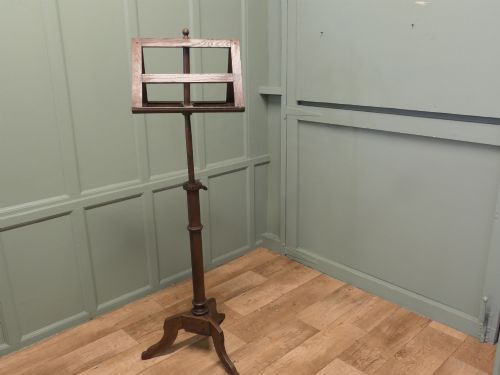
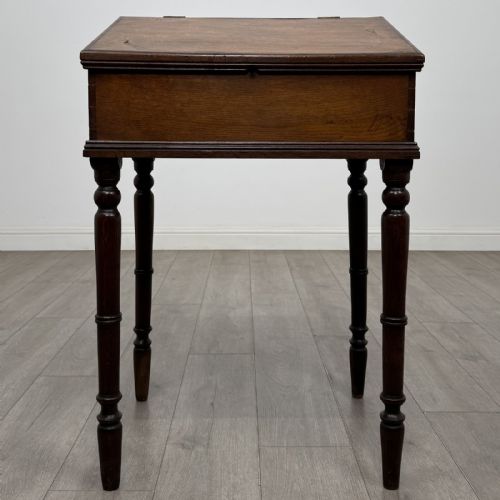
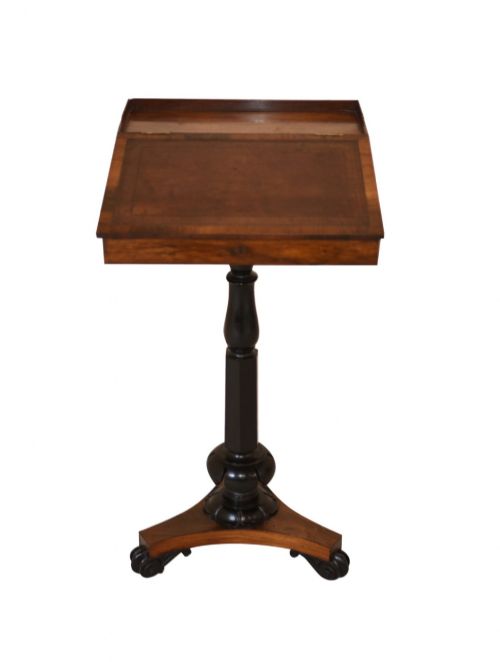
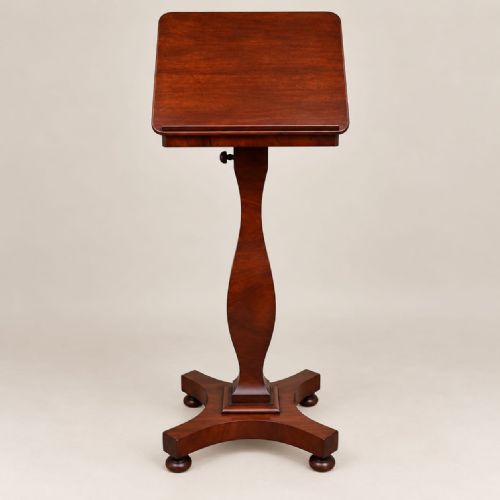
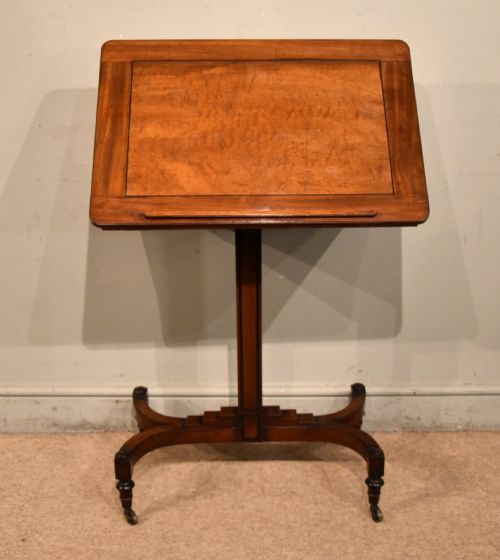
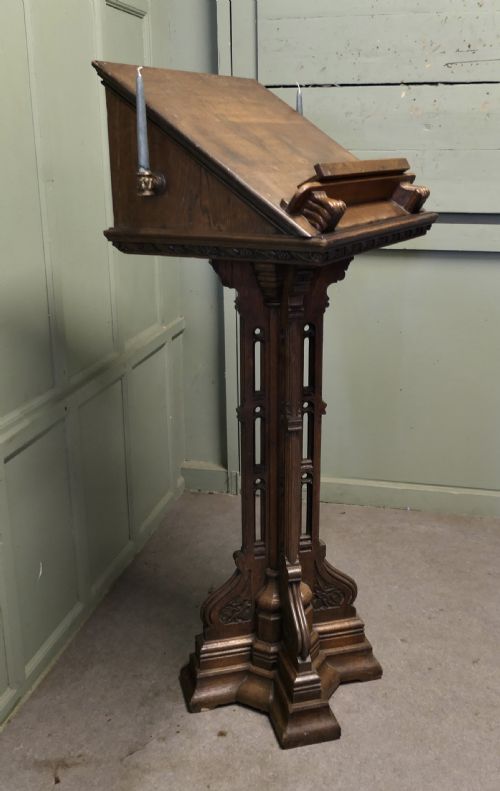
A wooden reading desk offers a sturdy surface for texts and scores, appearing here as adjustable tables, music stands, and heavy church lecterns.
Wooden Reading Desk
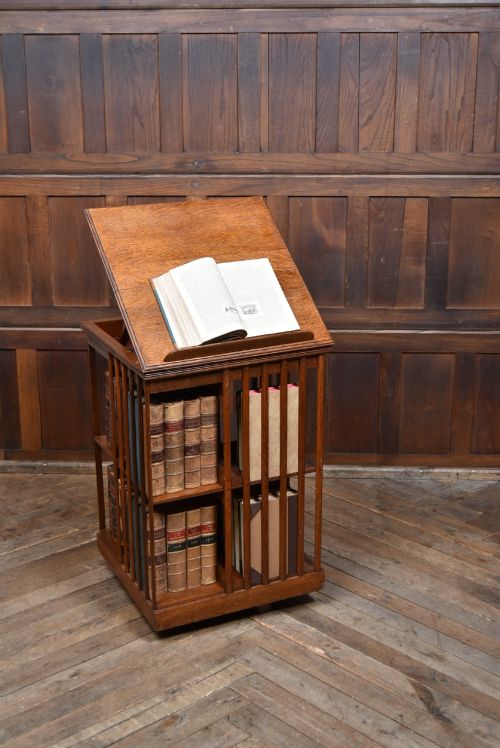
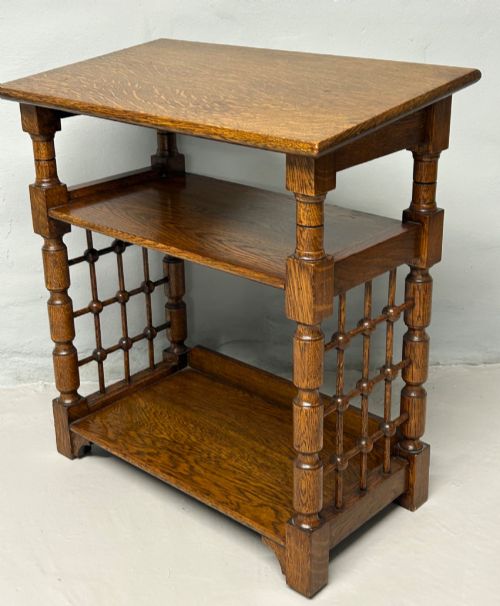
A wooden reading desk encompasses various forms designed to hold books, manuscripts, and sheet music at a comfortable angle for the reader. The selection ranges from tabletop book rests and revolving bookcases to floor-standing lecterns and adjustable reading tables.
Mahogany and oak dominate the pieces seen here, spanning periods from the eighteenth century through the Victorian and Edwardian eras into the twentieth century. Buyers often encounter pieces configured for specific tasks, such as music stands, church lecterns, and multi-tier reading tables.
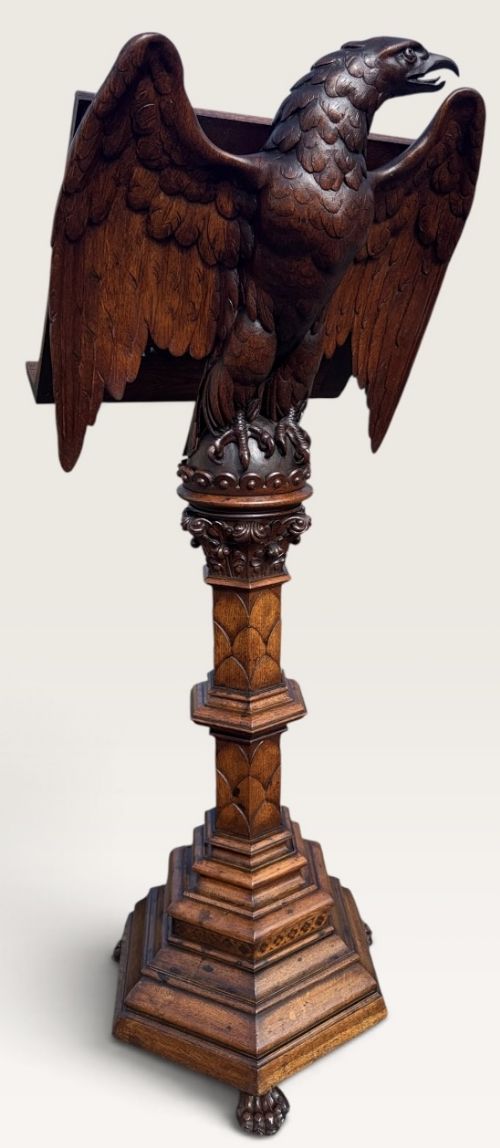
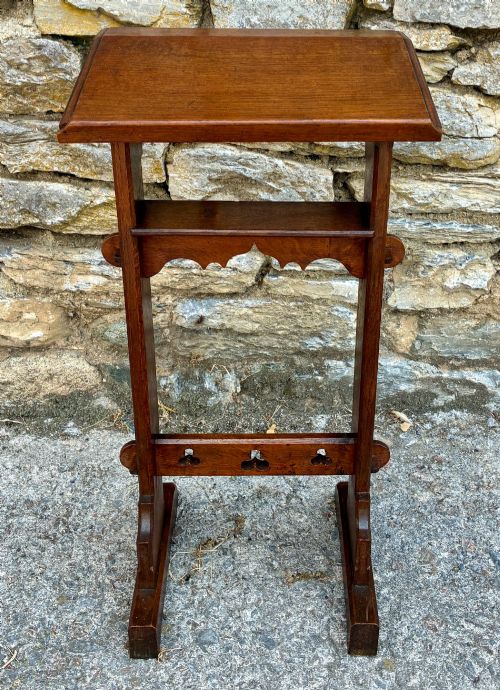
Stylistic influences vary widely across the inventory, incorporating Regency elegance, Gothic Revival carving, and Art Deco simplicity alongside English Country utility. Each form reflects the specific domestic, ecclesiastical, or scholarly requirements of its original period.
How they were made
Cabinet makers utilised dense hardwoods like mahogany, walnut, and oak to build structures capable of supporting heavy folios and bound volumes. Brass fittings frequently provide the mechanical adjustment needed for tilting surfaces and pivoting stems.
Joinery techniques combine pegged mortise and tenon joints in earlier oak pieces with sophisticated turning and veneering found in later mahogany and walnut furniture. Secondary woods such as pine and elm appear in concealed areas or utilitarian forms like church lecterns and Windsor chairs.
Wooden Reading Desk Retail Price Guide 2026
Typical asking prices for wooden reading desk among the pieces listed under this phrase on Sellingantiques today, from the lower quarter to the upper quarter. They describe what is for sale here now, not the wider market.
The listings show nineteenth-century and Victorian pieces dominating the selection of wooden reading desks and lecterns.
What varies in quality
Quality rests in the precision of the mechanical adjustments and the integrity of the timber selection, such as figured mahogany or burr walnut veneers. Subtle details like hand-carved ornamentation, brass binding, and balanced proportions distinguish finer examples from standard utility pieces.
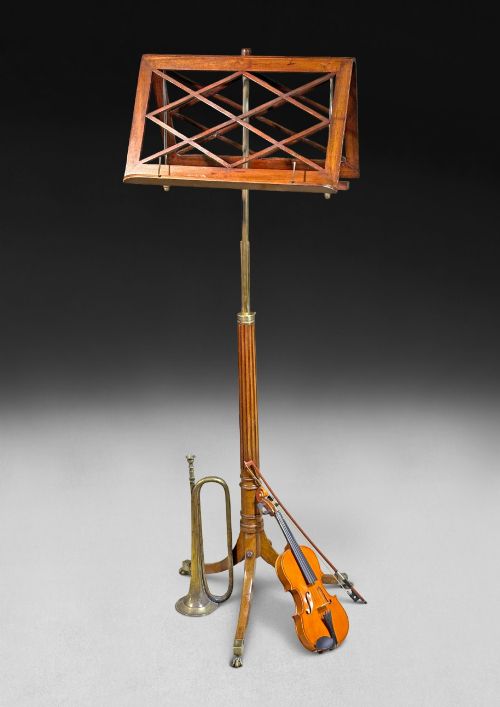
The sophistication of the design dictates the overall standing of an object, separating straightforward pine lecterns from complex, fully adjustable mahogany music stands or inlaid duet stands.
Hindley & Sons
The Wooden Reading Desk Glossary
- Lectern
- A tall stand with a slanted top designed to hold a book for reading aloud, commonly found in oak or pine.
- Reading stand
- A device featuring an adjustable rest to support books or music at an ergonomic viewing angle.
- Gothic Revival
- A nineteenth-century style drawing inspiration from medieval architecture, often seen in carved oak church furniture.
- Duet stand
- A music stand or lectern wide enough to accommodate two people sharing a single score or text.
- Bible box
- A small wooden desk box, often dating to the eighteenth century, used to store and support sacred texts.
Wooden Reading Desk: Frequently Asked Questions
What is a wooden reading desk used for?
These pieces provide a stable, angled surface to support books, manuscripts, and sheet music during study or performance.
They serve functional roles in libraries, studies, and churches, allowing readers to engage with texts comfortably.
How do I adjust the height and angle?
Many examples utilise brass ratchets, sliding stems, or screw mechanisms integrated into the central column.
These mechanical components allow the user to modify the viewing position according to individual requirements.
Are these pieces suitable for modern homes?
Compact tabletop book rests and adjustable tables integrate easily into contemporary workspaces and living areas.
Larger floor-standing lecterns and music stands require dedicated space to serve as focal points in a room.
How do I date a wooden reading desk?
Dating relies on observing timber choices, construction methods, and stylistic cues such as Regency curves or Gothic Revival carving.
Secondary woods and hardware fittings also provide reliable indicators of the period of manufacture.