

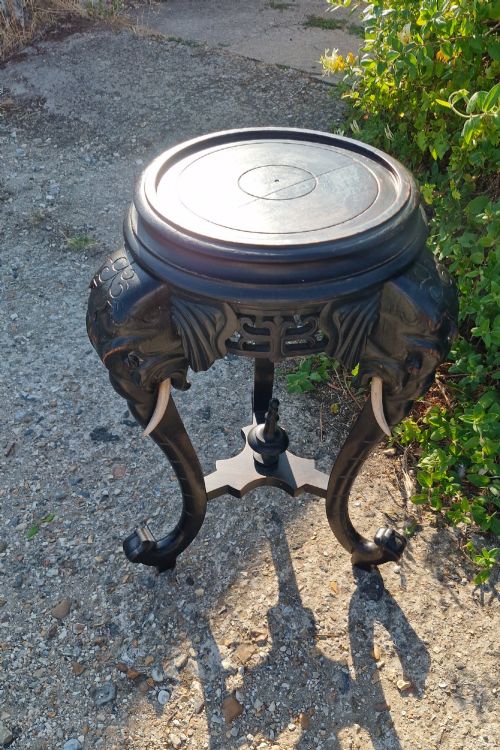
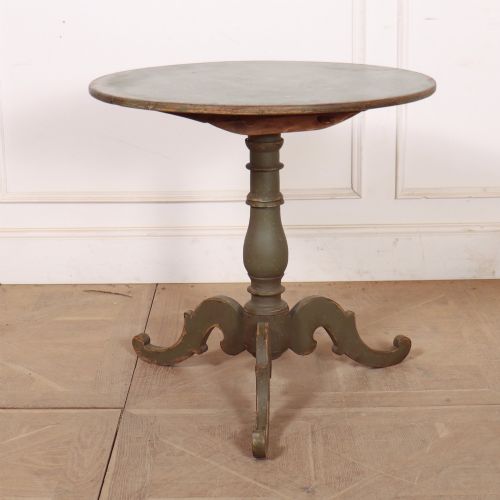

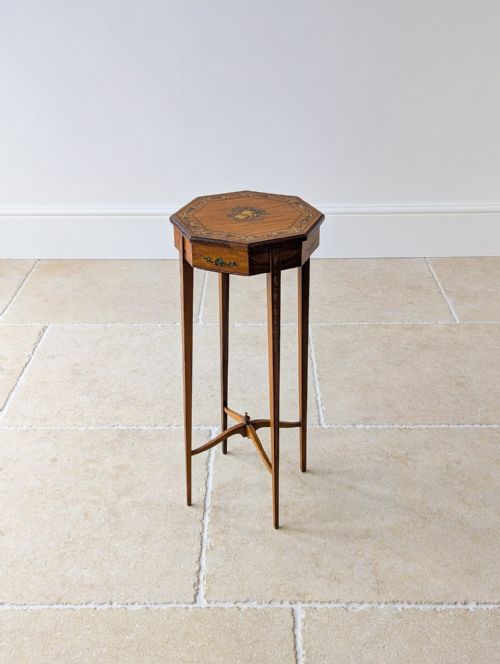
Wooden Painting Stand
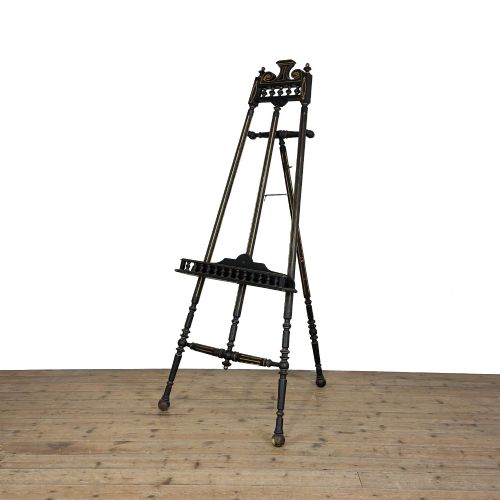
A wooden painting stand brings traditional support and display into a room, spanning studio formats and compact tabletop designs.
Wooden Painting Stand
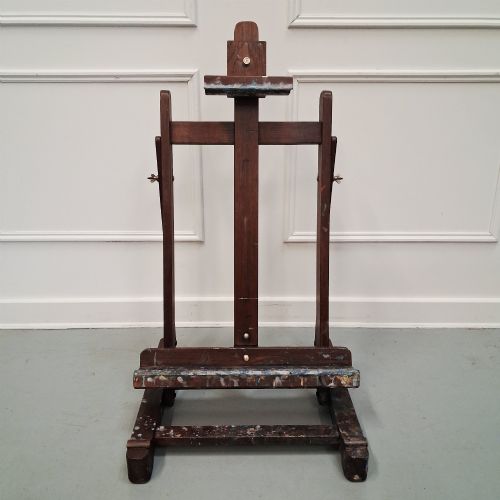
A wooden painting stand encompasses both functional studio apparatus and decorative display pieces found across the nineteenth and early twentieth centuries. These objects range from heavy floor-standing studio frames to compact oak and fruitwood tabletop versions.
The selection includes variations from Victorian and Edwardian makers alongside French provincial formats. Buyers encounter both robust working instruments designed for artists and lighter carved frames intended for showing pictures.
Materials and construction
Makers utilised dense timbers such as mahogany, oak, and satinwood to construct frames capable of supporting heavy canvases and panels. Brass fittings often appear on adjustable mechanisms, allowing sections to raise or lower securely.
Surface finishes vary from original paint to polished natural wood grains. French oak and pitch pine examples demonstrate traditional joinery suited to daily studio use or domestic display.
Listings feature oak, mahogany, and pitch pine alongside brass hardware across the nineteenth and early twentieth centuries.
Build and mechanism
Superior examples feature fully operational wooden adjustments and sturdy weight distribution that maintain stability at various heights. Finely carved detailing on display pieces separates standard utility items from more ambitious workshop output.
The integrity of the timber frame and the retention of original brass hardware heavily influence the character of each piece. Surviving surface treatments, whether plain polished wood or early paint, define the authenticity of the object.
Hendrie Ogg Dunfermline·D Straiton Montrose·Rickards Wotton Under Edge·G J Lines
The Wooden Painting Stand Glossary
- Easel
- A freestanding upright frame used for holding an artist's canvas or a finished picture for display. These can be adjusted for height and angle.
- Studio easel
- A heavy, robust version designed for working artists, frequently fitted with winding mechanisms and castors for mobility.
- Display easel
- A lighter, often decorative frame intended solely for exhibiting pictures or panels rather than supporting active painting.
- Pitch pine
- A resinous softwood utilised in nineteenth-century furniture and studio equipment for its strength and durability.
- Ebonised
- Wood treated with a dark stain or finish to imitate ebony, commonly seen in Victorian decorative pieces.
Wooden Painting Stand: Frequently Asked Questions
What is the difference between a studio easel and a display easel?
Studio versions are built heavy and strong to hold canvases safely while an artist works on them.
Display variants are lighter and often feature decorative carving suited to showing finished artworks in a room.
How do I adjust a nineteenth century floor standing easel?
Most period examples utilise wooden pegs, slots, or brass winding handles to raise and lower the central shelf.
Care should be taken with older mechanisms to ensure the timber slides smoothly without binding.
Are these stands suitable for modern homes?
Their architectural forms make them practical for exhibiting framed art, mirrors, or photographs without fixing items to walls.
Tabletop formats fit easily onto sideboards while larger floor models anchor empty corners.
What timbers were commonly used?
Makers selected hard and soft woods depending on the intended function, including oak, mahogany, and pitch pine.
Surfaces often retain polished grains or original paint finishes applied during the Victorian and Edwardian eras.