



Artist Studio Stand
An artist studio stand serves the workspace with practical height and sturdy support.
Artist Studio Stand
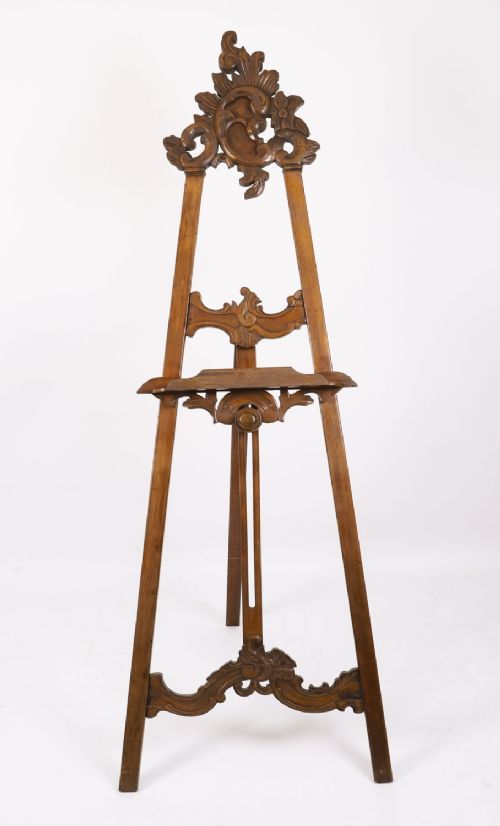
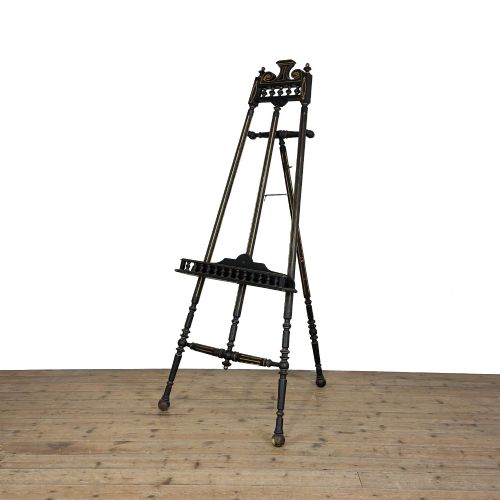
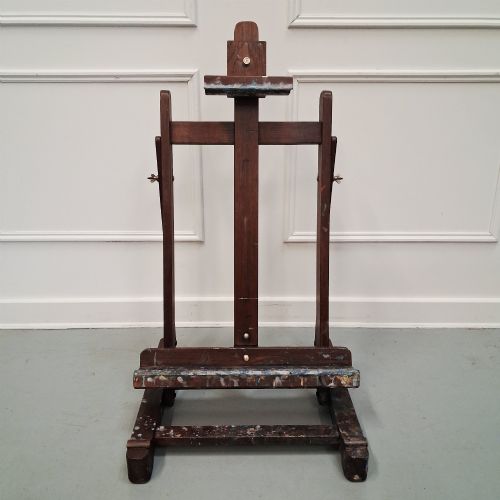
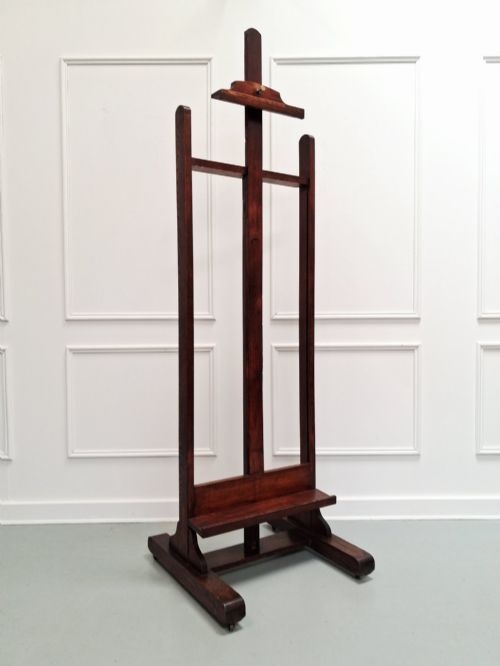
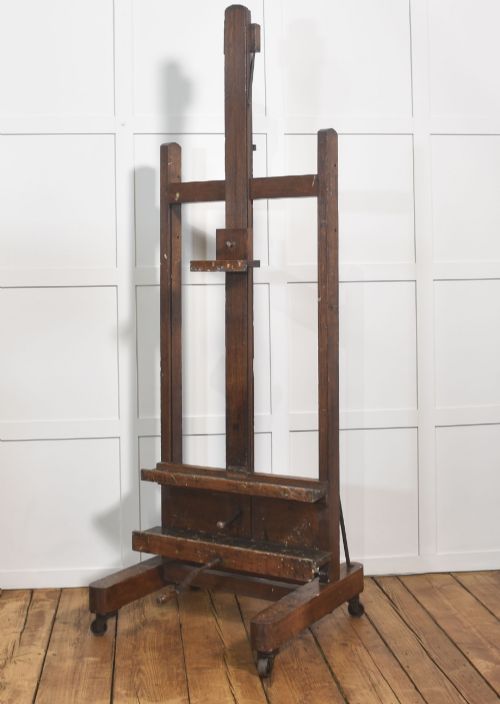
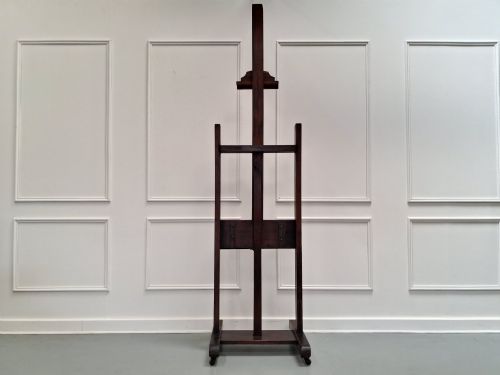
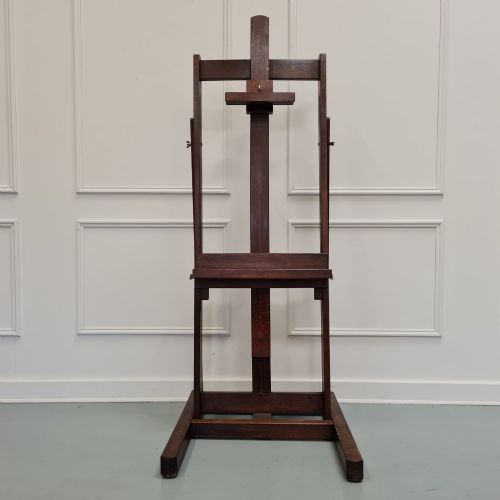
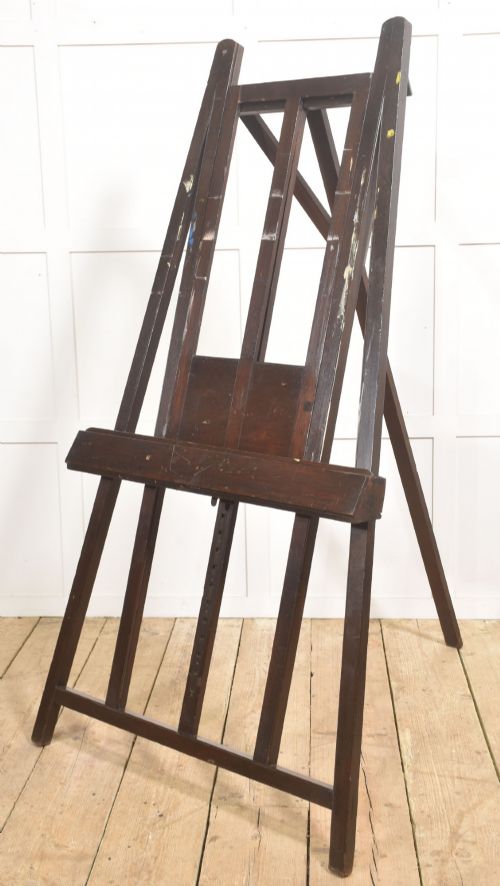
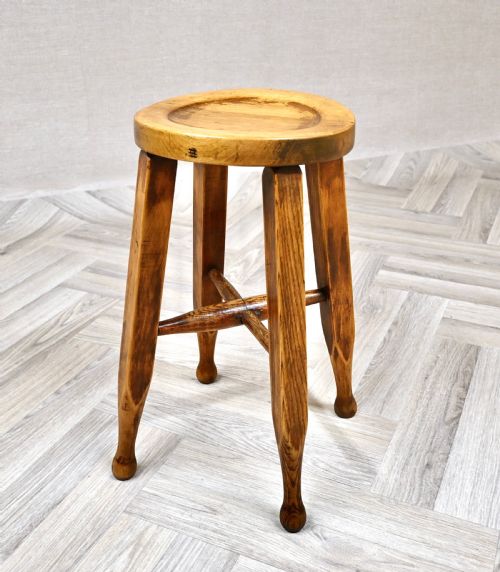
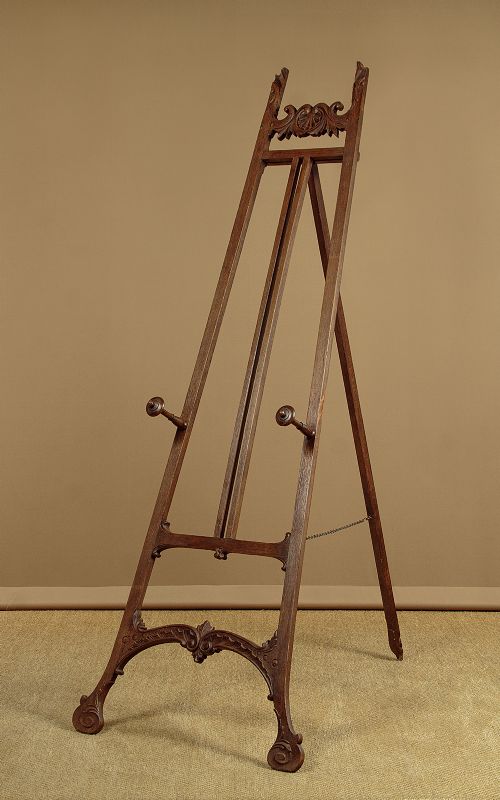
An artist studio stand provides solid footing for creative work, offering dependable utility in the workspace. These pieces include floor standing easels, tabletop easels, display stands, stools, life-size lay figures, and sculptors stands.
The materials span oak, mahogany, pitch pine, brass, cast iron, and painted wood, dating from the eighteenth century through the Victorian era, nineteen-hundreds, nineteen-tens, nineteen-twenties, and nineteen-thirties.
Aesthetic Movement, French provincial, French country, Art Deco, and eighteenth-century French influences appear across the selection, providing diverse forms for the studio.
How they were made
Makers utilised solid timbers such as oak, mahogany, and pitch pine, often joining them with sturdy mechanical adjustments for height and angle. Large frames relied on substantial wood sections to bear the weight of heavy canvases and sculptural work.
Metal components, including brass and cast iron, provided smooth movement for winding mechanisms and fully adjustable fittings. Painted finishes and ebonised treatments added protective layers and surface depth to wood and iron structures.
Object types span floor standing easels, tabletops, display stands, stools, sculptors stands, and life-size lay figures.
What varies in quality
The refinement of the mechanical adjustments defines the upper tier of studio furniture, distinguishing basic workshop utilities from pieces built for professional artists. Smooth operation in winding handles, gears, and sliding brackets shows superior engineering.
Choice of timber grain and the integrity of the joinery set finer examples apart from standard utility items. Solid mahogany and quarter-sawn oak display durability and stability that lesser pine or mixed woods lack.
Francois-pierre Guillois·Windsor and Newton·Roberson and Co
The Artist Studio Stand Glossary
- Easel
- A upright support used for holding an artist's canvas or panel during painting or display. Floor models often feature adjustable winches and heavy timber bases.
- Lay figure
- An articulated wooden mannequin used by artists to study drapery and human anatomy. Life-size examples stand upon dedicated wooden bases.
- Sculptor stand
- A heavy rotating platform or table designed to hold clay or stone during sculpture. These stands utilise robust timber and iron construction.
- Gallery easel
- A double-sided display stand built to exhibit finished works of art. They provide stability and dual viewing angles for large paintings.
- Aesthetic Movement
- A nineteenth-century design style emphasising visual beauty over narrative function. Ebonised finishes and geometric lines often characterise pieces from this period.
Artist Studio Stand: Frequently Asked Questions
What is an artist studio stand?
An artist studio stand is a functional piece of furniture designed to support creative work, ranging from heavy easels to sculptors stands and lay figures. These items provide stable platforms and adjustable heights for working artists.
Built from robust materials like oak, mahogany, and cast iron, they were engineered for daily studio use. Their enduring construction allows them to serve modern interiors equally well.
How do I date an antique easel?
Dating relies on identifying timber types, construction methods, and hardware styles. Nineteenth-century examples often feature hand-turned wooden knobs, cast iron mechanisms, and dense oak or mahogany frames.
Later pieces from the early twentieth century incorporate simpler lines and different finish treatments. Comparing the mechanical joinery to known period styles clarifies the manufacturing era.
Can I use a studio stand at home?
Studio stands adapt readily to contemporary domestic interiors as display pieces for paintings, photographs, or sculpture. Their adjustable frames allow them to hold artworks securely at eye level.
Their substantial timber construction and mechanical details bring industrial character and practical utility to living spaces. Many collectors use them to showcase large framed canvases.