


Rustic Timber Plant Stand
A rustic timber plant stand brings honest utility and natural form indoors, holding greenery on surfaces shaped by age and honest labour.
Rustic Timber Plant Stand
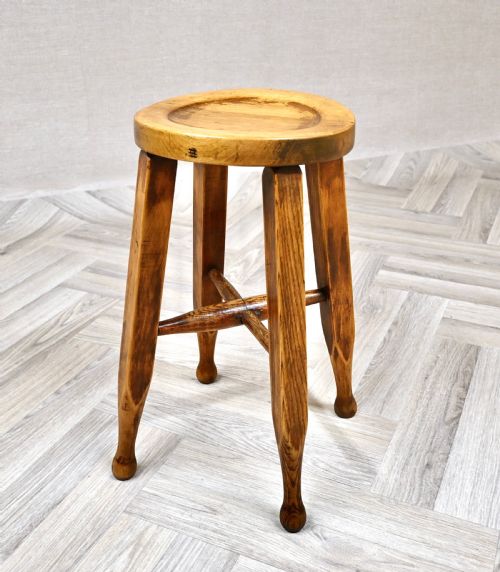
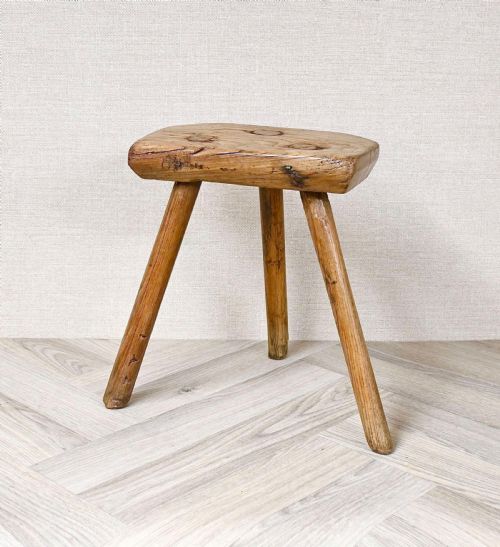
A rustic timber plant stand encompasses sturdy items originally built for functional daily tasks, repurposed to elevate plants in domestic interiors. Buyers searching for this phrase encounter domestic workhorses ranging from milking stools and chopping blocks to low side tables and sculptural plant supports.
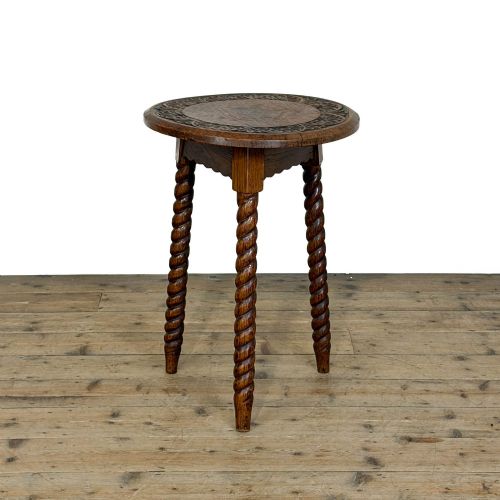
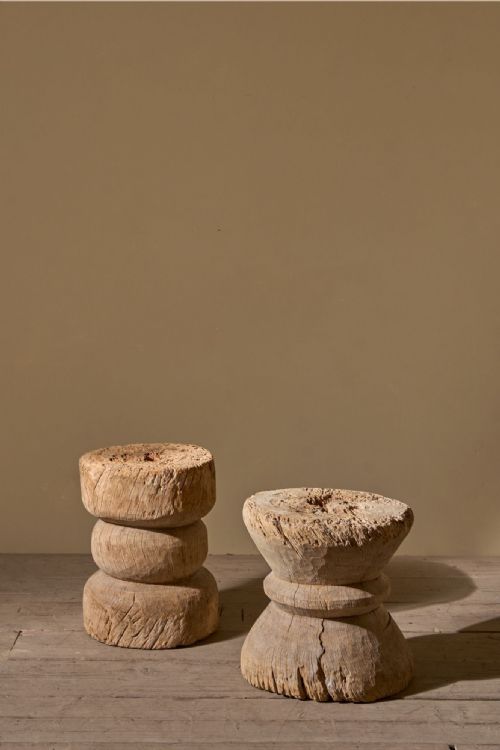
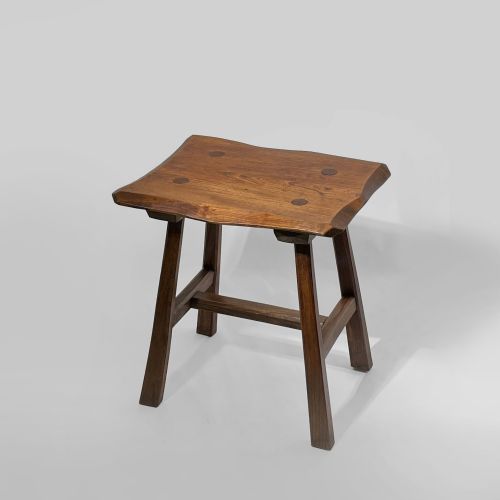
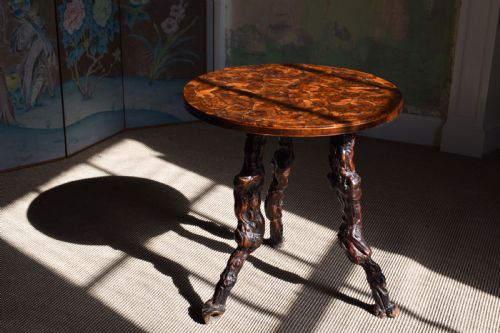
The pieces appearing on this page span several centuries and styles, drawing heavily from the nineteenth century, Edwardian period, and nineteen-thirties. Forms include tripod cricket tables, primitive stools, country draught top stools, and occasional tables shaped from solid woods.
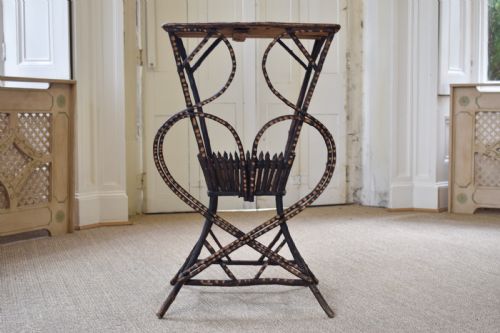
Origins stretch across British, French, and Chinese vernacular traditions, incorporating folk art twig work and Black Forest carving alongside industrial step ladders. Each object displays the straightforward construction and unpretentious character valued in country house interiors.
How they were made
Construction relies upon solid timbers such as oak, elm, pine, ash, and general hardwood, selected for strength and natural grain pattern. Makers utilised straightforward joinery, employing turned legs, peg fastenings, and sturdy stretchers to support heavy loads without decorative excess.
Surface preparation ranges from simple wax polishing on tree trunk game blocks and natural timber to pokerwork decoration and painted finishes on sculptors stands. Selected pieces incorporate iron elements or twig work, displaying the resourceful adaptation of raw materials found close to the workshop.
Materials range from oak and ash to rustic twigs and French tree trunk game blocks.
What varies in quality
Quality rests upon the integrity of the original construction and the character of the surface timber rather than fine cabinetmaking finish. Pieces retain greater appeal when the timber exhibits deep patination earned through decades of genuine domestic or workshop use.
Proportion and structural balance separate simpler utilitarian items from those possessing distinct folk art sculptural presence, such as grape vine tables or carved tripod stands. The strength of the joints and the honesty of the materials dictate the enduring utility of each stand.
The Rustic Timber Plant Stand Glossary
- Vernacular
- Everyday objects built by local craftspeople using regional materials, prioritising function over academic stylistic rules. These items reflect the practical needs of rural communities rather than metropolitan fashion.
- Cricket table
- A small, lightweight three-legged table traditionally used beside the hearth, ensuring stability on uneven flagged floors. The three-legged design prevents rocking without requiring complex levelling.
- Pokerwork
- A decorative technique using heated metal tools to burn designs directly into the surface of wood. This method creates dark, textured contrasts on stools and small tables.
- Milking stool
- A low, stable seat with three splayed legs designed for comfortable use during dairy work. Their sturdy proportions and portable scale suit modern plant display.
- Patiination
- The rich sheen and surface alteration developed by wood over years of handling, exposure, and waxing. It reveals the age and history of the timber.
- Hardwood
- Timber derived from broad-leaved deciduous trees, offering dense and durable qualities suitable for heavy daily use. Oak, elm, and ash fall into this resilient category.
Rustic Timber Plant Stand: Frequently Asked Questions
Can these stands support heavy potted plants safely?
Solid timber construction and sturdy leg placement provide reliable support for substantial pots and trailing foliage.
Checking the stability of the joints ensures the piece holds weight securely on indoor flooring.
How do I clean a antique rustic plant stand?
Dusting with a dry cloth preserves the aged surface without stripping the natural oils and accumulated polish.
Applying a traditional beeswax occasionally nourishes the timber and maintains the subtle lustre of the grain.
Are these pieces treated for woodworm?
Historic timber frequently bears past signs of inactive insect activity, which adds to the honest character of vernacular furniture.
Inspect the interior surfaces and treat them with a specialist preventative fluid if any powdery residue appears.
How do I date a primitive wooden stool?
Examining tool marks, nail types, and the method of leg attachment provides clues to the era of manufacture.
Hand-turned spindles and pit-sawn boards typically indicate nineteenth-century or earlier rural craftsmanship.
Will dampness from watering plants damage the wood?
Moisture can leave water rings or raise the grain on untreated timber surfaces over extended periods of time.
Placing a discreet saucer or protective pad beneath plant pots prevents water damage while keeping the stand secure.