


Antique Artist Display Stand
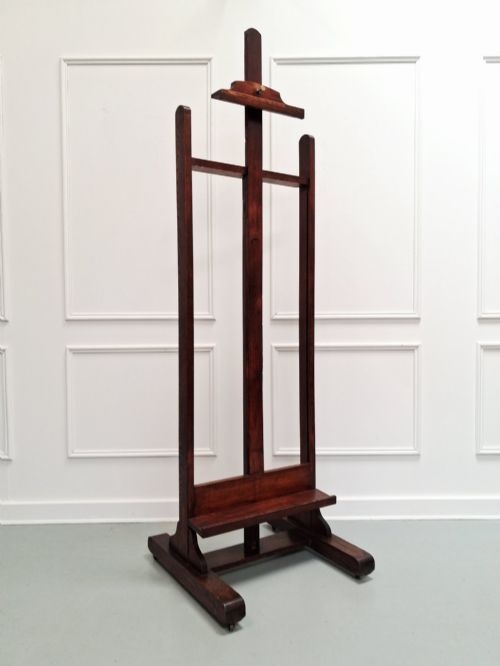
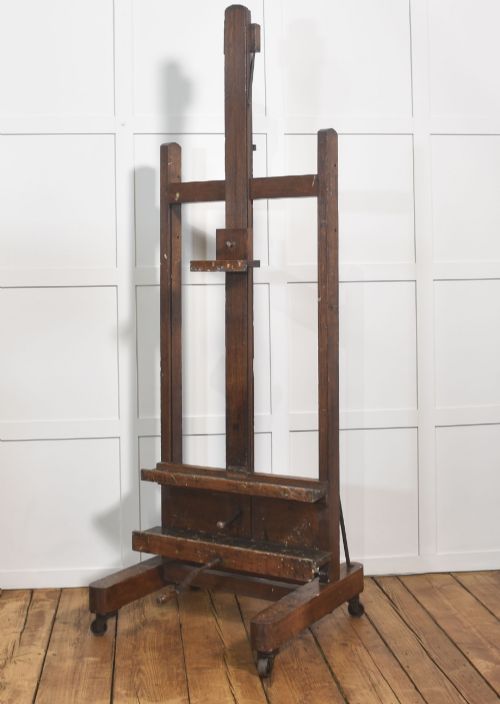
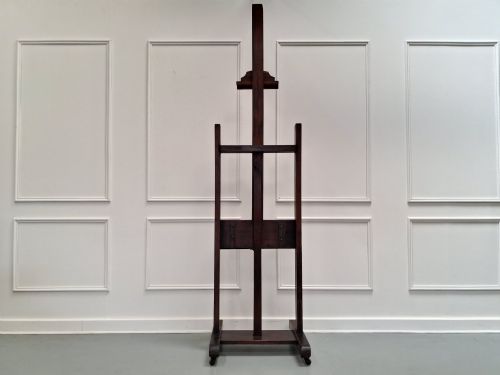
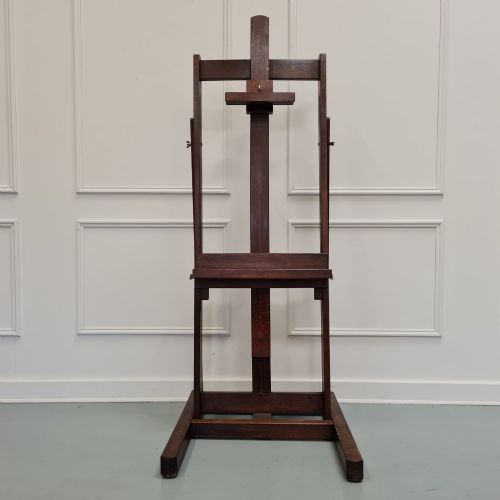
An antique artist display stand holds your pictures, folios or sculptures while bringing solid wood and metal craft into the room.
Antique Artist Display Stand
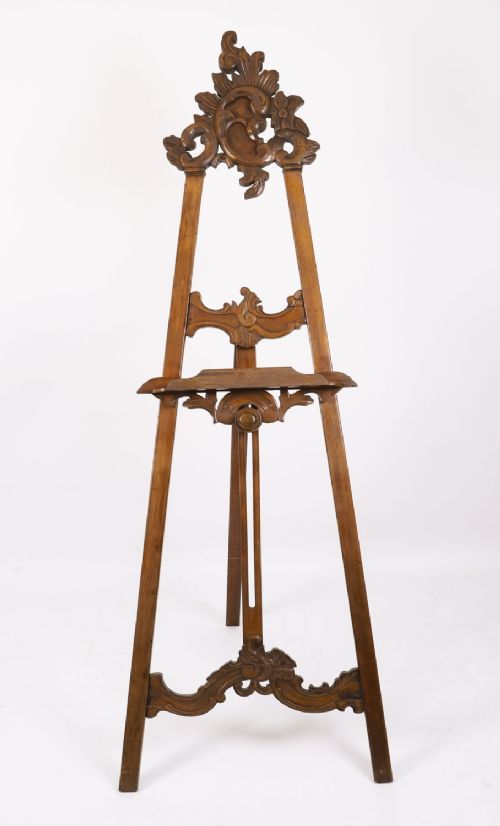
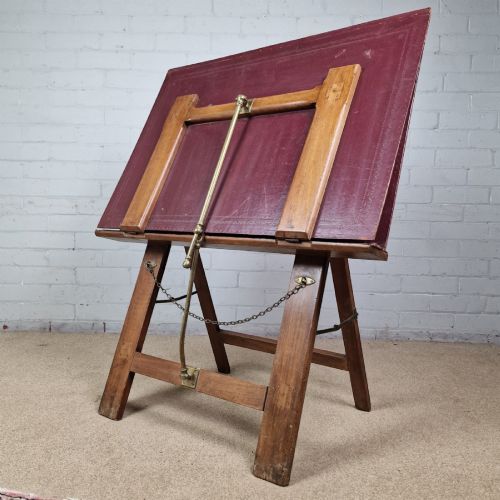
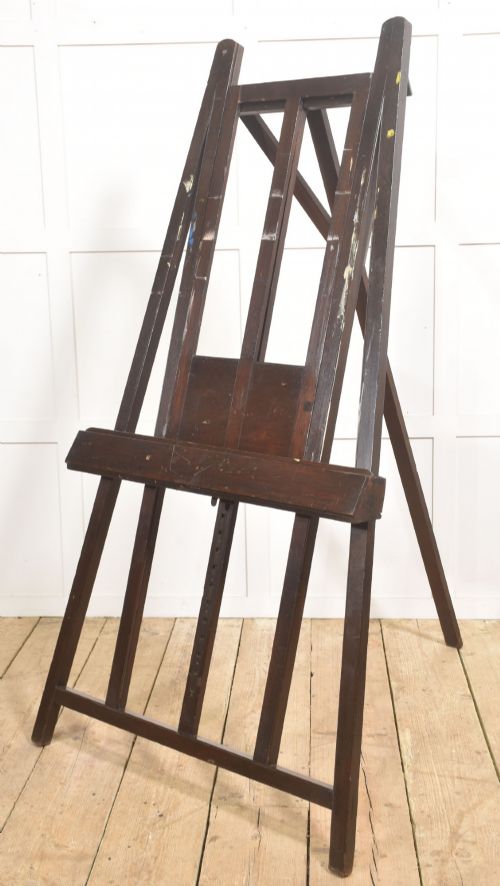
When you search for an antique artist display stand, you find a practical tool built for working painters, architects and collectors to hold canvases, folios or sculptures. These pieces range from towering studio tripods to tabletop rests and floor-standing folio racks designed to store large papers.
The versions you meet most often on this page are oak studio easels from the nineteenth century and mahogany folio stands from the Regency and Victorian periods. You also encounter French oak and pitch pine examples from around nineteen hundred, alongside bamboo and cast iron variations.
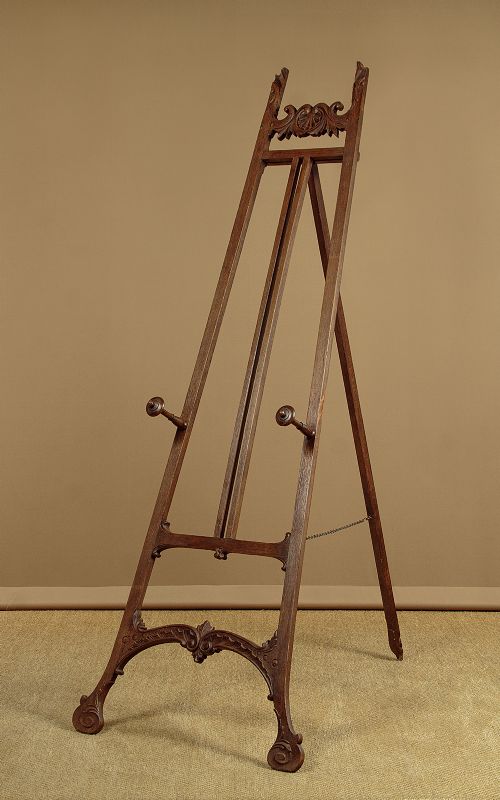
Beyond the large studio frames, the selection includes gallery easels with double-sided presentation boards and painted sculptors stands meant to rotate heavy clay or stone. Each form serves a specific studio function, turning utilitarian workshop equipment into architectural furniture for the home.
Materials and construction methods
Makers built these stands using dense hardwoods like mahogany, oak, walnut and pitch pine to withstand the weight of heavy framed canvases and stone sculptures. Structural iron, brass and cast iron appear in the winding handles, ratchet mechanisms and adjustable brackets that let artists alter the height and angle of their work.
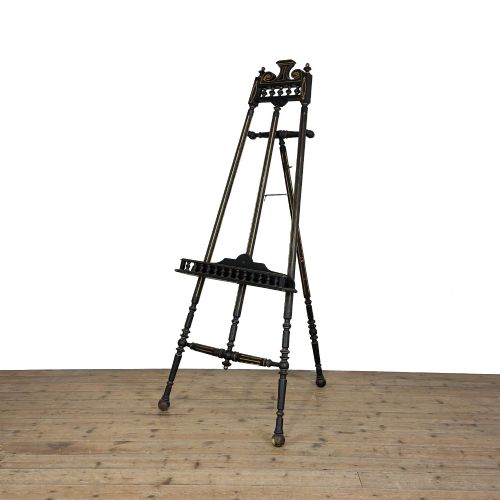
Joinery methods focused on strength and utility, utilising robust peg joints, threaded metal screws and sliding wooden blocks to support fully adjustable studio frames. Ebonised finishes, ivory inlay and painted surfaces add decorative detail to pieces destined for gallery display rather than the rough conditions of a working painter's loft.
Listings feature oak, mahogany, walnut, pitch pine and bamboo, alongside metals like brass and cast iron.
Distinctions in construction and design
The top of the range consists of fully adjustable studio easels and folio stands with working brass ratchets, original turning handles and heavy timber frames that remain completely stable under load. Simpler pine or beech items made for basic student use sit lower down the scale, lacking the complex mechanical adjustment of professional architect and master artist models.
Refinement of timber selection and decorative flourishes also separate standard utilitarian stands from exceptional pieces. Ebony veneered walnut, intricate carved oak details, bamboo structures and designated studio signatures elevate a functional workshop rack into a piece of fine furniture.
Windsor and Newton
The Antique Artist Display Stand Glossary
- Folio stand
- A low rack designed to hold large art prints, maps or architectural drawings flat or at a sloping angle. These pieces typically feature folding wooden sides and canvas webbing.
- Studio easel
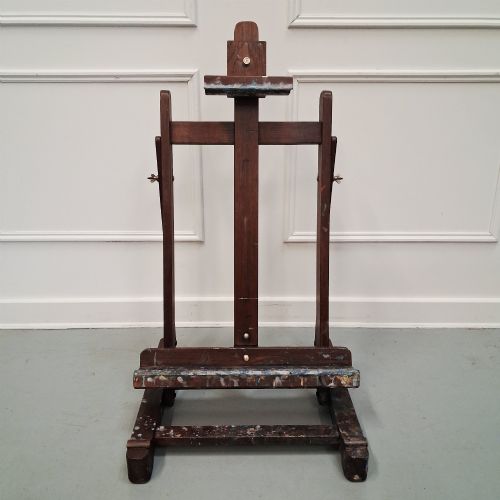
- A heavy floor-standing wooden frame equipped with sliding brackets and winding mechanisms to support large canvases while an artist works. They are built for maximum stability.
- Gallery easel
- A display stand designed to exhibit finished paintings to potential buyers rather than hold work during creation. They often feature double-sided boards or decorative pillars.
- Ebonised
- Wood treated with a dark finish to imitate expensive ebony. This technique appears frequently on Victorian aesthetic movement pieces.
- Ratchet mechanism
- A notched metal bar and catch system used on adjustable stands to alter the height of the painting shelf securely.
Antique Artist Display Stand: Frequently Asked Questions
What is the difference between a studio easel and a display easel?
Studio easels are heavy, functional wooden frames built with mechanical cranks and adjustable brackets to hold active canvases during the painting process.
Display easels are generally lighter or more decorative structures designed to exhibit finished artwork in a gallery or home setting.
How do folio stands work?
Folio stands feature pairs of sloping wooden sides joined by folding stretchers and supported by canvas or leather slings.
They keep large loose prints, drawings and maps flat and accessible without creasing the paper.
Can these stands hold heavy modern framed art?
Most nineteenth-century studio stands and mahogany folio racks were engineered to support heavy oil paintings and thick wooden stretchers.
Their solid oak or mahogany frames provide substantial weight capacity for large modern art.
How do I identify the period of an easel?
Period identification relies on timber choice, hardware style and construction methods such as hand-cut dovetails or cast iron ratchets.
Regency pieces often feature polished mahogany with brass fittings, while Victorian items lean towards ebonised finishes and heavy oak.