
Vintage Wood Occasional Table
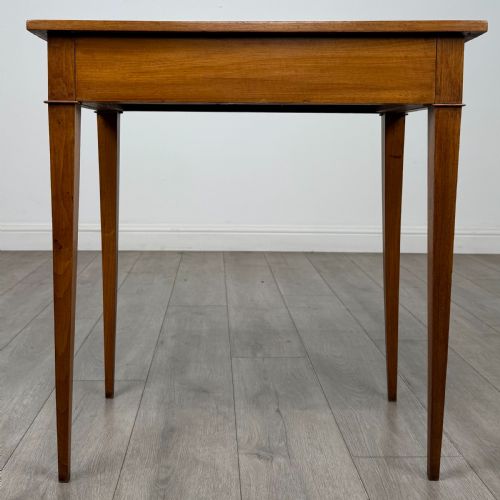
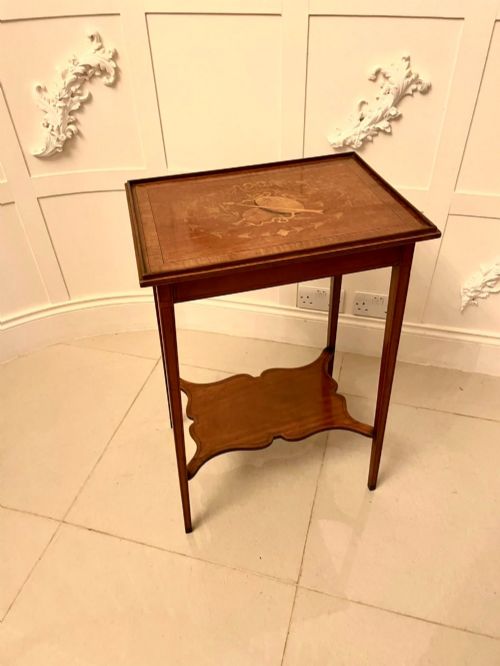
A vintage wood occasional table brings practical surface space and period character into a room without dominating the floor plan.
Vintage Wood Occasional Table
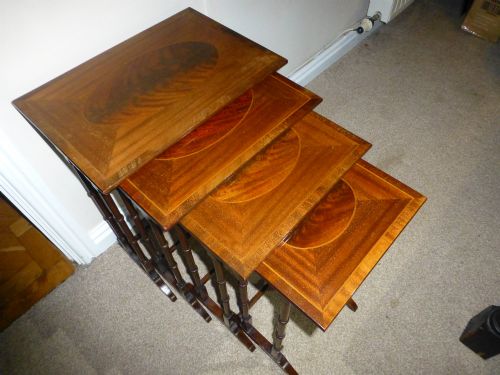
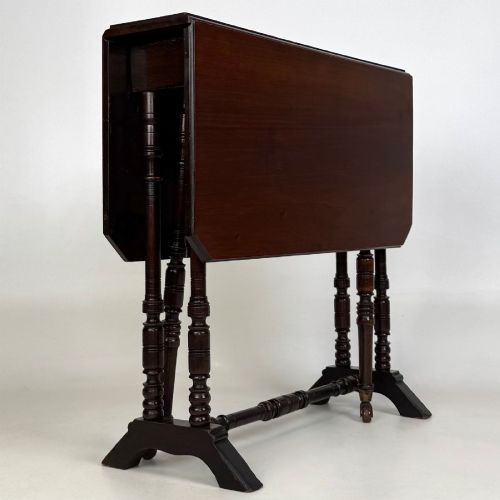
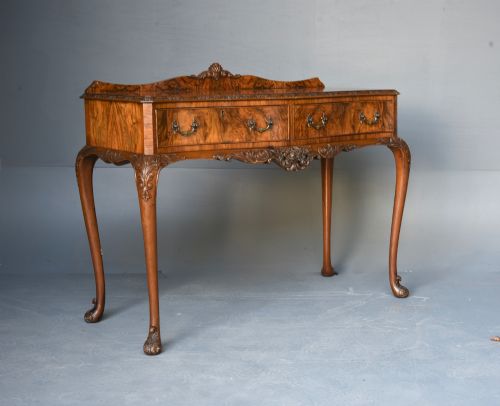
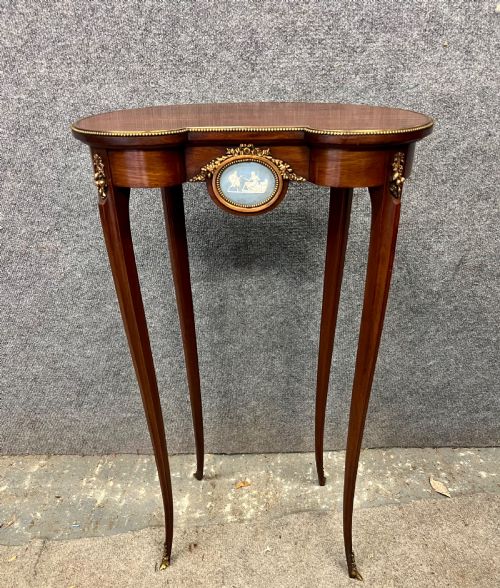
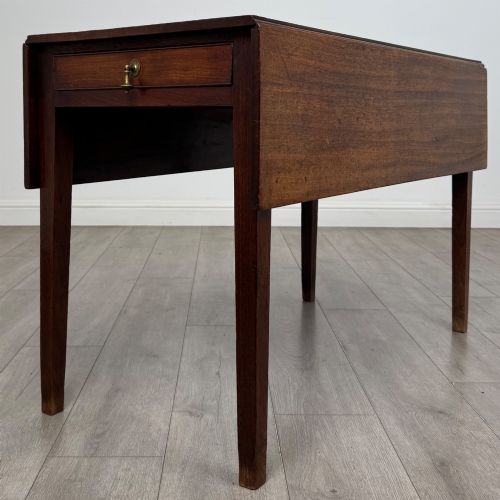
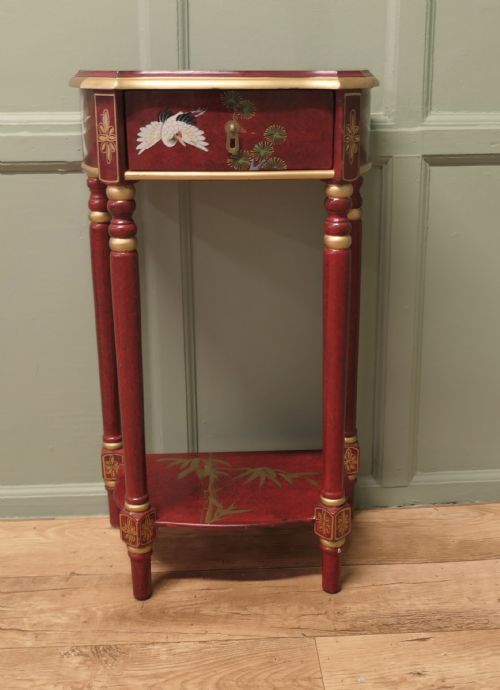
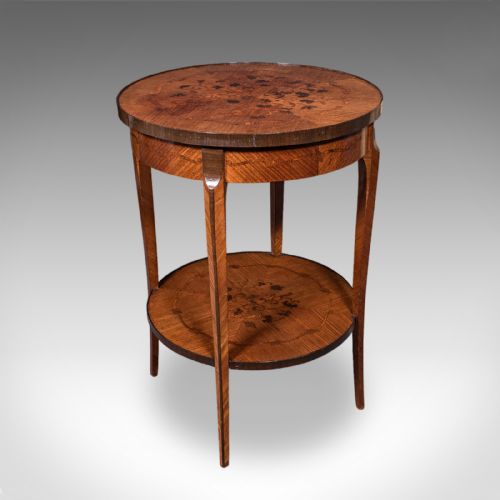
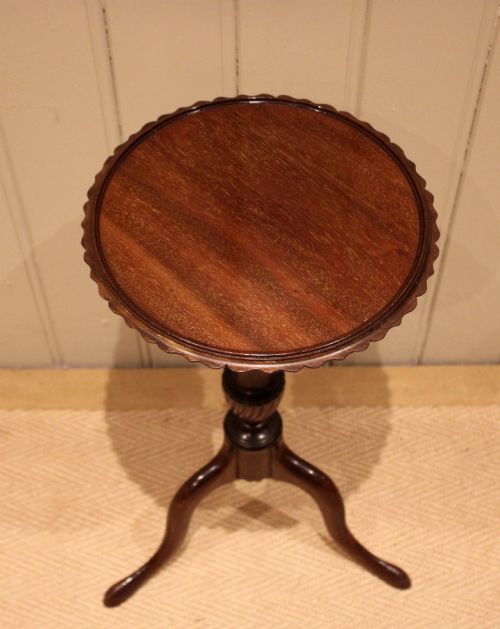
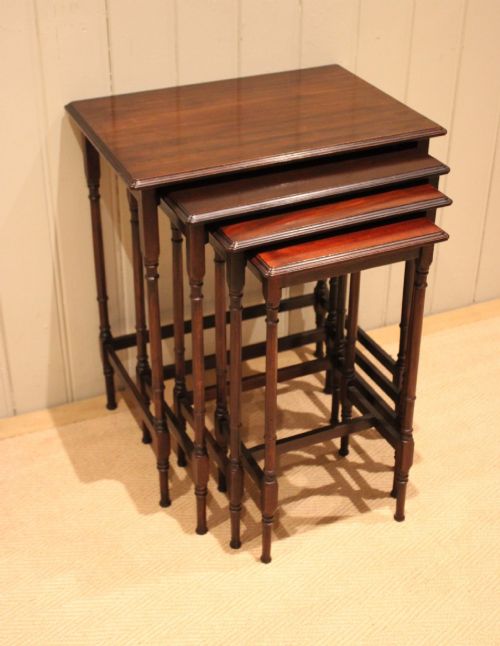
A vintage wood occasional table covers a diverse range of movable small tables designed for specific domestic tasks in Victorian, Edwardian and early twentieth-century interiors. These pieces appear in forms such as wine tables, nests of tables, pembroke tables, chess tables and lamp tables.
The Edwardian and Victorian periods supply the majority of examples on this page, alongside pieces from the 1920s and 1930s. Buyers will encounter both simple utility items in oak and mahogany and more decorative iterations featuring inlay, carving or contrasting timber.
Originating as flexible furnishings for drawing rooms and parlours, these tables adapt easily to modern settings as bedside stands, plant pedestals or sofa-side surfaces. Their modest proportions make them practical for contemporary homes needing period warmth and utility.
Materials and construction methods
Makers utilised solid timbers and veneers such as mahogany, oak, walnut, rosewood and yew wood, often selecting native and imported hardwoods for their durability and grain pattern. Secondary woods provided structural support beneath visible surfaces.
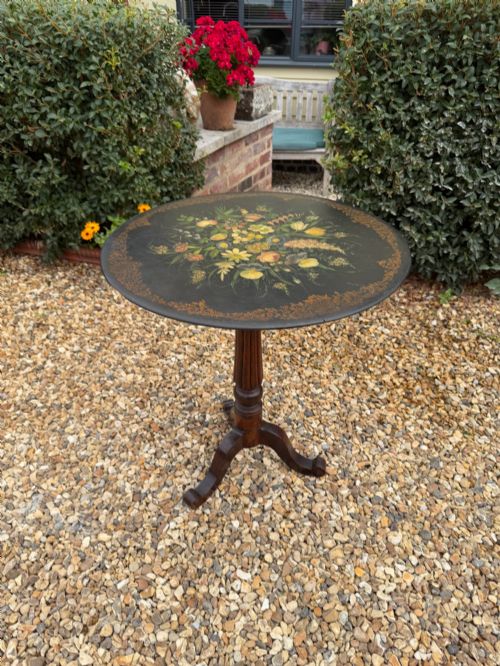
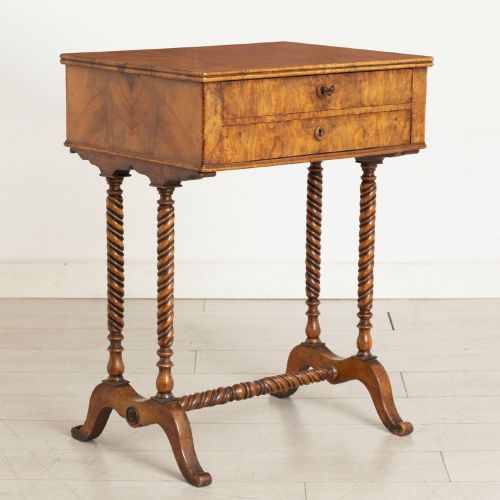
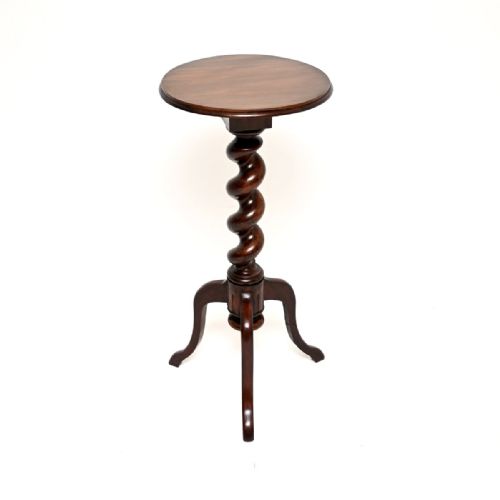
Joinery techniques ranged from traditional mortise and tenon joints to turned legs, barley twist supports and delicate hand-carved details. Decorative elements included satinwood inlay, painted floral decoration and brass mounts.
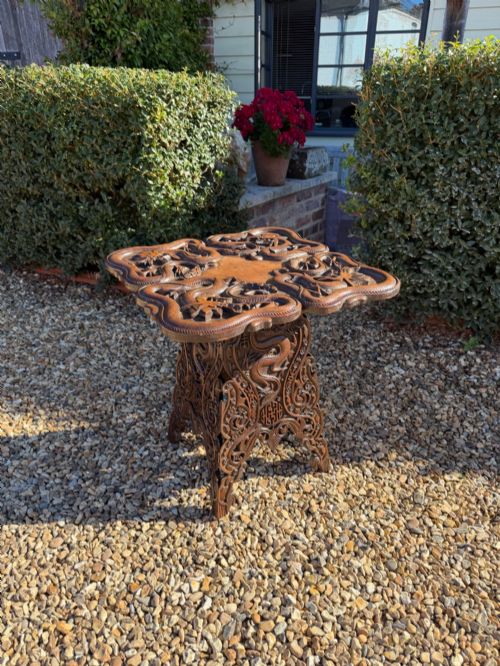
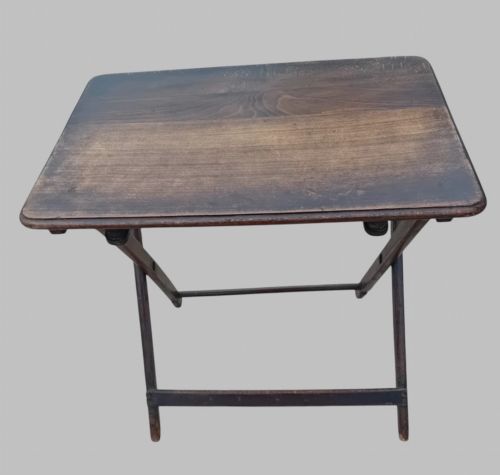
Specialised regional methods also appear, from campaign folding mechanisms in beech to chip carving and intricate Hoshiarpur inlay work on hardwood frames.
Some folding camp tables arrived from distant campaigns ready to pack flat when the regiment moved on.
Distinguishing quality in construction and design
Quality rests upon the selection of timber, the precision of the joinery and the integrity of the finish. Superior pieces demonstrate thoughtful grain matching, tight joints and well-executed decorative details rather than hurried assembly.
Finer examples retain original hardware, stable structures and crisp carving or inlay that has aged gracefully. Lesser pieces often show signs of clumsy past repairs, loose joints or replaced components that compromise the original form.
The Vintage Wood Occasional Table Glossary
- Occasional table
- A small movable table intended for intermittent use around a room rather than a fixed dining or writing position. These versatile items served for tea, books or display.
- Nest of tables
- A set of graduated small tables designed to slide neatly beneath one another to save floor space. They became particularly popular during the Edwardian era.
- Pembroke table
- A drop-leaf table with hinged flaps on either side supported by folding brackets. This form allows the surface area to expand or contract according to need.
- Wine table
- A small, usually circular table on a single central pillar and tripod base, traditionally used to hold a glass and bottle. They offer a compact footprint for tight corners.
- Etagere
- A piece of furniture comprising multiple open shelves for displaying ornaments or small objects. These tiered stands often incorporate brass details and fine timbers.
Vintage Wood Occasional Table: Frequently Asked Questions
Where should I place an occasional table?
These compact pieces fit easily beside armchairs, sofas or in unused corners where a small surface is useful.
Their modest scale also makes them suitable as bedside stands or plant pedestals in smaller rooms.
How do I clean a wood table?
Dust the surface regularly with a soft, dry cloth to prevent the buildup of particles that might scratch the polish.
Avoid silicone-based sprays and excess water, opting instead for traditional beeswax applied sparingly when the timber appears dry.
Can I use a nest of tables separately?
The individual tables in a set function independently around a room when guests require extra surface space for drinks or books.
When not in use, they stack back together compactly to free up the floor.
What is a drop-leaf pembroke table used for?
The hinged flaps allow the table to sit flat against a wall or sofa until extra surface area is required.
Raising the leaves creates a stable platform for writing, sewing or serving light refreshments.