


Large Picture Easel
A large picture easel elevates artwork or photographs into a focal point of any room, combining robust utility with period charm.
Large Picture Easel
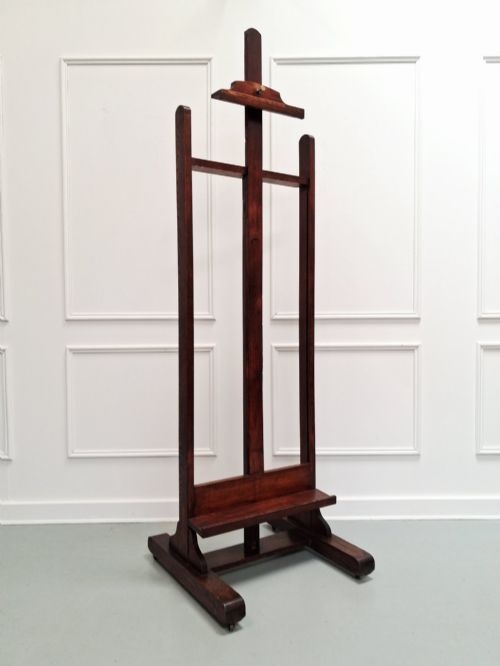
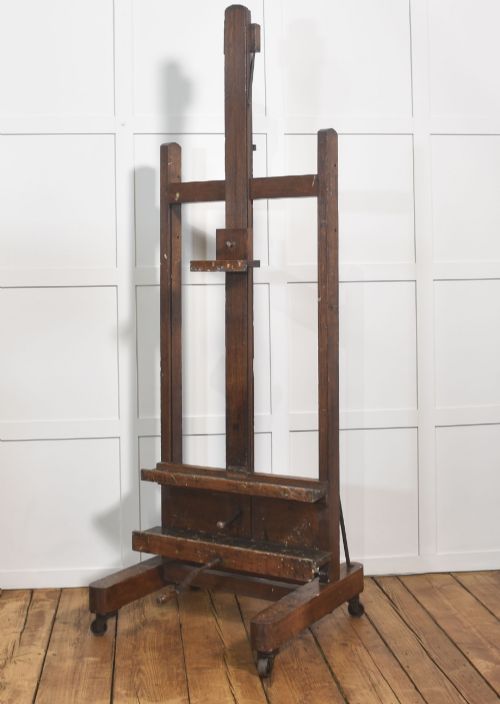
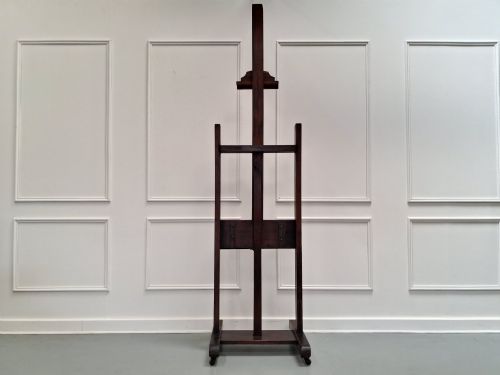
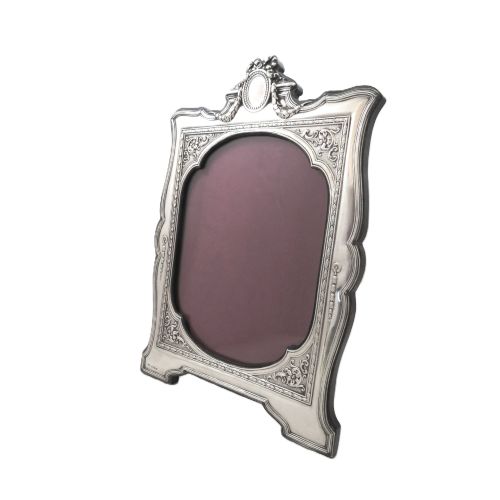
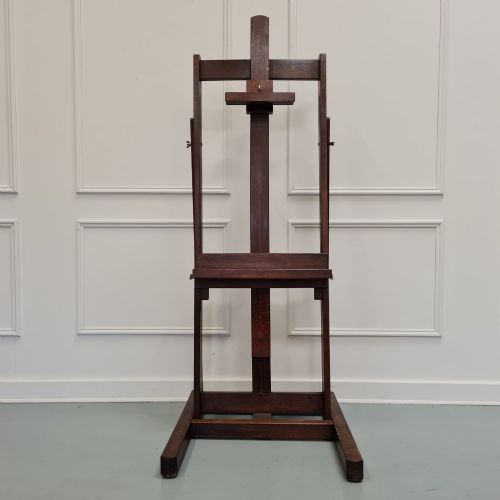
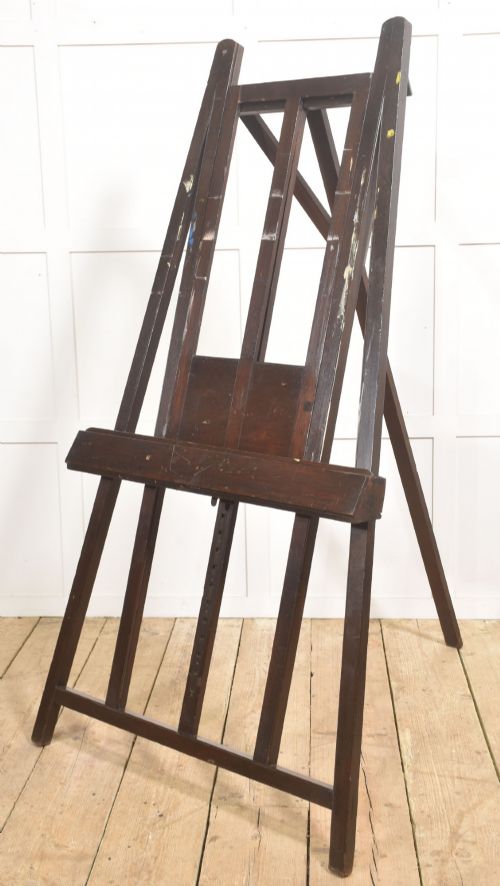
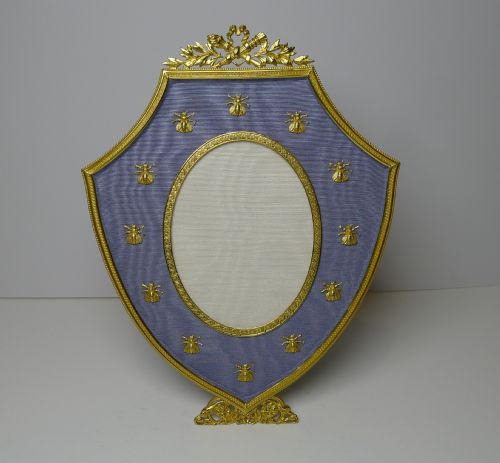
A large picture easel functions primarily as a sturdy freestanding stand for displaying paintings, studio works, or large photographs in domestic and creative spaces. These pieces vary from heavy timber studio supports designed for artists to ornate tabletop frames fitted with hinged rear props.
The selections available here span from the nineteenth century through the mid-twentieth century, encompassing oak, pine, mahogany, and beech frames alongside precious metal photograph mountings. French and English workshops dominate the origins, ranging from utilitarian studio equipment to highly decorative boudoir pieces.
Buyers will encounter two distinct formats under this description: towering floor-standing studio models with adjustable heights, and grand table or desk frames featuring integrated support legs. Each type reflects the period aesthetic of its manufacture, from heavy Victorian utility to Edwardian silver refinement.
How they were made
Makers utilised hardwoods such as oak, mahogany, beech, and pitch pine to construct the robust frames and adjustable mechanisms required to bear significant weight safely. Joinery methods relied on traditional mortise and tenon joints for studio stands, ensuring structural stability under daily studio use.
Silverwork and metal elements on frames involved sterling silver, gilded bronze, and iron, often decorated with cast motifs like swan designs or Napoleonic bees. Velvet backings and glass panels were frequently incorporated into photograph holders to protect delicate paper items.
The documented objects divide cleanly between utilitarian wooden artist stands and decorative silver or bronze photograph frames.
What varies in quality
The integrity of mechanical adjustments separates everyday studio furniture from exceptional surviving examples, particularly in the smooth operation of winding keys, ratchets, and sliding brackets on floor models. Superior craftsmanship shows in tight joinery that resists the natural tendency of large timber to warp over decades.
Ornamental refinement distinguishes the decorative metal frames, where crisp casting of bronze details, heavy gauge sterling silver, and undamaged velvet linings indicate higher initial cost and better preservation. Plain utility items depend entirely on the quality of the timber selection and the retention of original brass fittings.
Henry Matthews·Pinci Roma
The Large Picture Easel Glossary
- Studio easel
- A heavy, floor-standing timber frame built for artists to hold canvases at working height. These pieces often feature winch mechanisms or peg adjustments.
- Sterling silver
- A silver alloy containing 92.5 percent pure silver by mass, widely utilised for Edwardian and Victorian photograph frames. Hallmarks stamped into the metal indicate the assay office and year.
- Gilded bronze
- A bronze object coated with a thin layer of gold, commonly known as ormolu on French decorative pieces from the nineteenth century. This technique provides a lasting golden sheen without tarnishing.
- Pitch pine
- A resinous softwood valued for its durability and prominent grain patterns, frequently chosen for French easel construction around nineteen hundred.
- Adjustable
- A mechanical feature allowing the height or angle of the displayed item to be altered via sliding pegs, screws, or counterweights.
Large Picture Easel: Frequently Asked Questions
How do I use a large picture easel at home?
These pieces suit the display of unframed canvases, heavy mirrors, or large glazed portraits in a living space or studio. Floor-standing models require adequate floor space and careful placement away from direct foot traffic.
Tabletop or desk versions need a stable surface that can support the outward angle of the rear prop leg. Adjust the height mechanism gently to ensure the displayed item remains balanced.
Were these easels meant for painting or display?
The evidence includes both working artist studio models and decorative domestic frames designed purely for presentation. Studio pieces often display paint splatters and heavy mechanical adjustments intended for active canvas work.
Display items prioritise polished wood, precious metals, or elaborate castings over rugged utility. Both categories utilise rear struts or easel backs to maintain stability.
How can I tell a Victorian easel from later periods?
Nineteenth-century examples generally feature heavier timbers, utilitarian iron or brass hardware, and a focus on robust studio function. Edwardian and later pieces often incorporate refined silver mounts, gilded bronze, or lighter woods such as beech.
Stylistic cues like swan motifs, Napoleonic bees, or specific silver hallmarks help narrow down the decade of manufacture. Examine the joinery and metal patination for signs of period authenticity.
How do I care for antique wood and metal frames?
Maintain timber surfaces with appropriate wax polishes applied sparingly to preserve the natural grain and finish. Avoid placing wooden easels near direct heat sources that might cause the wood to split.
Clean silver and bronze elements gently with soft cloths, avoiding abrasive compounds that can damage delicate chased details or gilding. Check structural pins and hinges periodically to ensure they remain secure.