


Wooden Mule Chest
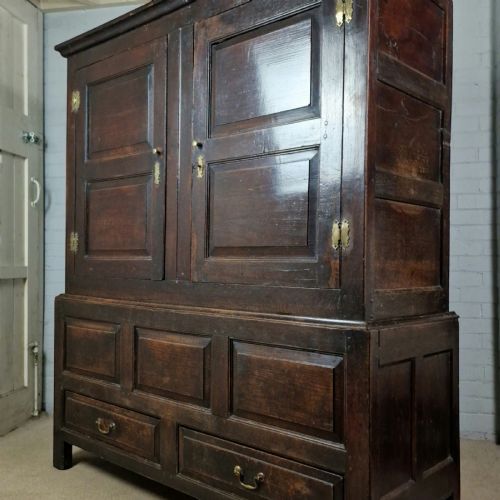
A wooden mule chest is a sturdy storage piece combining a blanket box with one or more lower drawers.
Wooden Mule Chest
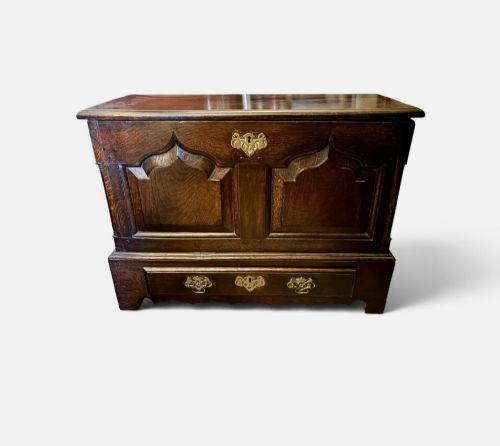
A wooden mule chest offers deep interior storage paired with accessible drawer space beneath the main compartment. When exploring these pieces, buyers encounter forms rooted in vernacular British tradition, particularly from English and Welsh regions. These utility pieces bridge the gap between simple blanket boxes and full chests of drawers.
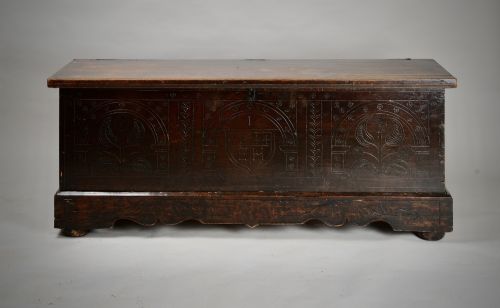
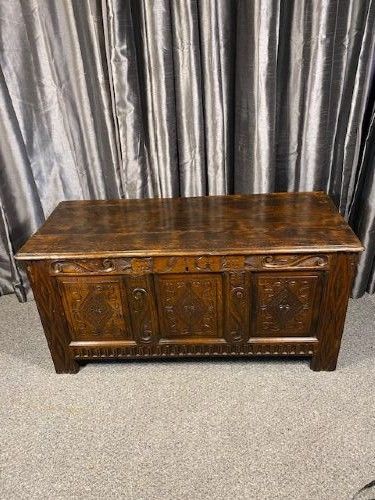
The selections span centuries of cabinet-making, with examples originating from the seventeenth, eighteenth, and nineteenth centuries. Styles range from plain provincial pine and elm to sophisticated Georgian oak and mahogany crossbanded variants. Alongside true mule chests, related coffers and coffer bachs appear frequently across the periods.
What varies in quality
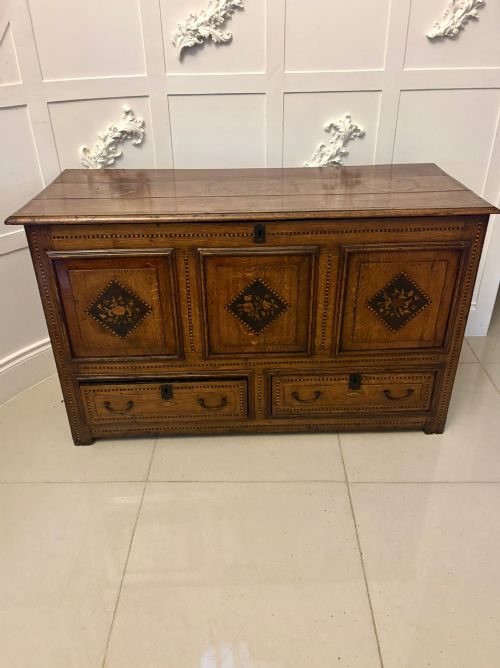
The standard of a wooden mule chest rests on the selection of timber and the ambition of its decorative scheme. Pieces featuring intricate marquetry inlay, burr elm panels, or sophisticated crossbanding indicate higher workshop ambition than plain plank-built boxes.
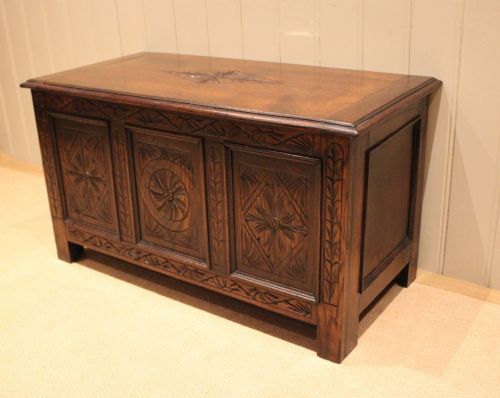
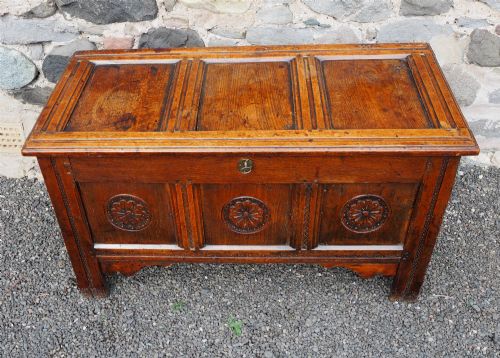
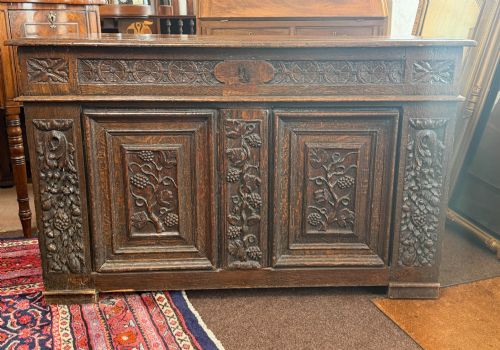
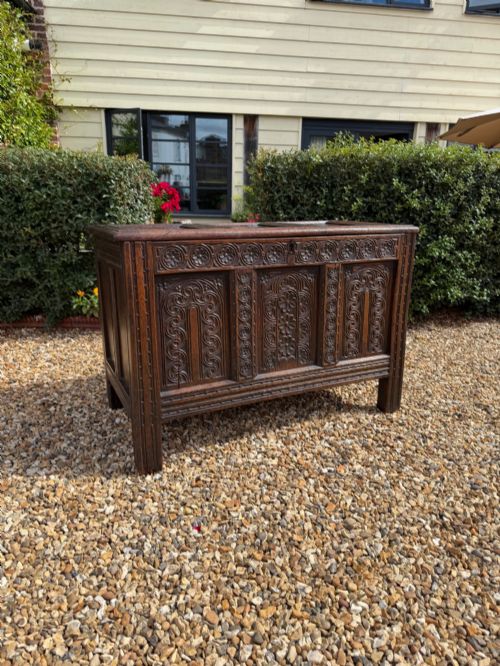
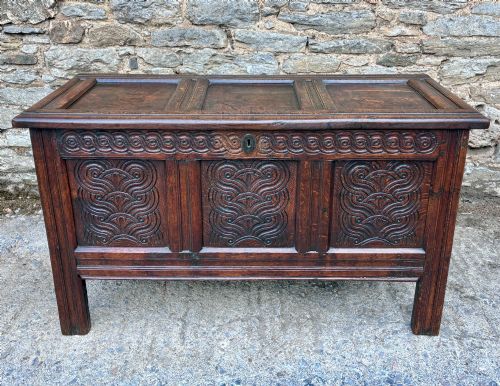
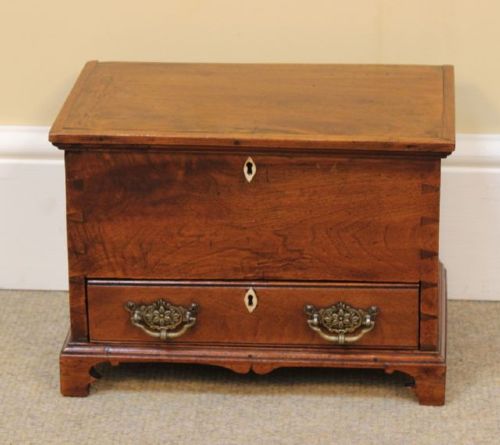
Proportion and regional character heavily influence the distinction between standard utilitarian items and finer expressions. Smaller proportions, skilled surface carving, and integrated drawer mechanisms elevate certain provincial and Georgian examples above ordinary storage furniture.
Apprentice pieces allowed young woodworkers to demonstrate mastery by scaling down a full-sized mule chest into miniature form.
The Wooden Mule Chest Glossary
- Mule chest
- A storage chest featuring one or more drawers built beneath the main lift-top compartment. This hybrid form evolved from simpler blanket chests during the seventeenth century.
- Coffer
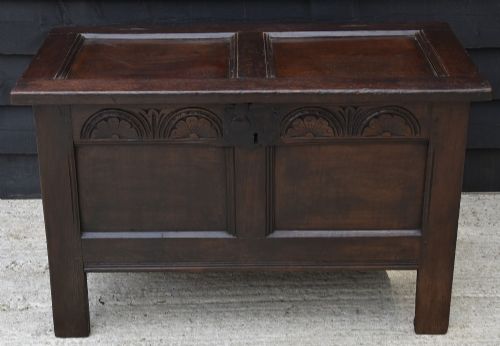
- A heavy wooden box with a hinged lid used historically for storing valuables, textiles, or documents. Many early examples display carved panels and stile-and-rail construction.
- Coffer bach
- A small Welsh coffer or chest, often resting on a drawer base. The Welsh term translates literally as little coffer.
- Marquetry inlay
- Decorative patterns formed by fitting contrasting veneers into prepared recesses on the wooden surface. This technique appears on high-status seventeenth-century pieces.
- Crossbanding
- A border of veneer laid with the wood grain running perpendicular to the central panel. It is frequently seen on Georgian furniture to frame drawer fronts and tops.
Wooden Mule Chest: Frequently Asked Questions
What is a wooden mule chest?
A wooden mule chest is a traditional storage box that combines a hinged lid compartment with external drawers mounted underneath.
This hybrid design emerged to provide easier access to stored linens and garments without needing to unload the entire top section.
How do I date a wooden mule chest?
Dating relies on examining construction methods, timber choices, and decorative styles across different eras. Seventeenth-century examples often display hand-carved oak panels, while Georgian versions introduce mahogany crossbanding and refined proportions.
Regional variations, such as Welsh pine or English oak, also offer clues to the geographical origin and period of manufacture.
Where were wooden mule chests used?
These pieces served practical storage functions within domestic chambers, farmhouses, and halls. They held household linens, blankets, clothing, and personal documents.
Their sturdy construction suited everyday rural and town living across English and Welsh counties.
What is the difference between a coffer and a mule chest?
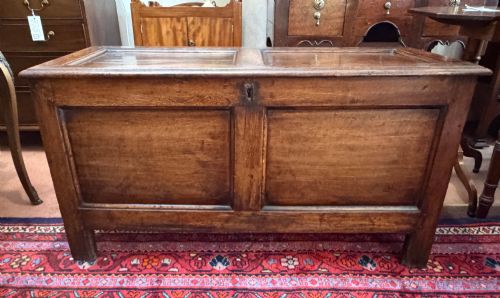
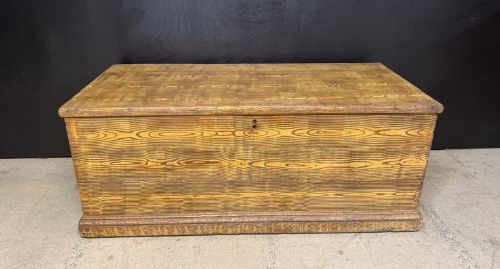
A standard coffer consists solely of a trunk with a lift-top lid and no external drawers. A mule chest incorporates one or more drawers beneath the main chest cavity.
Both forms utilise robust framing techniques, but the addition of drawers defines the mule chest category.