




Wooden Mantelpiece Timepiece
These wooden mantelpiece timepiece examples bring cabinet work and horology together, sitting neatly upon a shelf or bracket to measure the passing hours.
Wooden Mantelpiece Timepiece
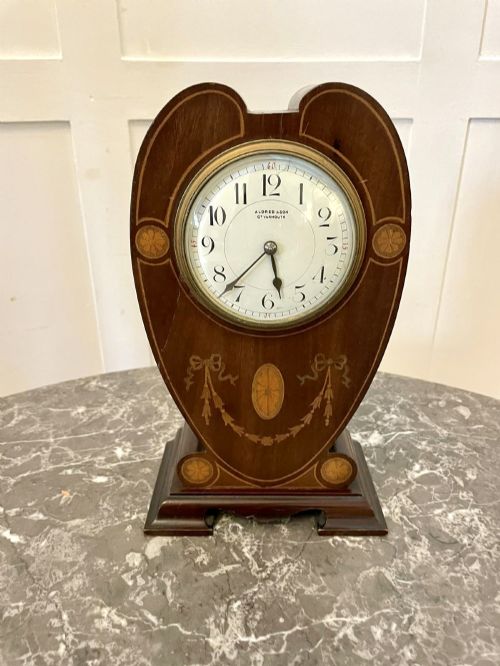
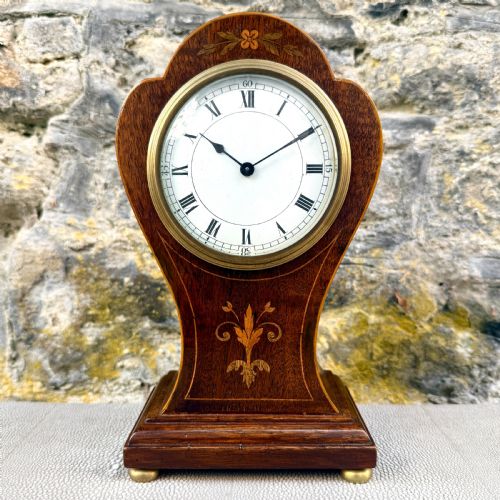
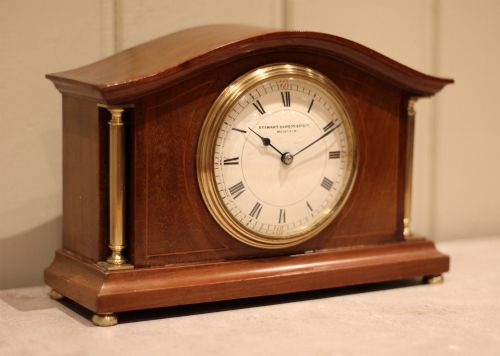
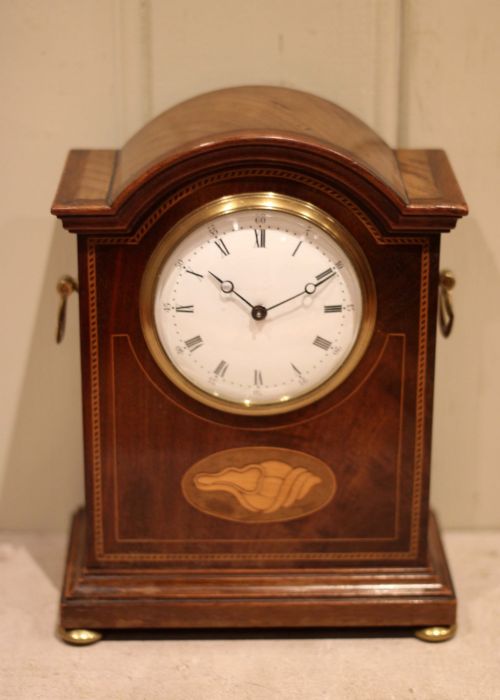
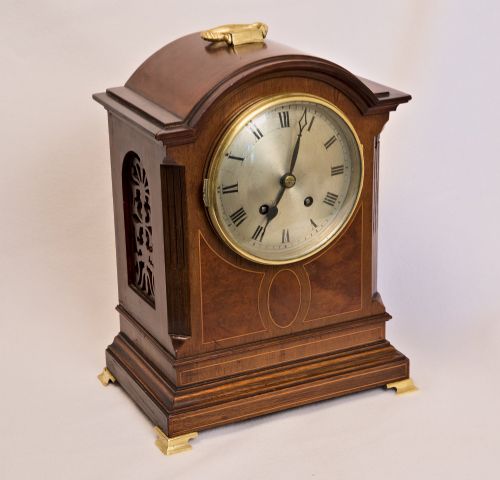
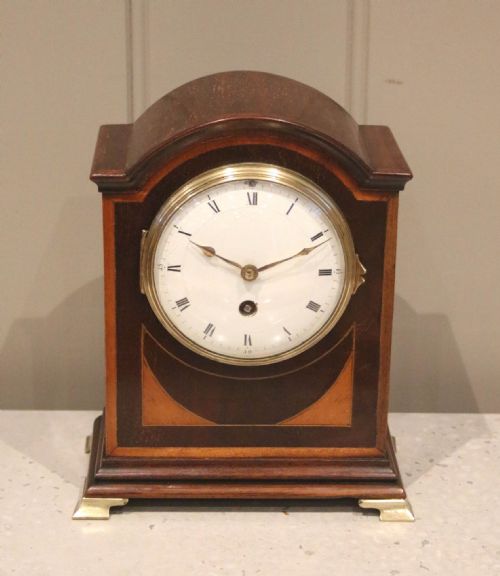
Mahogany predominates among the timber choices, often enriched with satinwood inlay or brass mounts. These housings range from lancet arches and architectural bracket forms to compact bedside timepieces and striking mantel clocks.
Originating largely from British and French makers, these domestic timekeepers combine functional clockwork movements with decorative wooden cabinetry designed for domestic interiors.
How they were made
Cabinetmakers constructed these clock cases using dense hardwoods such as mahogany, walnut, and rosewood, frequently applying boxwood or satinwood stringing and marquetry for surface enrichment. These timbers were selected for stability and grain figure before being polished to a warm lustre.
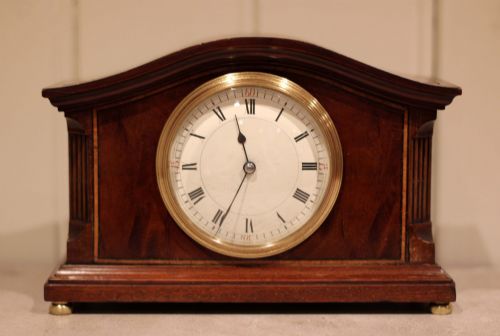
The dials behind curved glass bezels employ materials like white enamel with black Roman numerals, accented by cast brass bezels and delicate hands. Mechanical movements of varying complexity, from simple timepiece calibres to quarter-striking systems with bells, were fitted securely within the wooden carcasses.
Wooden Mantelpiece Timepiece Retail Price Guide 2026
Typical asking prices for wooden mantelpiece timepiece among the pieces listed under this phrase on Sellingantiques today, from the lower quarter to the upper quarter. They describe what is for sale here now, not the wider market.
Mahogany, walnut, and rosewood appear across the inventory, paired with brass and enamel dials in Edwardian and nineteenth-century forms.
What varies in quality
Quality rests primarily in the precision of the cabinet work and the fidelity of the timber selection, where figured veneers and crisp inlay distinguish superior examples from plain utility pieces. The integration of the movement within the case, alongside the presence of signed dials or well-known makers, elevates the standing of a clock.
Proportion and architectural balance dictate visual success, with refined mouldings and harmonious proportions marking the boundary between standard production and exceptional craftsmanship.
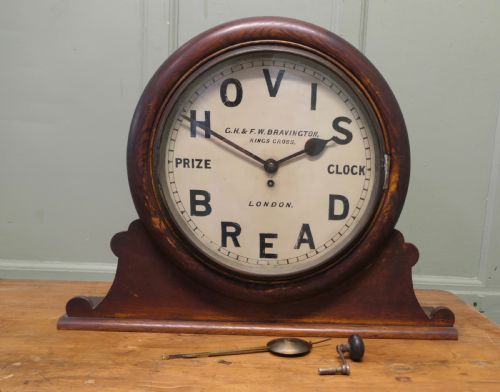
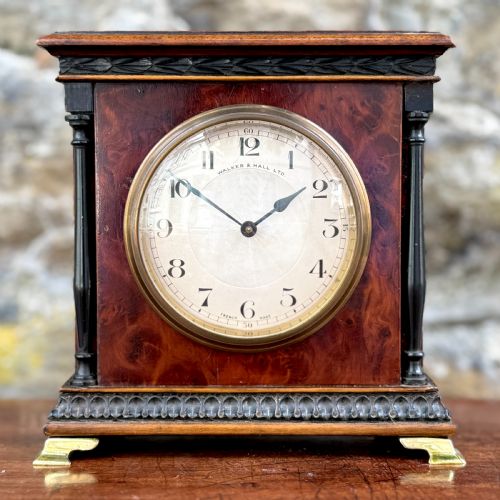
G.H. & F.W. Bravington London·Walker and Hall·Henry Marc
The Wooden Mantelpiece Timepiece Glossary
- Lancet top
- A clock case profile featuring a pointed, arched top reminiscent of Gothic architectural lancet windows. This shape gained popularity during the Edwardian period for mahogany timepieces.
- Marquetry
- The art of applying decorative pieces of veneer to a structure to form intricate pictorial or geometric designs. It appears frequently on nineteenth-century French and English rosewood clock cases.
- Bracket clock
- A portable domestic clock originally designed to sit upon a wall bracket rather than a floor. Later examples retained the architectural box or arched form while resting directly upon mantelpieces.
- Bezel
- The metal ring that holds the protective glass face in front of the clock dial. These are commonly cast from brass and are sometimes hinged to allow hand adjustment.
Wooden Mantelpiece Timepiece: Frequently Asked Questions
How do I wind an antique mantel clock?
Most mechanical timepieces require a key inserted into the winding arbor on the dial face to tension the mainspring. Care should be taken not to overwind the movement, stopping as soon as resistance is felt.
Regular servicing by a horologist ensures the internal brass gear trains and escapements remain free from old oils and dust accumulation.
Are these clocks suitable for daily use?
These pieces function well as daily timekeepers provided they are placed on a level surface away from direct sunlight and damp conditions. Pendulum clocks require careful levelling to beat evenly.
Minor adjustments to the regulation lever can correct any tendency to gain or lose time over the course of a week.
How do I identify the period of a wooden clock?
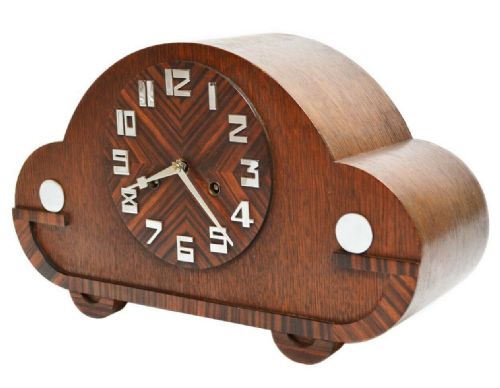
Stylistic clues such as Edwardian satinwood inlay, Art Deco geometric geometry, or Victorian rosewood marquetry point towards specific eras of manufacture. Maker signatures on the dial or movement backplate offer further chronological evidence.
Construction methods within the timber case, including screw types and backboard fixings, also help date the piece accurately.
What is the difference between a timepiece and a clock?
In horological terms, a timepiece is a clock that measures time without a striking mechanism or bell to mark the hours. A clock traditionally includes a striking or chiming train in addition to the timekeeping function.
Many smaller mantel pieces were built purely as timepieces to avoid the noise of hourly strikes in bedrooms or quiet studies.