


Wooden Mantel Mirror
A wooden mantel mirror anchors a room above a fireplace, bringing depth and reflected light to an interior through substantial timber and glass.
Wooden Mantel Mirror
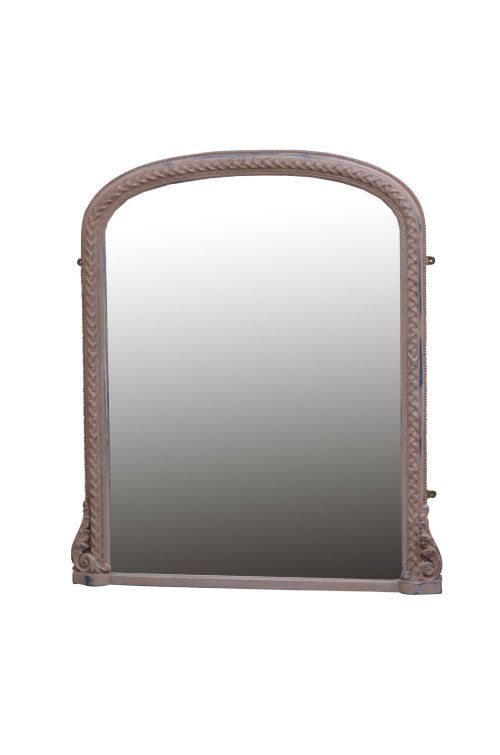
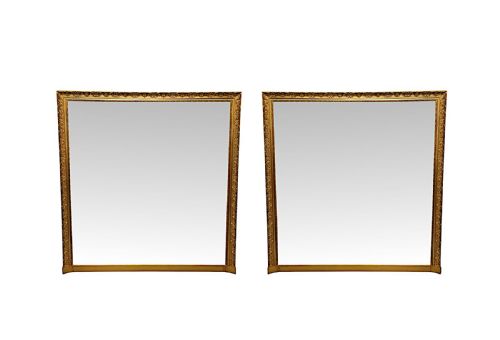
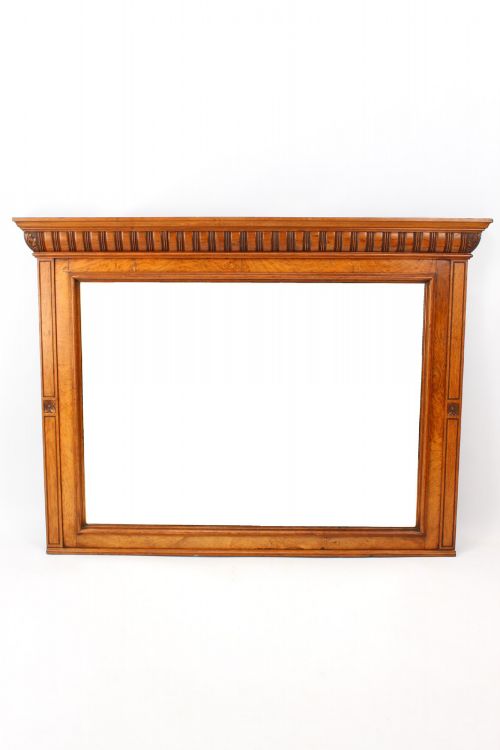
When searching for a wooden mantel mirror, you encounter pieces designed specifically to sit above a fireplace, alongside related wall and pier formats. The selection spans the nineteenth century through the Edwardian era and the early twentieth century, taking forms from simple architectural frames to ornate overmantels.
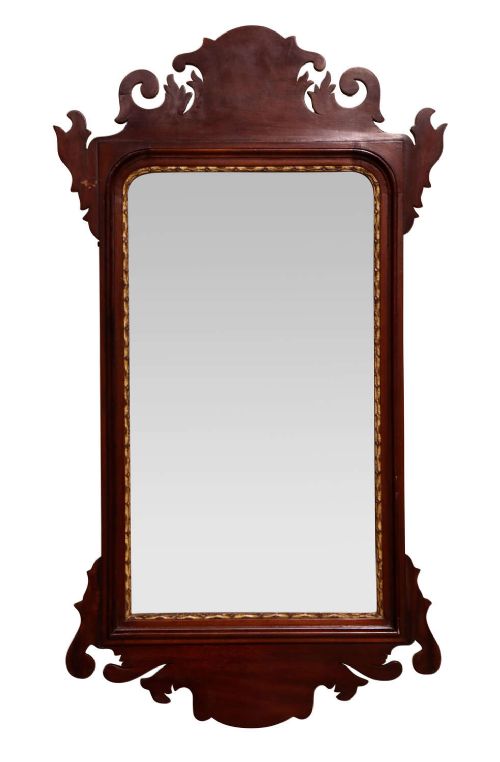
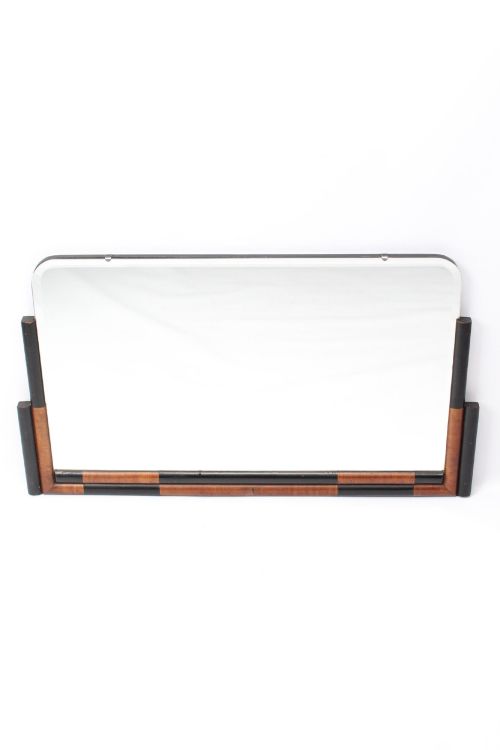
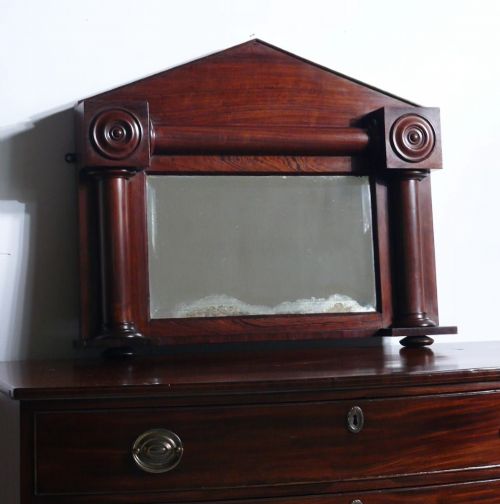
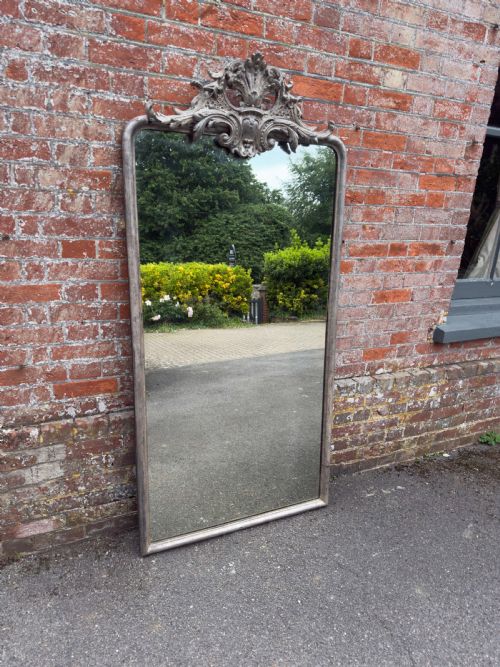
The materials you meet include mahogany, oak, walnut, and rosewood, often paired with gesso, giltwood, or paint finishes. Styles range from Victorian and Regency to French chateau, Chippendale revival, and Louis Philippe, giving a wide variety of regional and period character.
How they were made
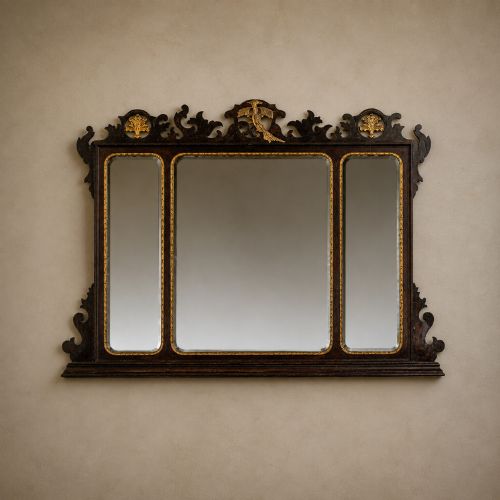
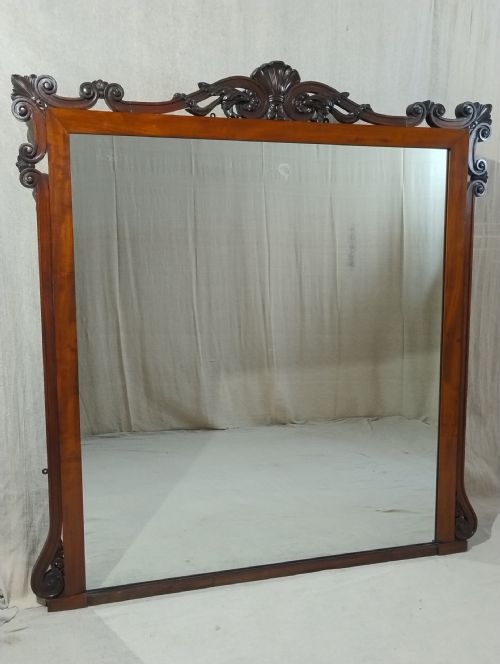
Cabinetmakers constructed these frames using solid hardwoods like mahogany, walnut, and oak, frequently applying intricate fretwork, carved crestings, or marquetry inlay. Secondary woods supported structural joints, while surface decoration relied on hand-applied paint, ebonising, or giltwood layers over gesso.
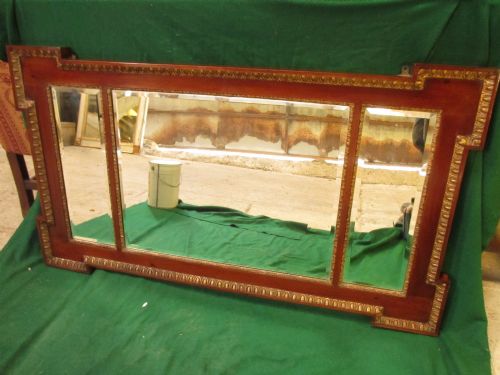
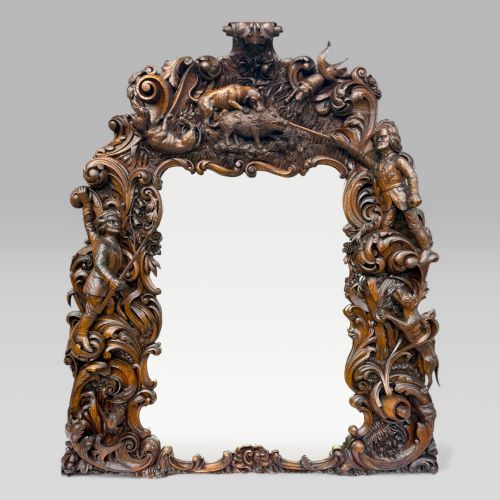
Mirrored glass plates, sometimes in triple or triptych arrangements, were fitted into rebates behind the timber frame. Ornate pieces incorporated applied composition ornaments or carved wooden details such as birds, scrolls, and foliage.
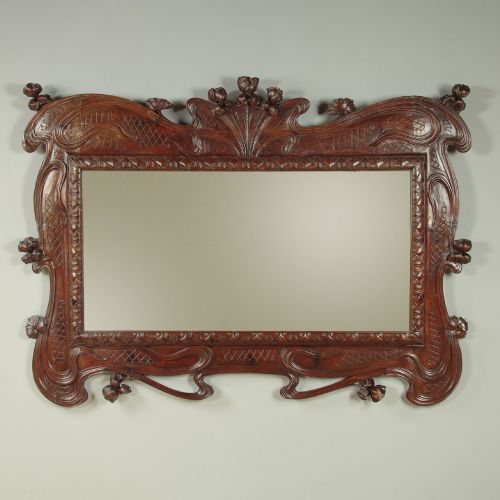
Among the carved timber frames, one unusual design sports spirited Ho-Ho bird cresting alongside carved dragons and dolphins.
What varies in quality
The distinction between standard and exceptional pieces rests on the depth and crispness of the wood carving, from plain mouldings to elaborate figural crestings and pierced fretwork. Superior examples show careful timber selection, such as figured mahogany, burr yew-wood, or birds-eye maple, matched with refined joinery.
Proportion and finish also dictate quality, as finer mirrors balance scale with architectural framing details like brass mounts, delicate gilding, or well-executed marquetry. The integrity of the original plate glass and the retention of period surface treatments further separate ordinary production from distinguished work.
The Wooden Mantel Mirror Glossary
- Overmantel mirror
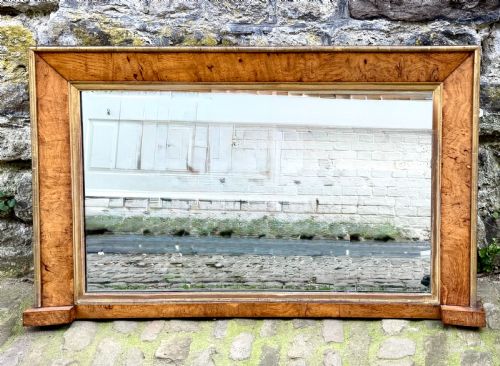
- A large mirror designed to hang or stand specifically on the mantelpiece above a fireplace. These frames often feature horizontal proportions to span the width of the hearth.
- Gesso
- A plaster-based material applied to wood frames to provide a smooth surface for gilding or painting. Artisans carved intricate relief details directly into this ground layer before applying gold leaf.
- Fretwork
- Openwork ornamentation cut from thin wood using a scroll saw or piercing technique. This decorative technique appears frequently on Chippendale revival frames.
- Trumeau
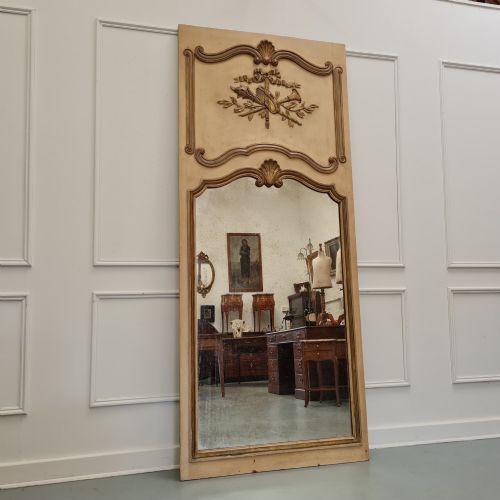
- A decorative wall mirror paired with a painted or carved panel within the same frame. These French pieces often integrate pastoral scenes or decorative woodwork above the glass.
- Pier mirror
- A tall, narrow mirror designed to hang on the wall space between windows. They share construction methods with mantel pieces but suit vertical wall spans.
Wooden Mantel Mirror: Frequently Asked Questions
How do I hang a heavy wooden mantel mirror safely?
These heavy frames require secure fixing directly into wall studs or masonry using appropriate brackets that can bear the substantial combined weight of timber and glass. Many overmantels were originally designed to rest part of their weight on the mantel shelf while anchored to the wall for stability.
Ensuring the hanging wire or integrated fixing rings are professionally checked provides peace of mind when mounting antique mirrors above a functional hearth.
How can I tell a Victorian mantel mirror from a Regency one?
Regency frames generally display classical restraint, often utilising rosewood or mahogany with simple architectural lines, brass detailing, and sometimes convex glass plates. Victorian examples tend to be heavier and more exuberant, incorporating robust oak, elaborate fretwork, or rich giltwood and gesso carvings.
Examining the timber preparation, construction joints, and backboards helps confirm whether a piece belongs to the early nineteenth-century Regency period or the later Victorian era.
Did these mirrors always belong above fireplaces?
While the overmantel format was conceived specifically for the fireplace hearth, many similar wooden frames served as pier mirrors between windows or as general wall mirrors in principal rooms. Their grand scale and reflective qualities made them versatile decorative fixtures throughout nineteenth-century domestic interiors.
Determining the original placement depends on the presence of mantel-rest brackets, proportions, and whether the base of the frame was finished to sit flat on a shelf.
What is the best way to clean an antique mirror frame?
Dusting the carved wooden elements gently with a soft, dry brush preserves the patina of aged mahogany, oak, or walnut without disturbing delicate surfaces. Moisture should be kept away from giltwood and gesso, as dampness can soften the preparation layers beneath the gold leaf.
Glass cleaner applied sparingly to a cloth rather than sprayed directly onto the glass prevents liquid from seeping behind the frame and damaging the silvering or backboards.