



Wooden Log Store
A wooden log store is a practical fireside utility piece designed to hold fuel, combining robust timber construction with period character.
Wooden Log Store
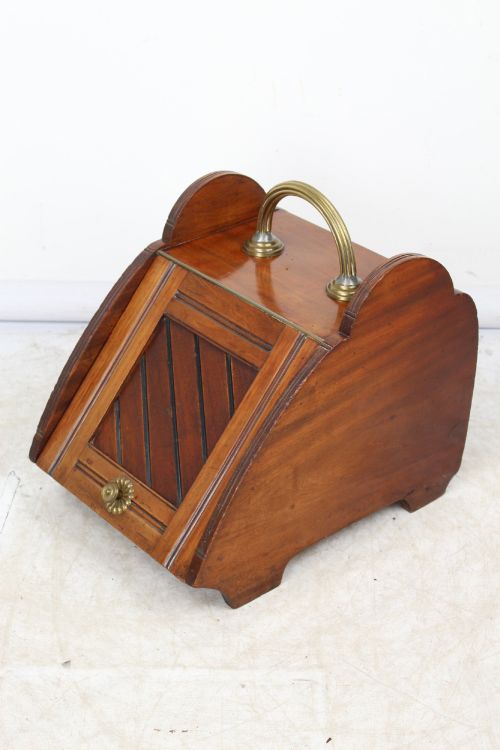
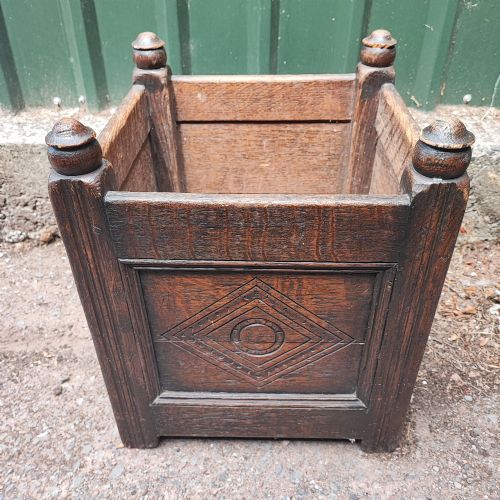
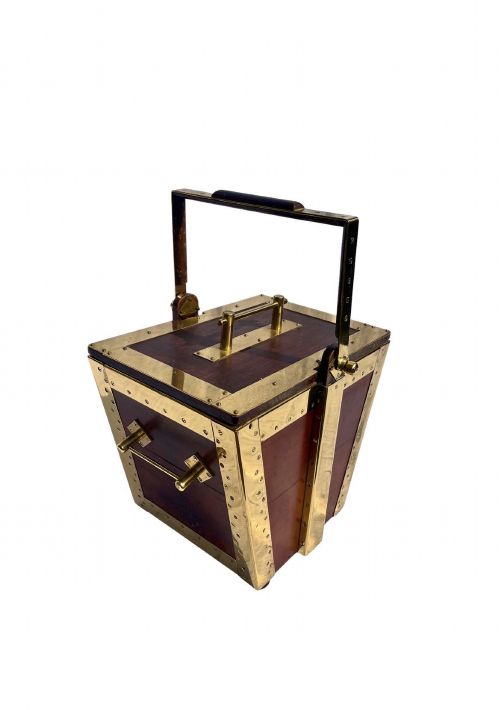
When searching for a wooden log store, you encounter a variety of antique fireside containers designed for fuel storage. The selection includes coal scuttles, log bins, log boxes, coal boxes, and coopered buckets originating from periods ranging through the eighteenth, nineteenth, and early twentieth centuries.
The assortment spans English, Scottish, French, and Swedish workshops, taking forms from simple country pine boxes to polished mahogany and walnut bins.
How they were made
Construction relies heavily on traditional carpentry methods including coopered stave work with iron or brass banding, dovetail joints, and panelled timber construction. Woods such as oak, mahogany, walnut, and pine provide the structural integrity required to hold heavy loads of timber and coal.
Metal components like brass handles, hinges, and iron bands are integrated to reinforce the wooden bodies, while decorative elements involve carving or geometric wood inlay.
Listings feature oak, mahogany, walnut, and pine pieces spanning the Georgian, Victorian, and Edwardian periods.
What varies in quality
Quality in these fireside containers depends on the grade of timber selected and the precision of the joinery, such as tightly fitted coopered staves or neatly cut dovetails. Higher-tier pieces utilise dense hardwoods like mahogany and walnut alongside substantial cast brass mounts and handles.
Design sophistication also separates utilitarian boxes from finer items, distinguishing plain pine storage chests from carved oak purdoniums or brass-banded George III style buckets.
Liberty London
The Wooden Log Store Glossary
- Coal purdonium
- A dedicated fireside box with a sloping front drop-down door designed to dispense coal or logs cleanly. It often includes an interior metal liner and a slot for a shovel.
- Coopered
- A method of construction using tapered wooden staves bound together by metal hoops, similar to barrel making. This technique is common in cylindrical log buckets and peat bins.
- Brass bound
- A descriptor for wooden containers encircled by brass bands or hoops for structural reinforcement and decoration. These bands are typically secured with small brass tacks.
- Fireside store
- A general term for functional containers kept near the hearth to hold fuel such as logs, peat, or coal. They take forms ranging from open baskets to lidded chests.
Wooden Log Store: Frequently Asked Questions
What is a wooden log store used for?
These containers provide practical hearthside storage for combustible fuel such as logs, coal, or peat. They keep fuel tidy and contained near an open fire or stove.
Historically, different forms accommodated different types of fuel, from large open bins for logs to enclosed purdoniums for coal.
How do I date a wooden log store?
Dating relies on timber choice, construction techniques, and stylistic details associated with periods like the Georgian, Victorian, or Edwardian eras. Mahogany and walnut often point to finer nineteenth-century work, while coopered stave construction spans multiple centuries.
Hardware styles, such as cast brass handles and hinges, offer further clues to the period of manufacture.
What woods are used for log stores?
Common timbers include native hardwoods like oak, mahogany, and walnut, alongside softer woods such as pine. Hardwoods were chosen for formal reception rooms, while pine served utilitarian country houses.
Many examples incorporate contrasting metal elements, including iron bands and brass mountings.
Are these pieces suitable for modern homes?
Antique fuel containers integrate easily into modern interiors beside wood-burning stoves or open hearths. They offer functional storage while adding period craftsmanship and texture to a room.
Their robust timber construction ensures they remain practical for daily use in contemporary settings.