
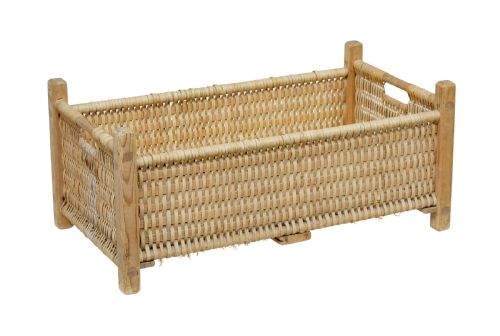


Pine Log Box
These pine log box pieces bring honest utility and rustic warmth to a hearth, combining sturdy timber construction with straightforward domestic charm.
Pine Log Box
A pine log box serves as a functional fireside container designed to hold fuel for the hearth. These pieces range from simple utilitarian storage chests to decorative country bins used in domestic interiors.
The versions most commonly met on this page include nineteenth-century Scandinavian examples, Victorian country items, and pieces displaying rustic farmhouse or aesthetic movement styles. Forms span from hand-woven baskets and storage bins to painted boxes and iron-banded chests.
Originating predominantly from Britain and Scandinavia, these items reflect regional craft traditions of the nineteenth and early twentieth centuries. They bridge the gap between everyday storage and historical interior decoration.
How they were made
Makers utilised native pine alongside structural iron bands and brass or gilt metal fittings to build durable containers that could withstand heavy daily use. Wood splint techniques also appear in hand-woven baskets from the nineteenth century.
Surface treatments vary from plain timber finishes and stained wood to original paint. These traditional applications protect the softwood while reflecting the aesthetic preferences of Scandinavian and English country workshops.
Among the historical items recorded is a tiny nineteenth-century pine clog trick snuff box.
What varies in quality
The distinction between standard utility items and superior examples lies in the integrity of the construction and the preservation of original surfaces. Pieces featuring hand-woven elements or retained historical paint finishes demonstrate higher decorative value.
Proportion and material combination also dictate the standing of a piece, such as the thoughtful integration of iron banding on country house bins. Finer items retain their structural stability while displaying the genuine patina of age.
The Pine Log Box Glossary
- Pine
- A softwood commonly used in country furniture and utilitarian boxes for its workability and availability. It takes paint well and develops a rich patina over time.
- Log bin
- A sturdy container designed specifically to hold firewood near a hearth. These often feature reinforced corners or metal banding to endure heavy logs.
- Aesthetic movement
- A late nineteenth-century design style focusing on visual beauty rather than narrative or moral function. Pieces from this period often emphasise simple forms and refined decoration.
- Scandinavian country
- A regional style characterised by functional construction and often bright painted finishes. It reflects the rural domestic traditions of northern Europe.
- Treen
- Small handmade wooden objects produced before the widespread use of plastics. These items display traditional turning and carving skills.
Pine Log Box: Frequently Asked Questions
What is a pine log box?
A pine log box is a traditional timber container built to store firewood beside a fireplace. They provide practical storage while adding a rustic element to a room.
These pieces reflect the domestic habits of nineteenth-century households, constructed to withstand the heavy wear of daily fuel handling.
How were these boxes used?
They sat next to hearths in country houses and farmhouses to keep logs and coal dry and close at hand. Their robust construction handled the rough weight of firewood.
Over time, many transitioned from purely utilitarian farm items to decorative interior accessories valued for their historical charm.
How do I date a pine log box?
Dating relies on observing construction methods, material combinations, and surface wear. Nineteenth-century examples often feature hand-woven elements or early iron banding.
Comparing the style, such as Scandinavian painted finishes or Victorian aesthetic details, helps narrow down the decade of manufacture.
How do I care for antique pine?
Keep antique pine away from direct heat sources and sudden temperature changes to prevent the wood from splitting. Dust gently with a dry cloth and avoid harsh chemical cleaners.
Preserving the original surface finish, whether paint or bare timber, maintains the historical integrity of the piece.