


Scandinavian Pine Trunk
A scandinavian pine trunk brings utility and hand-painted folk artistry into a room, offering robust wooden storage rooted in eighteenth and nineteenth-century traditions.
Scandinavian Pine Trunk
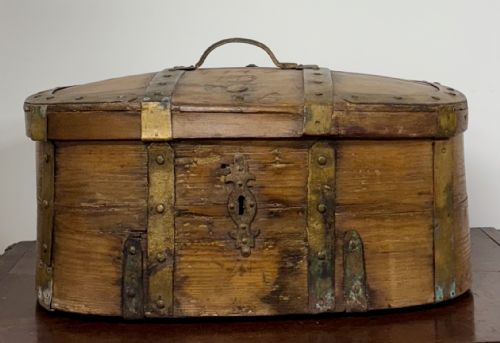
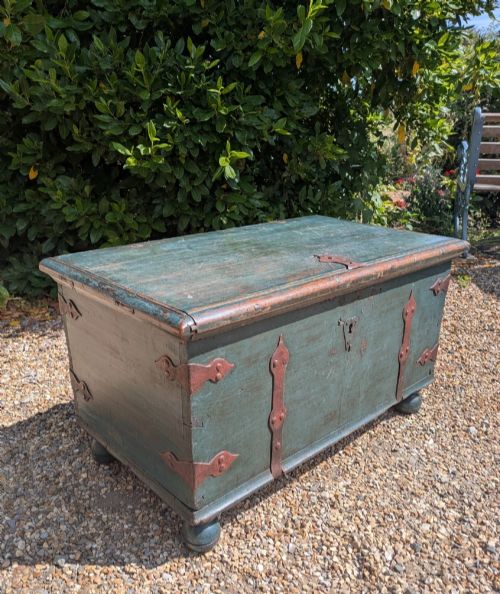
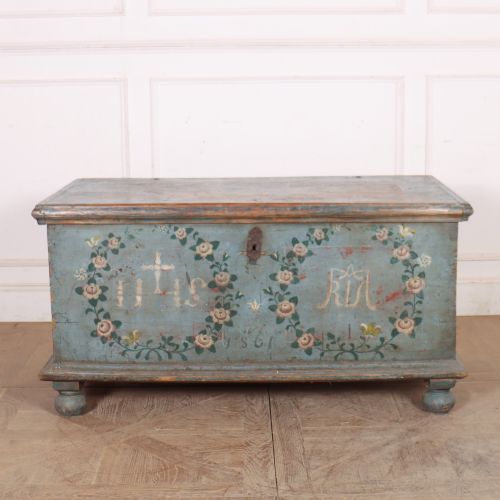
When you search for a scandinavian pine trunk, you encounter storage vessels spanning the eighteenth and nineteenth centuries, including marriage chests, dome-top coffers, strong boxes, and blanket boxes.
The pieces appearing on this page originate predominantly from Swedish workshops, executed in styles ranging from rustic farmhouse and folk art to Swedish Baroque.
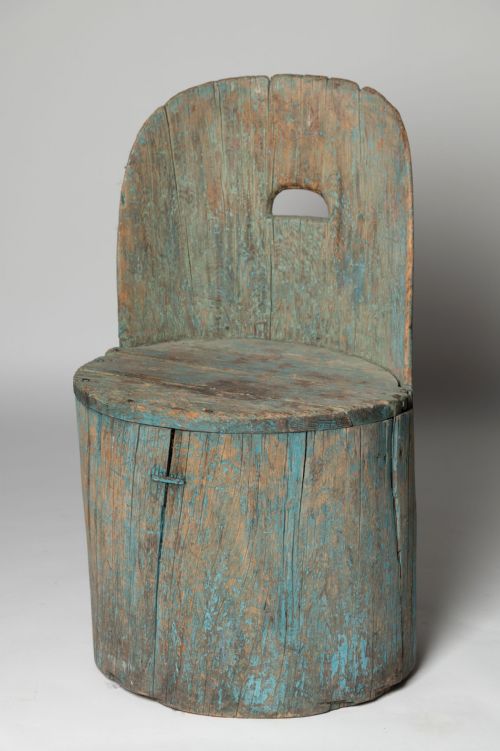
Beyond large trunks, the selection encompasses smaller painted boxes, log bins, and woven pine baskets that share the same utilitarian origins.
How They Were Made
Constructed primarily from solid pine, these pieces rely on sturdy timber built to withstand daily domestic demands.
Surfaces frequently receive layers of pigment paint or grain painting, complemented by hand-forged iron strapwork, brass details, and wrought iron hinges and locks.
One eighteenth-century chest arrives decorated with a hand-painted labyrinth design, ensuring any lost belongings stay truly lost inside.
What Varies in Quality
The distinction between ordinary storage and exceptional pieces rests upon the survival of original painted surfaces, complex folk art decoration, and specific motifs such as labyrinths.
Structural integrity combined with untouched, authentic ironwork or brass hardware elevates a box or chest, alongside documented dates or association with marriage chests.
The Scandinavian Pine Trunk Glossary
- Marriage chest
- A large wooden trunk commissioned to celebrate a wedding, often inscribed with initials or dates and decorated with folk art pigment paint. These pieces served as practical storage for a bride's dowry.
- Coffer
- A heavy wooden box with a lid, traditionally utilised for storing valuables or dry goods. They frequently feature dome tops and robust iron reinforcement.
- Strong box
- A compact, secure chest built with heavy metal strapwork and complex locking mechanisms for protecting money and documents.
- Strapwork
- Ornamental metal bands of iron or brass fixed across the exterior of a trunk to reinforce the wooden joins and provide visual contrast.
- Folk art
- Traditional decorative painting and craftsmanship rooted in regional cultural practices rather than formal academic design.
Scandinavian Pine Trunk: Frequently Asked Questions
How were scandinavian pine trunks used historically?
These pieces served practical roles in rural households for storing household textiles, blankets, clothing, and grain. Larger chests often functioned as dowry pieces for marriages.
Strong boxes and smaller coffers kept valuable documents and money secure, whilst log bins and woven baskets managed fireplace fuel and daily chores.
How do I care for a painted pine trunk?
Keep wooden trunks out of direct sunlight and away from rapid temperature changes to protect the underlying pine and fragile pigment paint from drying out.
Dust gently with a dry cloth and avoid harsh modern cleaning products that can strip historic painted surfaces.
How can I tell the period of a trunk?
Eighteenth-century examples often display restrained forms with early folk art motifs, whilst nineteenth-century pieces frequently utilise brighter pigment paint and grain-painted finishes.
Examining the construction methods, hand-forged iron strapwork, and any inscribed dates helps narrow down the era of manufacture.