


Wooden Hand Nutcracker
These wooden hand nutcracker pieces are tactile, carved treen tools shaped as hands, fists, and figures that bring character to any room.
Wooden Hand Nutcracker
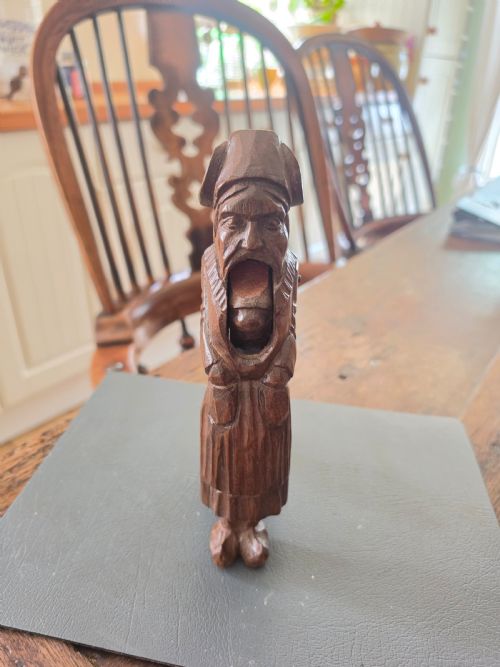
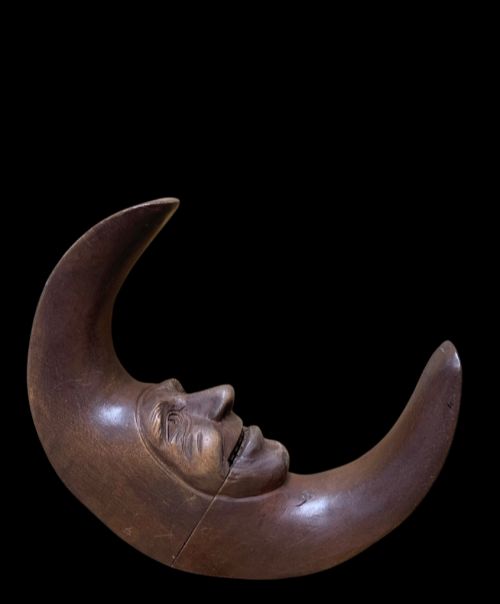
When you search for a wooden hand nutcracker, you encounter figural carvings from the Victorian, Edwardian, and Georgian eras alongside pieces dated around nineteen hundred. These items take the form of clenched fists, hands, monkeys, squirrels, and man in the moon motifs.
The version you are most likely to meet on this page is a Black Forest walnut or oak carving depicting a fist, reflecting the prominent folk art traditions of the nineteenth and early twentieth centuries.
How they were made
Makers utilised natural wood grains to accentuate the texture of clenched fists and animal forms, finishing the carved surfaces with traditional wax to preserve the material over generations.
Carvers occasionally concealed a grimacing man in the moon face within a mundane utility tool.
What varies in quality
The distinction between standard examples and superior pieces lies in the depth and anatomical precision of the carving. Master carvers rendered knuckles, fingernails, and tension in the hand with striking realism, whereas lesser pieces display flat planes and basic tool marks.
Proportion and execution of the figural design dictate desirability, with well-defined clenched fists and expressive animal subjects commanding greater attention from collectors.
The Wooden Hand Nutcracker Glossary
- Treen
- Small handmade wooden household objects and utilitarian items collected for their craftsmanship and age. These pieces include items like carved nutcrackers and small domestic containers.
- Fruitwood
- Timber sourced from fruit-bearing trees such as pear, apple, or cherry. Carvers favoured this smooth material for its fine grain and ability to hold crisp details.
Wooden Hand Nutcracker: Frequently Asked Questions
What is a wooden hand nutcracker?
A wooden hand nutcracker is a carved mechanical tool shaped to resemble a human hand, fist, or figural subject, designed to crack nuts using leverage.
These pieces combine practical domestic utility with sculptural folk art, often depicting clenched fists or grasping fingers.
How were they used?
Users placed a nut within the grasp or hinge mechanism and applied manual pressure to break the shell.
Despite their decorative figural carving, these items functioned as robust everyday tools in Victorian and Edwardian households.
How do I date these nutcrackers?
Dating relies on the style of the carving, the timber used, and the mechanical wear visible around the hinge joints.
Nineteenth-century examples frequently exhibit deep Black Forest styling, whereas later pieces from around nineteen hundred show distinct regional folk art variations.
How do I care for wooden treen?
Maintain these items by keeping them away from direct heat sources and sudden humidity changes to prevent the hardwood from splitting.
Occasional treatment with neutral wax preserves the natural finish and protects the carved surface.