


Carved Wooden Kitchenalia
Carved wooden kitchenalia items are historic utility pieces shaped by hand, offering functional domestic charm for modern display.
Carved Wooden Kitchenalia
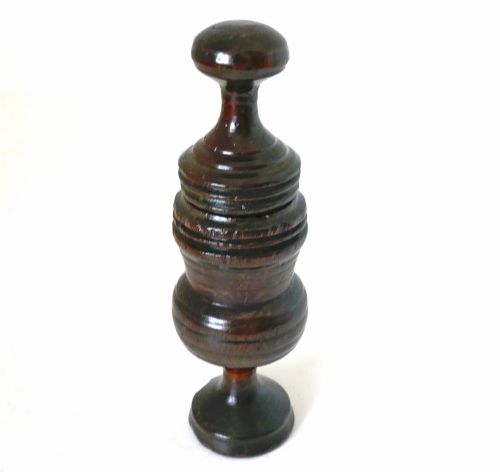
Carved wooden kitchenalia items are practical domestic implements and vessels shaped from timber, ranging from salt boxes and spoon racks to spice grinders, butter prints, and nutcrackers. These pieces bridge the gap between everyday rural utility and folk art, reflecting the domestic habits of past centuries.
On this page, the most frequent forms encountered are utilitarian kitchen items from the seventeenth, eighteenth, and nineteenth centuries, constructed in regional timbers such as oak, sycamore, and fruitwood. Buyers encounter items like salt boxes, pestles, mortars, and biscuit cutters that served demanding roles in historic kitchens.
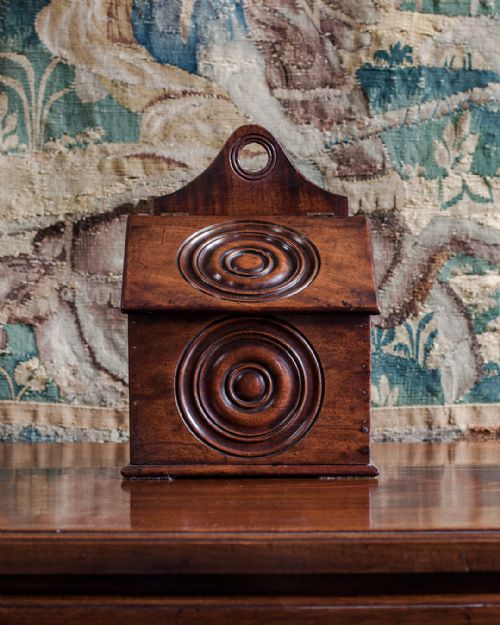
The origins of these objects span British workshops, European sources, and occasional global trade items like South Indian coconut scrapers. Each piece carries the distinct marks of hand tool work, whether it is a Georgian mahogany salt box or a Black Forest nutcracker carved into the shape of a fist.
How they were made
Makers utilised available regional hardwoods such as oak, sycamore, fruitwood, olive wood, and mahogany, selecting timber based on density and grain pattern to suit the specific demands of the implement. Hardwood selection ensured that functional items like mortars, spice grinders, and nutcrackers could withstand heavy daily use without splitting.
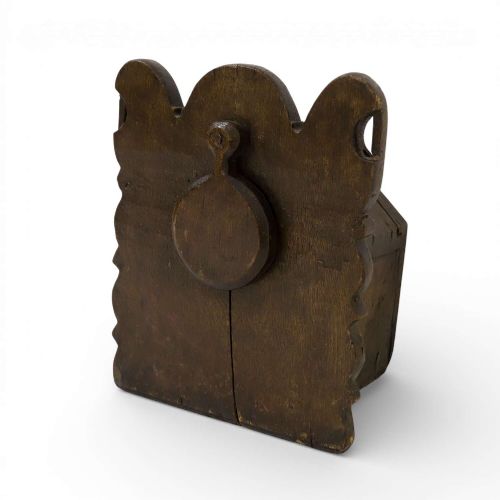
Construction relied on traditional hand carving, turning on simple lathes, and joining techniques using original iron hardware where appropriate, such as hinges on salt boxes. Surface decoration involved chip carving, incised motifs, and occasional applications of paint, as seen on Welsh flour and grain scoops or red-painted oak salt boxes.
Some nineteenth century treen was carved specifically as love tokens, including heart-shaped biscuit cutters.
What varies in quality
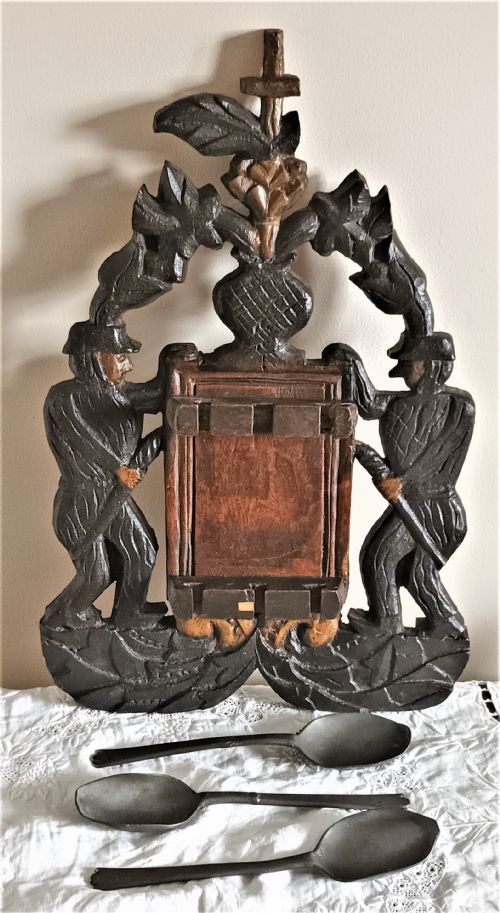
Quality rests upon the crispness of the original hand carving and the integrity of the timber form, where deep relief work on gingerbread moulds or butter prints demonstrates superior artisan skill. Pieces retaining their original functional components, such as iron hardware on salt boxes or matched pewter spoons in racks, command greater interest.
The depth of patination and surface wear tell the history of use, distinguishing pieces that retained their character through centuries from those stripped or overly restored. Superior examples display clear tool marks and honest domestic wear rather than modern interventions.
The Carved Wooden Kitchenalia Glossary
- Treen
- Small handmade wooden domestic objects. The term derives from the old word for tree and covers items like butter prints, spoons, and nutmeg graters.
- Salt Box
- A wall-hanging container designed to keep salt dry in historic kitchens. These typically feature hinged lids and original iron hardware.
- Butter Print
- A carved wooden stamp used to impress patterns into blocks of butter. Motifs often include agricultural symbols like acorns and wheat.
- Spoon Rack
- A wall-mounted wooden rack designed to display and store eating spoons. Examples often accompany early pewter spoons.
- Gingerbread Mould
- A deep wooden carving used to shape spiced dough before baking. These frequently depict figures, animals, or heraldic scenes.
Carved Wooden Kitchenalia: Frequently Asked Questions
What is treen?
Treen encompasses small, useful wooden objects made for the home before the advent of mass manufacturing. These items include kitchen implements, boxes, and personal accessories.
Collectors prize treen for the visible tool marks left by historical makers and the rich patination developed through decades of handling.
How were salt boxes used?
Salt boxes hung on kitchen walls near the hearth to keep salt dry and easily accessible for cooking. Their sloping lids protected the contents from kitchen smoke and moisture.
Many examples feature backboards with hanging holes and robust iron hinges to withstand daily opening.
How do I date wooden kitchenalia?
Dating relies on identifying the timber species, construction methods, tool marks, and any accompanying hardware like hand-forged iron hinges. Stylistic clues from periods like the Georgian era or seventeenth century also guide attribution.
Wear patterns consistent with early domestic use help confirm the age of functional pieces.
How do I care for antique wood?
Antique wooden items require stable indoor humidity away from direct heat sources and strong sunlight to prevent timber shrinkage and cracking. Cleaning should involve only a dry or barely damp cloth without modern polishes.
Allowing the wood to retain its historic surface ensures the preservation of natural patination.