

Wooden Framed Print
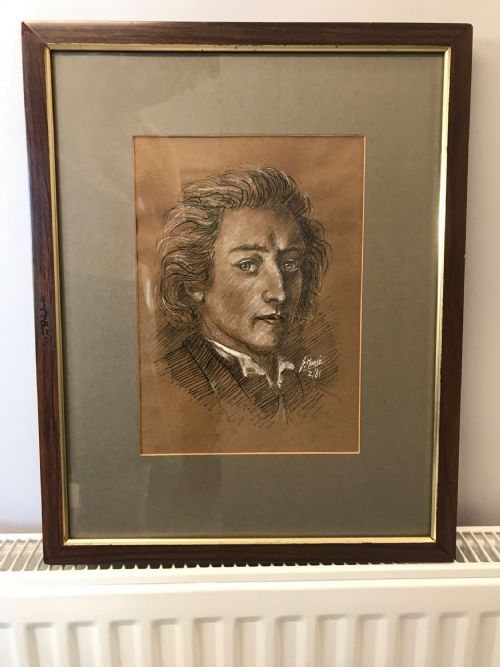
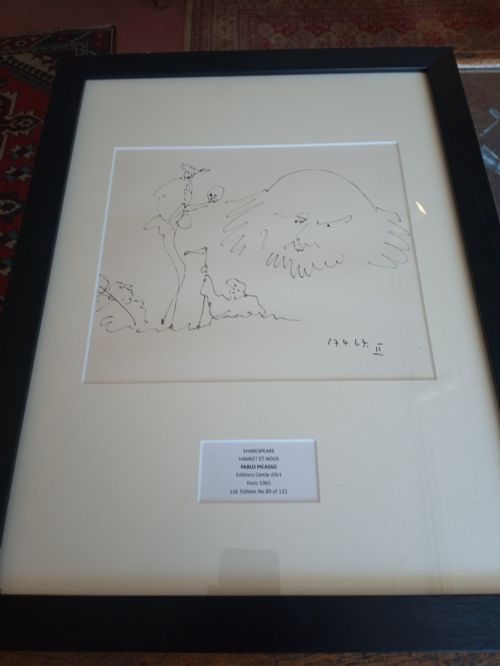
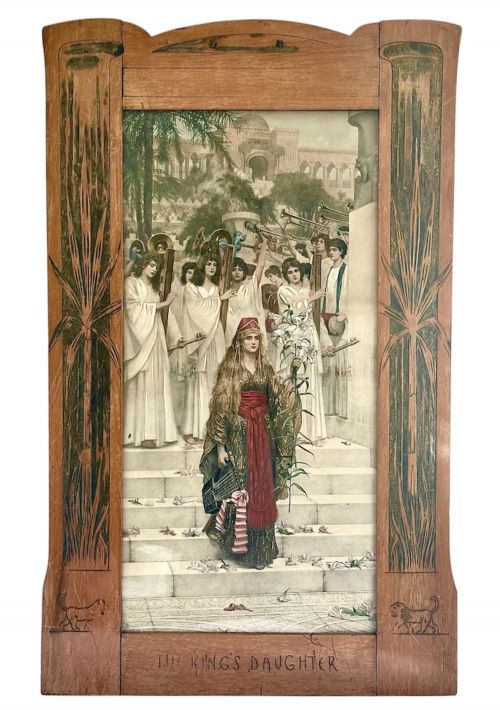
These wooden framed print examples hold paper and glass within timber borders, bringing historical imagery and domestic decoration together on the wall.
Wooden Framed Print
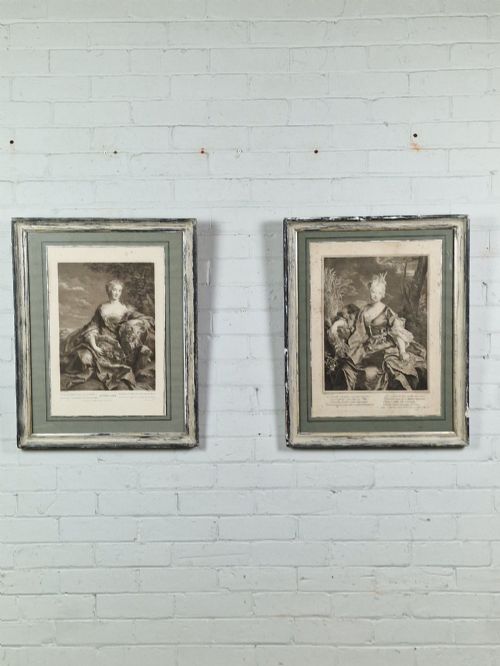
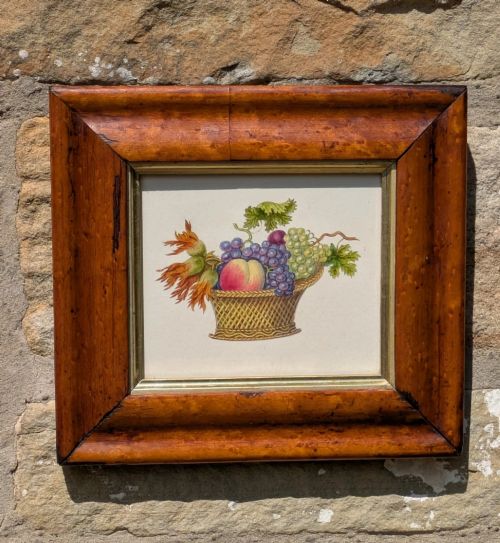
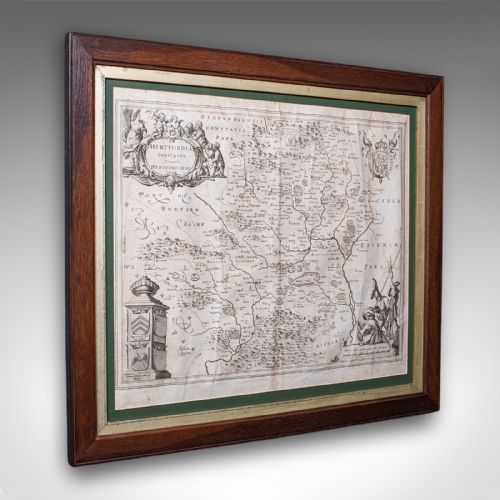
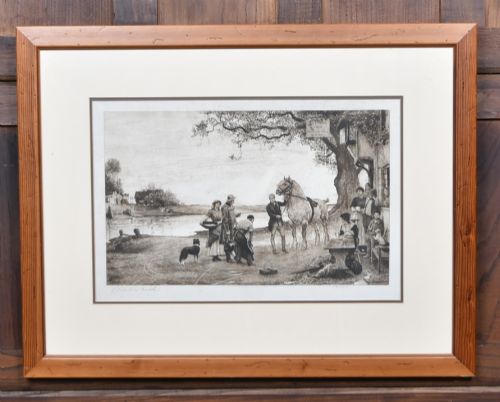
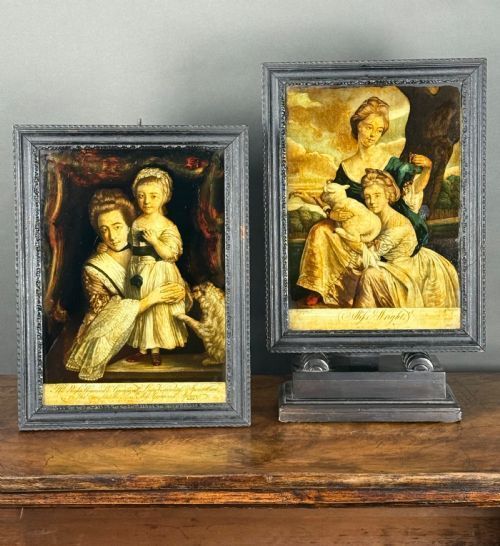
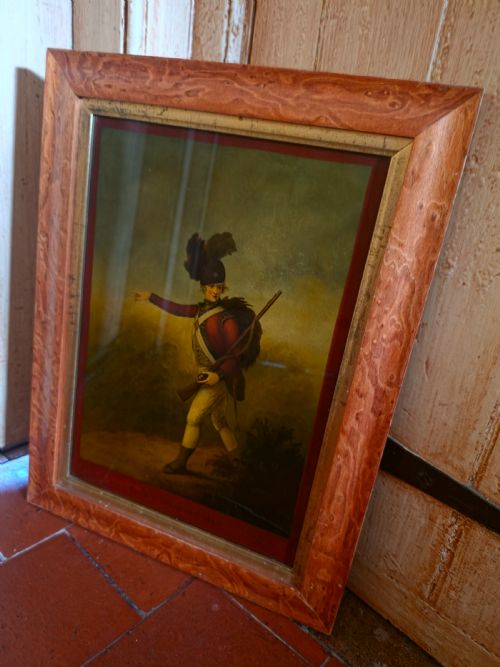
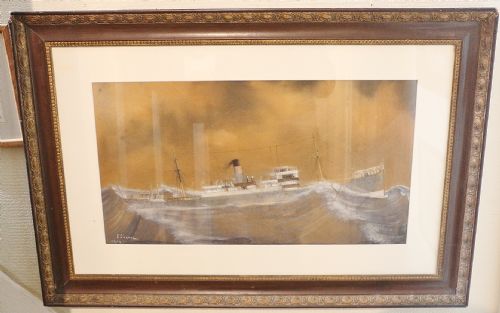
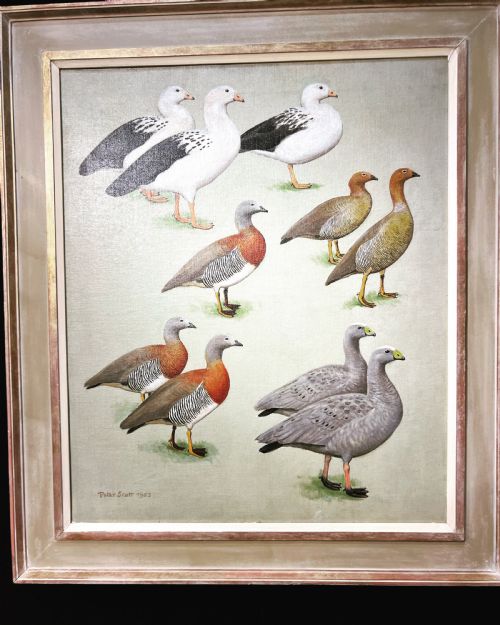
A wooden framed print brings together historical paper works and timber surrounds, encompassing engraved maps, botanical plates, and satirical portraits from various eras. Buyers seeking a wooden framed print encounter diverse subjects, from nineteenth-century military scenes and sporting sets to eighteenth-century reverse glass mezzotints.
The selections span centuries, featuring seventeenth-century cartography alongside twentieth-century lithographs and photographs. Most examples combine paper imagery with glass protection, housed within oak, gilt wood, or carved pine mouldings selected to complement the artwork.
How materials and technique combine
Makers utilised timber such as oak, maple, and carved pine to construct structural surrounds, often joining the corners with mitres or specialised framing techniques. Glass protected delicate paper surfaces, including watercolours, etchings, engravings, and chromolithographs.
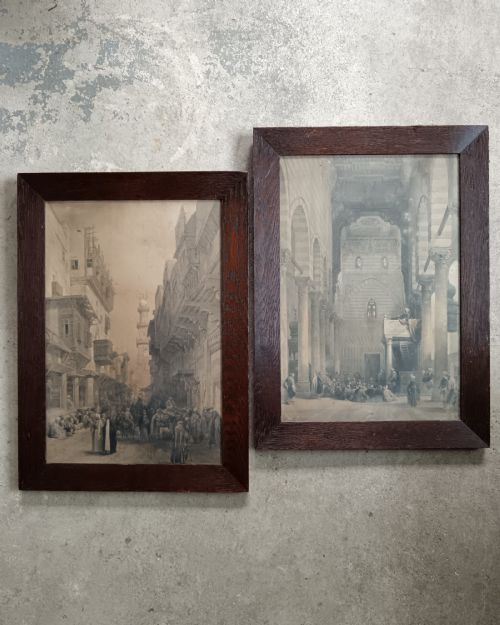
Surrounds frequently incorporated applied paint, gold leaf, or polished finishes to enhance the timber grain. Paper elements relied on traditional printing methods like aquatint, photogravure, and lithography, mounted securely behind protective glazing.
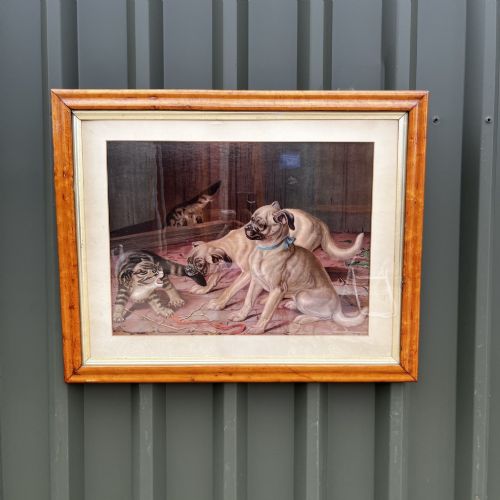
Several pieces depict domestic animals, including pugs and cats joining historical figures on the wall.
What distinguishes finer examples
Quality rests in the harmony between the timber surround and the enclosed paper work, where original matching frames elevate the piece. Carved details on pine or oak mouldings reflect skilled handwork rather than mass production.
The clarity of the printed impression, whether an engraving or a lithograph, dictates the visual strength of the piece. Preservation of the original glass, backing, and surface finish determines the overall integrity of the object.
Robert W. Macbeth·Horatio Henry Couldrey·David Roberts·John Curtis·Robert Morden
The Wooden Framed Print Glossary
- Chromolithography
- A planographic printing technique using multiple limestone blocks to apply successive coloured inks onto paper. This process produced vibrant multi-coloured prints popular during the nineteenth century.
- Mezzotint
- A printmaking process where the copper plate is roughened to achieve rich tonal gradations in dark areas. Reverse glass mezzotints applied the ink directly to the glass surface rather than paper.
- Aquatint
- An intaglio etching technique that uses powdered resin to create tonal areas resembling watercolours. Publishers utilised this method extensively for topographical and sporting series.
- Cartography
- The scientific and artistic practice of drawing maps, often featuring decorative borders and hand-coloured details. Early examples served both navigational purposes and domestic wall display.
- Photogravure
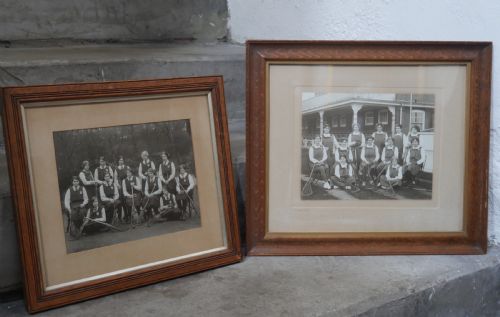
- A photographic printing process that produces rich tonal images by transferring a negative onto a copper plate. This technique captured fine photographic details with deep shadows and subtle highlights.
Wooden Framed Print: Frequently Asked Questions
How do I identify the age of the frame?
Timber species, corner construction methods, and surface patination provide clues to the period of manufacture. Oak and maple mouldings often display tooling marks characteristic of specific historical eras.
Backboards, fixings, and historical glass types further assist in dating the complete object accurately.
Are reverse glass prints fragile?
Reverse glass pieces apply pigment directly to the transparent pane, making the decorated surface vulnerable to flaking or moisture damage. Handling requires care to protect both the timber surround and the delicate interior.
Wall placement should avoid direct sunlight and fluctuating humidity to preserve the adherence of the paint.
What subjects are most common?
Subjects range widely across centuries, featuring botanical studies, military scenes, sporting sets, and topographical maps. Portraiture and satirical political prints also appear frequently within historical formats.
Each subject reflects the decorative tastes and publishing output of its respective period.
How should these pieces be hung?
Hanging requires stable wall fixings suited to the combined weight of the timber, glass, and paper components. Picture wire or integrated brackets must securely support the structure without straining the mitred corners.
Positioning away from heat sources prevents the timber frame from warping and protects the paper from drying out.