
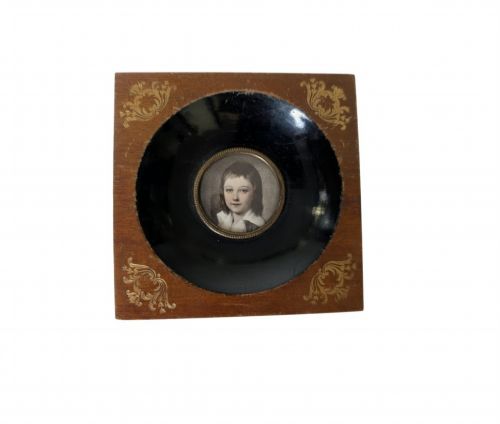
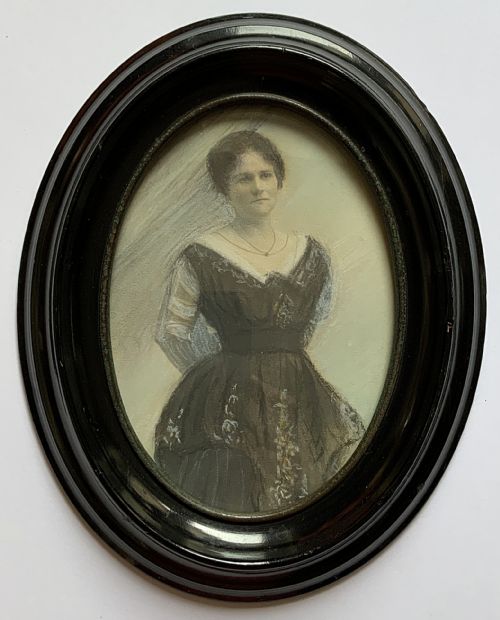
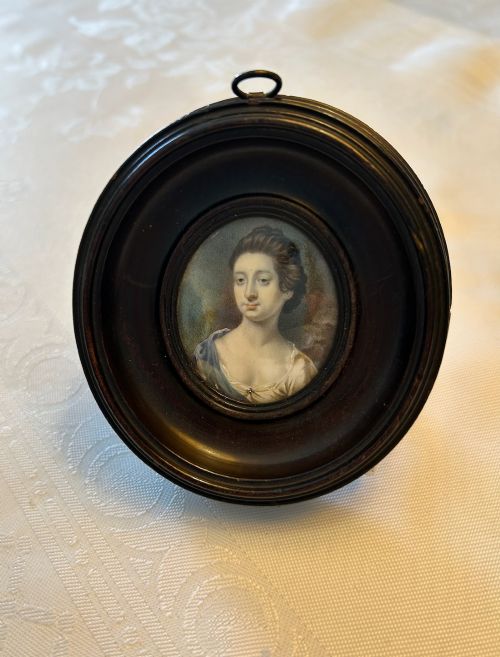


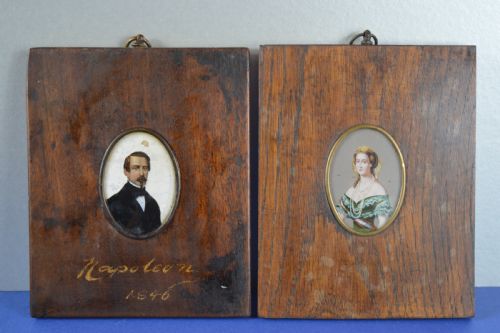

Wooden Framed Miniature
A wooden framed miniature is a small-scale portrait or artwork enclosed in timber, offering a glimpse into historical portraiture and craft.
Wooden Framed Miniature
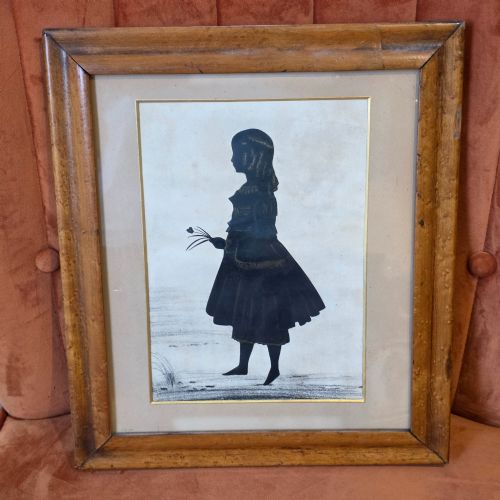
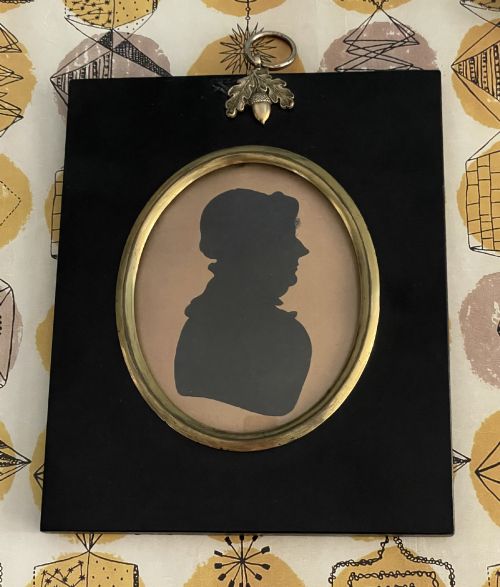
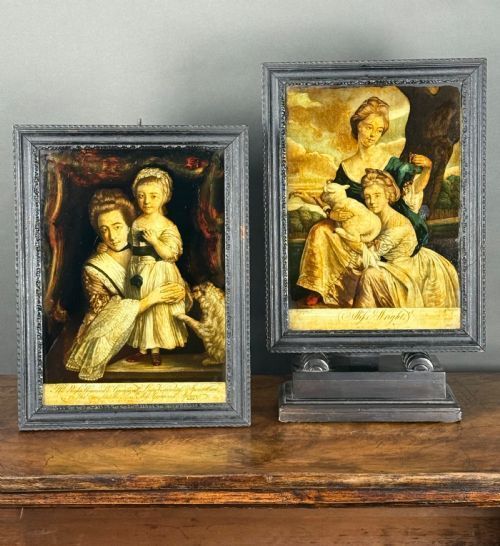
A wooden framed miniature encompasses small artworks, portraits, and prints housed within timber surrounds, frequently originating from the eighteenth and nineteenth centuries. Collectors encountering these items on the page will find silhouette portraits, watercolour paintings, and reverse glass mezzotints.
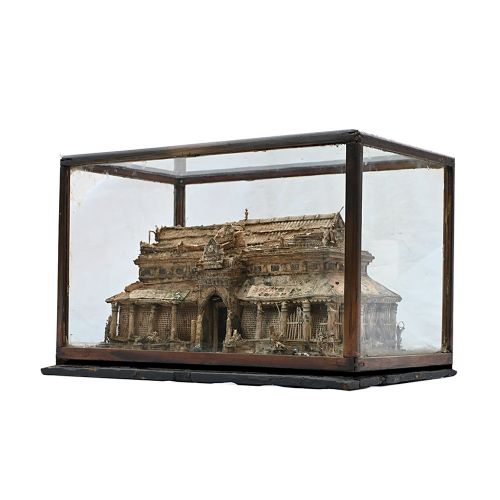
The assortment includes examples from Victorian, Regency, and Georgian periods, alongside Mughal school gouache paintings and European folk art dioramas. Many pieces present oval formats, traditional wood mouldings, or ebonised surrounds containing delicate paper, glass, and metal components.
Materials and construction
Makers utilised timber such as oak and ebonised wood to construct protective surrounds for delicate paper, glass, and canvas works. These frames frequently secure watercolour paintings, cut-paper silhouettes, and gouache scenes beneath protective glass.
Artisans applied media including watercolour, pastel, plumbago, and gouache directly onto paper or support materials. Structural elements incorporate brass fixings and specialised mounts to preserve the integrity of the miniature artwork.
Quality factors in miniatures
The refinement of the painted or cut details distinguishes superior examples from simpler works, particularly in portrait miniatures and silhouette profiles. Finer execution in watercolour or gouache demonstrates greater skill by the period hand.
The preservation of the original wooden frame and glass contributes significantly to the integrity of the piece. Items retaining documented histories or annotated details to the rear offer additional context for the collector.
James Gillespie·Augustin Edouart·James Ferguson
The Wooden Framed Miniature Glossary
- Silhouette
- A portrait profile filled in with a solid colour, typically black, seen in cut-paper or painted formats. These were popular during the Regency and nineteenth-century periods.
- Plumbago
- A drawing executed in graphite, taking its name from the Latin word for lead ore. This monochrome technique produced finely detailed historical portraits.
- Ebonised wood
- Timber treated to resemble ebony, providing a dark, uniform finish. This material was frequently utilised for nineteenth-century portrait frames.
- Gouache
- An opaque water-based paint used to create vibrant miniature paintings. It appears in Mughal school landscapes and courtly scenes from the mid-nineteenth century.
- Reverse glass mezzotint
- An image transferred and painted on the underside of glass. This technique protected the delicate artwork from atmospheric damage.
Wooden Framed Miniature: Frequently Asked Questions
What periods do these miniatures come from?
The pieces span the eighteenth and nineteenth centuries, including Georgian, Regency, and Victorian eras.
Specific examples date from around 1850 through to the Edwardian period.
How should I display a wooden framed miniature?
These small artworks suit wall display, often grouped in pairs or small arrangements due to their intimate scale.
Keep them away from direct sunlight to protect delicate watercolours and paper components.
What subjects appear in these frames?
Common subjects include portrait miniatures of husbands, wives, and children, alongside silhouettes and fashion prints.
Other examples feature landscape scenes, mythological subjects, and folk art dioramas.
Are the frames original to the artwork?
Many pieces retain their period wooden surrounds, such as ebonised wood or simple timber mouldings appropriate to the date.
Some listings note matched pairs of Regency or Victorian frames housing miniature prints.