
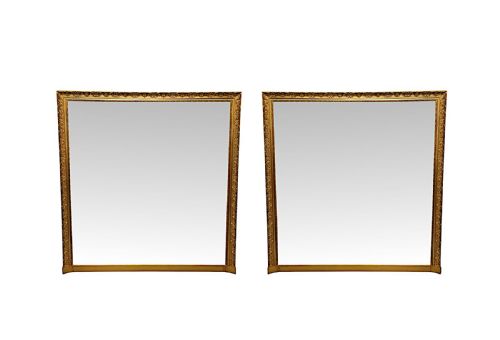
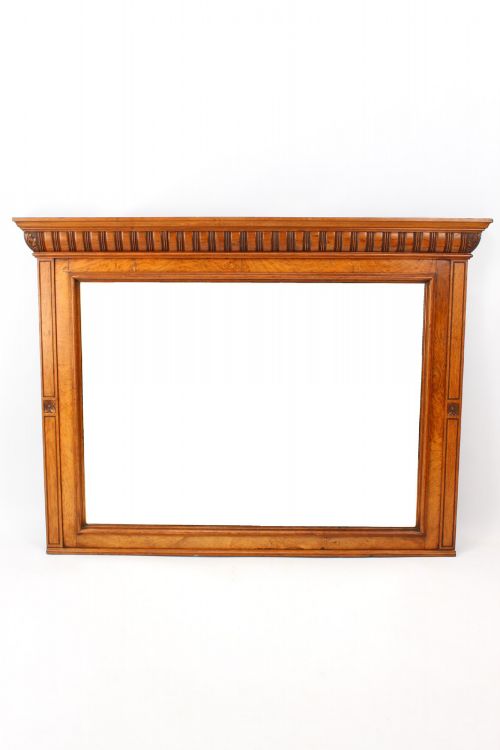
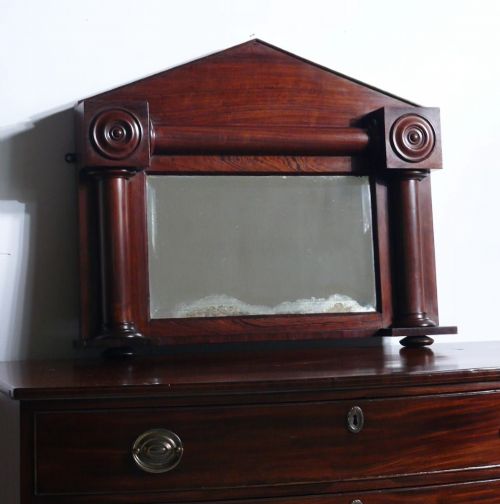
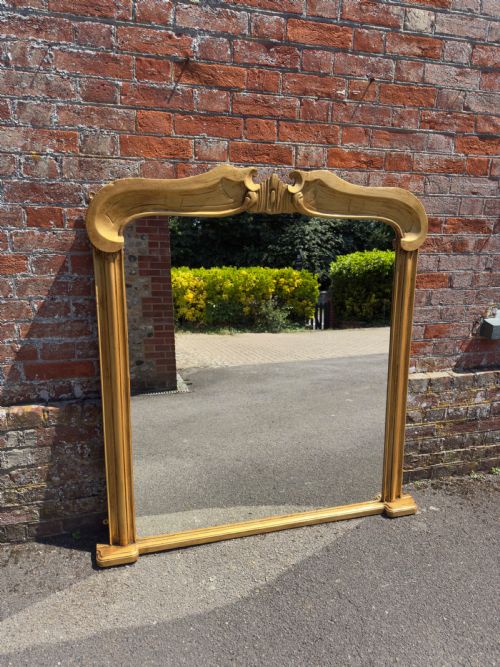
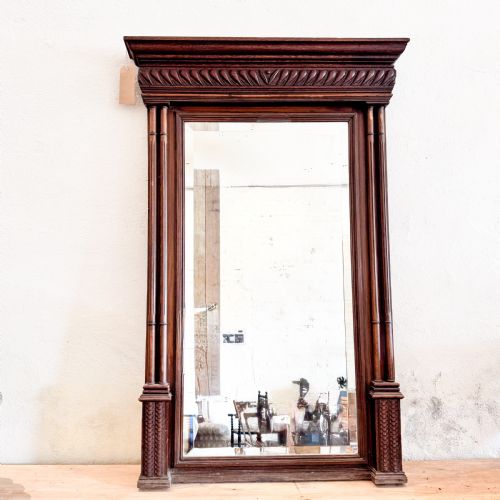
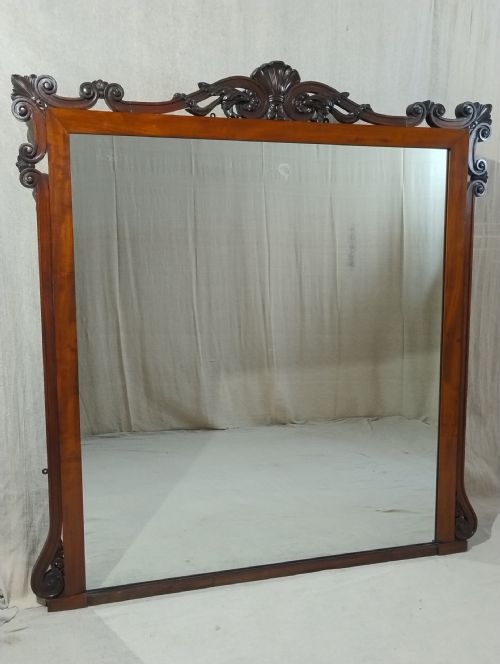
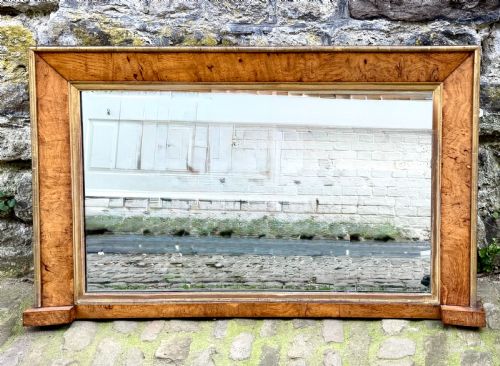


Wooden Fireplace Mirror
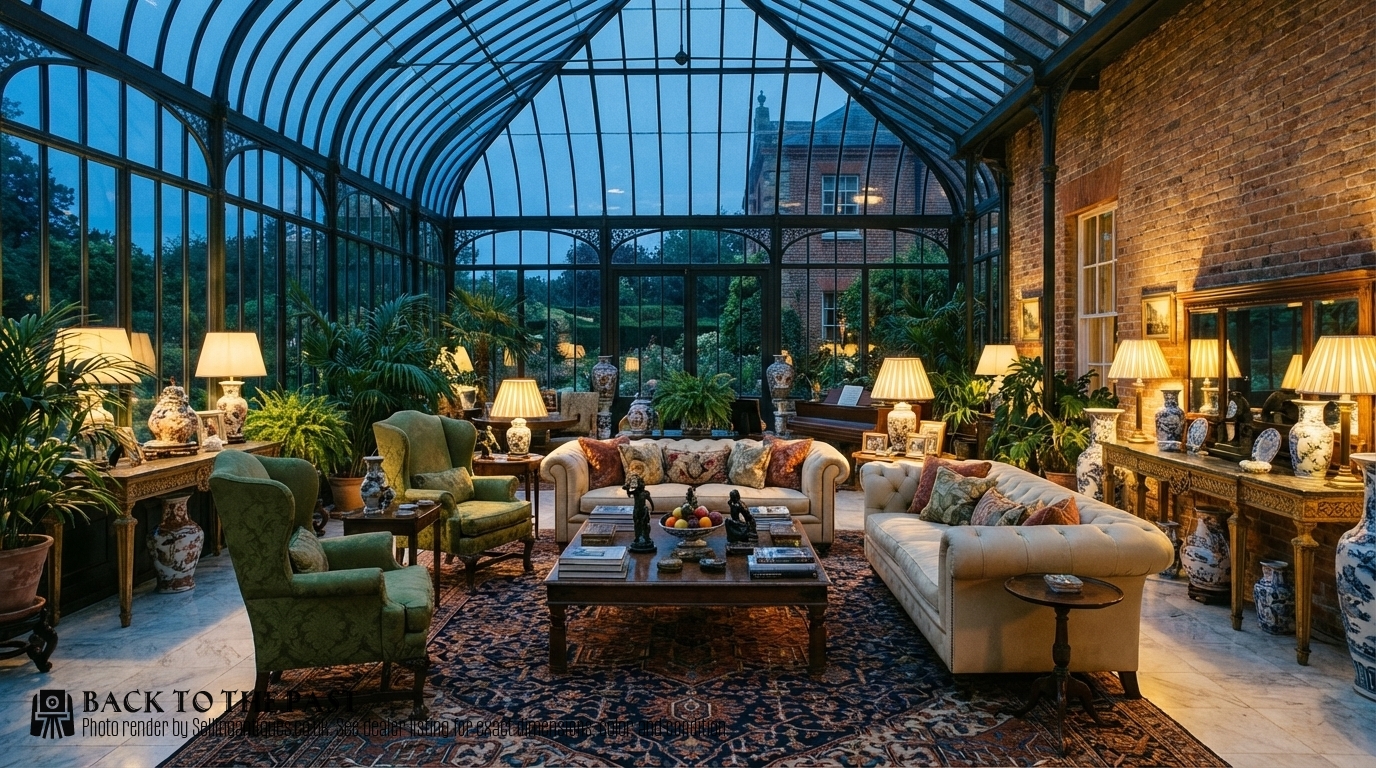
A wooden fireplace mirror anchors a room, bringing light and presence above a hearth.
Wooden Fireplace Mirror
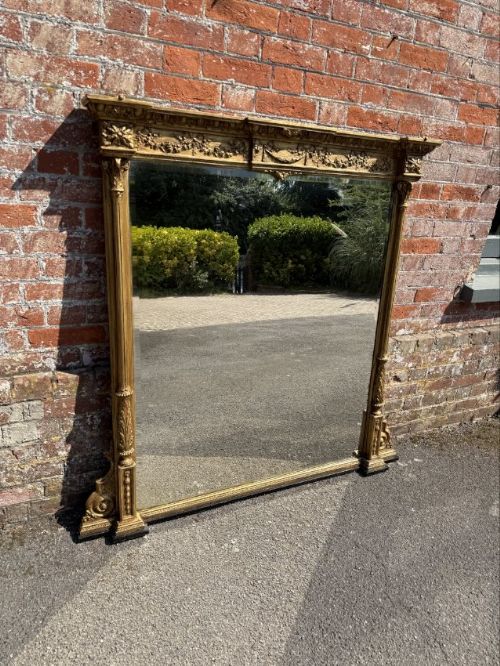
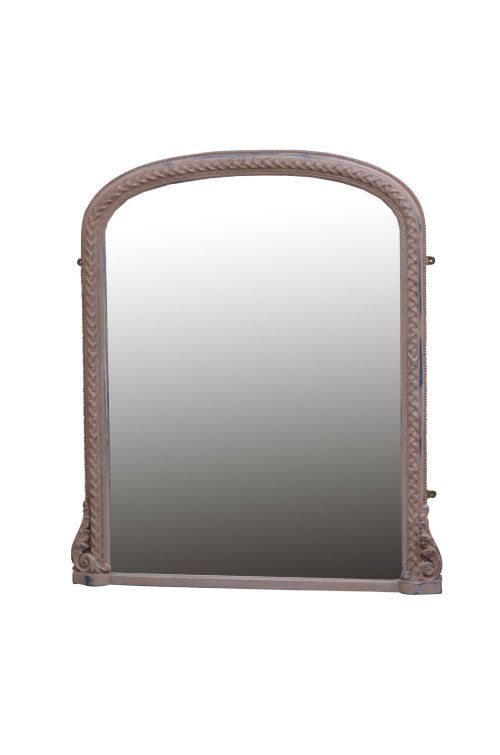
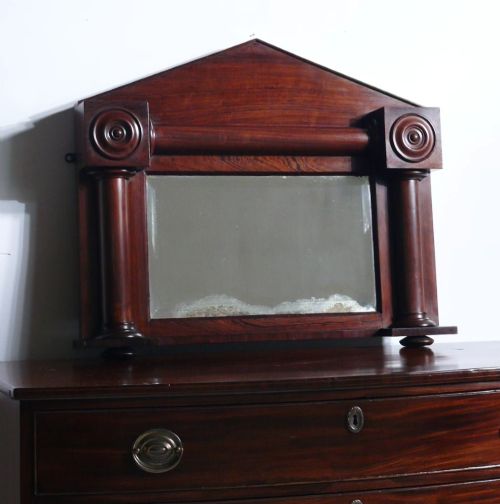
A wooden fireplace mirror principally takes the form of an overmantel mirror designed to sit above a mantelpiece, drawing the eye upwards and reflecting interior space. These pieces emerge predominantly from the nineteenth and early twentieth centuries, spanning Victorian, Edwardian, and Regency periods.
Materials and Construction
Frames rely on cabinet timbers like mahogany, walnut, oak, and rosewood, sometimes enhanced with burr veneers, marquetry, or brass detailing. Artisans shaped solid woods and applied gesso to form intricate carvings and cresting.
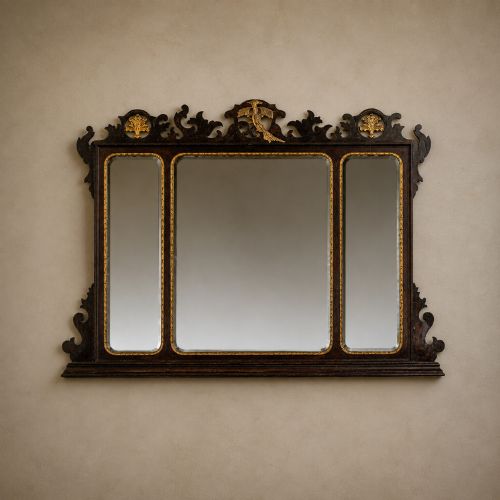
Gilding techniques introduced gold leaf or gilt layers over wood and gesso grounds, while other pieces received painted finishes, ebonisation, or parcel gilt accents. Mirror glass was fitted into these robust frames to withstand the mantel environment.
Design styles span Regency, Victorian, Edwardian, Chippendale Revival, and French Chateau influences.
Distinctions in Quality
Quality rests in the crispness of the carving, the selection of timber veneers such as burr yew or birds-eye maple, and the integrity of the original gilding or painted surface. Finer examples display sophisticated joinery and detailed ornamentation like Ho-Ho bird cresting or marquetry inlay.
The depth of the moulding and the proportion of the mirror plate relative to the timber frame dictate visual balance. Pieces with harmonious proportions and intact period surfaces stand apart from simpler utility versions.
The Wooden Fireplace Mirror Glossary
- Overmantel mirror
- A large mirror specifically designed to hang or stand upon the mantelpiece above a fireplace. These often feature horizontal proportions to span the width of the hearth.
- Giltwood
- Wood that has been coated with gold leaf or gold paint. This finish creates a reflective, luminous surface on the frame moulding.
- Gesso
- A plaster-like mixture applied to wood frames to create a smooth surface for carving or gilding. It allows for intricate relief ornamentation.
- Marquetry
- The art of applying pieces of veneer to a structure to form decorative patterns. This technique frequently appears on Edwardian and Victorian rosewood frames.
- Parcel gilt
- A finish where only specific parts of an object are gilded while the rest shows the underlying wood or paint. It highlights particular architectural details.
Wooden Fireplace Mirror: Frequently Asked Questions
How do I hang a wooden fireplace mirror?
These mirrors are heavy and require secure fixing directly into wall studs or solid masonry using appropriate heavy-duty brackets.
Placement should account for the weight distribution across the frame structure to ensure safe suspension above the mantel.
Can these mirrors stand on the mantelpiece?
Many overmantel mirrors are constructed to rest directly on the mantel shelf while being anchored to the wall for safety.
This resting position places weight on the bottom frame members, so checking the stability of the lower joint structure is essential.
How do I identify the period of a mirror?
Period identification relies on timber selection, moulding profiles, and decorative motifs characteristic of eras like the Victorian or Edwardian periods.
Secondary woods at the back and the method of silvering on the glass offer further clues to the age of the piece.
How do I clean the wooden frame?
Maintenance involves dusting with a soft, dry cloth to protect fragile giltwood, gesso, and polished timber surfaces.
Water and chemical polishes should be avoided to prevent damage to historic finishes and exposed wood.