
Wooden Display Shelf
A wooden display shelf organises your books and ornaments, bringing character to a room through solid timber and honest joinery.
Wooden Display Shelf
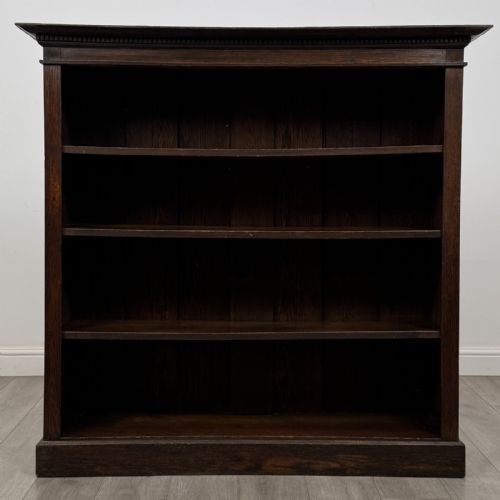
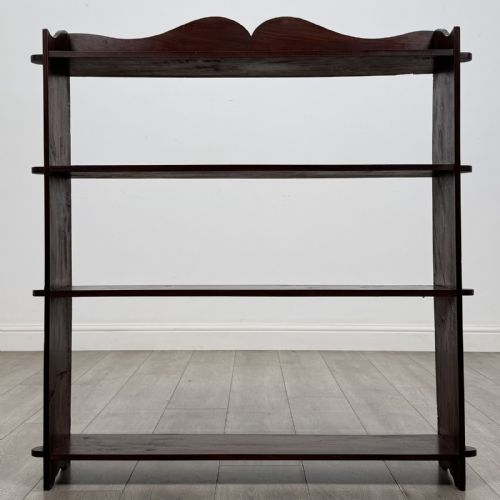
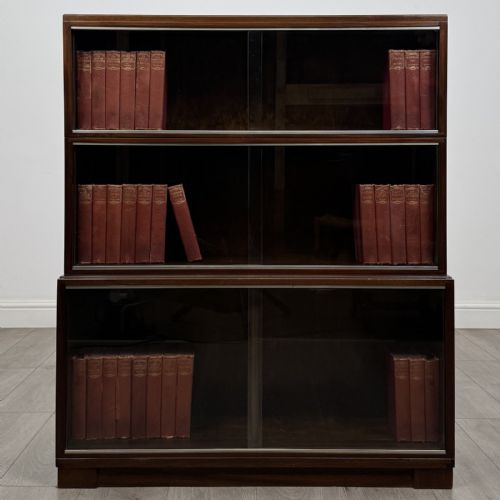
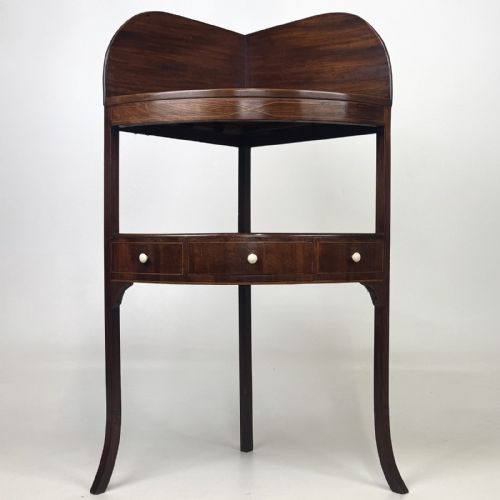
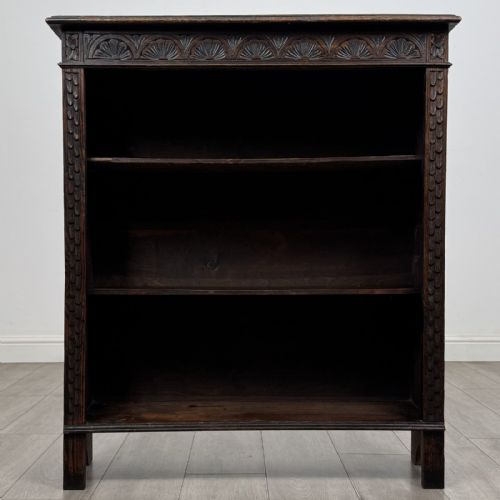
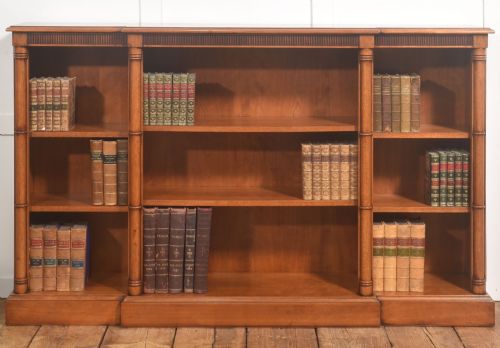
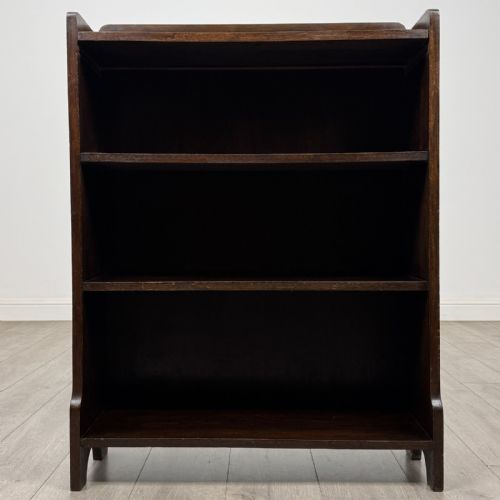
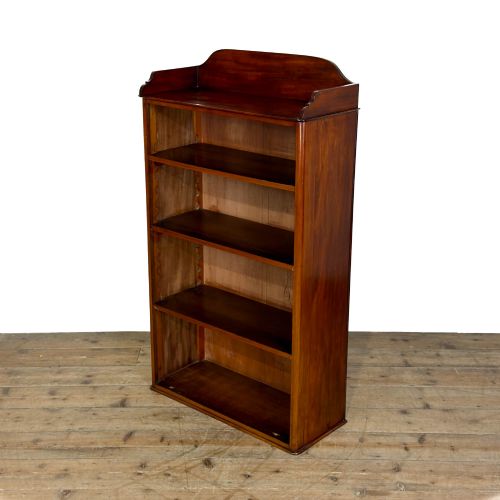
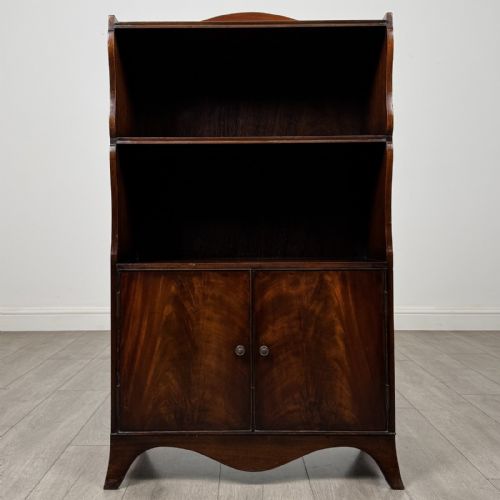
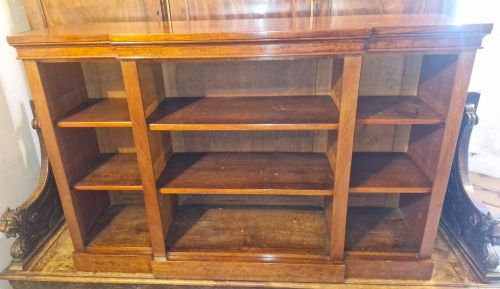
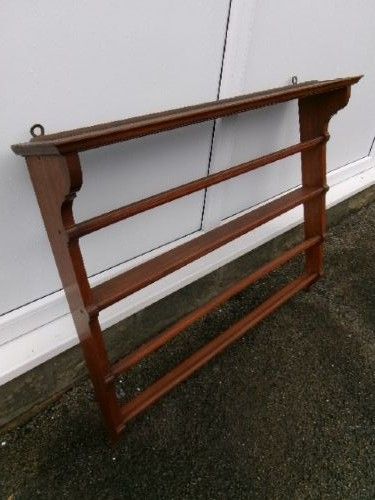
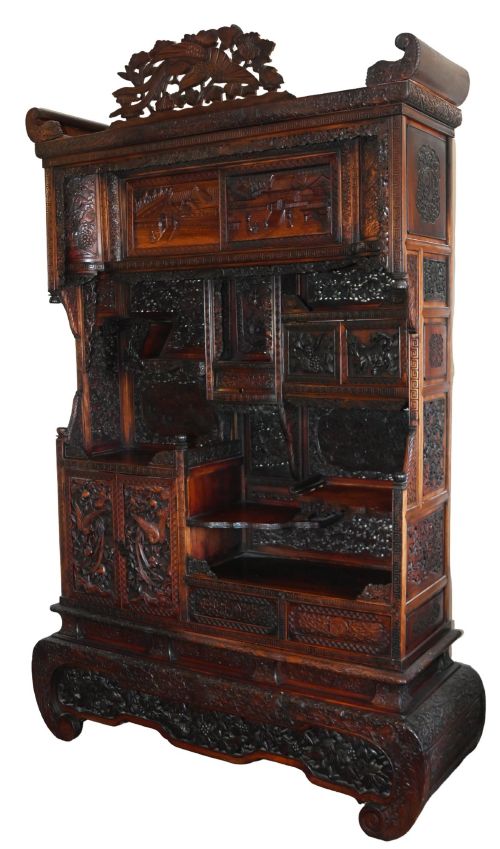
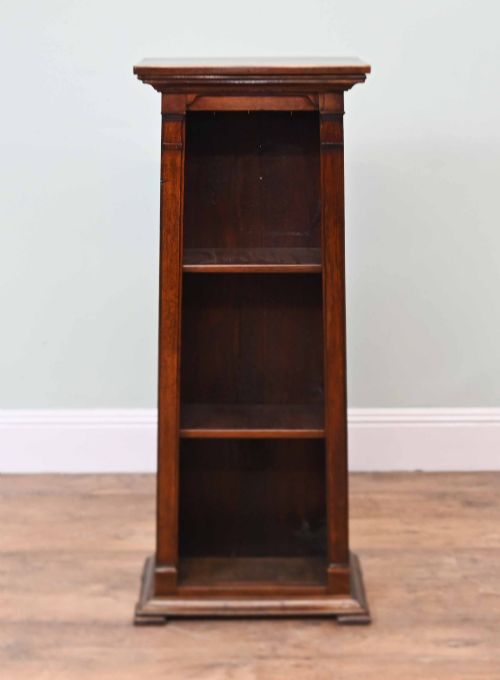
A wooden display shelf takes many forms across this selection, appearing most frequently as an open bookcase, a wall-hanging shelf rack, or a multi-tiered whatnot. These pieces span from the Georgian period through the Victorian and Edwardian eras into the early twentieth century.
Buyers will encounter robust oak bookcases alongside refined mahogany wall shelves and walnut display units. Simpler pine shelving units and rustic country pieces sit beside more elaborate inlaid Edwardian examples and carved Japanese cabinets.
The materials reflect the tastes of their respective decades, utilising hardwoods like mahogany and oak alongside softer pine and decorative burr walnut veneers. Forms range from floor-standing bookcases with adjustable shelves to compact wall brackets designed for display.
Materials and construction
Cabinetmakers constructed these shelves using solid timber and quality veneers, selecting oak, mahogany, walnut, and pine for their specific grain patterns and strength. Brass fittings, castors, and carved details frequently complement the primary wood.
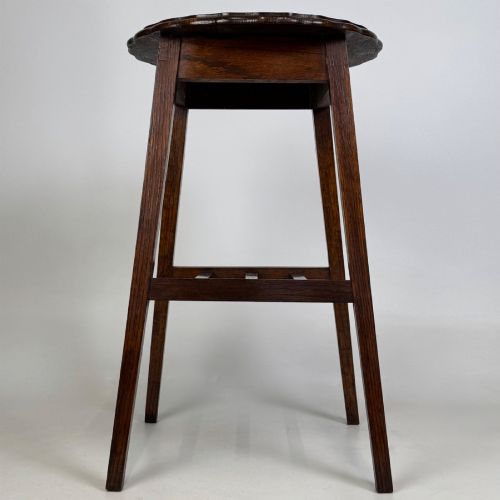
Joinery methods varied according to the period and style, from the linear simplicity of Arts and Crafts oak pieces to the turned legs, barley twist supports, and inlaid marquetry of Victorian and Edwardian examples.
Listings feature oak, mahogany, walnut, and pine across Victorian, Edwardian, and earlier nineteenth-century periods.
Quality differences
Quality in a wooden display shelf rests on the selection of timber, the precision of the joinery, and the integrity of the original hardware such as brass castors or brackets. Finer pieces demonstrate thoughtful proportions and careful matching of veneers like flame or burr mahogany.
The execution of decorative elements, including hand carving, raised galleries, and subtle inlay work, separates standard utility furniture from finer examples produced by established workshops.
Trevor Page & Co
The Wooden Display Shelf Glossary
- Whatnot
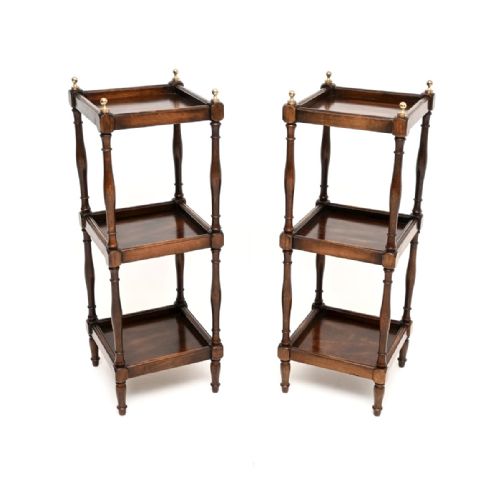
- A set of open shelves for displaying ornaments or books, popular throughout the nineteenth century. These multi-tiered pieces often feature turned supports and corner designs.
- Waterfall bookcase
- A tiered shelving unit where each successive shelf steps back from the one below it. This style gained popularity during the Victorian period.
- Barley twist
- A carved wooden furniture leg or support resembling a twisted rope. This decorative turning technique appears frequently on Victorian stands and bookcases.
- Arts and Crafts
- A design movement valuing honest construction, visible joinery, and natural materials. Pieces from this style typically feature solid oak with minimal ornamentation.
- Raised gallery
- A low decorative railing around the top edge of a shelf or table. This feature prevents items from sliding off the surface.
Wooden Display Shelf: Frequently Asked Questions
How do I clean a wooden display shelf?
Dust the surfaces regularly with a soft, dry cloth to prevent dirt build-up on the timber. Avoid household sprays containing silicone, opting instead for traditional beeswax applied sparingly to nourish the wood grain.
Keep the shelves away from direct heat sources and strong sunlight to prevent the timber from drying out or the finish from fading over time.
Are these shelves suitable for heavy books?
Many of the larger oak and mahogany bookcases feature sturdy construction designed to hold substantial volumes. Pieces with adjustable shelves allow you to configure the internal space to suit heavier folios.
Wall-hanging shelves require secure fixing to appropriate wall anchors to safely support the weight of books and heavier decorative objects.
What is the difference between a bookcase and a whatnot?
A bookcase is primarily designed for storing books, featuring enclosed sides and horizontal shelving, often with adjustable heights. These pieces range from low open fronts to tall standing units.
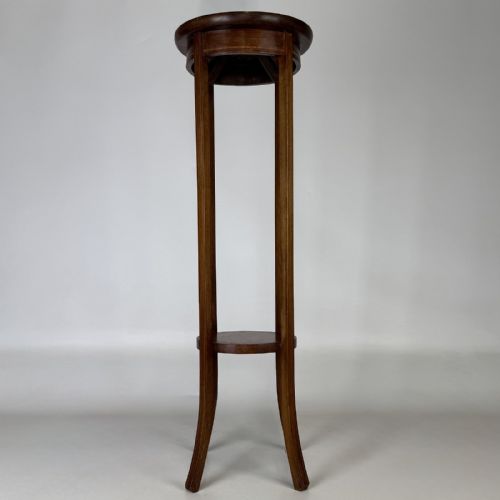
A whatnot is a decorative display stand featuring multiple open tiers supported by vertical posts, traditionally used for ornaments, curiosities, and smaller volumes.