


Wooden Display Plinth
A wooden display plinth elevates a cherished object, and these sturdy columns and stands bring focus to sculpture and ceramics.
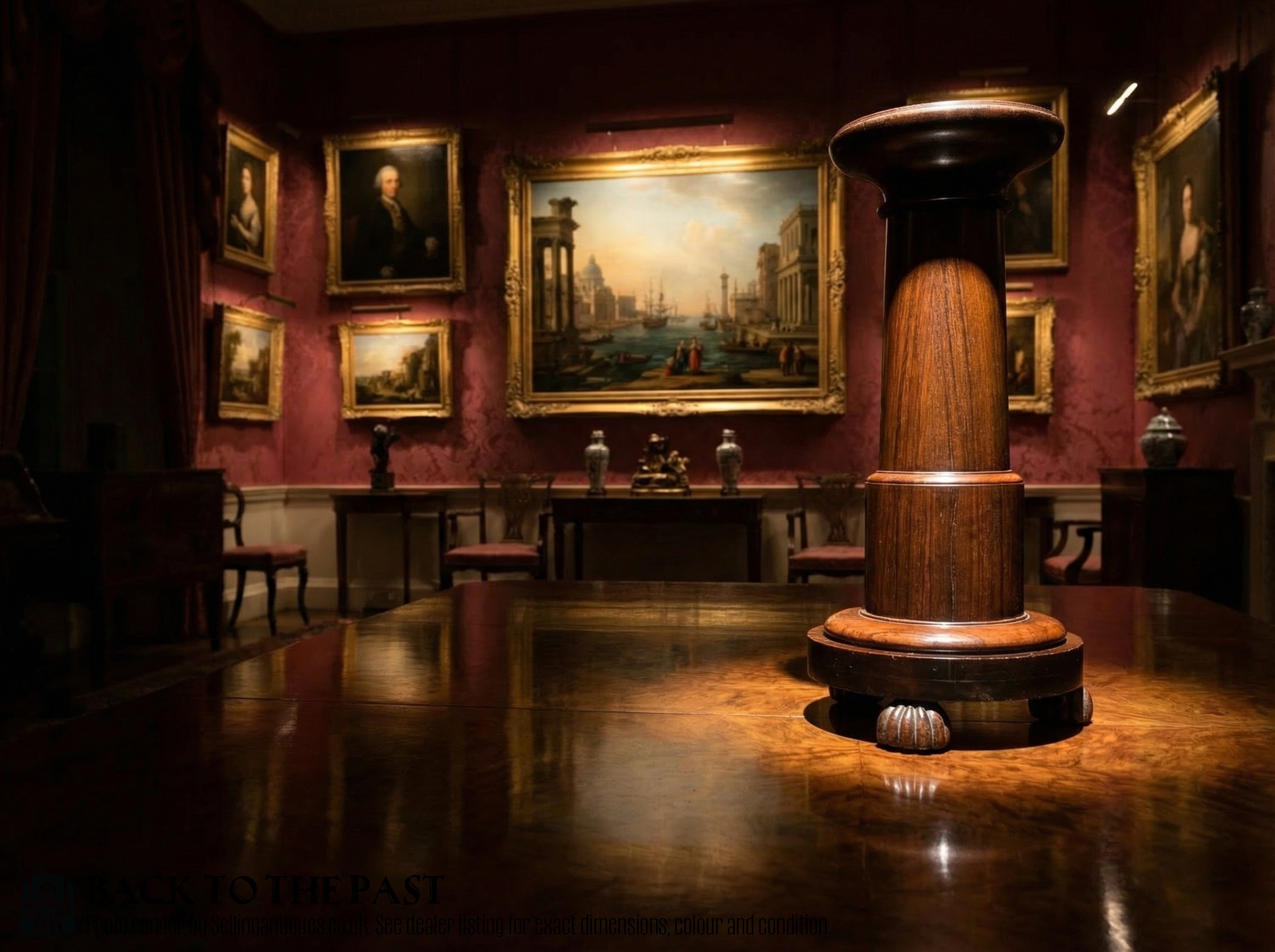
Wooden Display Plinth
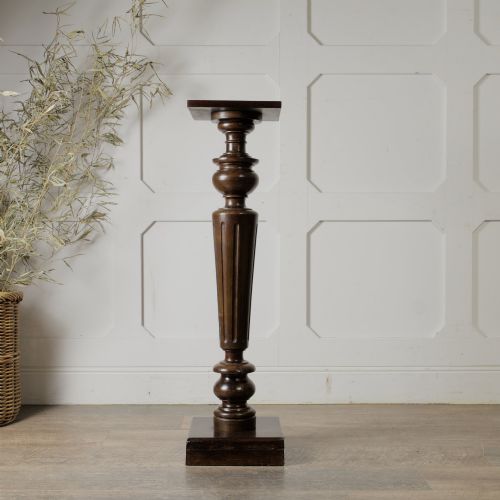
A wooden display plinth serves to elevate sculpture, vases, and decorative items above the floor or tabletop, drawing the eye to the piece placed upon it. When searching this phrase, a buyer encounters everything from simple turned stands to grand architectural columns.
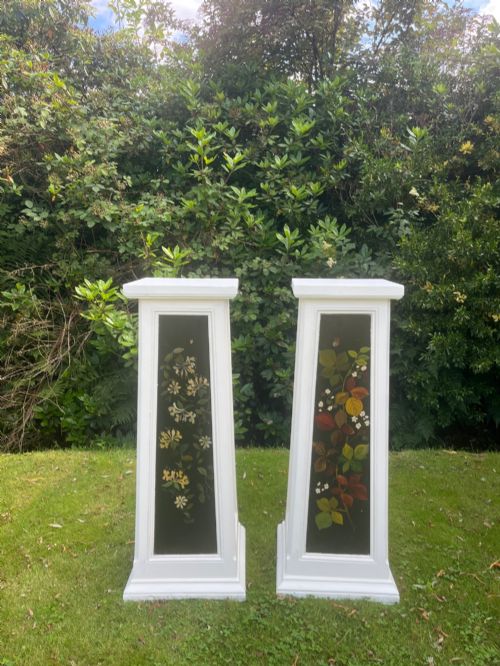
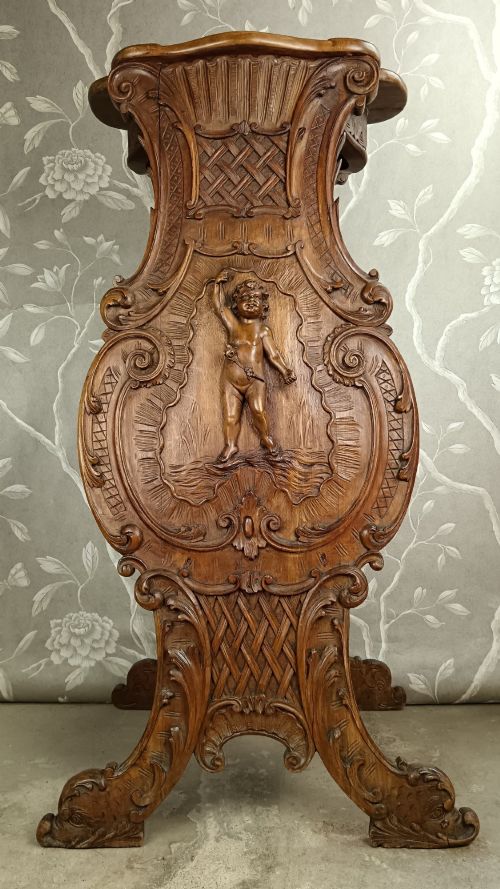
The selections on this page lean heavily toward nineteenth-century designs, alongside eighteenth-century examples and early twentieth-century pieces. Forms range from straightforward mahogany columns to painted pedestals, triform bases, and sculptural stands intended for display.
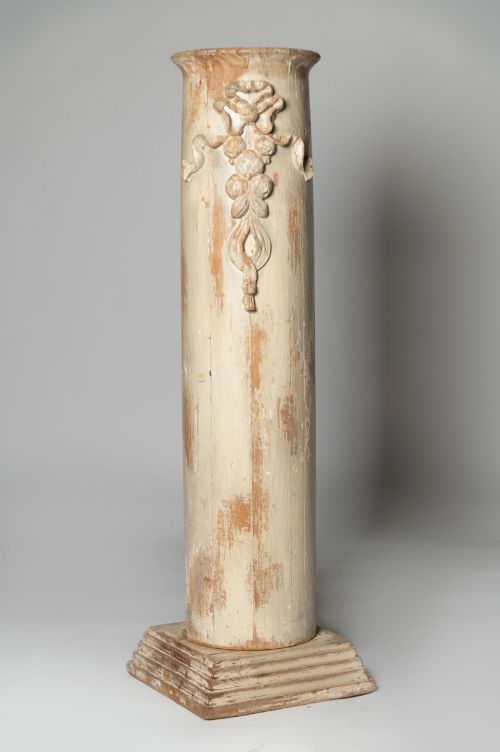
Originating across England, France, Italy, and Scandinavia, these objects reflect periods including the Victorian era, Georgian times, and Neoclassical revivals. Buyers frequently meet turned wooden columns, carved oak pillars, and cylindrical sculpture stands ready to support a bust or a vase.
How they were made
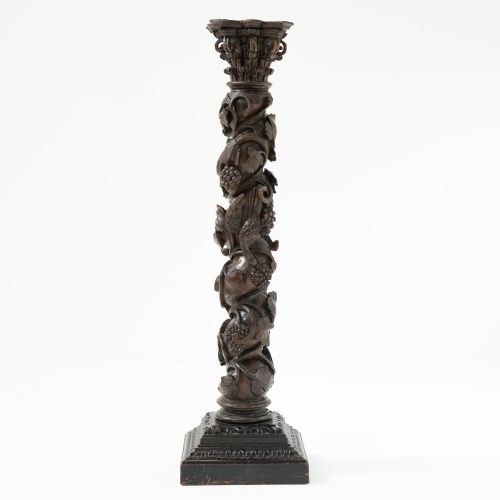
Cabinetmakers utilised dense timbers such as mahogany, oak, walnut, ash, and birch, often turning them on a lathe or carving them by hand into spiral pillars and classical columns. Solid wood construction provided the necessary weight and balance to support heavy items safely.
Many surfaces received decorative treatments including paint, ebonising, grain painting to imitate finer woods, and gilding with gold leaf or gesso. These finishes added colour and texture, turning plain timber into an ornate showcase for art.
Listings feature mahogany, oak, walnut, pine, and birch across Victorian, Georgian, and Neoclassical styles.
What varies in quality
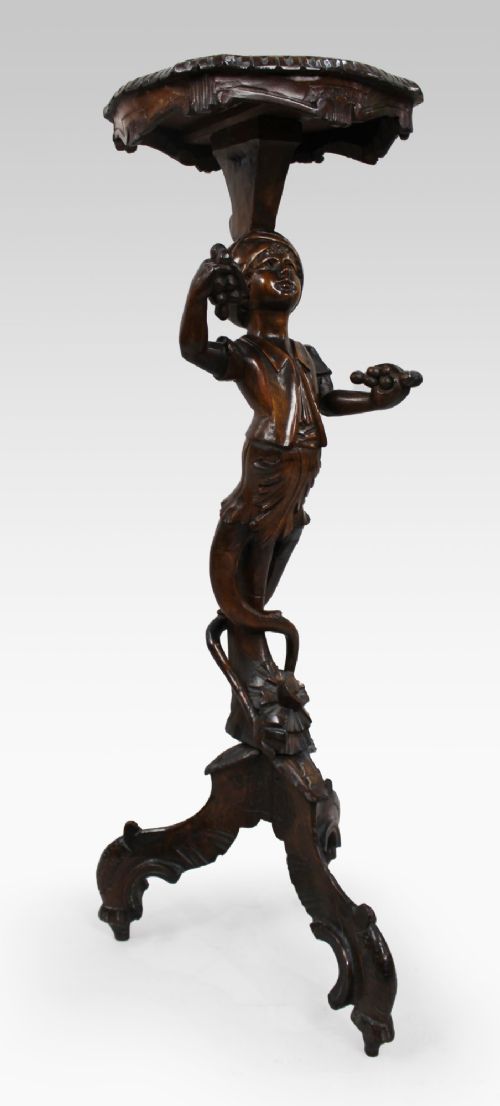
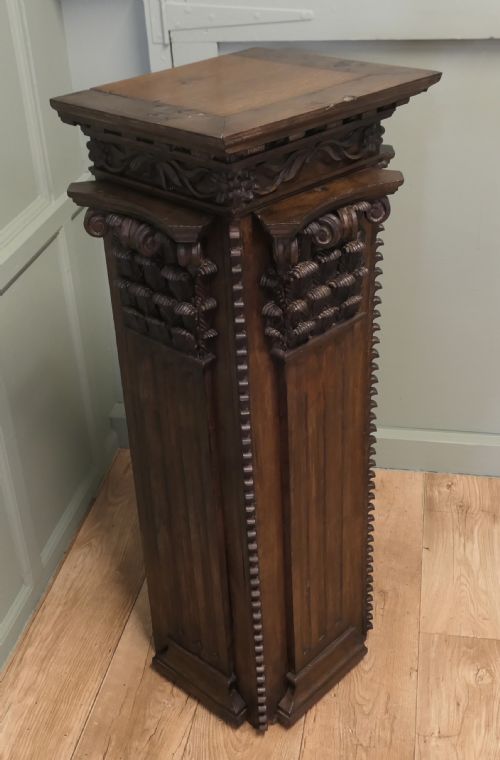
The standard of carving and turning distinguishes a basic stand from a distinguished exhibition piece. Crisp detail in acanthus leaves, figures, or fluted columns demonstrates the skill of the maker.
Choice of timber and finish also separates the tiers. Finely figured mahogany, amboyna, or intricately applied parcel gilding indicate workshops that catered to affluent patrons.
Gillow and Co·Marguerite
The Wooden Display Plinth Glossary
- Pedestal
- A structural base or column that supports a statue, vase, or bust. It elevates the object for better viewing.
- Solomonic
- A helical or spiral twist column design inspired by classical architecture. This form adds dynamic movement to a turned wooden plinth.
- Parcel gilt
- Wood decorated with partial applications of gold leaf over paint or stained timber. This technique highlights carved details.
- Torchere
- A tall ornamental stand originally designed to hold a candle or lamp. It functions effectively as a display plinth for sculpture.
Wooden Display Plinth: Frequently Asked Questions
What fits on a wooden display plinth?
These sturdy columns and stands accommodate heavy items such as bronze sculptures, marble busts, and large vases. Smaller stands suit delicate ceramics and bonsai arrangements.
Selecting the right surface area ensures the object rests securely without overhang or risk of tipping.
How do I choose the correct height?
Taller columns place objects at eye level for standing observers, while shorter pedestals suit items viewed from a seated position. Matching the scale of the plinth to the room and the object is essential.
Proportions vary from low plant stands to grand architectural pillars reaching over a metre in height.
Are these stands stable enough for heavy art?
Solid timber construction and heavy triform or cylindrical bases provide natural stability for weighty sculptures. Heavier woods like mahogany and oak absorb impact and resist tipping.
Checking the width of the top surface against the base footprint helps confirm steadiness for top-heavy items.
How do I identify a Victorian plinth?
Victorian examples often feature dark hardwoods, ebonised finishes, or faux marble effects reflecting historic revival styles. Turned wooden columns and Aesthetic Movement motifs appear frequently in this era.
Cabinetmakers of the nineteenth century favoured substantial proportions and detailed hand-carved ornamentation.