



Wooden Display Pillar
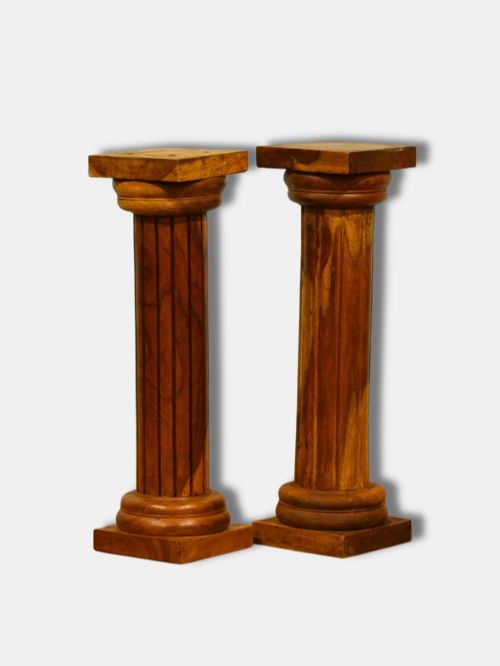
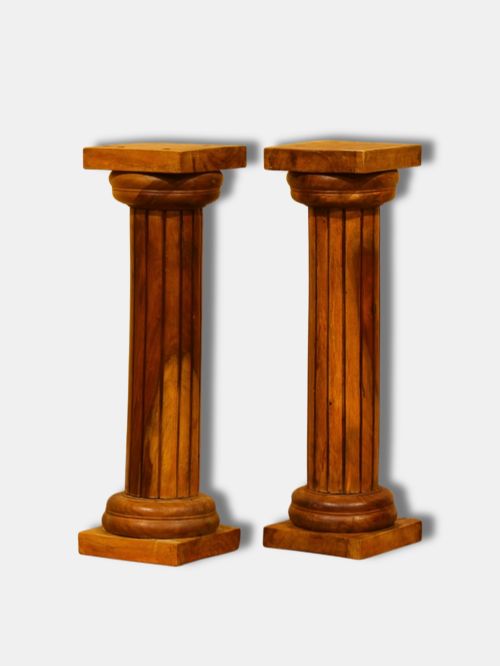
These wooden display pillar examples bring height and structure to a room, offering a sturdy stage for sculpture, urns and lamps.
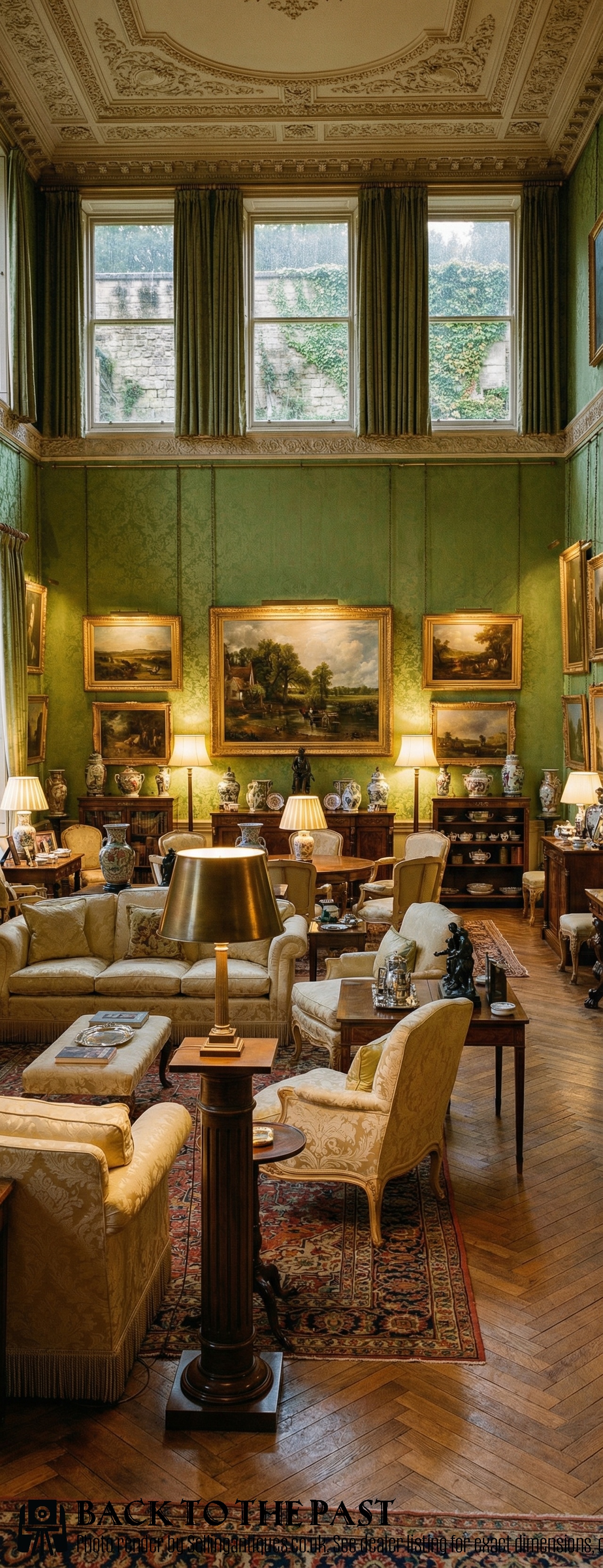
Wooden Display Pillar
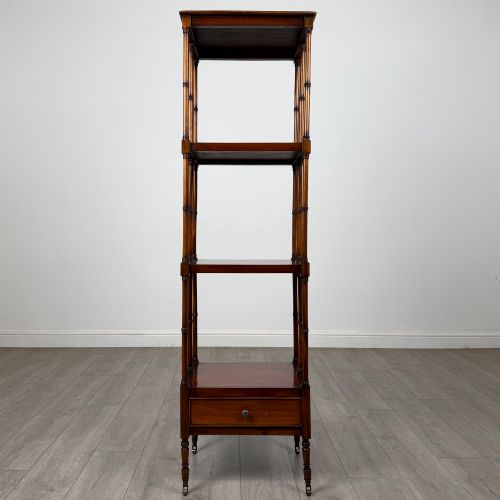
A wooden display pillar takes various structural shapes, ranging from traditional architectural columns to spiral forms and pedestal stands. Buyers searching for a wooden display pillar encounter pieces built for elevation, serving as freestanding platforms in domestic interiors.
The selections recorded here span the eighteenth century, the Victorian era, the mid nineteenth century and nineteen thirty. These pieces emerge in styles including Baroque, Art Deco, Neoclassical, Classical Revival, French nineteenth century and Chinese Qing style.
Makers utilised forms such as torchieres, lantern stands and architectural salvage to create display surfaces. Pieces frequently appear as single columns or matched pairs, constructed to support decorative objects at varying heights.
How makers built these supports
Makers constructed these supports using solid timbers such as mahogany, carved oak, burr walnut and macassar ebony alongside painted surfaces. Artisans applied leaf gilding, ebonisation and decorated faux verde antico simulated marble finishes to mimic costly stone materials.
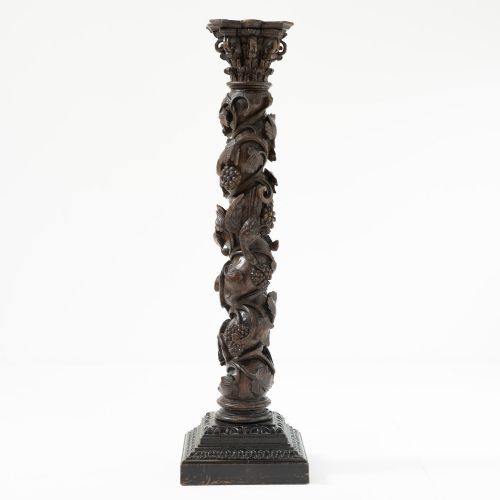
Carving defines many surfaces, producing spiral pillars, Solomonic twists and intricate dragon motifs on hardwood structures. Joinery techniques accommodated functional surprises, including hidden compartments built into carved wood pedestals.
Wooden Display Pillar Retail Price Guide 2026
Typical asking prices for wooden display pillar among the pieces listed under this phrase on Sellingantiques today, from the lower quarter to the upper quarter. They describe what is for sale here now, not the wider market.
The listings show pieces spanning from the 18th century through the Victorian era to 1930, utilising oak, mahogany, walnut and painted finishes.
What separates standard from superior execution
Depth of carving and precision of architectural detail separate ordinary turnings from exceptional examples. Skilled execution appears in the crispness of a Solomonic twist and the fidelity of surface treatments like simulated marble.
The choice of primary timber influences the character of the piece, with burr walnut, macassar ebony and dense carved oak representing substantial material investment. Surface decoration ranges from plain painted finishes to elaborate parcel gilt highlights.
Marguerite
The Wooden Display Pillar Glossary
- Solomonic
- A column shaft characterised by a helical twist or spiral form resembling a corkscrew. This design gained prominence in Baroque architecture and appears frequently on seventeenth and eighteenth century furniture supports.
- Torchiere
- A tall stand designed originally to carry a torch or candle, later adapted to hold electric lamps or decorative urns. These slender pillars elevate light sources above eye level.
- Parcel Gilt
- A surface decoration where only specific carved details or raised elements receive a thin application of gold leaf. The technique highlights architectural mouldings against a contrasting painted or polished wood background.
- Verde Antico
- A dark green serpentine marble mottled with white veins, imitated by decorative painters on wood surfaces. Artisans created faux finishes to achieve the appearance of classical stone columns without the excessive weight.
Wooden Display Pillar: Frequently Asked Questions
How do I date a wooden column?
Dating relies on identifying the prevailing style, such as Art Deco, Baroque Revival or Neoclassical design traits. Material choices like macassar ebony or burr walnut also point toward specific manufacturing decades.
Construction methods and tool marks visible on unpainted interior surfaces offer further clues to age.
Are these columns strong enough for heavy statues?
Most pieces are built from dense hardwoods like oak and mahogany to support substantial weight safely. Solid timber construction provides the necessary stability for heavy stone or bronze sculptures.
Buyers should examine the base footprint and internal structure to ensure adequate balance for top-heavy objects.
How do I style a pillar in a modern room?
A tall pedestal functions as a sculptural anchor in an empty corner or beside seating furniture. Placing a single contemporary or antique object on top creates an immediate focal point.
Pairs work effectively when flanking a fireplace, console table or entranceway to establish architectural symmetry.