




Mahogany Bust Stand
A mahogany bust stand elevates sculpture and decorative objects, offering sturdy timber construction and classical proportions that suit period interiors.
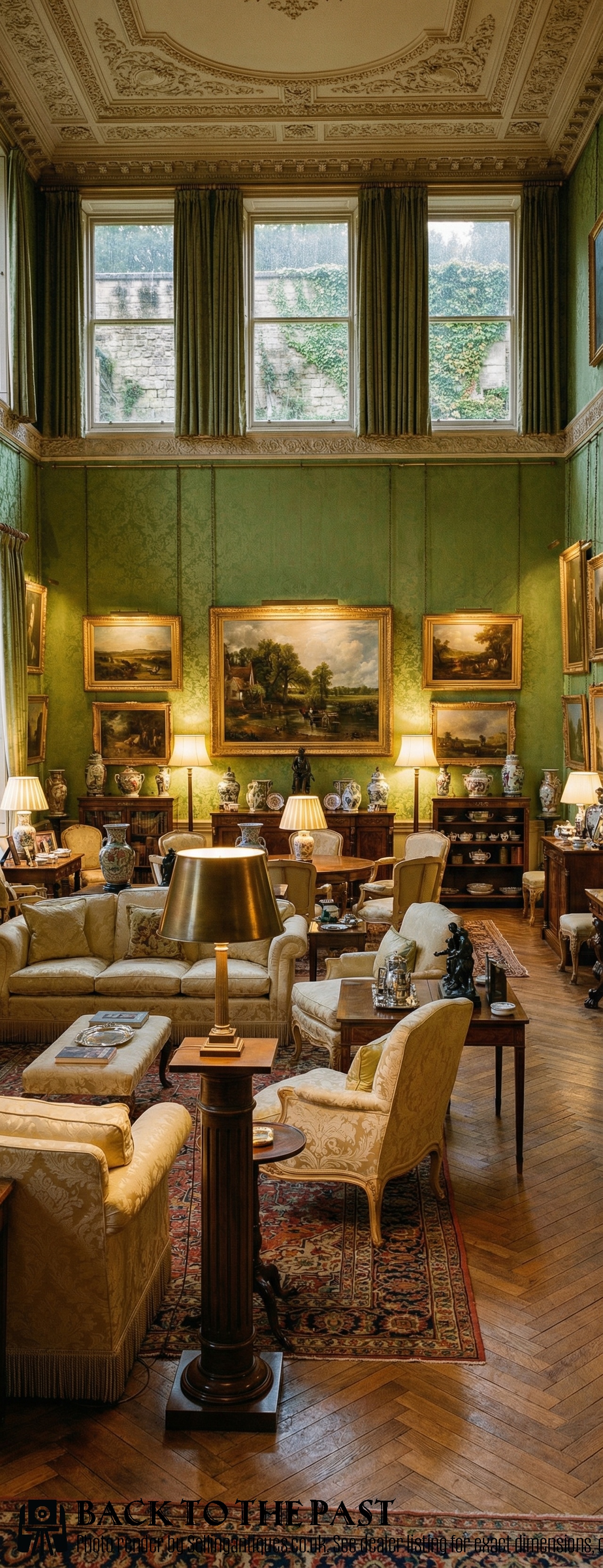
Mahogany Bust Stand
A mahogany bust stand serves to elevate sculpture, busts, and decorative objects for display within a room. These pieces appear in forms such as pedestals, plinths, torchieres, and pillar stands, often utilising timber foundations from the nineteenth century onward.
The varieties on this page encompass tripod bases, display pedestals, and cupboard stands from the Victorian, Georgian, Edwardian, and later periods. Stylistic influences range from Neoclassical and Rococo Revival to Adam Revival and Empire designs.
Makers designed these stands to function as central display furniture in country houses and parlours. Buyers encounter timber columns alongside examples featuring alabaster tops or ormolu mounts.
Materials and construction methods
Cabinetmakers utilised solid mahogany and mahogany veneer over timber carcases to build these stands, often selecting dense grains for turned pillars and square columns. Construction techniques involve stable tripod bases or heavy pedestal feet designed to bear the weight of stone and bronze sculpture.
Decorative detailing incorporates gilt bronze and ormolu mounts, contrasting with the dark timber surfaces. Certain Victorian and Edwardian examples integrate inlaid woodwork or alabaster top slabs inset into the mahogany structure.
Mahogany Bust Stand Retail Price Guide 2026
Typical asking prices for mahogany bust stand among the pieces listed under this phrase on Sellingantiques today, from the lower quarter to the upper quarter. They describe what is for sale here now, not the wider market.
Listings feature mahogany, alabaster, ormolu, and gilt bronze across Victorian, Edwardian, and Georgian periods.
Assessing quality and craftsmanship
The distinction between standard utility stands and finer pieces rests upon timber selection and sculptural detail. Finer examples display carefully matched mahogany veneers, crisply carved revival ornament, and integrated cupboard storage or stone insets.
Structural integrity and proportion determine the standing quality of a pedestal. Robust tripod bases and heavy pillars demonstrate superior stability compared to lighter plant stands adapted for similar display purposes.
The Mahogany Bust Stand Glossary
- Mahogany
- A durable tropical hardwood valued for its rich reddish-brown colour and stability in furniture construction. Cabinetmakers utilised it extensively for nineteenth-century pedestals and display stands.
- Ormolu
- Gilt bronze ornamentation applied to furniture and decorative objects. It provides metallic contrast against dark timber surfaces on revival stands.
- Torchiere
- A tall stand designed originally to hold a torch or light, later adapted as a tall pedestal for busts and plant pots. These slender supports frequently feature tripod legs.
- Alabaster
- A fine-grained stone used for decorative carving and table tops. Examples in these listings appear as contrasting top slabs on timber stands.
- Neoclassical
- A style drawing inspiration from classical antiquity, visible in architectural columns, restrained proportions, and symmetrical ornament on nineteenth-century pedestals.
Mahogany Bust Stand: Frequently Asked Questions
What is a mahogany bust stand used for?
A mahogany bust stand provides an elevated platform for displaying sculptures, portrait busts, and decorative urns. These stands position art objects at eye level within domestic interiors.
They function in hallways, libraries, and drawing rooms as architectural furniture that supports heavy display pieces.
How do I date a mahogany bust stand?
Dating relies upon stylistic markers such as Neoclassical, Adam Revival, or Rococo Revival motifs, alongside timber characteristics and construction techniques. Nineteenth-century examples often display hand-turned pillars and traditional joinery.
Edwardian and later twentieth-century pieces introduce inlaid details and simpler display surfaces while retaining the core mahogany structure.
Can these stands hold heavy sculptures?
Many mahogany bust stands feature robust tripod bases, heavy timber pillars, or cabinet foundations built specifically to bear significant weight. Pedestals with broad column supports offer high stability for stone and metal busts.
Lighter torchieres and plant stands are better suited to porcelain or smaller decorative items rather than massive stone sculpture.
What styles are common for these stands?
Victorian, Georgian, and Edwardian styles dominate these listings, alongside revival movements including Neoclassical and Adam Revival. These aesthetic periods dictate the column proportions and surface ornament.
French Empire and Biedermeier influences also appear, bringing continental cabinetmaking traditions to the mahogany stands.