
Victorian Fluted Column
These Victorian fluted column pieces bring classical architectural form into domestic interiors through lamps, candlesticks, and furniture supports.
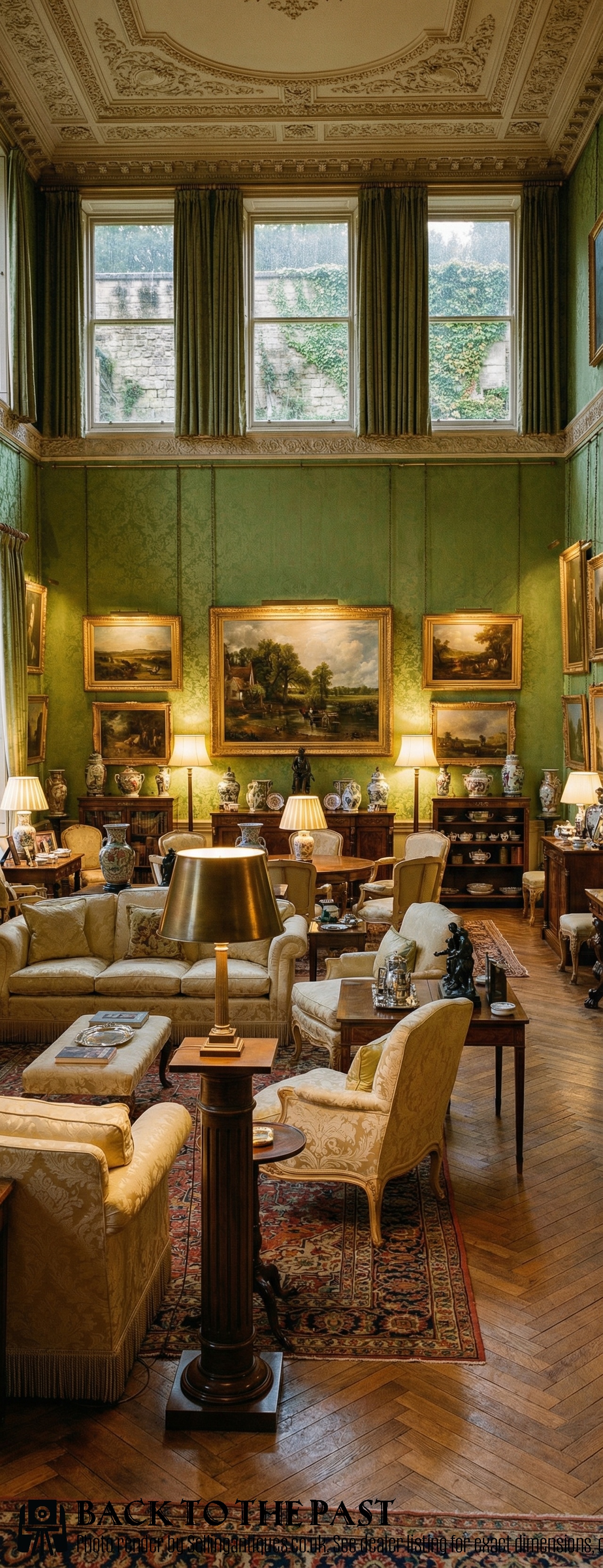
Victorian Fluted Column
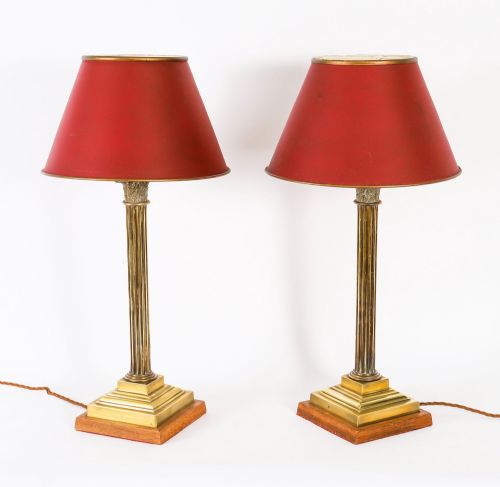
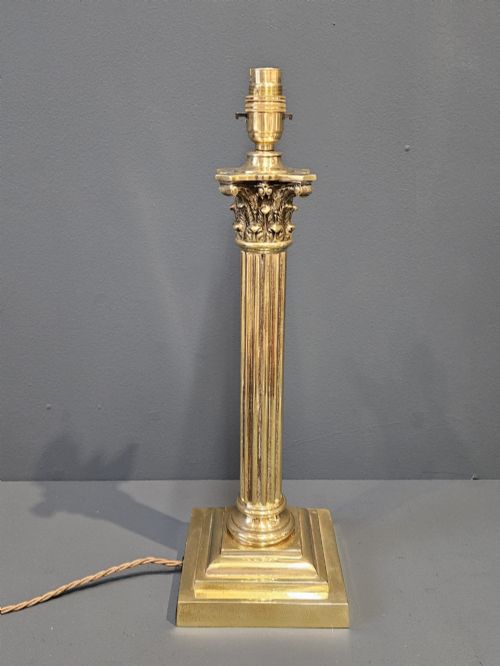
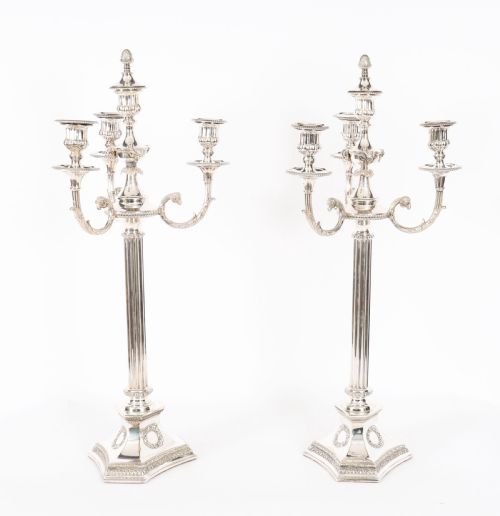
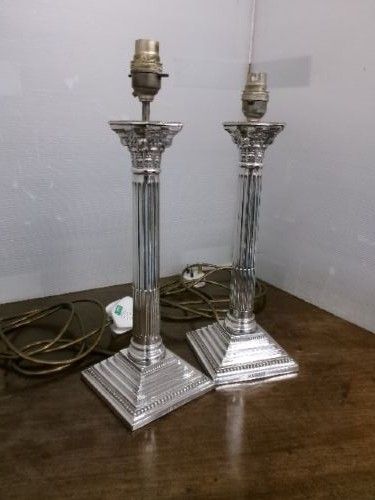
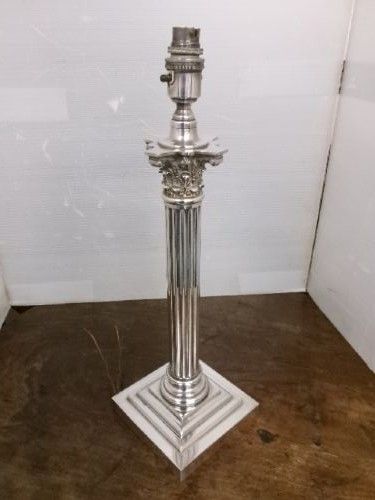
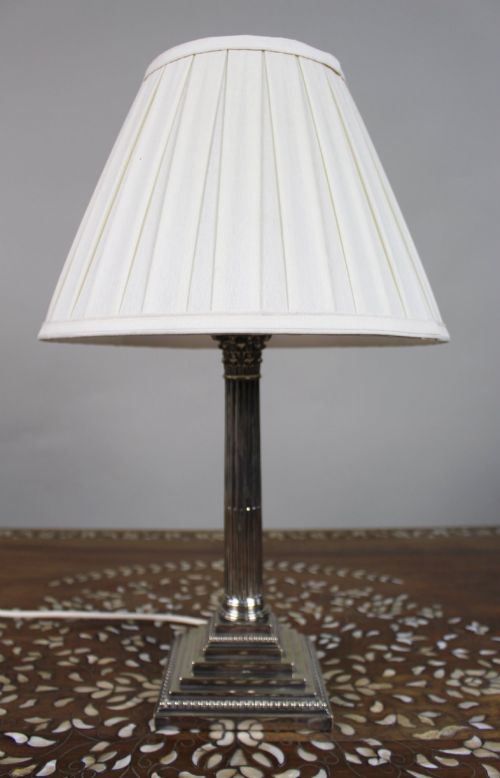
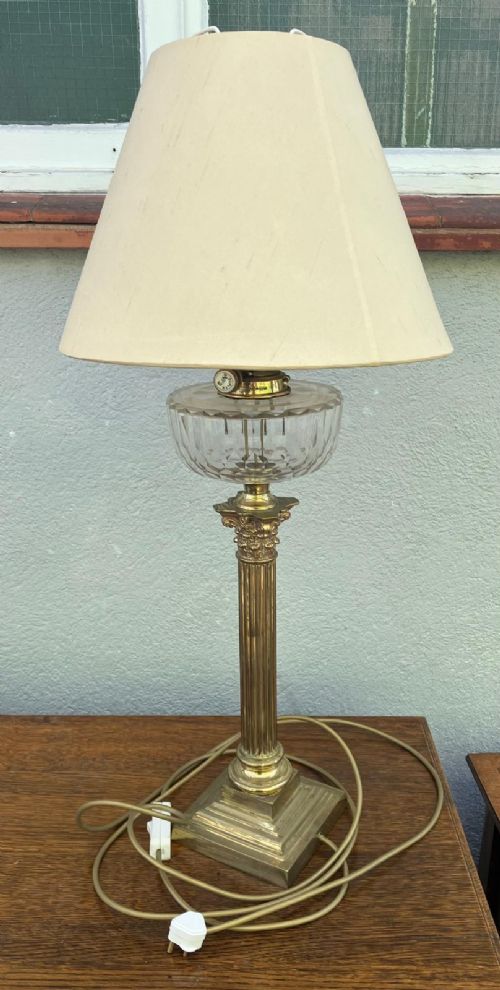
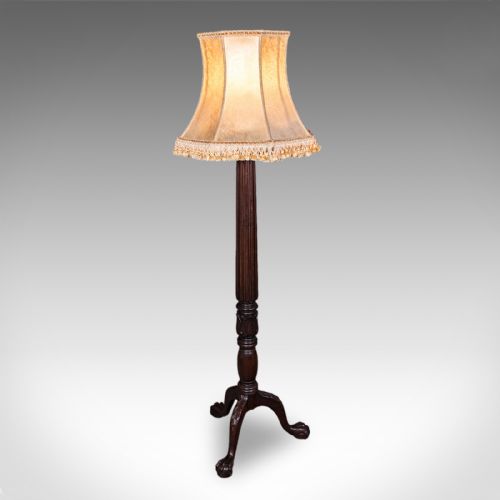
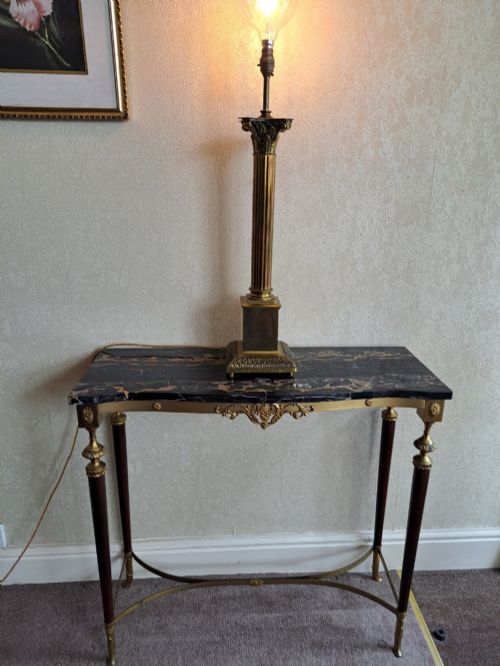
A Victorian fluted column piece typically takes the form of a table lamp, standard floor lamp, or candlestick shaped with classical proportions and vertical channels. Brass and silver-plated lighting fixtures dominate the available selection, often bearing Corinthian or ionic capitals at the top of the shaft.
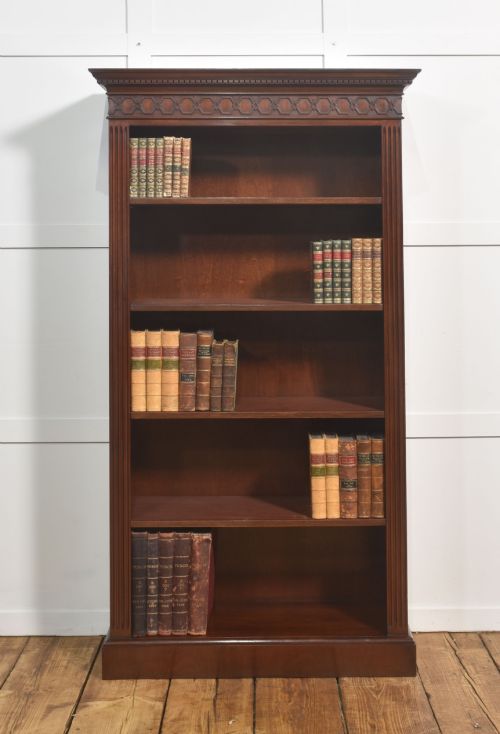
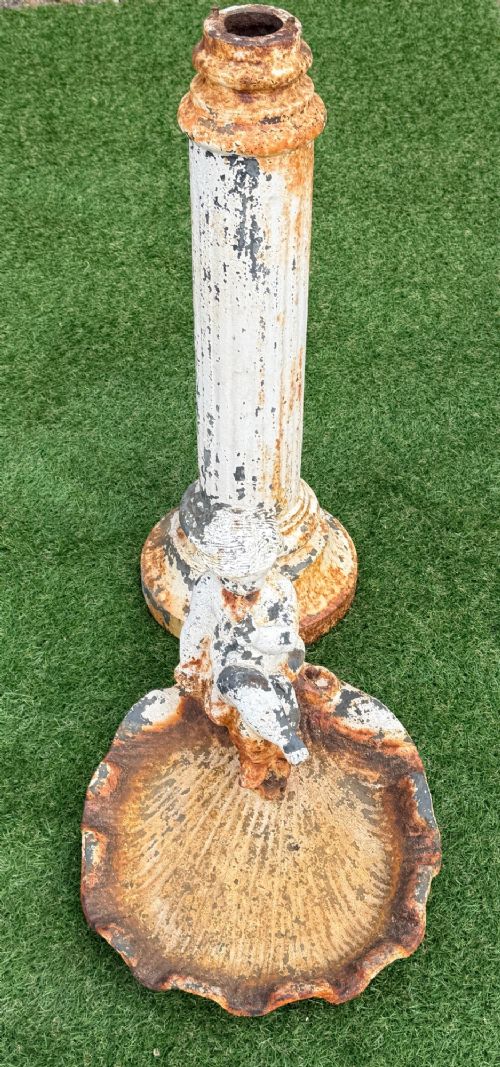
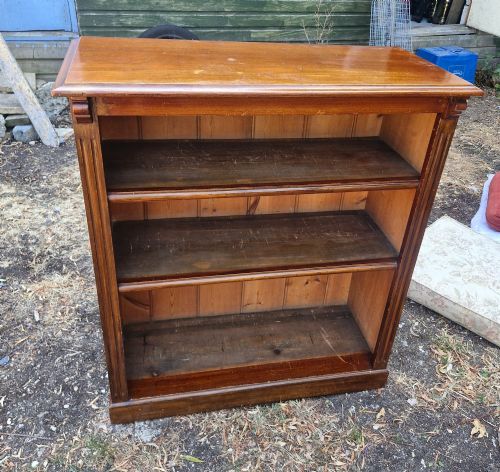
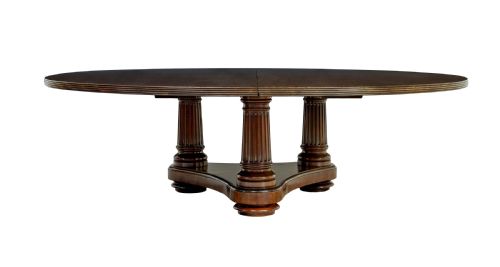
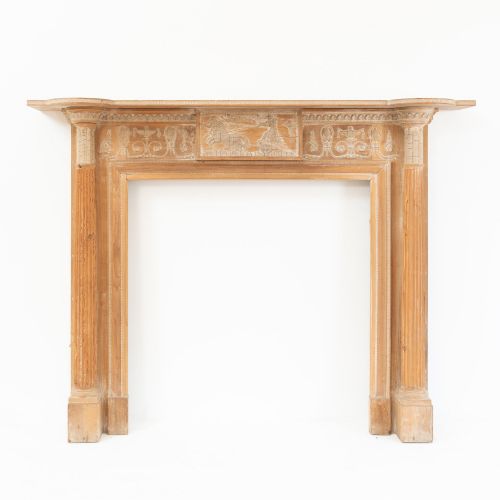
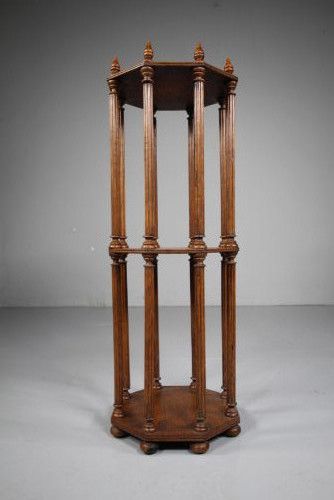
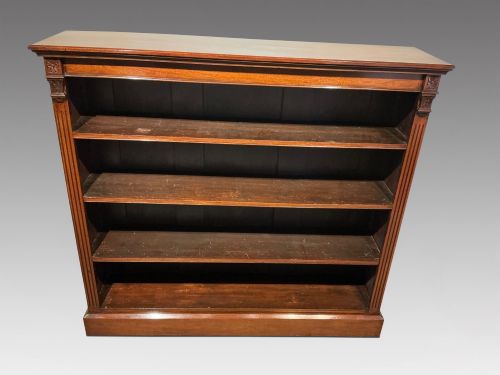
Beyond lighting, the search phrase leads to architectural supports, plant stands, and occasional furniture such as wine tables and bookcases featuring carved column details. These items span the nineteenth century into the Edwardian period, reflecting a sustained architectural revival interest.
Makers and manufacturers utilised classical vocabularies drawn from Greek and Roman precedents, adapting them for nineteenth-century homes. The resulting objects combine structural utility with ornamental dignity, whether executed in polished metal or figured timber.
Materials and construction methods
Makers constructed metal lamps and candlesticks using cast brass or silver plating over base metals, frequently incorporating weighted bases for stability. Wood items employ mahogany, oak, pine, and pollard oak, shaped by turning on a lathe and hand-carving decorative capitals and flutes.
Surface treatments range from polished brass and silver plate to white-painted pine and rich French polishing on mahogany and rosewood furniture pieces. Details such as lion's paw feet and stepped plinths complete the assembly of these architectural items.
Listings for this phrase combine nineteenth-century metalwork lighting with timber furniture featuring architectural column supports across the Victorian and Edwardian periods.
Assessing quality in fluted columns
Quality reveals itself in the crispness of the carving on the column capital and the depth of the fluting channels running down the shaft. Superior examples display careful casting work or precise hand-turned timber details without blurring or softening of the ornamental edges.
Proportion and weight differentiate standard production from finer exhibition pieces, particularly in metal lamps that require substantial mass to support shades safely. The integrity of the plating, the selection of timber veneers, and the presence of maker stamps or registration marks further distinguish the better pieces.
The Victorian Fluted Column Glossary
- Corinthian column
- A classical column style featuring an ornate capital decorated with rows of acanthus leaves. This capital type appears frequently on nineteenth-century brass table lamps.
- Fluting
- Series of shallow, vertical parallel grooves carved or cast into the shaft of a column. It creates visual rhythm and a sense of vertical height.
- Capital
- The uppermost member of a column that serves as a transition between the shaft and the load resting upon it. On these pieces, capitals often display classical leaf or scroll motifs.
- Silver plate
- A thin layer of silver applied to a base metal core such as brass or copper. Many nineteenth-century lighting pieces utilise this technique to achieve the appearance of solid silver.
- Breakfront
- A piece of furniture whose central section projects forward from the flanking sections. This architectural arrangement provides varied depth for bookcases and cabinets.
Victorian Fluted Column: Frequently Asked Questions
How do I wire a Victorian brass column lamp?
Most antique metal columns accommodate modern internal wiring run through the central hollow shaft without altering the exterior metalwork. Professional electricians can update these fixtures while preserving original lamp holders and weighted bases.
Buyers should ensure the base remains stable and balanced when fitted with contemporary lampshades. Modern patinated flex helps maintain the period appearance of the metalwork.
What is the difference between Corinthian and ionic columns?
Corinthian capitals feature ornate carvings of acanthus leaves and delicate scrolls, creating an elaborate and decorative silhouette at the top of the column. Ionic capitals use distinctive spiral scroll shapes known as volutes.
Both styles appear on nineteenth-century lighting and decor, reflecting the era's widespread neoclassical revival taste. The column shafts beneath these capitals remain similarly fluted.
How do I care for silver plated column candlesticks?
Silver-plated items require gentle cleaning with specialised non-abrasive polishes to preserve the thin metal coating over the base metal. Frequent rubbing can expose the underlying brass or copper, so light dusting is recommended for regular maintenance.
Avoid harsh chemical dips that strip residual patination and historical ageing from the crevices of the cast ornament. Proper handling prevents scratching the reflective surface.
Where were column lamps placed in Victorian homes?
Tall standard lamps and table columns illuminated libraries, drawing rooms, and studies, often positioned beside seating areas for reading. Their classical proportions suited formal domestic interiors influenced by Regency and neoclassical design revivals.
Smaller desk candlesticks provided task lighting for writing surfaces and side tables. Their architectural dignity contributed to the serious, curated aesthetic of nineteenth-century interiors.