


Wooden Column Plinth
A wooden column plinth elevates sculpture, lamps, and busts with architectural presence.
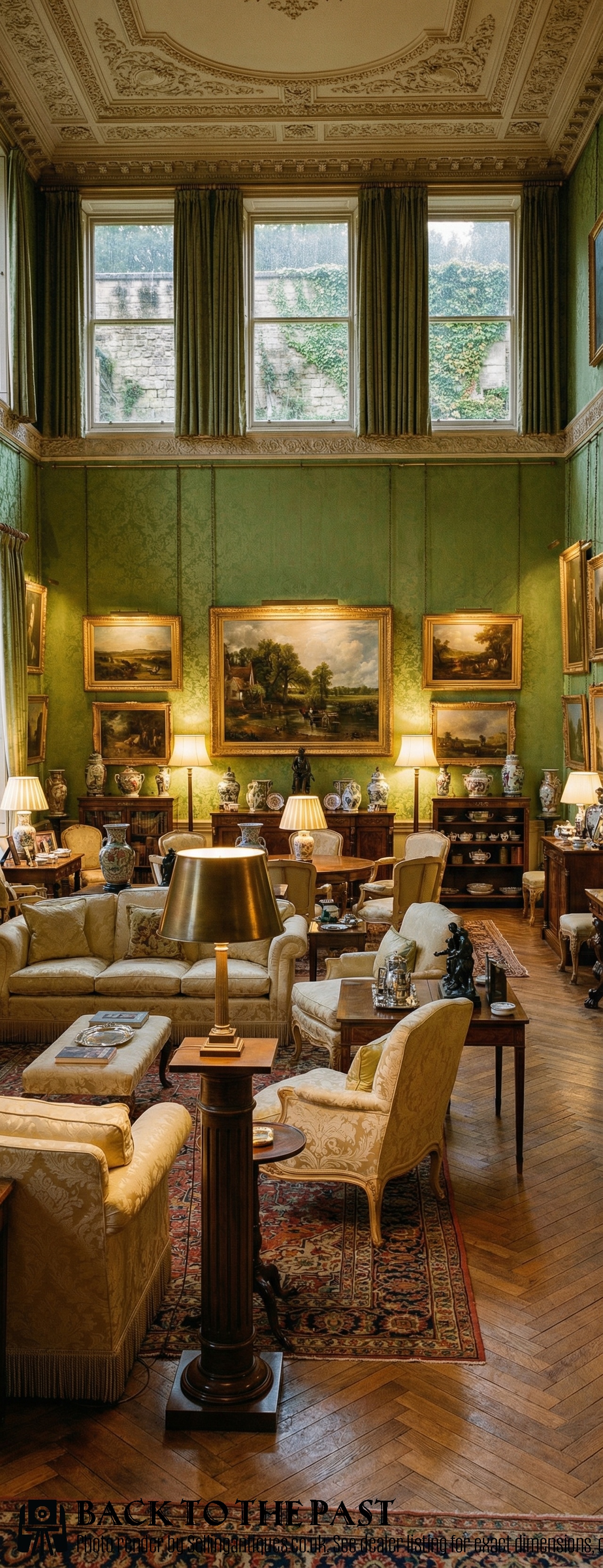
Wooden Column Plinth
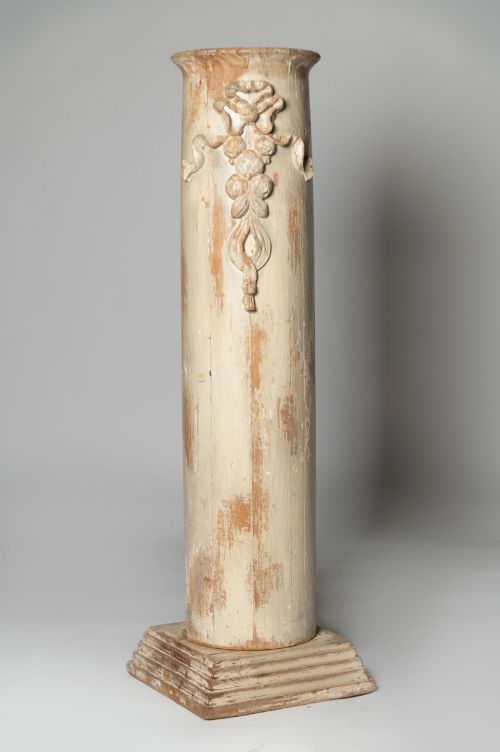
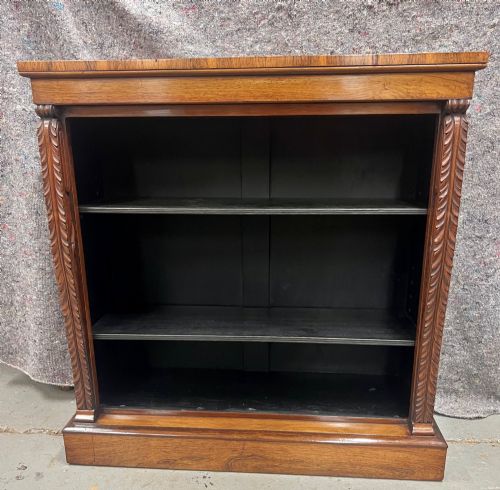
A wooden column plinth supports display items through vertical height and architectural form. Pieces on this page span the eighteenth century to the early twentieth century, including Victorian, Regency, and Georgian periods.
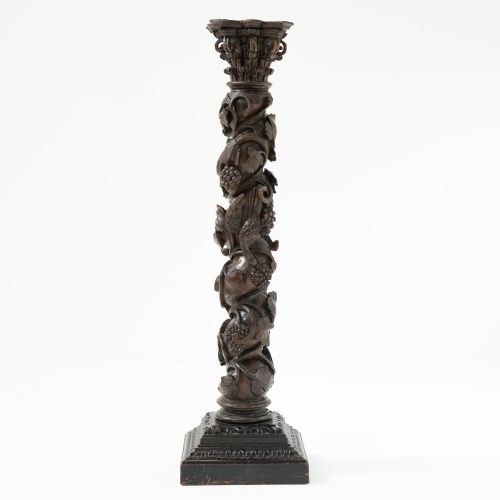
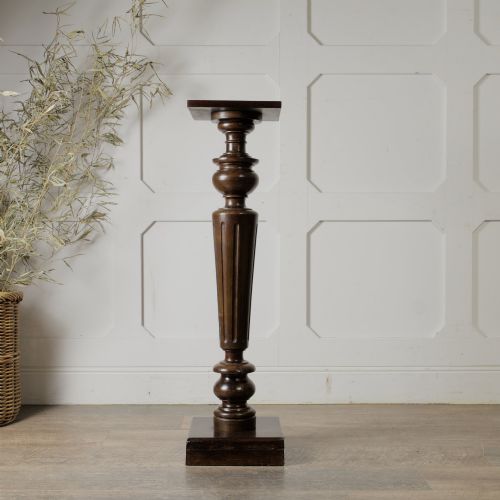
The most common examples take the form of turned mahogany stands, oak spiral pillars, and painted pedestals. These objects function as sculpture stands, lamp holders, and display columns in domestic interiors.
Materials and Construction
Carpenters utilised solid hardwoods such as mahogany, oak, walnut, and satinwood, often turning them on lathes to create cylindrical pillars and fluted columns. Secondary timbers like pine received paint, gesso, or grain painting to mimic costlier materials.
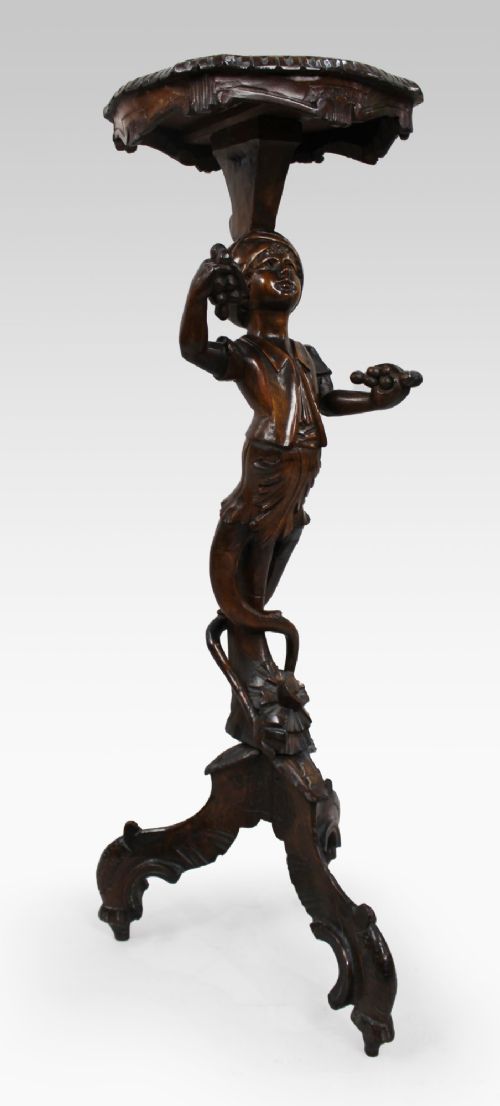
Surface treatments include ebonisation, gold leaf application, and parcel gilding over carved details. Master workshops combined joinery with applied ormolu mounts, bronze accents, and hand-carved figural elements.
Markers of Quality
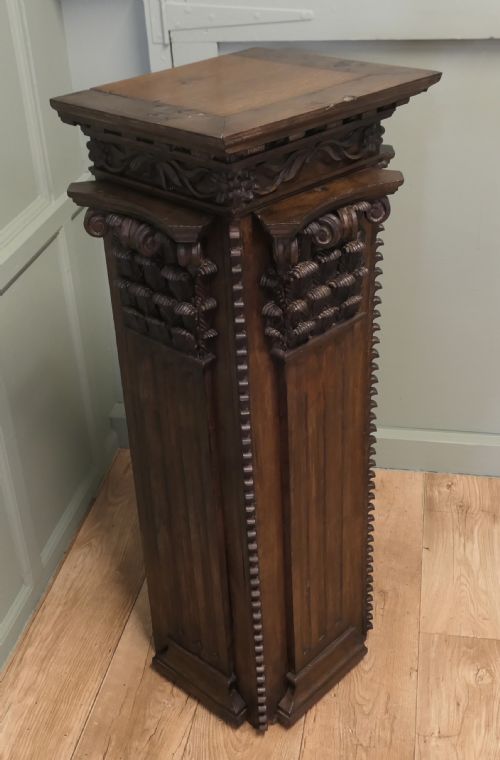
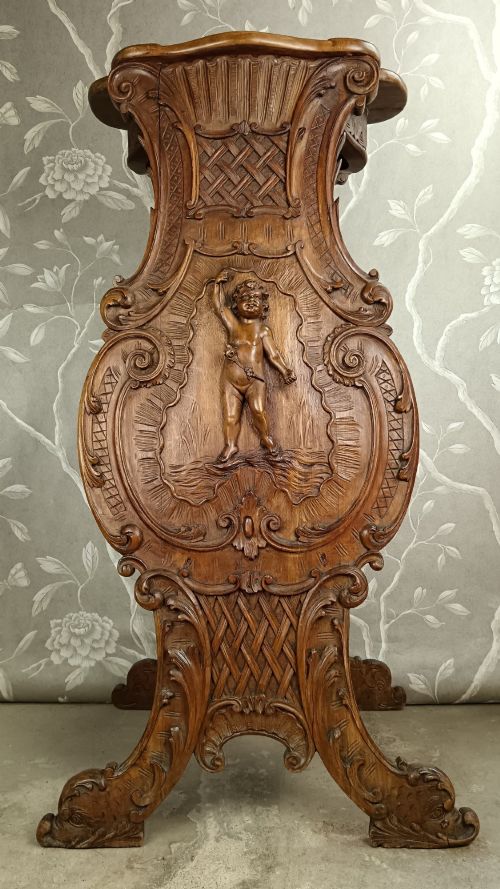
Superior examples display precise joinery, dense timber selections such as amboyna and walnut, and deep hand-carving rather than shallow moulding. The weight and stability of the base dictate how well the column supports heavy marble busts or large bronze figures.
Finishes reveal the hand of the maker through careful layering of paint, gesso, and gilding, whereas standard utility stands rely on simple stained pine or plain turned wood without decorative enrichment.
Gillow and Co.·Marguerite
The Wooden Column Plinth Glossary
- Plinth
- A heavy base supporting a statue, vase, or column. It provides foundational stability for vertical display pieces.
- Solomonic
- A helical or twisted column shaft resembling a spiral. This form gained popularity during the Baroque period.
- Torchere
- A tall stand or ornamental candlestick designed to hold a light source or decorative object. Many examples take the form of slender wooden columns.
- Ormolu
- Gilded bronze mounts applied to furniture and woodwork. This decorative technique characterises French revival pieces.
Wooden Column Plinth: Frequently Asked Questions
What fits on a wooden column plinth?
These columns support heavy items such as marble busts, bronze sculptures, large urns, and ceramic vases.
They also function as surfaces for table lamps and decorative art pieces in hallways or reception rooms.
How do I date a wooden column plinth?
Dating relies on timber choice, tool marks, and stylistic periods such as Regency, Georgian, or Victorian.
Heavier carved details and dense timbers often indicate eighteenth or nineteenth-century craftsmanship.
Are pairs common for these columns?
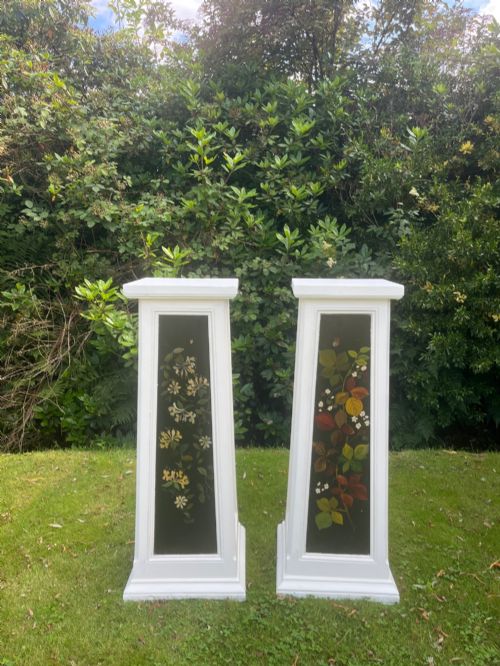
Makers frequently produced matching pairs of columns and pedestals to flank doorways, fireplaces, or large artworks.
Symmetrical displays create formal balance within period interiors.
How do I care for a painted plinth?
Painted and gilded surfaces require gentle dusting with a dry microfibre cloth to protect the delicate finish.
Keep wooden columns away from direct heat sources and strong sunlight to prevent timber splitting.