





Wooden Desk Shelf
A wooden desk shelf keeps your workspace orderly using the rich warmth of period timbers.
Wooden Desk Shelf
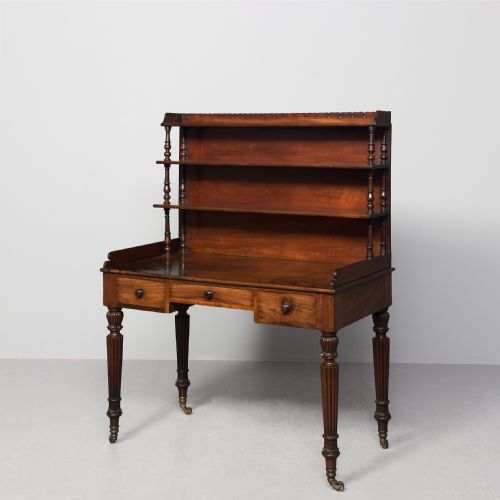
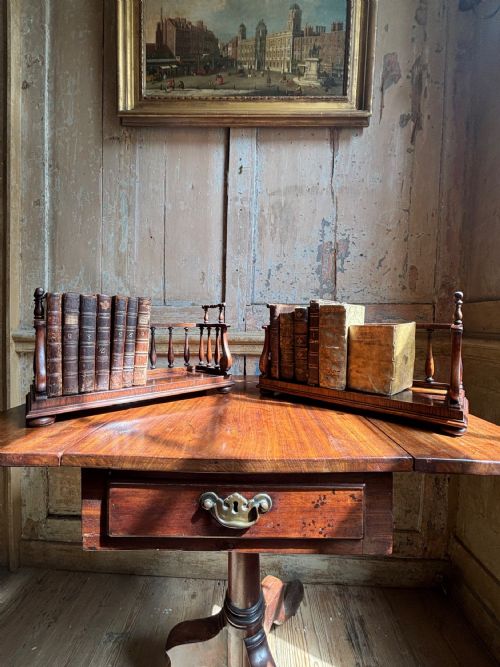
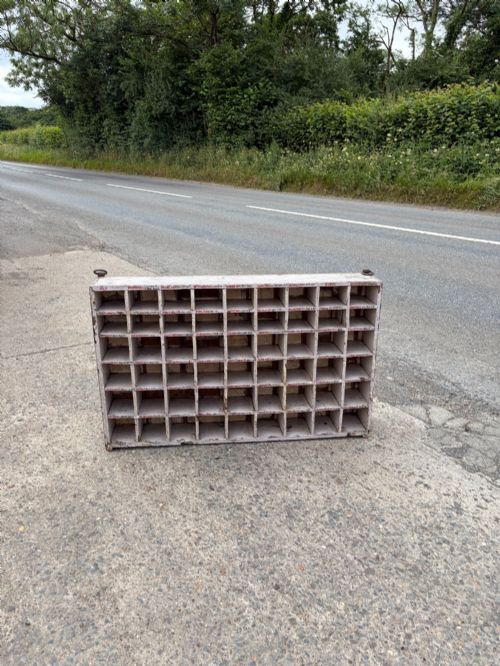
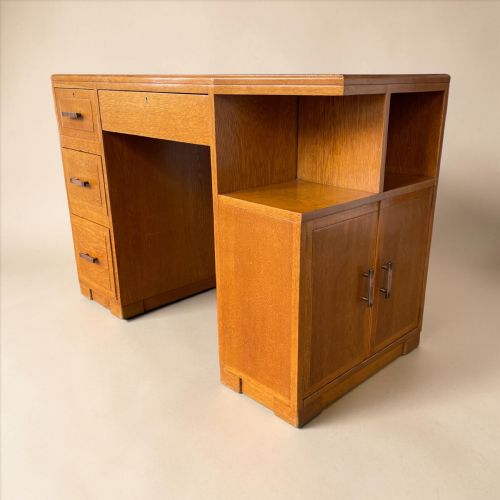
When you search for a wooden desk shelf, you encounter practical desktop storage items and desk organisers from the nineteenth and twentieth centuries. These accessories include tabletop pigeon holes, filing shelves, and book stands designed to keep correspondence and volumes in order.
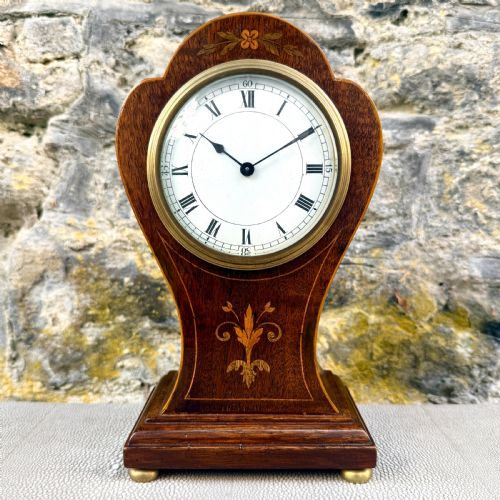
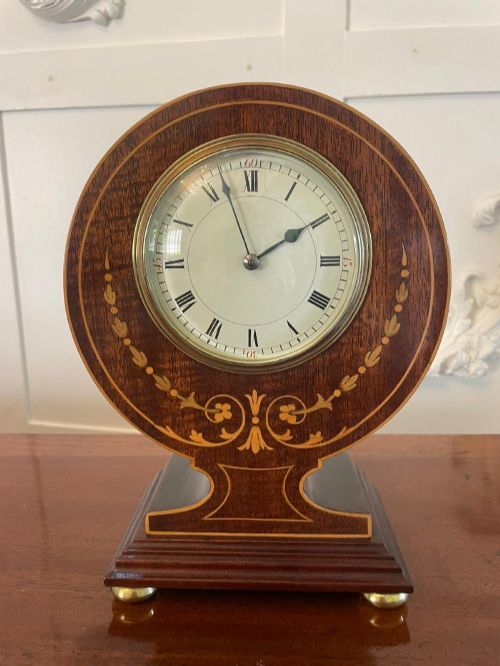
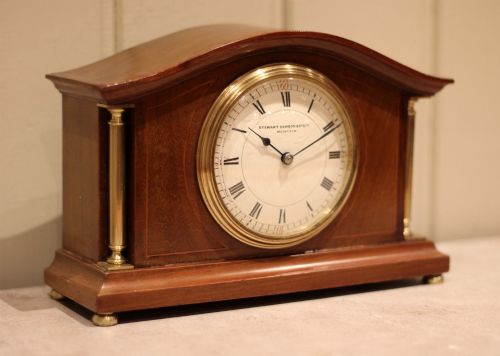
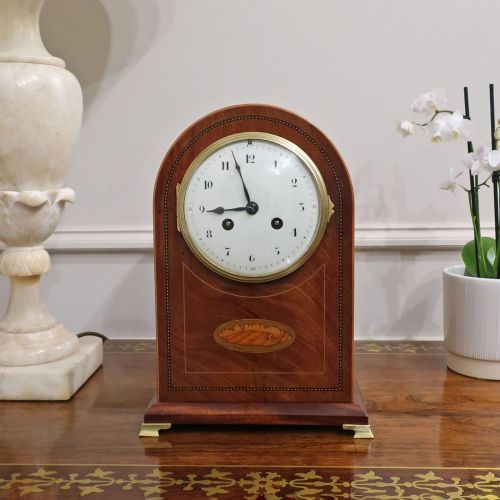
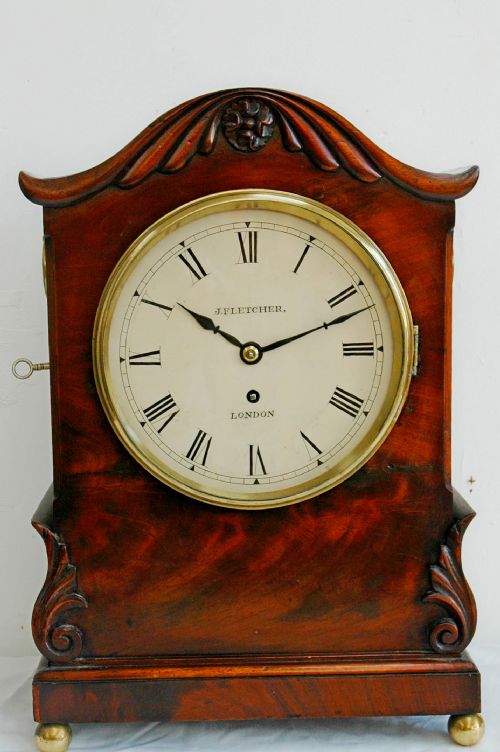
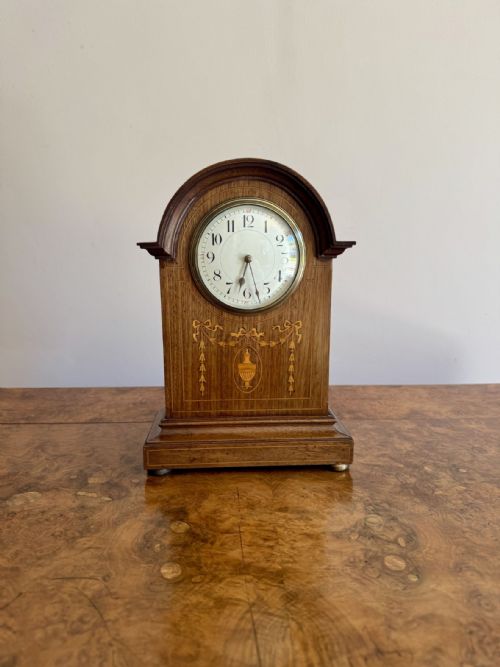
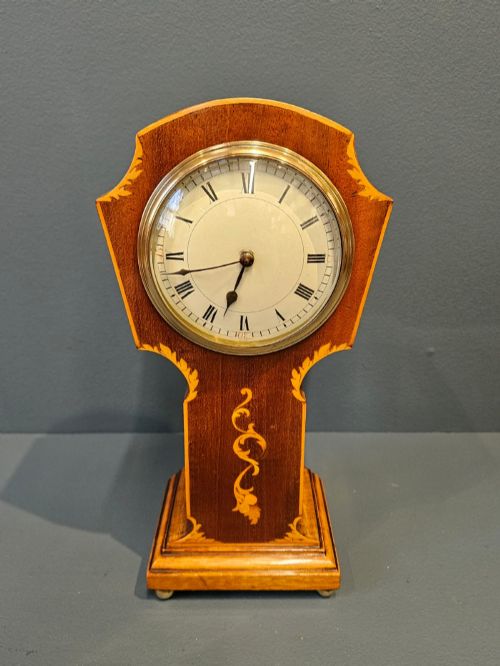
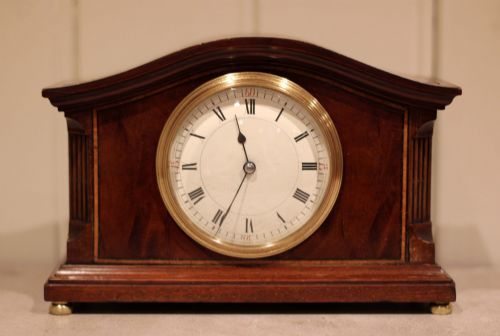
The selections on this page draw from periods such as the Edwardian era, the Art Deco period, and the nineteenth century. While the listings include various wooden desk items, buyers often find related desktop accessories like mantel clocks sharing the same cabinetry.
Makers fashioned these pieces in woods such as mahogany, walnut, rosewood, and oak. Such items bring period utility to a modern study, offering compartments for letters and papers.
How they were made
Cabinet makers utilised dense hardwoods including mahogany, walnut, rosewood, satinwood, and oak to construct these desktop pieces. Timber selection ensured both durability under daily use and a fine surface for polish.
Construction techniques involved traditional joinery such as dovetailing for compartments and drawers, alongside inlaid details in contrasting woods. Brass mounts, hinges, and glass faces completed the construction of associated timepieces and desk fittings.
Wooden Desk Shelf Retail Price Guide 2026
Typical asking prices for wooden desk shelf among the pieces listed under this phrase on Sellingantiques today, from the lower quarter to the upper quarter. They describe what is for sale here now, not the wider market.
One Edwardian desk shelf charmingly incorporates an inlaid Dutch girl beside traditional floral motifs.
What varies in quality
Quality rests in the selection of figured timber veneers and the precision of inlaid decoration. Finer examples display carefully matched grains and meticulous parquetry rather than plain surfaces.
Construction integrity separates standard utility items from superior pieces. Robust dovetail joints, substantial brass hardware, and clean interior partitions denote higher workshop standards.
James Mein of Kelso·Piggin Norwich·J Kingerley Manchester·Bravingtons Ltd of London·Elliott of London·Pennington of Camberwell
The Wooden Desk Shelf Glossary
- Pigeon holes
- Compartments arranged in rows for sorting mail and papers. These sections form the core storage of desktop organisers.
- Inlay
- Material set into the surface of wood to form decorative patterns. Craftsmen utilised light woods or contrasting timbers for floral and geometric motifs.
- Fusee
- A conical pulley used in clock movements to maintain equal power as the mainspring unwinds. This mechanism appears in better quality nineteenth century timepieces.
- Bracket clock
- A portable clock designed to sit on a desk, table, or shelf. Many feature carrying handles and glazed side panels.
Wooden Desk Shelf: Frequently Asked Questions
How do I clean a wooden desk shelf?
Dust the timber regularly with a soft, dry cloth to prevent dirt accumulation. Avoid modern silicone sprays that damage historic wood finishes.
Apply a traditional beeswax polish sparingly when the wood appears dry. Buff the surface gently to restore the natural sheen of the mahogany or walnut.
What periods do these desk pieces come from?
The listings span the nineteenth and twentieth centuries, including Georgian, Regency, Victorian, and Edwardian eras. Art Deco and Art Nouveau examples represent later stylistic movements.
Cabinet styles shifted from ornate Regency detailing to simpler Edwardian forms and geometric Art Deco lines. Materials also evolved across these decades.
Were desk shelves used in offices?
Pigeon holes and filing shelves served administrative functions in nineteenth century offices, post offices, and officers' messes. Clerks relied on them to sort correspondence.
Domestic studies also housed smaller desk accessories for personal letter writing. These pieces kept stationery organised before the era of modern filing cabinets.