



Wooden Decorative Wall Mirror
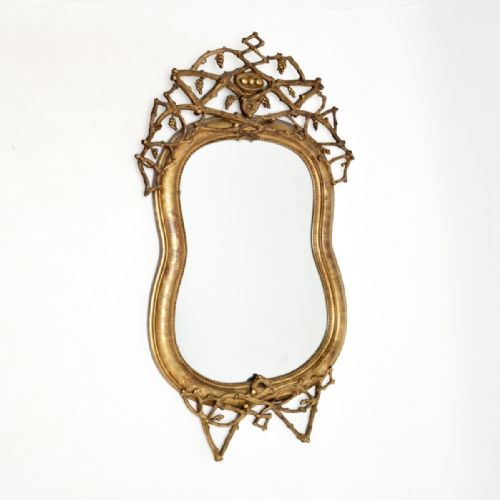
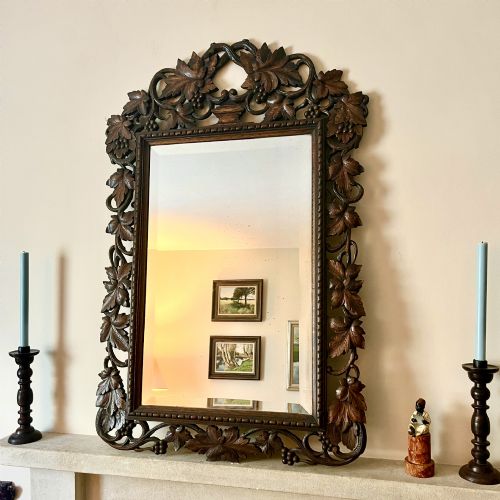
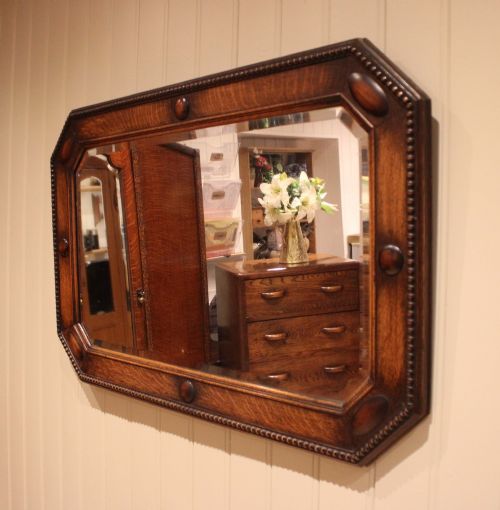
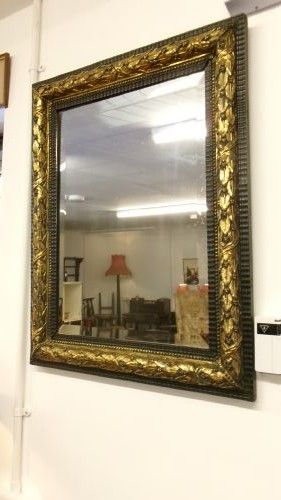
These wooden decorative wall mirror pieces bring carved frames, gilded surfaces and antique glass into a room, offering both function and decorative depth.
Wooden Decorative Wall Mirror
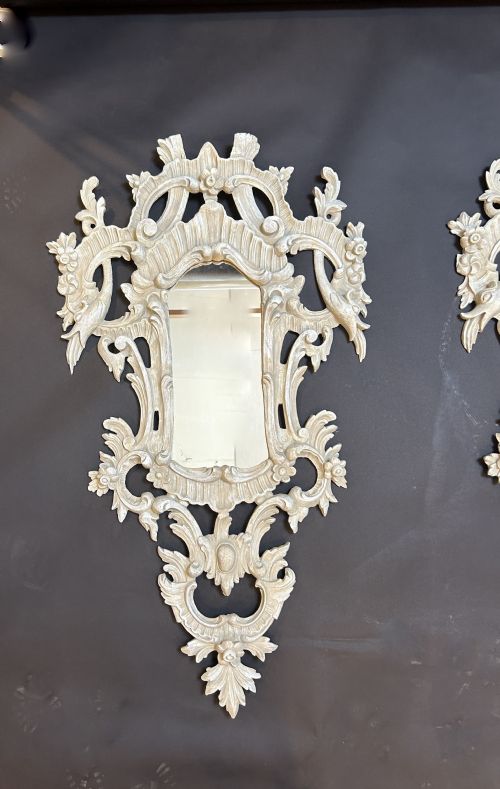
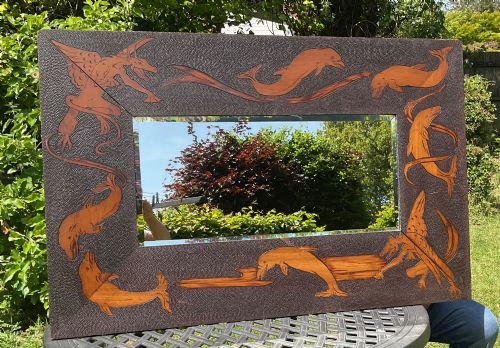
A wooden decorative wall mirror functions as a room-defining focal point, bringing reflective light and carved detail to domestic spaces. Buyers seeking a wooden decorative wall mirror encounter a range of forms, from small hall glasses to expansive overmantel pieces.
The selections span multiple periods, including Regency, Victorian, Edwardian, and Art Deco eras, alongside regional variations such as French country, Italian Rococo, Anglo-Indian, and Spanish styles. Rectangular, oval, round, and sunburst shapes dominate the forms available.
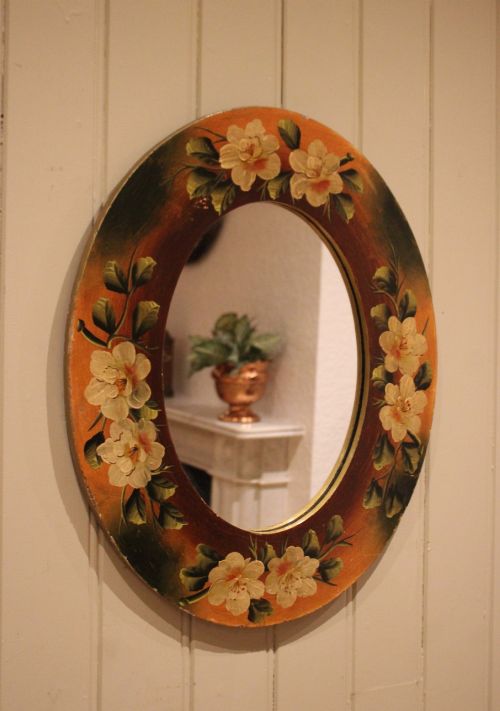
Many examples incorporate architectural elements like columns, crests, or painted floral decoration on wood, gesso, and gilt surfaces. These items originate from English, French, Italian, Spanish, and Indian workshops.
How they were made
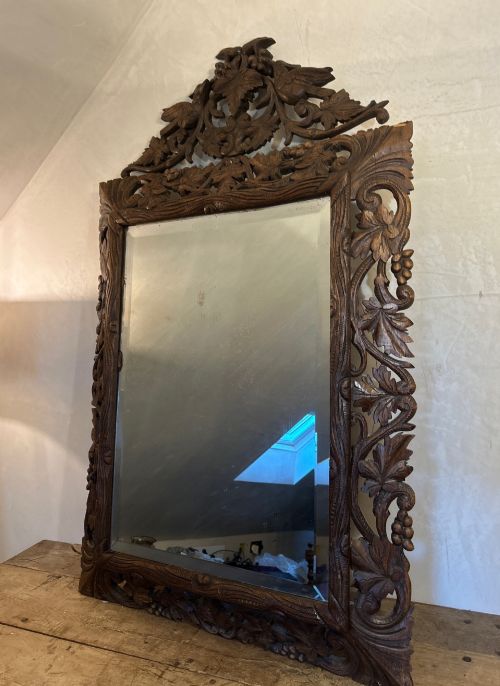
Frame makers utilised native and exotic timbers such as mahogany, oak, walnut, limewood, shisham, and pine, often shaped through hand carving or constructed with delicate veneers and marquetry inlay.
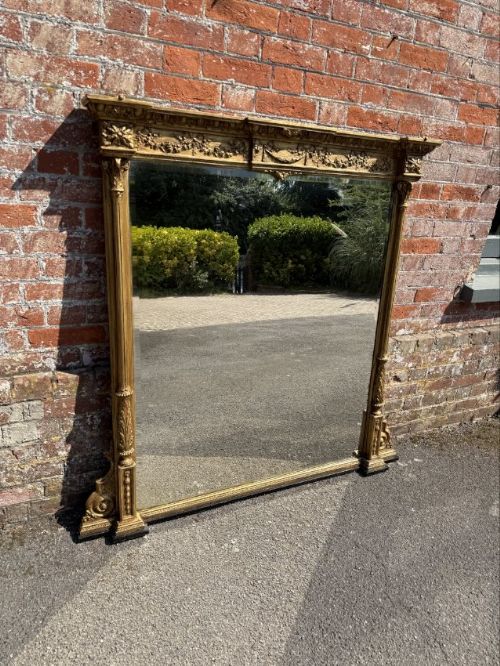
Surface ornamentation frequently involved gesso applied over wood as a base for water gilding, or involved paint, silvering, brass mounts, and ivory inlays.
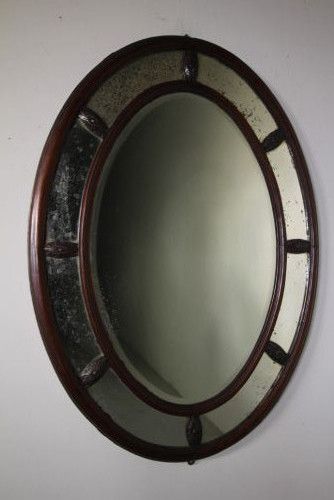
Mirror plates range from standard bevelled glass to older plates showing natural foxing, sometimes paired with engraved detailing.
The pieces span multiple historical eras, including the 17th century, Regency period, 19th century, Victorian era, Edwardian period, and 1920.
What varies in quality
The depth and crispness of the hand carving dictate the sculptural quality of the frame, separating mass-produced items from master-carved works of art. Finer pieces display undercut foliage, sharply defined motifs, and balanced proportions.
The integrity of the construction and the preservation of original gilding or surface finishes determine historical value. Pieces retaining their original antique glass plate and uncompromised structural joints command greater regard.
A.J Rowley
The Wooden Decorative Wall Mirror Glossary
- Giltwood
- Wood that has been coated with a thin layer of gold leaf or metal leaf, usually over a prepared layer of gesso. This finish creates a luminous metallic surface common on ornate frames.
- Gesso
- A plaster-like mixture applied to wood frames to provide a smooth base for gilding or painting. It allows craftsmen to model intricate relief ornamentation before applying gold leaf.
- Overmantel mirror
- A large mirror designed to hang specifically above a fireplace mantelpiece. These pieces often feature horizontal formats and architectural framing to anchor the hearth.
- Foxing
- The brown age spots and speckles that develop on antique mirror plates as the silver backing degrades over time. Collectors view this chemical oxidation as a sign of genuine age.
- Pier glass
- A tall, narrow mirror designed to hang on the wall space between two windows, known as a pier. They often match console tables positioned below them.
Wooden Decorative Wall Mirror: Frequently Asked Questions
How do I hang a heavy antique overmantel mirror?
Heavy frames require secure wall fixings anchored directly into masonry or substantial timber studs to support the weight safely.
Professional mirror hangers utilise heavy-duty brackets or French cleats rated for the specific poundage of the piece.
Are foxed mirror plates replaceable?
Original mirror plates often display foxing and age spots that contribute to the historical character and authenticity of the antique.
Replacing the glass with modern float glass generally diminishes the visual charm and collectible value of the piece.
How do I clean an antique giltwood frame?
Giltwood surfaces require extremely gentle dusting with a soft, dry brush to prevent the delicate gold leaf from flaking off.
Water and chemical cleaning agents must be avoided entirely because moisture dissolves the traditional gesso and size underneath the gilding.
What is the difference between an overmantel and a wall mirror?
Overmantel mirrors are traditionally built in wider horizontal proportions specifically to sit above fireplace mantels and reflect room light.
Standard wall mirrors feature versatile dimensions suitable for hanging on any open wall space in a hallway or bedroom.