



Wooden Decanter Holder
These old wooden decanter holder pieces keep bottles secure and ready at hand, and every serious dining room needs one.
Wooden Decanter Holder
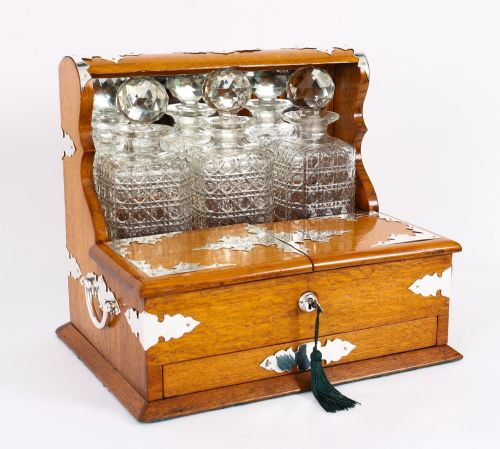
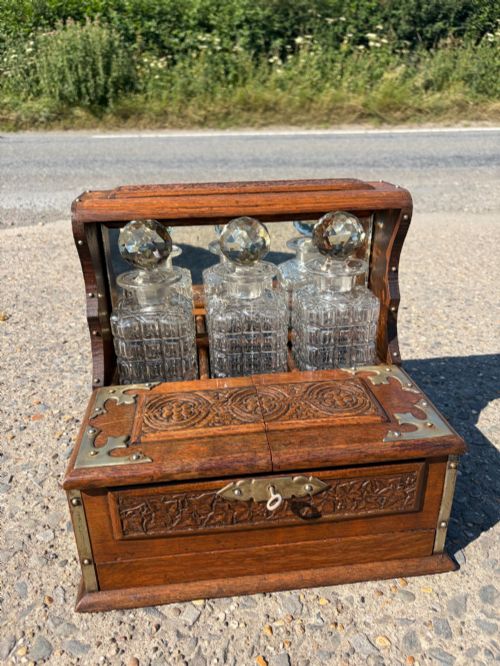
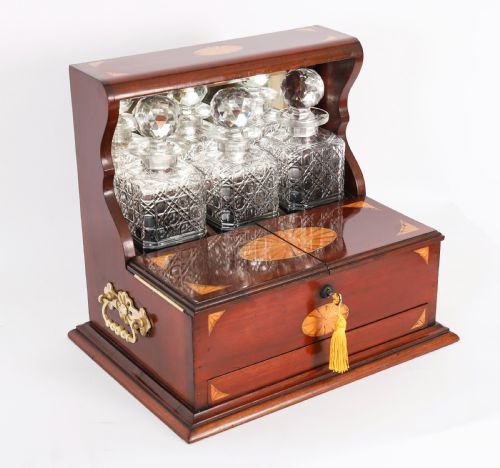
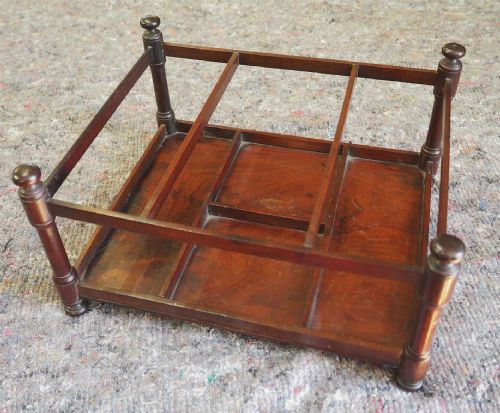
A wooden decanter holder brings together several practical forms designed for serving and securing wine and spirits at the table. When you search for this phrase, you find items spanning the eighteenth century through the Georgian and Victorian eras up to the early twentieth century. The selection ranges from portable bottle carriers and wine coasters to secure lockable tantalus sets.
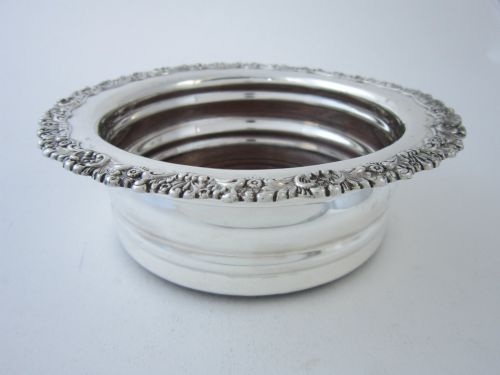
Most examples appearing here take the form of oak or mahogany frames, often housing cut glass decanters or holding multiple bottles simultaneously. You encounter pieces designated as wine coasters, games compendiums with integrated decanters, and traditional after dinner tantalus cabinets. These items reflect the changing social habits of British households over successive centuries.
How they were made
The makers relied primarily on solid timbers such as oak, mahogany, and satinwood, frequently selecting woods that offered both structural stability and rich grain patterns. Cabinetmakers shaped these materials into frames and caddies designed to withstand heavy daily use in dining rooms and libraries. Inlaid decoration occasionally appears, adding subtle visual contrast to the primary timber.
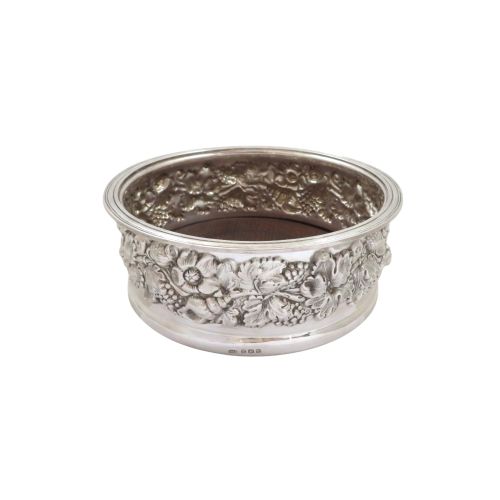
Metal components form an essential part of the construction, with brass mounts, silver plate, and sterling silver providing handles, feet, and locking mechanisms. Cut glass and crystal decanters or bottles fit precisely into the wooden compartments, sometimes accompanied by silver plated bottle coasters featuring grape and vine motifs. The combination of turned wood, polished metal, and heavy glass defines the physical presence of these pieces.
Victorian hosts kept the port locked away in a tantalus, proving that polite society still needed a physical barrier against overly enthusiastic guests.
What varies in quality
Quality shows in the selection of the timber and the precision of the joinery used to construct the frame. Better examples display carefully matched wood grains, tight joints, and substantial brass or silver hardware that operates smoothly. Elaborate multi-bottle tantalus units combined with games compendiums represent a higher tier of production than simple single bottle coasters.
The integration of precious metals and high grade cut crystal elevates certain pieces above standard utilitarian items. Sterling silver mounts and finely detailed cast silver plate indicate a standard of craftsmanship intended for affluent households. Conversely, simpler wooden carriers depend entirely on the character of the wood and the integrity of the original construction.
The Wooden Decanter Holder Glossary
- Tantalus
- A locking drink cabinet that displays decanters while preventing access to the contents without a key. The wooden frame holds the bottles beneath a metal bar secured by a lock.
- Wine Coaster
- A small tray or stand, often made of wood with a metal base or entirely of silver plated metal, designed to hold a wine bottle on the dining table.
- Games Compendium
- A fitted box or cabinet containing equipment for various indoor games, frequently combined in Victorian examples with a wooden decanter holder and tantalus.
- Caddy
- A small box or container originally used for storing tea, but in this context applied to multi-section wooden bottle carriers designed for transport.
- Treen
- Small handmade wooden objects turned on a lathe or carved, representing domestic items produced before mass manufacturing took over.
Wooden Decanter Holder: Frequently Asked Questions
What is a wooden decanter holder used for?
These pieces served to organise and present wine bottles and decanters on the dining table or sideboard during and after meals. They kept bottles upright and made it easy to pass drinks among guests.
Locking versions, known as tantalus units, were introduced to secure expensive spirits from household staff while keeping them visible in the dining room or drawing room.
How do I date a wooden decanter holder?
Dating relies on identifying the prevailing style, timber choices, and construction methods characteristic of periods such as the Georgian era or late Victorian decades. Examining the locks, hinges, and the style of any silver or brass mounts provides further chronological clues.
Georgian pieces often feature fine mahogany and simpler lines, while late Victorian examples frequently incorporate elaborate mechanisms, oak frames, and integrated games compendiums.
How do I care for antique wood and metal?
Maintain the timber by keeping it away from direct sunlight and sudden temperature changes that can cause the wood to dry out or split. Occasional application of appropriate wax helps preserve the finish of mahogany and oak.
Polish silver and brass components carefully with suitable cleaners, taking care to avoid getting polish onto the surrounding wood surfaces.
What is the difference between a coaster and a tantalus?
A coaster is an open tray or stand meant to hold a single bottle or decanter, allowing it to be slid across the table during dinner. It offers no security and focuses on table protection and ease of serving.
A tantalus is a fixed wooden stand featuring a locking mechanism across the necks of the decanters. It deliberately restricts access to the contents while displaying the glass bottles.